Harvey Benge was born in 1944 in Palmerston North, New Zealand, and came to photography relatively late in life, after careers in science and business. He studied biochemistry at the University of Otago and later worked in research and commerce before turning to photography in the 1990s. This unconventional path — arriving at art through science rather than through art school — gave his work a distinctive character: analytical, patient, attentive to evidence, and possessed of a dry wit that owes more to the laboratory bench than to the studio. He studied photography at Elam School of Fine Arts at the University of Auckland, completing a master's degree that formalised a practice he had already begun to develop independently.
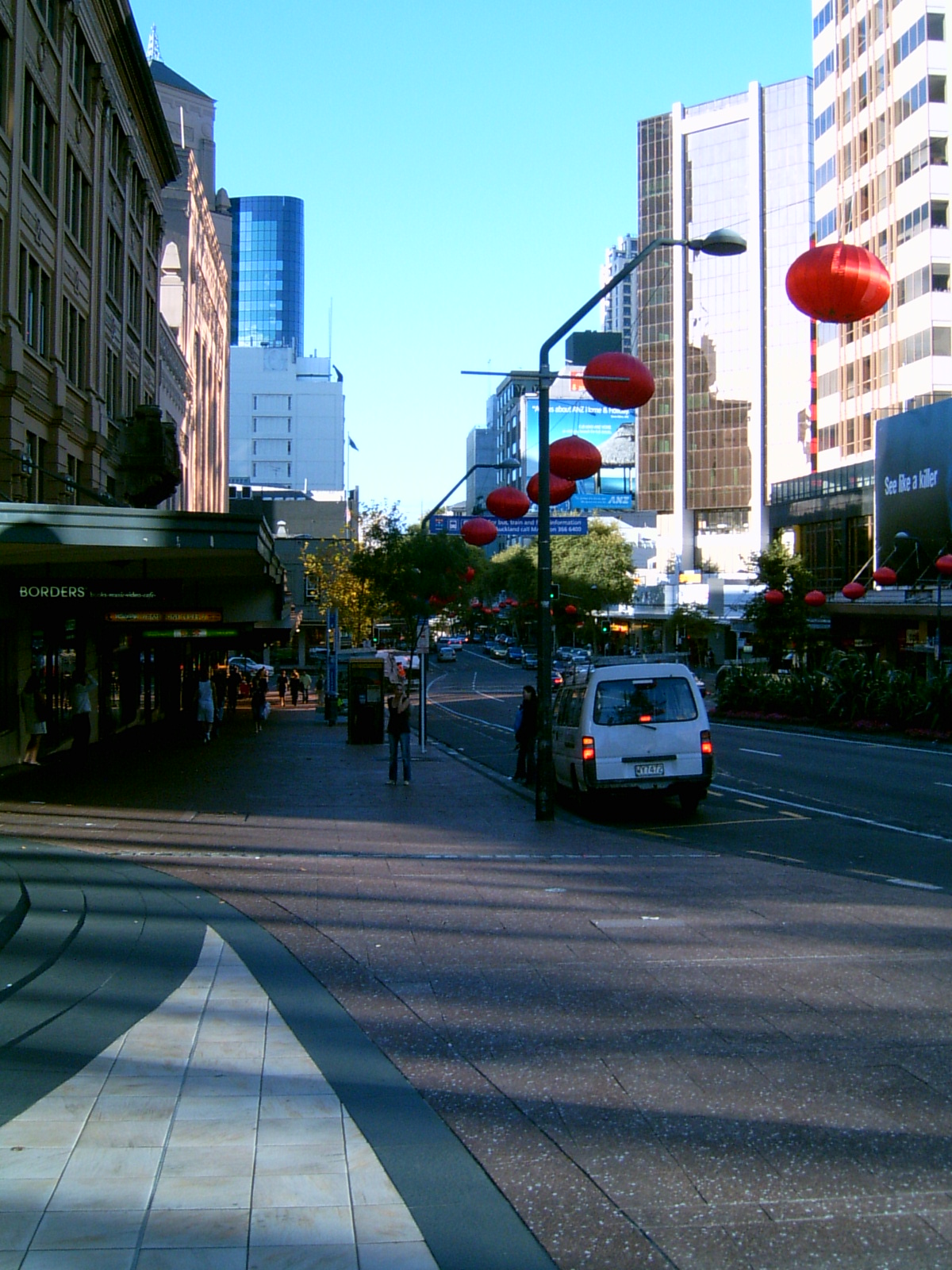
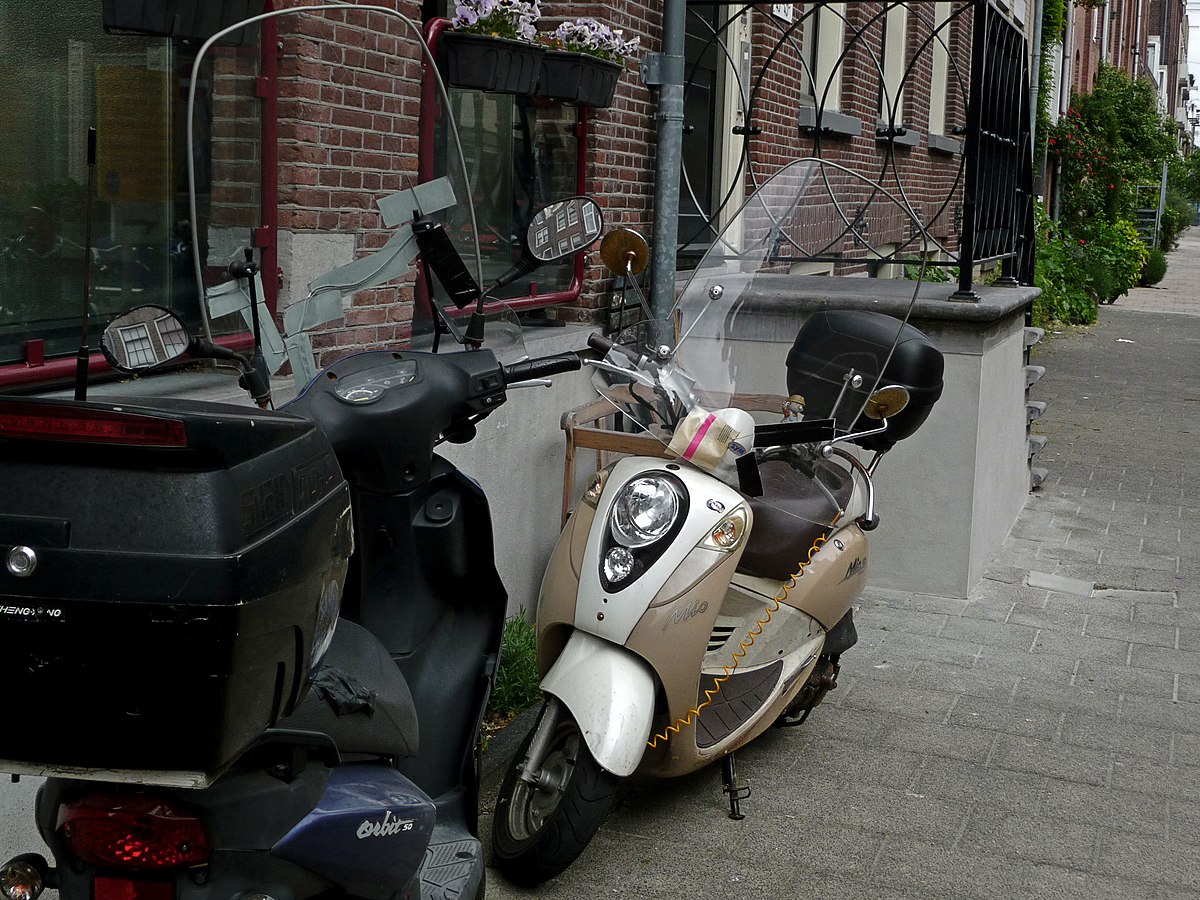
Benge's photographic sensibility belongs to the tradition of the flâneur — the observant walker who moves through the city with no fixed destination, alive to the visual incident that others overlook. His images are drawn from the streets of Auckland, Paris, London, and other cities he has visited over the years, and they share a consistent aesthetic: direct, frontal, matter-of-fact, and often quietly funny. He photographs discarded objects, accidental arrangements of colour, the unconscious gestures of strangers, shopfront displays, and the peculiar juxtapositions that the urban environment produces without any human intention. His eye is drawn to the moment when the ordinary becomes strange, when a mundane detail — a crumpled paper bag, a pair of shoes on a kerb, a shadow on a wall — reveals itself as something worthy of sustained attention.
What distinguishes Benge from many contemporary street photographers is his conceptual awareness of what he is doing. He is deeply read in the history and theory of photography, and his work engages knowingly with the traditions of Walker Evans, William Eggleston, Stephen Shore, and the New Topographics movement. His images are not merely observations but arguments — about the nature of visual attention, about the relationship between the camera and the everyday, about the capacity of photography to transform the insignificant into the significant. He has written extensively about photography, both on his influential blog and in the texts that accompany his many publications.
Benge is among the most prolific photobook makers of his generation, having published more than sixty books since the early 2000s. His commitment to the photobook as a form reflects his belief that individual photographs gain meaning through sequence and context — that a single image, however strong, achieves its full resonance only when placed in conversation with others. His books range from slim, tightly edited volumes devoted to a single theme or location to more expansive collections that draw together years of street observation. The production values are deliberately modest, in keeping with a practice that values accessibility and immediacy over preciousness and scarcity.
His major publications include All That Life Can Afford, The Pleasure of Seeing, People in Sun, and The Way We Look, among dozens of others. Each demonstrates his ability to find visual richness in the most unremarkable of settings and to construct sequences of images that are by turns comic, melancholic, and genuinely beautiful. His work has been exhibited at the Auckland Art Gallery, the Centre for Contemporary Photography in Melbourne, and various international photography festivals.
Benge's blog, maintained for many years, became an important resource for photographers and photography enthusiasts, offering reviews of photobooks, reflections on the practice of street photography, and a window into the daily discipline of a photographer who treats looking as a form of intellectual and artistic engagement. His influence in the New Zealand and wider Australasian photography community has been significant, demonstrating that a practice rooted in the everyday and the accessible can achieve genuine artistic depth.