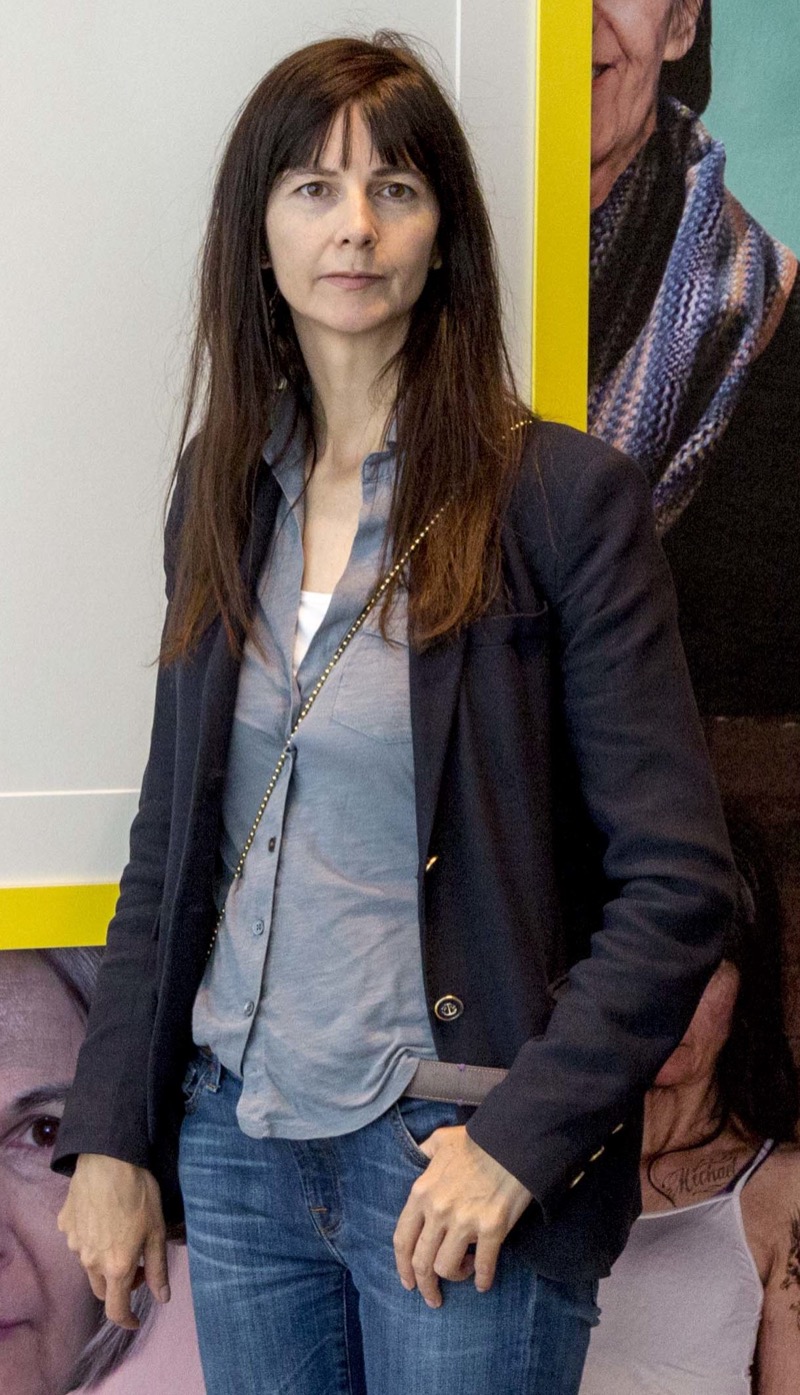
Gillian Wearing was born in 1963 in Birmingham, England, and grew up in the city's suburbs during a period of post-industrial decline and social upheaval. She studied at the Chelsea School of Art and then at Goldsmiths, University of London, graduating in 1990 as part of a generation of British artists — including Damien Hirst, Tracey Emin, and Sarah Lucas — who would collectively become known as the Young British Artists. While many of her contemporaries pursued shock and spectacle, Wearing developed a quieter, more psychologically probing practice that placed ordinary people and their hidden emotional lives at the centre of her work.
Her breakthrough came in 1992–1993 with Signs that Say What You Want Them To Say and Not Signs that Say What Someone Else Wants You To Say, a deceptively simple series of photographs in which she approached strangers on the streets of London and asked them to write their thoughts on a piece of paper, which she then photographed them holding. The results were startling in their candour: a suited businessman holding a sign reading "I'm desperate"; a police officer with the words "Help" scrawled on his sheet; ordinary people revealing fears, desires, and vulnerabilities that their outward appearance gave no indication of. The series became one of the most iconic works of 1990s British art, distilling Wearing's central preoccupation — the disjunction between the face we present to the world and the inner life we conceal — into a form of devastating clarity.
Wearing's work owes a considerable debt to documentary and television culture, particularly the fly-on-the-wall documentaries and confessional television programmes that proliferated in Britain during the 1980s and 1990s. But where those formats often exploited their subjects, Wearing's approach was characterised by a genuine empathy and a sophisticated understanding of the power dynamics inherent in the act of representation. Her video work Confess All on Video. Don't Worry, You Will Be in Disguise. Intrigued? Call Gillian (1994) invited members of the public to confess their secrets on camera while wearing masks. The result was both disturbing and deeply moving — a work that revealed the liberating and terrifying power of anonymity.
In 1997, Wearing was awarded the Turner Prize, Britain's most prestigious contemporary art award, cementing her reputation as one of the most important artists of her generation. The award recognised a body of work that had expanded the possibilities of both photography and video art, demonstrating that conceptual rigour and emotional depth were not mutually exclusive. Her acceptance of the prize was characteristically understated, in keeping with an artist who has always preferred to let her subjects speak for themselves.
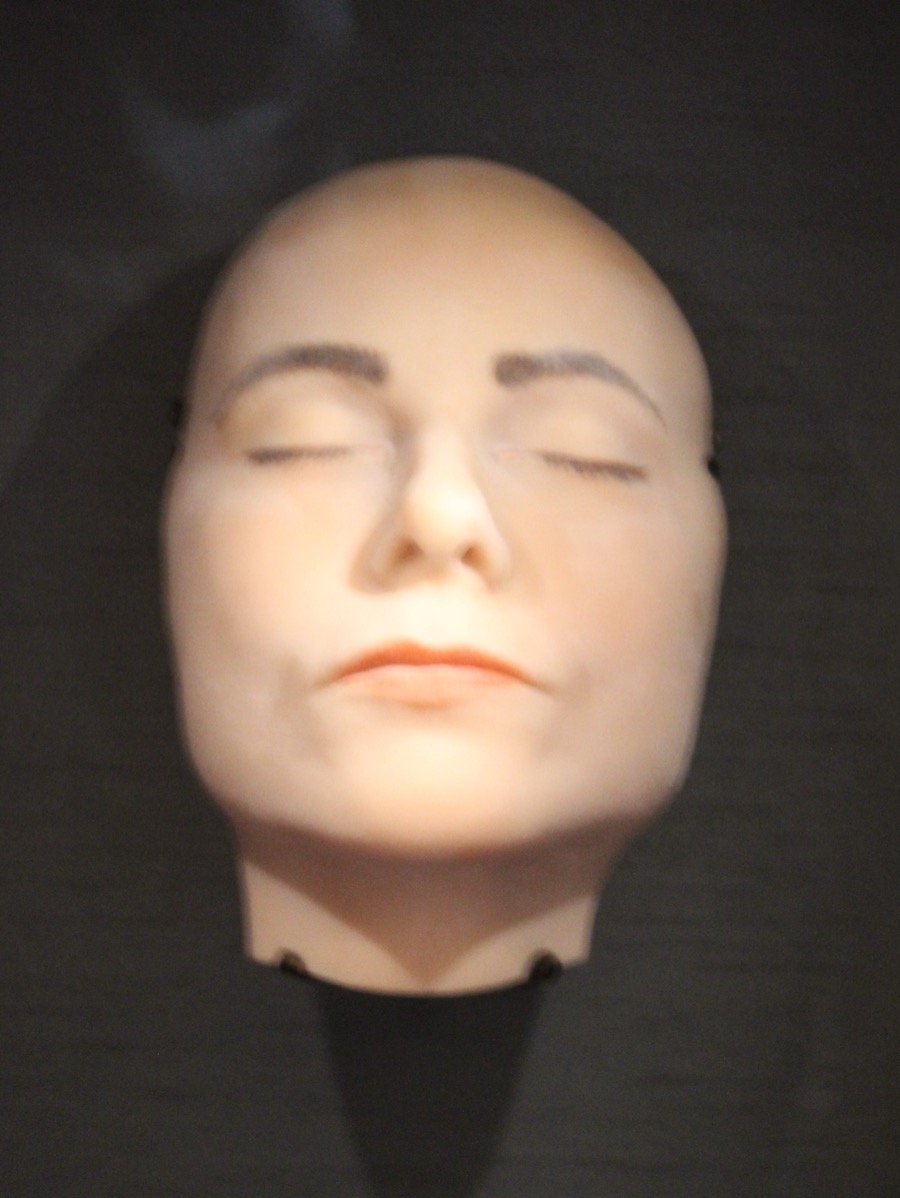
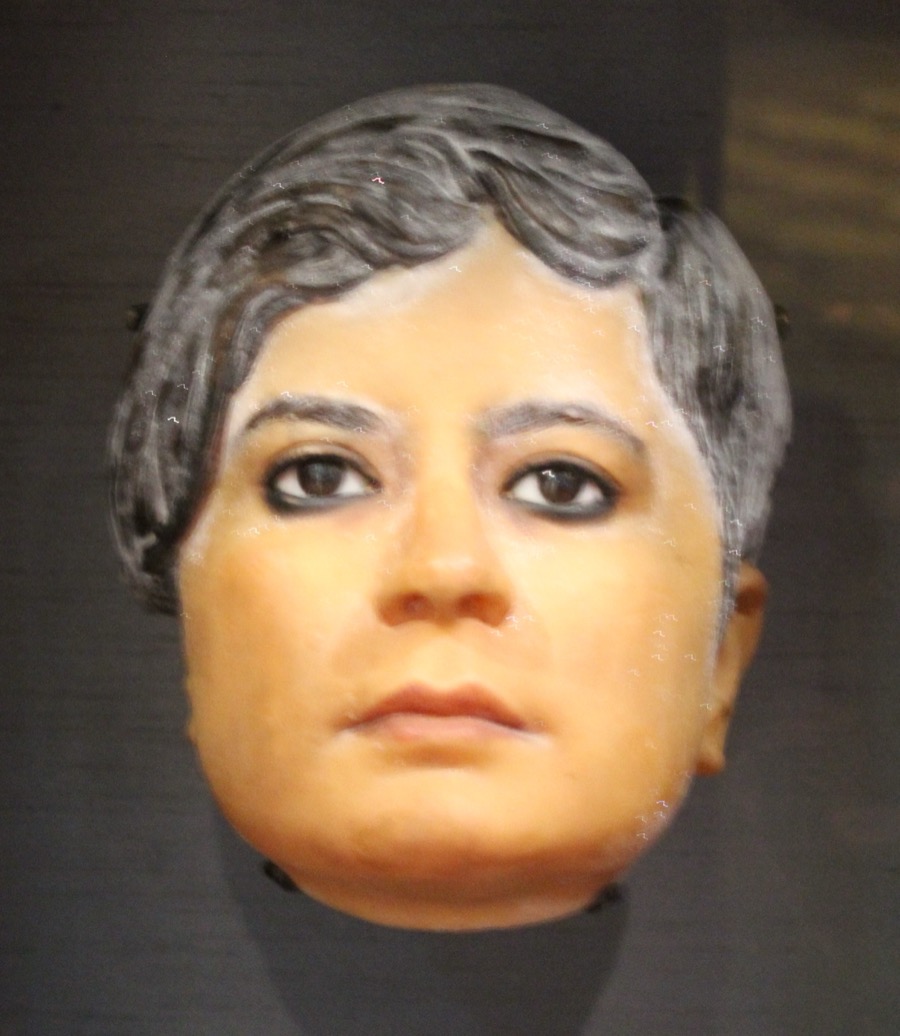
From the early 2000s onward, Wearing turned increasingly to the self-portrait and the family photograph as vehicles for exploring identity, memory, and the construction of the self. Her Album series (2003) saw her wearing hyper-realistic silicone masks modelled on photographs of her family members — her mother, father, brother, uncle, and herself at various ages — and then photographing herself in poses that echoed the original family snapshots. These works were uncanny and deeply affecting, collapsing the boundaries between self and other, past and present, in ways that raised profound questions about the nature of familial identity and the stories we inherit.
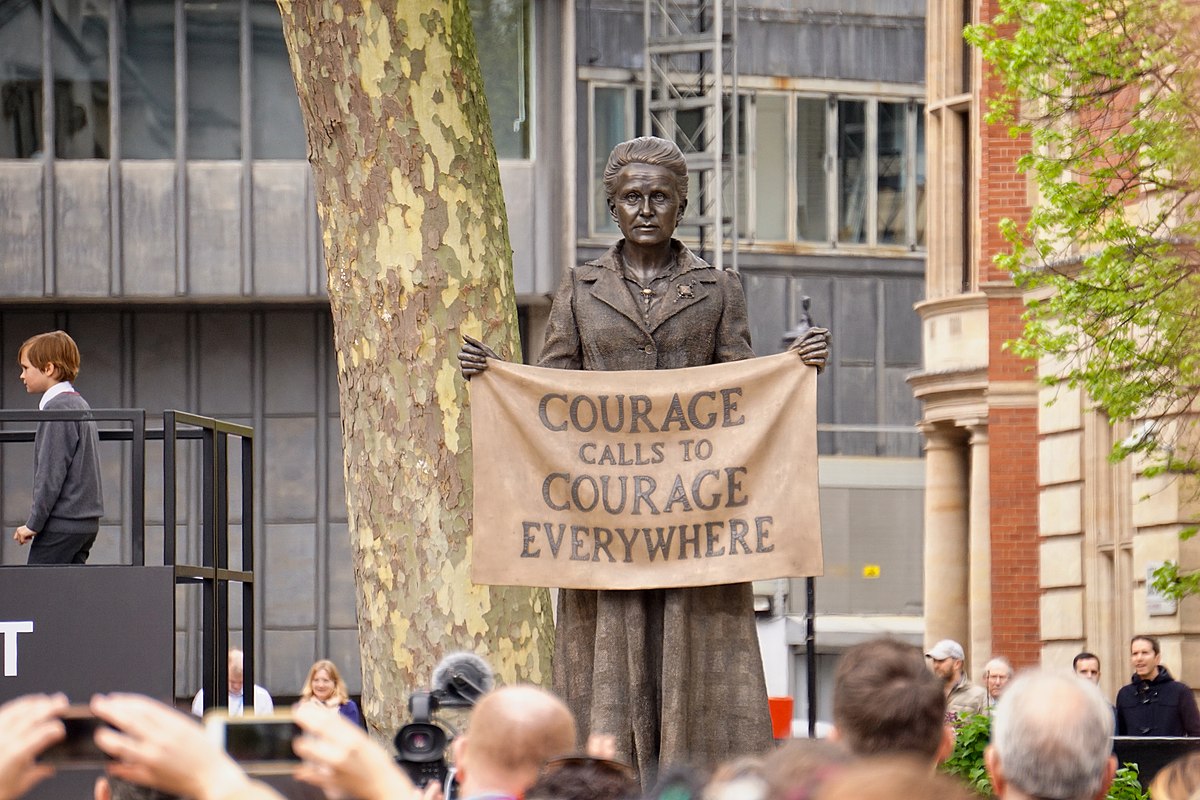
Wearing has also produced significant bodies of public sculpture, including a statue of Millicent Fawcett unveiled in Parliament Square in London in 2018 — the first statue of a woman to be erected in the square. Her sculptural work extends her photographic concerns with identity and representation into three dimensions and into the contested terrain of public memory. Throughout her career, she has demonstrated a rare ability to work across media while maintaining a consistent set of conceptual concerns — concerns that have only grown more urgent in an age of social media, digital self-presentation, and the blurring of public and private life.
Wearing was appointed OBE in 2011 and CBE in 2019 for her services to art. She continues to exhibit internationally, and her influence can be seen in the work of a generation of younger artists who have taken up her interest in the relationship between identity, confession, and the photographic image. Her work reminds us that the most revealing portraits are often those in which the subject is most deeply disguised — and that the gap between appearance and reality is where the most important human truths reside.