Gilles Peress was born in 1946 in Neuilly-sur-Seine, a suburb of Paris, and grew up in a France still haunted by the memory of occupation and collaboration. He studied political science and philosophy at the Institut d'Études Politiques de Paris and the Université de Vincennes, an intellectual formation that would profoundly shape his approach to photography. Where many photojournalists came to the profession through a love of images, Peress arrived through a compulsion to understand political violence and the structures of power that produce it. He joined Magnum Photos in 1971 and became a full member in 1974, beginning a career that would take him to virtually every major conflict zone of the late twentieth and early twenty-first centuries.
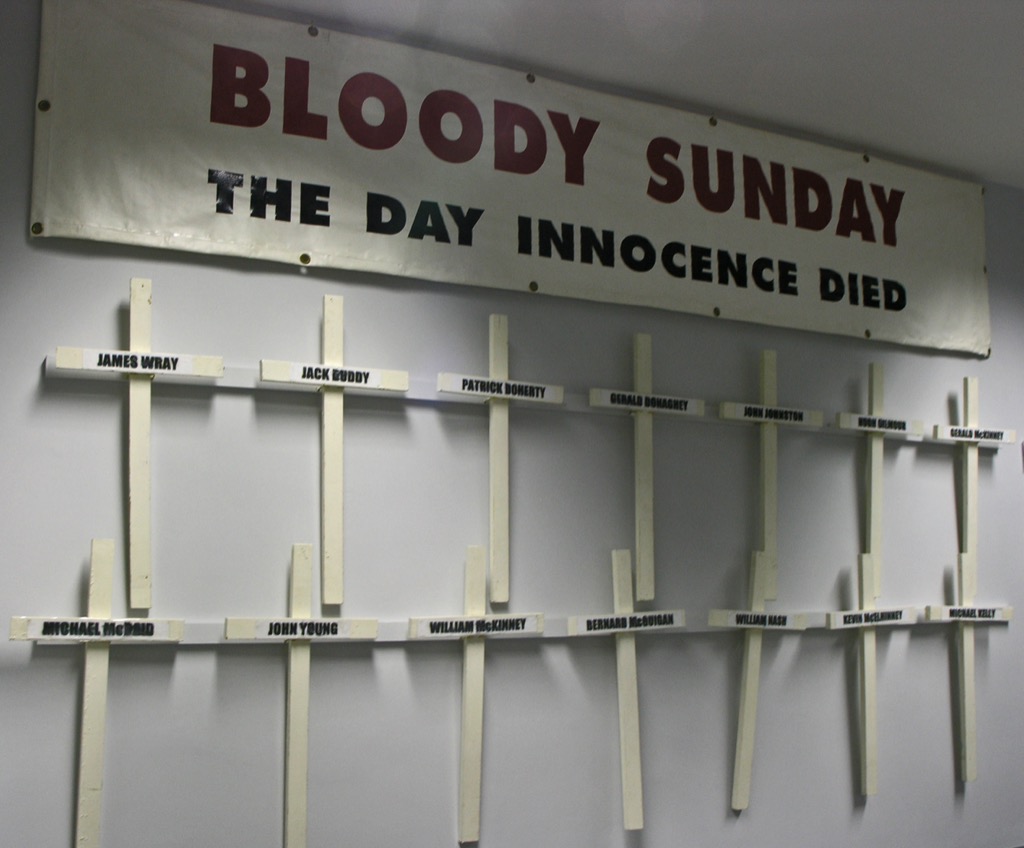
His earliest major body of work documented the Troubles in Northern Ireland, where he spent extended periods in the early 1970s photographing the sectarian violence that was tearing communities apart. His images from this period — barricades in Derry, funerals in Belfast, the aftermath of shootings and bombings — already displayed the qualities that would define his mature work: a raw, almost brutal directness, a refusal to aestheticise suffering, and a willingness to place the viewer in uncomfortable proximity to violence. Peress was not interested in the decisive moment in the Cartier-Bresson sense; he sought instead to convey the texture of crisis, the disorientation and chaos that attend political violence as it is actually experienced.
The Iranian Revolution of 1979 became the subject of one of Peress's most celebrated bodies of work, published as Telex Iran: In the Name of Revolution in 1984. The book was revolutionary in its form as much as its content. Rather than presenting a coherent narrative of the revolution, Peress structured the work as a fragmented, deliberately disorienting sequence of images that replicated the confusion and informational overload experienced by someone caught within the unfolding events. The book included contact sheets, telexes, and other raw documentary material alongside the finished photographs, breaking down the conventional barrier between the polished editorial image and the messy reality of its making.
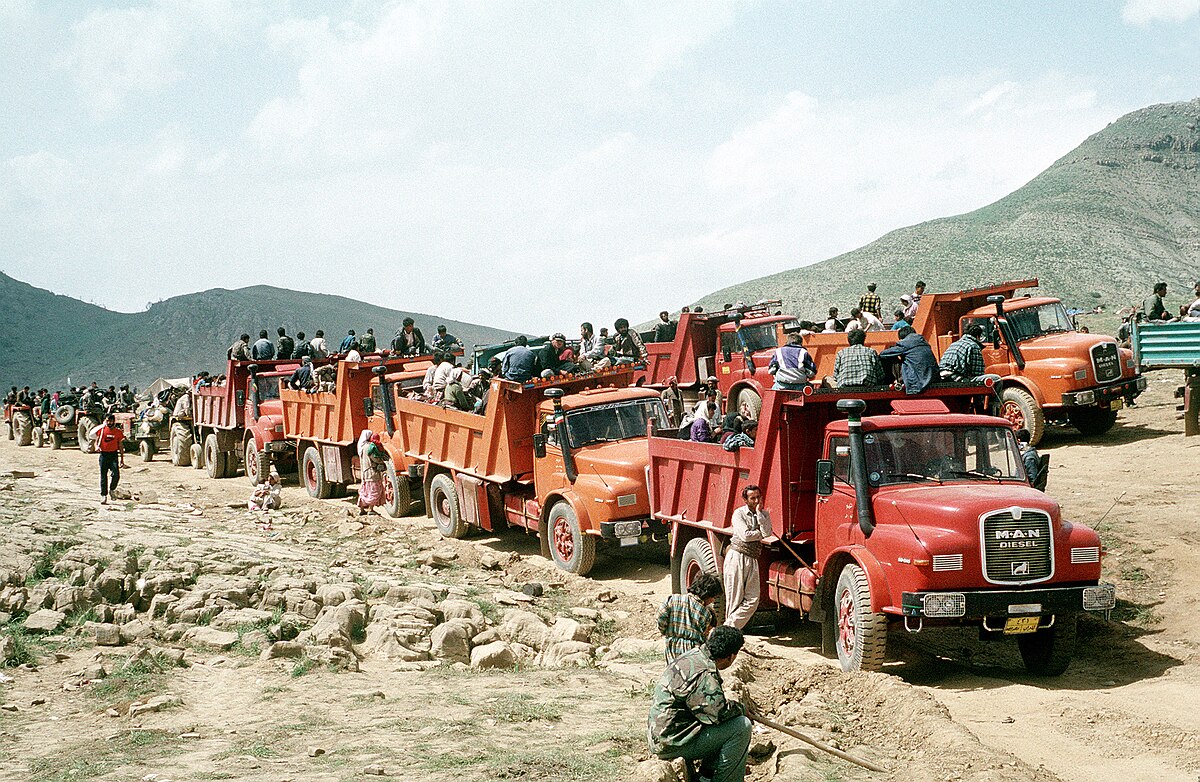
Throughout the 1980s and into the 1990s, Peress continued to document conflict with an intensity that few photographers could sustain. He worked in Lebanon, in the Kurdish regions of Iraq, in the former Yugoslavia during the wars that accompanied its dissolution. His approach evolved during this period, becoming more systematic and more explicitly concerned with the evidentiary function of photography. He began to think of his work not merely as journalism or art but as a form of testimony — a record that might serve future historians, tribunals, and processes of accountability.
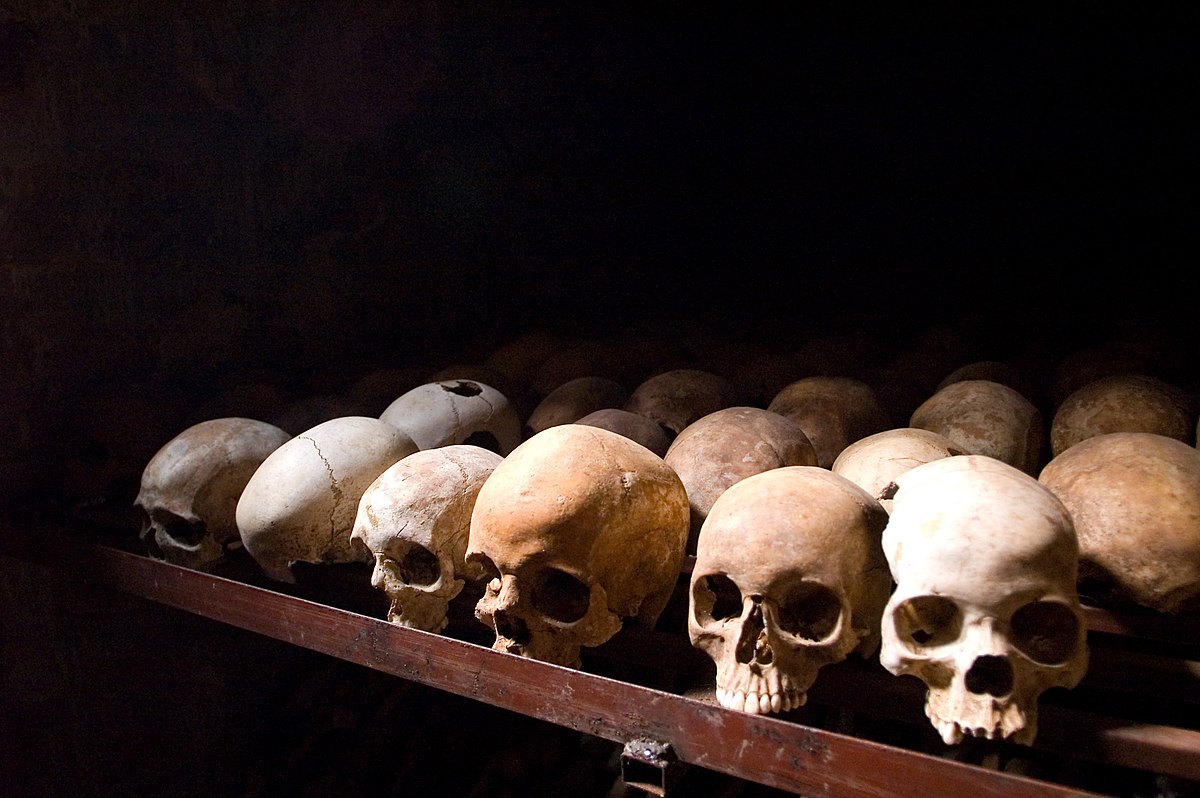
The Rwandan genocide of 1994 marked a turning point in Peress's career and, arguably, in the history of conflict photography. He arrived in Rwanda shortly after the worst of the killing and documented the aftermath with a directness that remains almost unbearable to view. The resulting book, The Silence, published in 1995, contained some of the most graphic images of mass violence ever published. Peress made no apology for the brutality of these photographs; he argued that to look away, to soften or aestheticise the evidence, would be to collaborate in the silence that had allowed the genocide to proceed while the world watched. The book remains one of the most important and most contested works in the history of documentary photography.
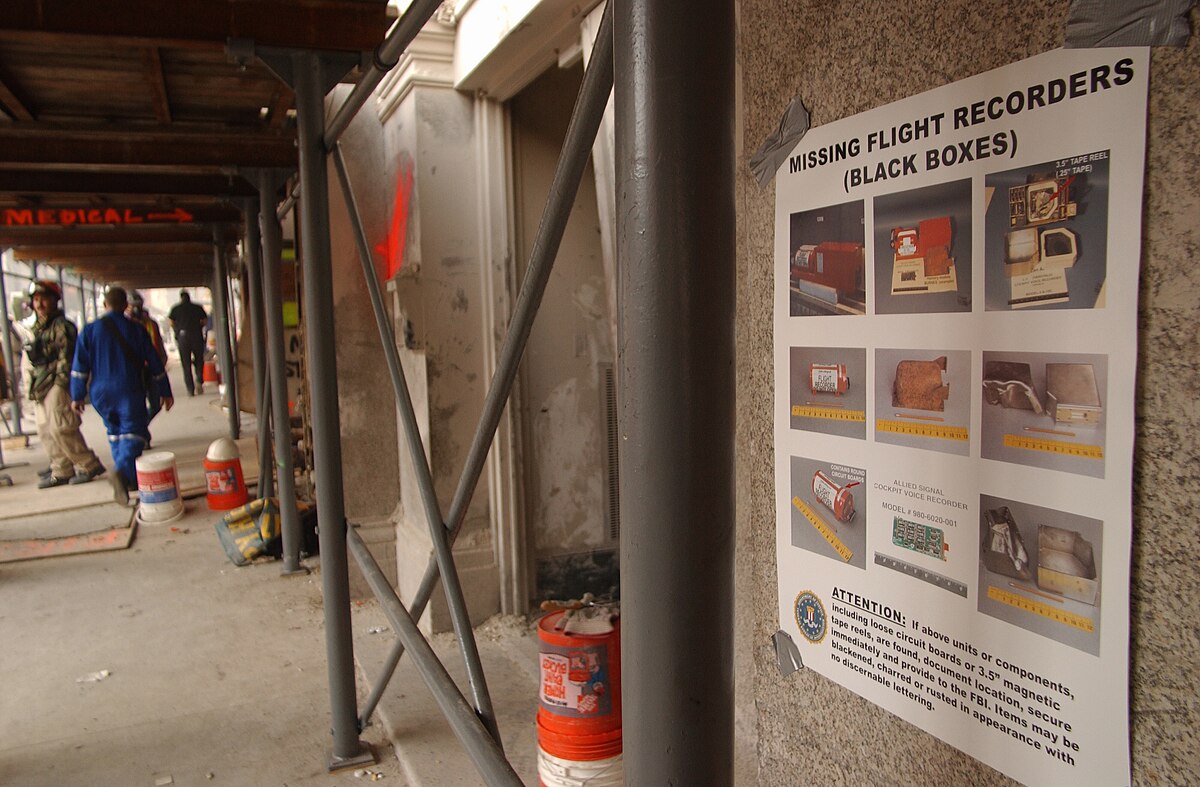
In the years that followed, Peress became increasingly interested in the intersection of photography, technology, and human rights documentation. He collaborated with the International Center of Photography and various human rights organisations on projects that used photography as forensic evidence, and he was an early pioneer in exploring digital archiving and database-driven approaches to photographic documentation. His work at Ground Zero in the immediate aftermath of the September 11 attacks extended these concerns into a new context, as he sought to document the site with the same forensic attention he had brought to mass graves in Bosnia and Rwanda.
Peress has held teaching positions at Bard College and the Human Rights Center at the University of California, Berkeley, where his influence on younger generations of documentary photographers and human rights investigators has been substantial. His insistence that photography must serve not just aesthetic or journalistic purposes but also the demands of justice and historical accountability has helped reshape the way conflict photography is understood and practised. He remains a challenging, uncompromising figure — a photographer who has spent more than five decades forcing the world to look at what it would prefer not to see.