Frederick Sommer was born in 1905 in Angri, a small town near Naples in southern Italy. His father was a Swiss-German landscape architect, and the family moved frequently during Sommer's childhood, living in Italy, Brazil, and eventually the United States. This itinerant upbringing gave him an unusually cosmopolitan perspective and a fluency in multiple languages and cultural traditions that would inform his polymathic artistic practice. He studied landscape architecture at Cornell University, graduating in 1927, and initially pursued a career in his father's profession before a diagnosis of tuberculosis in 1930 compelled him to seek the dry climate of the American Southwest.
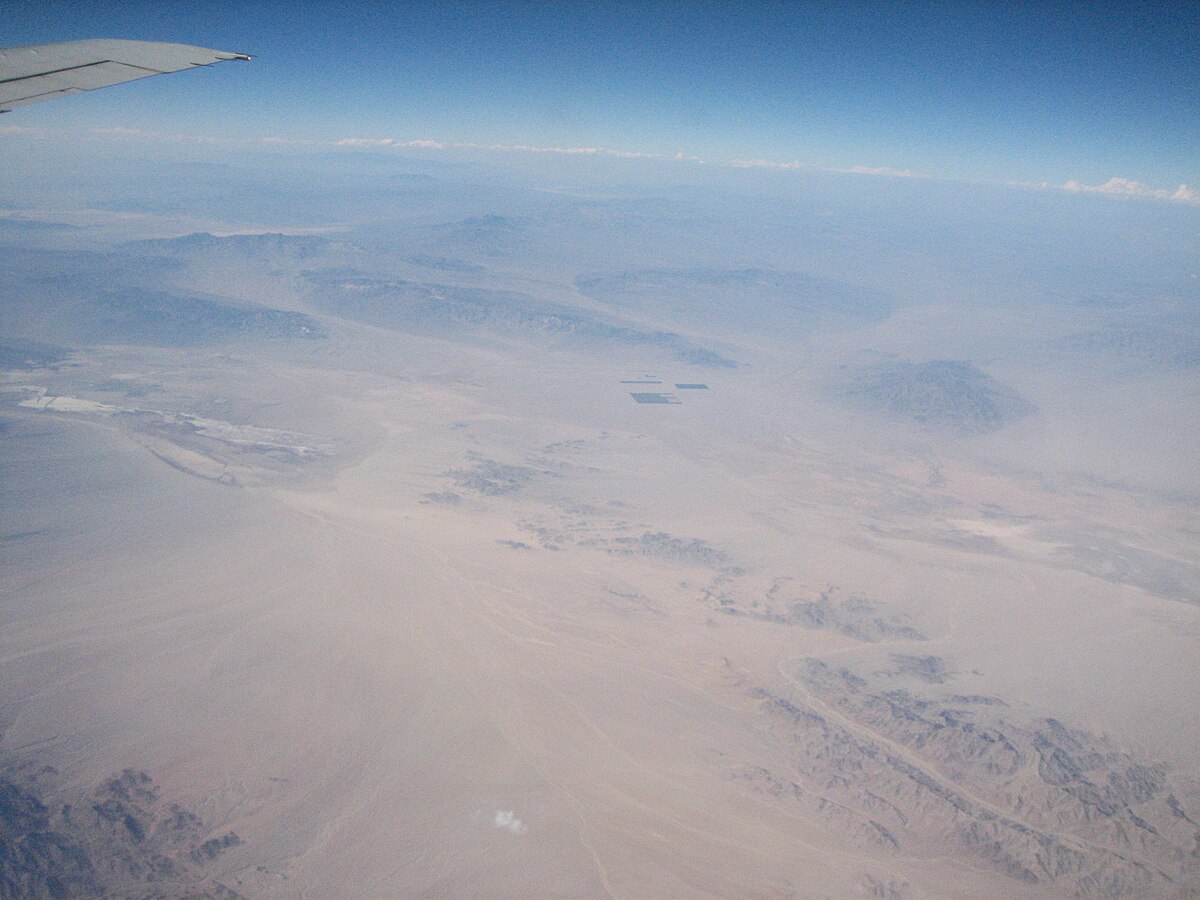
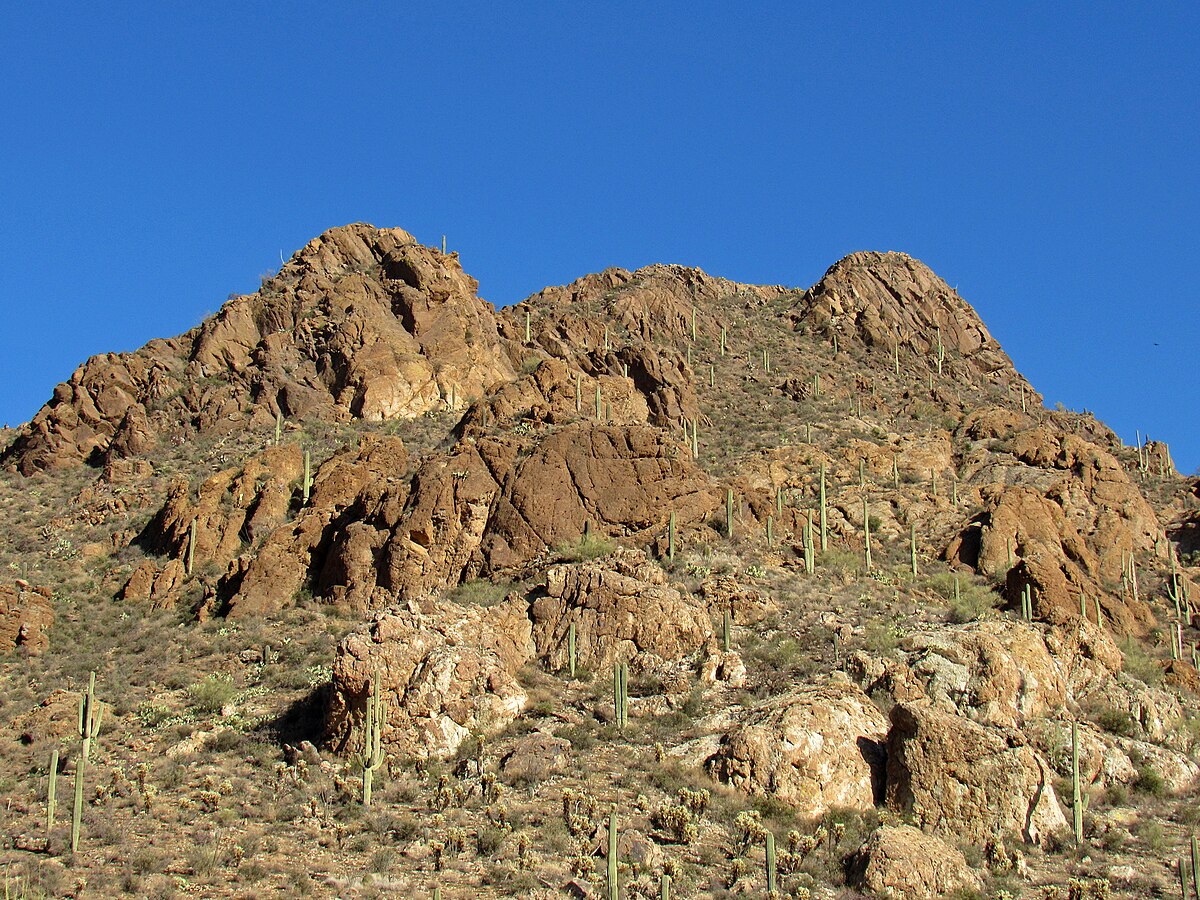
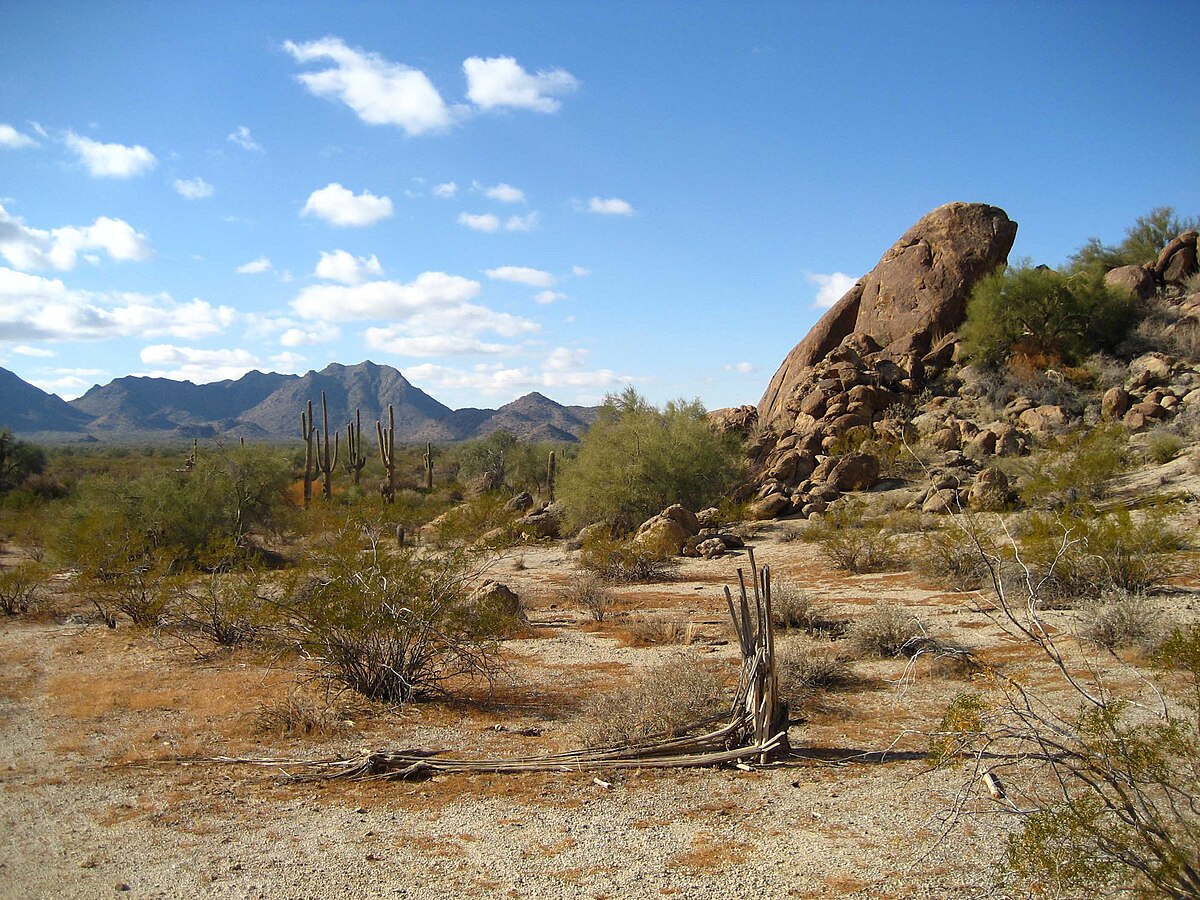
He settled in Prescott, Arizona, a small mountain town surrounded by high desert, and it was there, in the stark landscape of the Sonoran region, that he discovered photography. The desert became his primary subject and his metaphysical laboratory. His earliest photographs of the Arizona terrain, made in the late 1930s, were unlike any landscape photographs being produced at the time. Where Ansel Adams and the Group f/64 photographers sought grandeur, clarity, and the celebration of pristine wilderness, Sommer was drawn to the desert's most disturbing qualities: its desiccated animal carcasses, its tangled undergrowth, its horizonless expanses of scrub that dissolved the distinction between figure and ground.
The desert landscape photographs of the early 1940s are among Sommer's most celebrated and most challenging works. Shot with an 8x10 view camera, they present expanses of desert terrain with an almost hallucinatory density of detail. There is no focal point, no centre of interest, no conventional compositional structure — the eye wanders across a field of thorns, rocks, dead vegetation, and bare earth that extends to every edge of the frame without hierarchy or resolution. These photographs are often described as all-over compositions, anticipating by several years the allover canvases of Jackson Pollock and the Abstract Expressionists.
Alongside the landscapes, Sommer produced a deeply unsettling series of photographs of dead animals found in the desert — coyotes, jackrabbits, and chickens in various states of desiccation and decomposition. These images, made with the same exquisite tonal precision that characterised his landscape work, were profoundly influenced by Surrealism, and they brought Sommer into contact with the European Surrealist émigrés who had fled to America during the Second World War. He became a close friend of Max Ernst, whom he photographed and with whom he shared a fascination with the irrational, the uncanny, and the creative possibilities of chance.
Sommer's engagement with Surrealism extended far beyond subject matter. Throughout the 1940s and 1950s, he experimented with a remarkable range of photographic and non-photographic techniques: cameraless photographs made by depositing smoke and grease on glass plates and printing them as negatives; cut-paper compositions that he assembled from torn and recombined images and then photographed; musical scores composed according to systems derived from his philosophical and mathematical interests; and paintings that explored the same visual territories as his photographs. He was, in the truest sense, a polymath whose practice could not be contained within any single medium or discipline.
His philosophical interests were wide-ranging and deeply held. He was an avid reader of Ezra Pound, Buckminster Fuller, and the writings of the medieval alchemists and natural philosophers, and he brought to his art-making a conviction that the visual, the verbal, and the mathematical were all expressions of a single underlying order. His conversations with fellow artists and students — he taught at the Prescott College and was a visiting lecturer at numerous institutions — were legendary for their intellectual breadth and intensity, ranging across philosophy, music, science, and aesthetics with an energy that could be as bewildering as it was inspiring.
Despite his relative geographic isolation in Prescott, Sommer maintained connections with the broader art world throughout his career. His work was championed by Edward Steichen, who included his photographs in exhibitions at the Museum of Modern Art, and by Aaron Siskind, who recognised in Sommer's practice a kindred commitment to the expressive possibilities of photographic abstraction. He also formed a significant friendship with the young Emmet Gowin, who visited Sommer in Prescott and was profoundly influenced by the older artist's philosophical approach to image-making.
Frederick Sommer died in Prescott in 1999 at the age of ninety-three. His legacy is that of a singular, unclassifiable artist who operated at the margins of the photographic mainstream but whose ideas and images have exerted a quiet, persistent influence on photographers who seek in the medium something more than documentation or formal beauty. He showed that photography could be an instrument of philosophical inquiry, a means of investigating the deepest questions about order and chaos, life and death, the visible and the hidden, and the mysterious relationship between the world we see and the world we know.