Frank Gohlke was born in 1942 in Wichita Falls, Texas, a small city on the edge of the Great Plains whose flat, windswept terrain and sparse, functional architecture would become the foundational landscape of his artistic imagination. He grew up amid the grain elevators, oil derricks, and wide horizons of North Texas, absorbing a sense of place that would inform his photography throughout his career. He attended the University of Texas at Austin, where he studied English literature and developed the intellectual rigour and attentiveness to language that would distinguish his photographic practice and his writing about landscape.
After completing a Master's degree in English at Yale University, Gohlke studied photography with Paul Caponigro in the late 1960s, learning the craft of large-format landscape photography in the tradition of Minor White and Edward Weston. But Gohlke's sensibility was different from the transcendentalist approach of his teachers. Where they sought the sublime and the spiritual in nature, Gohlke was drawn to the mundane, the vernacular, and the humanly modified — the places where nature and civilisation meet, overlap, and negotiate their boundaries.
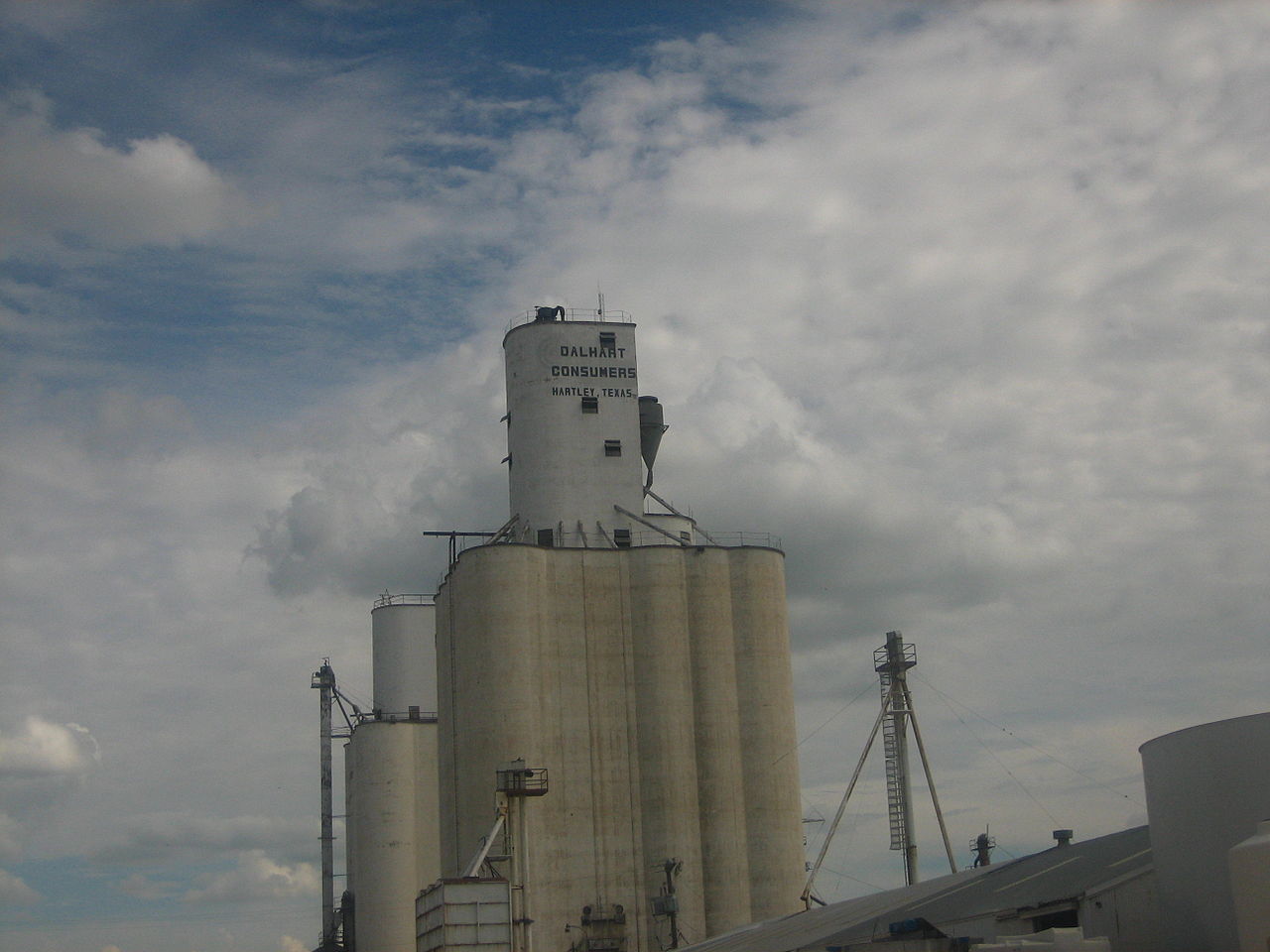
His earliest significant body of work documented the grain elevators of the American Midwest, those massive concrete structures that rose from the flat plains like secular cathedrals, monuments to the agricultural economy that sustained the region. Gohlke photographed them with a quiet formalism that honoured their monumental presence while situating them within the broader landscape of small-town America — alongside the housing developments, railroad tracks, and vacant lots that constituted the everyday environment of the Plains. These photographs brought him to the attention of the curators organising the landmark 1975 exhibition New Topographics: Photographs of a Man-Altered Landscape.
The New Topographics exhibition at the International Museum of Photography in Rochester, New York, became one of the most influential events in the history of landscape photography. Alongside Robert Adams, Lewis Baltz, Stephen Shore, Nicholas Nixon, and the Bechers, Gohlke presented work that rejected the traditional romantic approach to landscape in favour of a cooler, more analytical gaze directed at the ordinary, the suburban, and the industrially altered. The exhibition announced a fundamental shift in how photographers understood their relationship to the land, and Gohlke was central to that transformation.
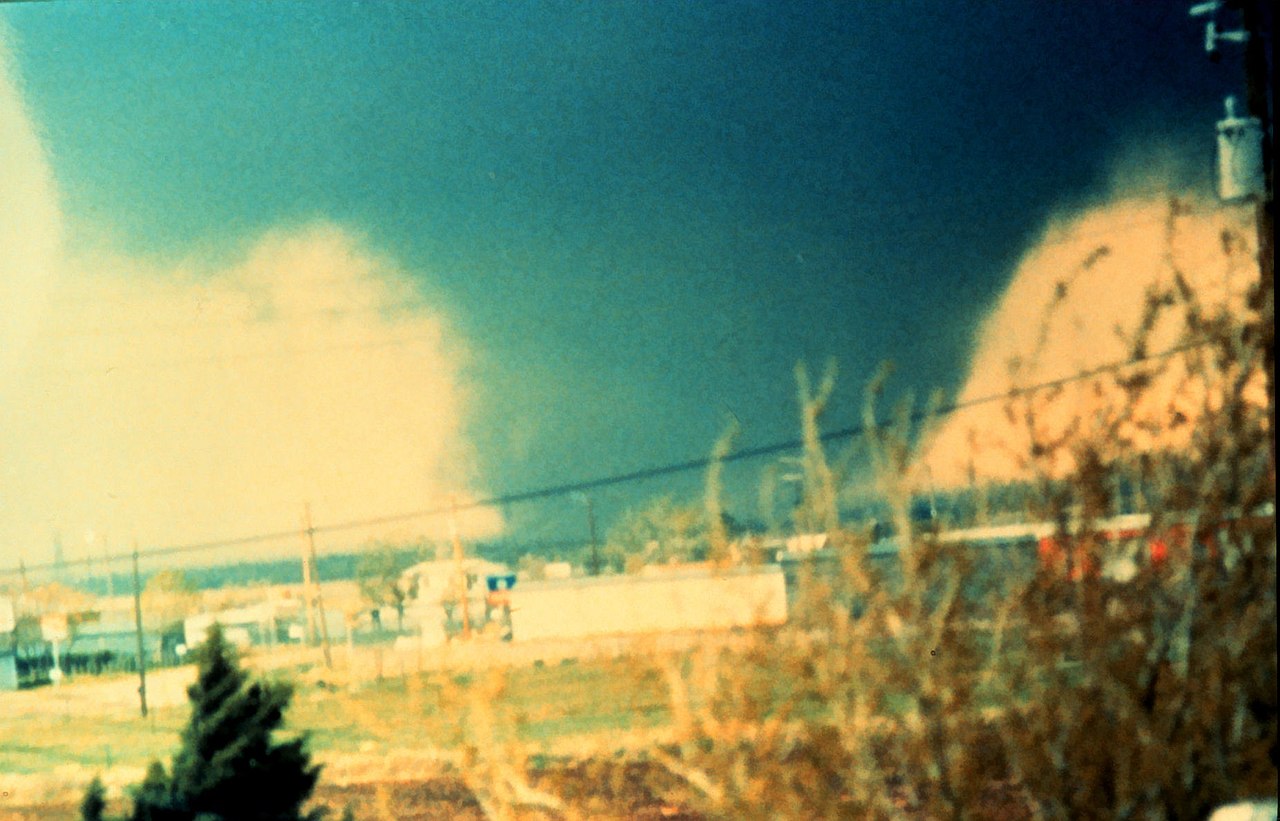
On April 10, 1979, a devastating tornado struck Wichita Falls, Gohlke's hometown, killing forty-two people and destroying thousands of buildings. Gohlke returned to photograph the aftermath, producing a body of work that would become one of his most significant achievements. The tornado photographs documented the destruction with a clarity and composure that refused to sensationalise the disaster, instead bearing witness to the strange, disorienting beauty of a familiar landscape violently rearranged. Houses were reduced to scattered debris; trees were stripped bare or uprooted entirely; the ordinary geography of streets and neighbourhoods was rendered unrecognisable. Gohlke returned repeatedly over the following years, documenting the process of rebuilding and the gradual reassertion of normality.
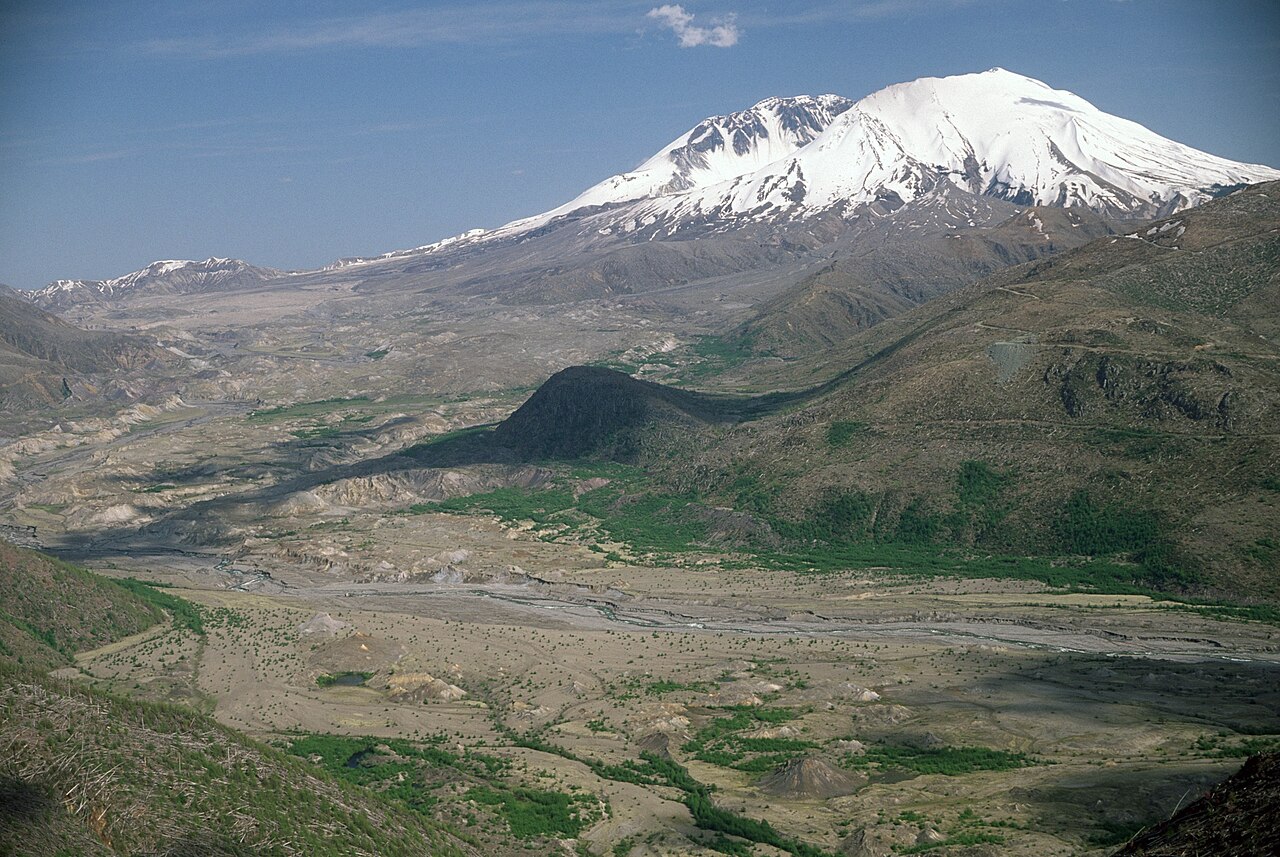
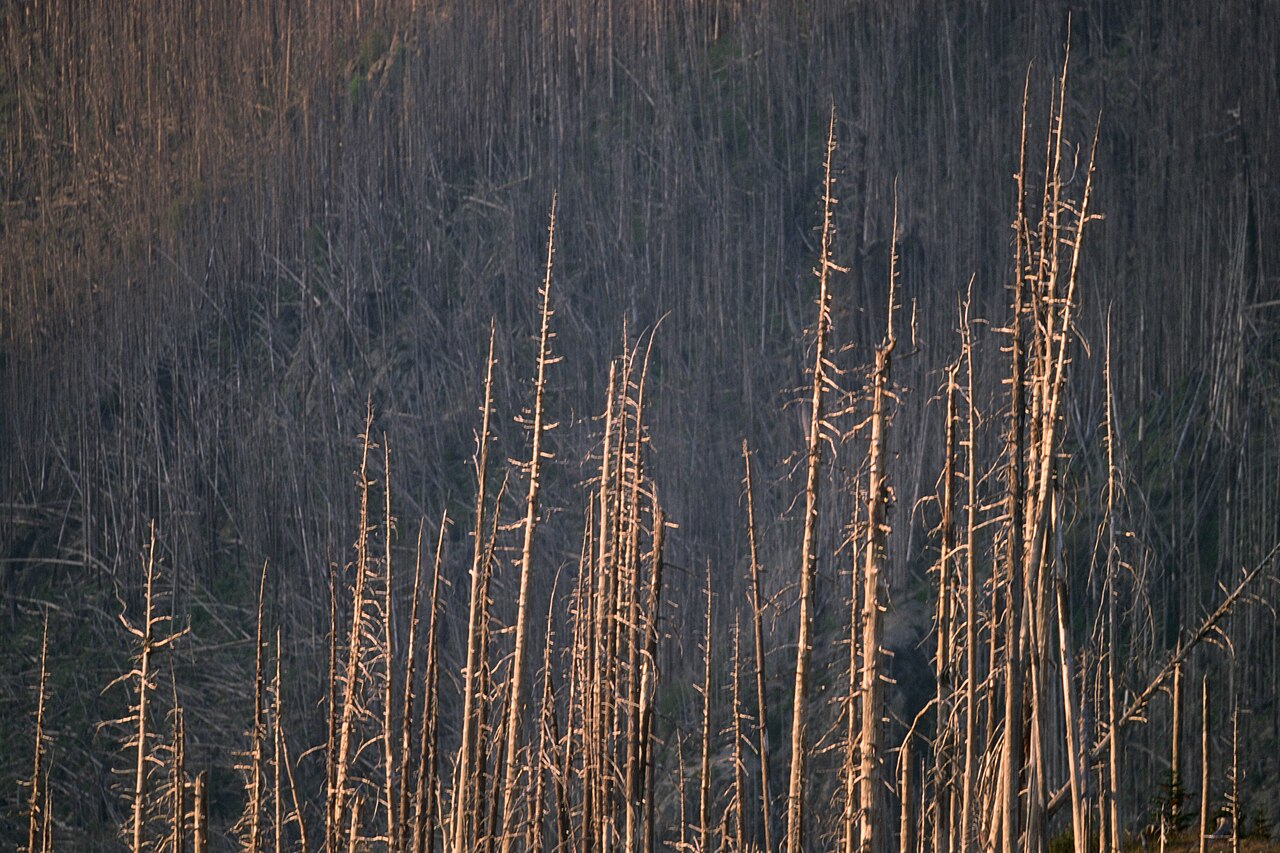
The tornado work led directly to Gohlke's next major project: a sustained photographic study of Mount St. Helens in Washington State, which had erupted catastrophically in May 1980. Beginning in 1981, Gohlke made repeated visits to the blast zone, photographing the devastated landscape and its gradual recovery over a period of years. The Mount St. Helens photographs extended the themes of the tornado work into a geological register, exploring the relationship between destruction and renewal, the resilience of natural systems, and the humbling insignificance of human constructions in the face of natural forces.
Throughout his career, Gohlke was also a thoughtful and articulate writer about photography and landscape. His essays, collected in Measure of Emptiness: Grain Elevators in the American Landscape (1992) and other publications, brought a literary intelligence to questions of place, perception, and the photographer's relationship to the terrain he inhabits. He taught at a number of institutions, including the Massachusetts College of Art and Yale University, and his influence on younger photographers was substantial, particularly those working in the tradition of contemplative landscape photography.
Frank Gohlke died in 2023 in Southborough, Massachusetts. His legacy resides in a body of work that demonstrated how the quietest, most unassuming landscapes could yield photographs of profound beauty and meaning. He showed that the photographer's task was not to seek out the spectacular but to look more carefully at what was already there — to find in the grain elevator, the tornado scar, and the regenerating forest the evidence of forces, both human and natural, that shape the world we live in.