Fazal Sheikh was born in New York City in 1965 to a Kenyan father of South Asian descent and a Swiss-American mother. This multicultural heritage instilled in him from the beginning an awareness of the complexity of belonging and displacement, themes that would come to define his life's work. He studied at Princeton University, where he began to develop both his photographic practice and his engagement with questions of social justice, human rights, and the experience of those who have been pushed to the margins of political and economic power.
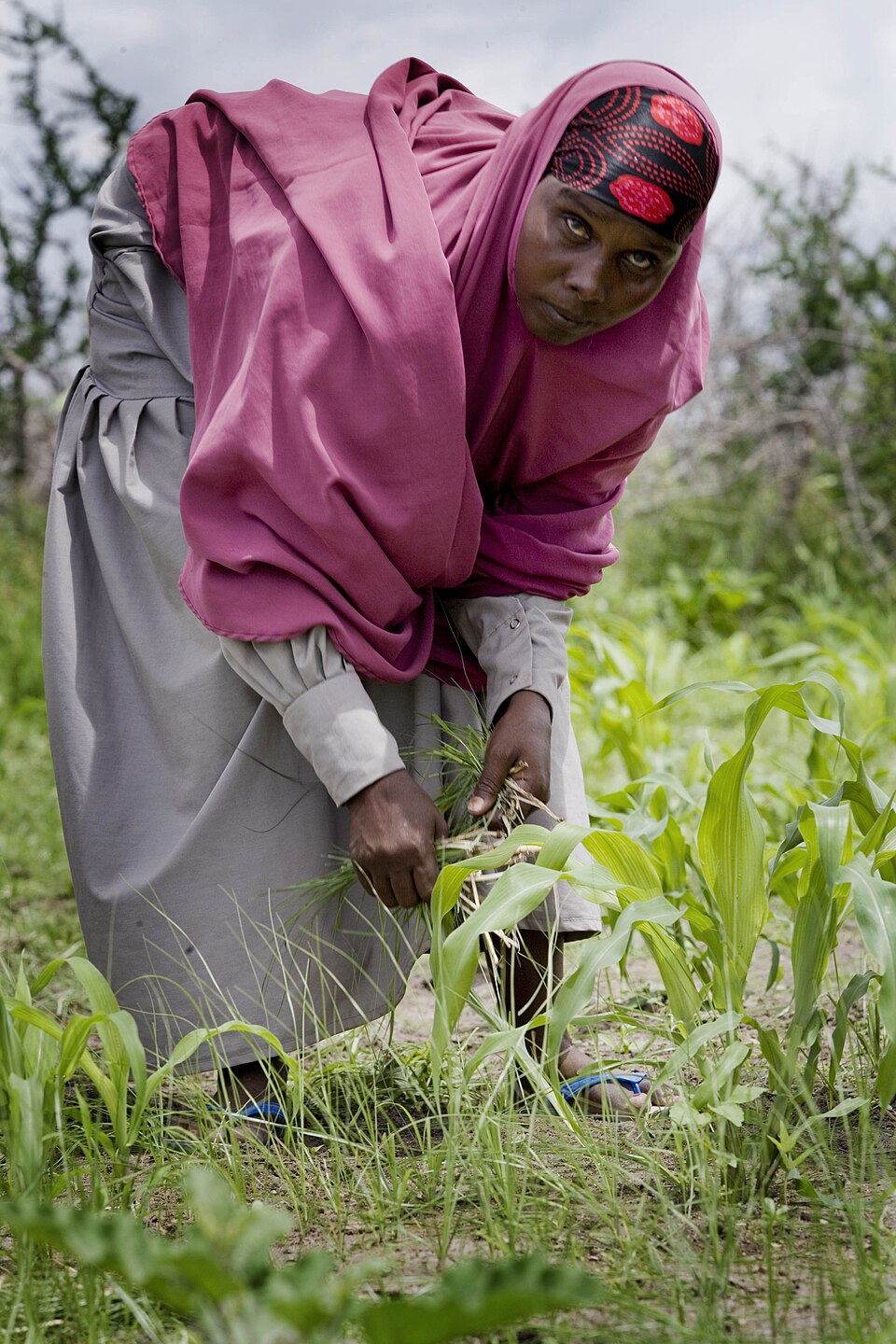
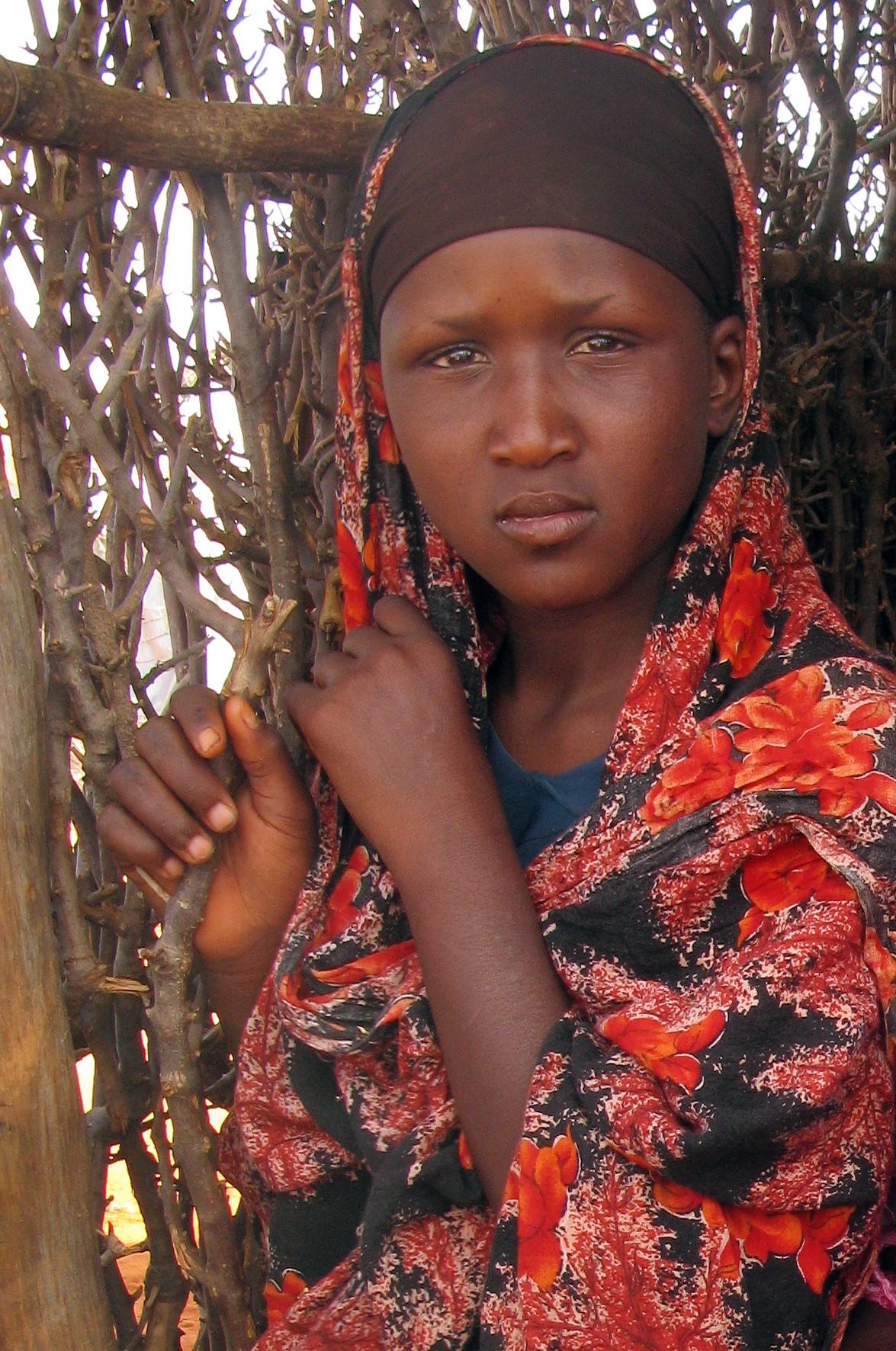
After graduating from Princeton, Sheikh embarked on the first of what would become a series of extended photographic projects among displaced communities in East Africa. Working in refugee camps in Kenya, Tanzania, and Malawi throughout the early 1990s, he produced portraits of Somali, Ethiopian, Sudanese, and Mozambican refugees with a quiet intimacy that set his work apart from the conventions of humanitarian photography. Where the dominant visual language of refugee coverage relied on wide-angle images of crowded camps, emaciated bodies, and anonymous suffering, Sheikh chose to work with a medium-format camera, making carefully composed portraits that gave each subject the time, space, and visual dignity of a studio sitting.
The resulting book, A Sense of Common Ground (1996), established the method and moral framework that would guide all of Sheikh's subsequent work. Each portrait was accompanied by the subject's own testimony, recorded and transcribed by Sheikh over long periods of conversation. The photographs and texts together created a form of collaborative witness in which the displaced person was not merely an object of the camera's gaze but an active participant in the construction of their own narrative. This commitment to reciprocity — to the idea that photography could be an exchange rather than an extraction — became the ethical foundation of Sheikh's practice.
In 1997, Sheikh travelled to Afghanistan and Pakistan to photograph Afghan refugees and the survivors of two decades of war. The resulting work, The Victor Weeps (1998), deepened his exploration of displacement while expanding his visual vocabulary to include landscapes and details of material culture alongside his signature portraits. The images of Afghan women, many photographed in the relative privacy of tent interiors, possessed a tenderness and formal beauty that challenged stereotypical representations of Muslim women in Western media without sentimentalising or romanticising their circumstances.
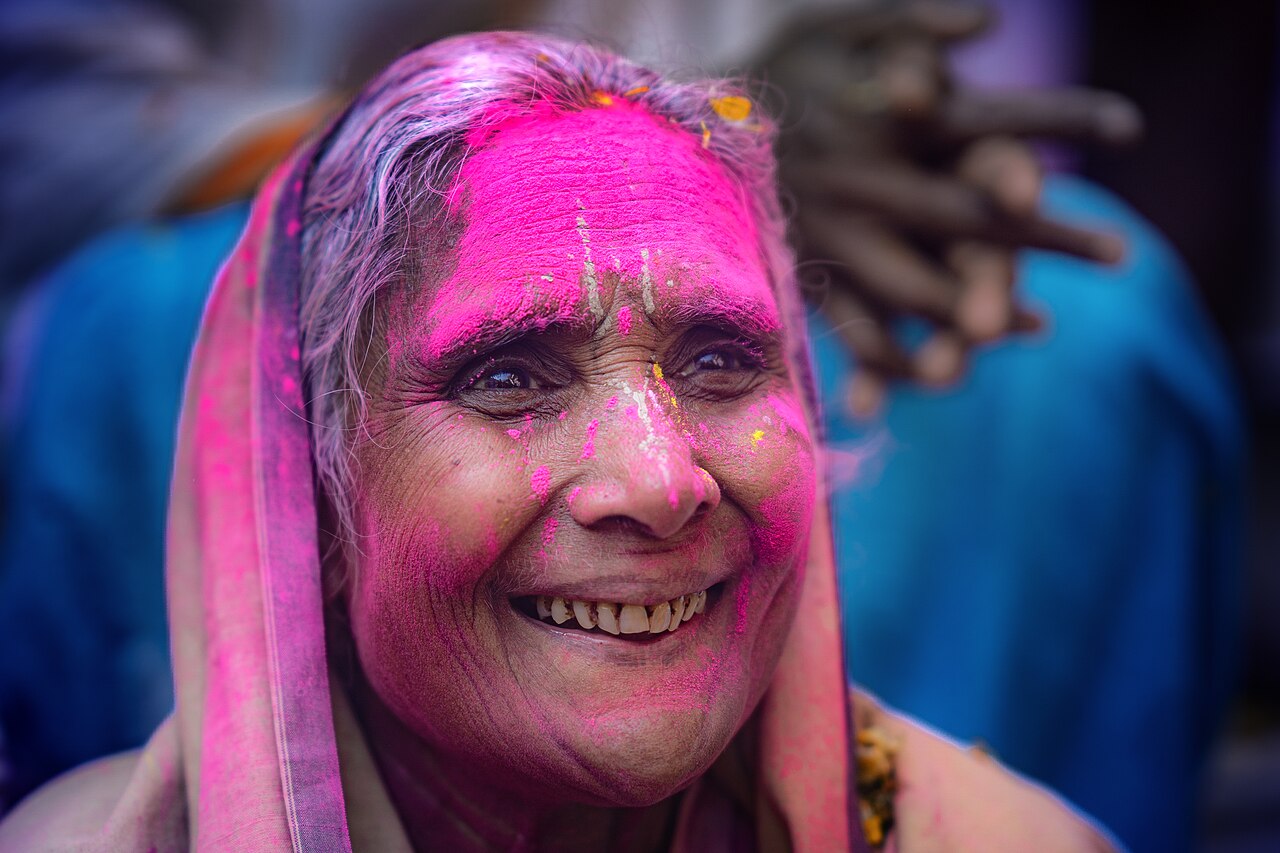
Sheikh's subsequent projects extended his geographical and thematic range while maintaining the same ethical commitments. A Camel for the Son (2001) documented the lives of displaced Sudanese communities. Moksha (2005) explored the experiences of Hindu widows in the sacred city of Vrindavan, India, women who had been abandoned by their families and lived in conditions of extreme poverty. Ladli (2007) addressed the plight of women and girls in India who had been trafficked, abandoned, or exploited. In each project, Sheikh combined portraiture, landscape, and testimony to create richly layered narratives that honoured the complexity of individual experience within broader structures of injustice.
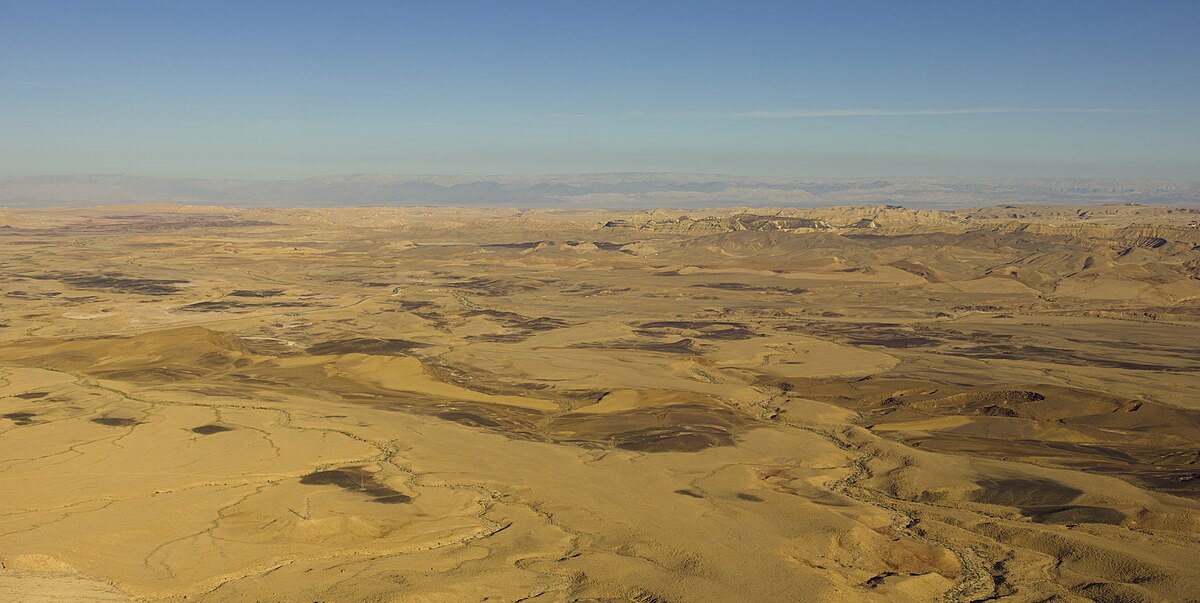
A significant evolution in Sheikh's practice came with his collaboration with the Israeli architect Eyal Weizman on the project The Conflict Shoreline (2015), which examined the displacement of Bedouin communities in the Negev desert. Here Sheikh expanded beyond portraiture into aerial photography, using images taken from above to reveal the physical traces of demolition, dispossession, and environmental transformation inscribed upon the landscape itself. The aerial perspective allowed Sheikh to address questions of territory, sovereignty, and erasure at a scale that complemented his earlier intimate work, connecting individual stories to the larger geopolitical forces that shaped them.
Throughout his career, Sheikh has been the recipient of numerous honours, including a MacArthur Fellowship in 2005, often referred to colloquially as the genius grant, which recognised the originality, ethical rigour, and artistic achievement of his work. He has exhibited widely at institutions including the Tate Modern, the Metropolitan Museum of Art, and the Fondazione Forma in Milan. His books, published through his own imprint and in collaboration with major publishers, are themselves works of exceptional care, designed to honour the subjects they contain.
Fazal Sheikh's contribution to contemporary photography lies not only in the beauty and power of his individual images but in his insistence that the photographic act carries profound ethical responsibilities. His work demonstrates that it is possible to make photographs of suffering and dispossession that are neither exploitative nor sentimental, that honour the agency and individuality of their subjects, and that serve as instruments of witness, memory, and justice. In an era of accelerating displacement and humanitarian crisis, his example remains as urgent as ever.