Ed van der Elsken was born in 1925 in Amsterdam, into a middle-class family that offered little encouragement for artistic ambitions. He studied sculpture briefly at the city's academy of art before turning to photography, a medium that suited his restless, confrontational temperament far better than the slow deliberation of working in three dimensions. In 1950, he moved to Paris, drawn by the magnetic pull that the city exerted on young artists throughout post-war Europe, and it was there, in the jazz cellars and cafés of Saint-Germain-des-Prés, that he found his subject and his voice.
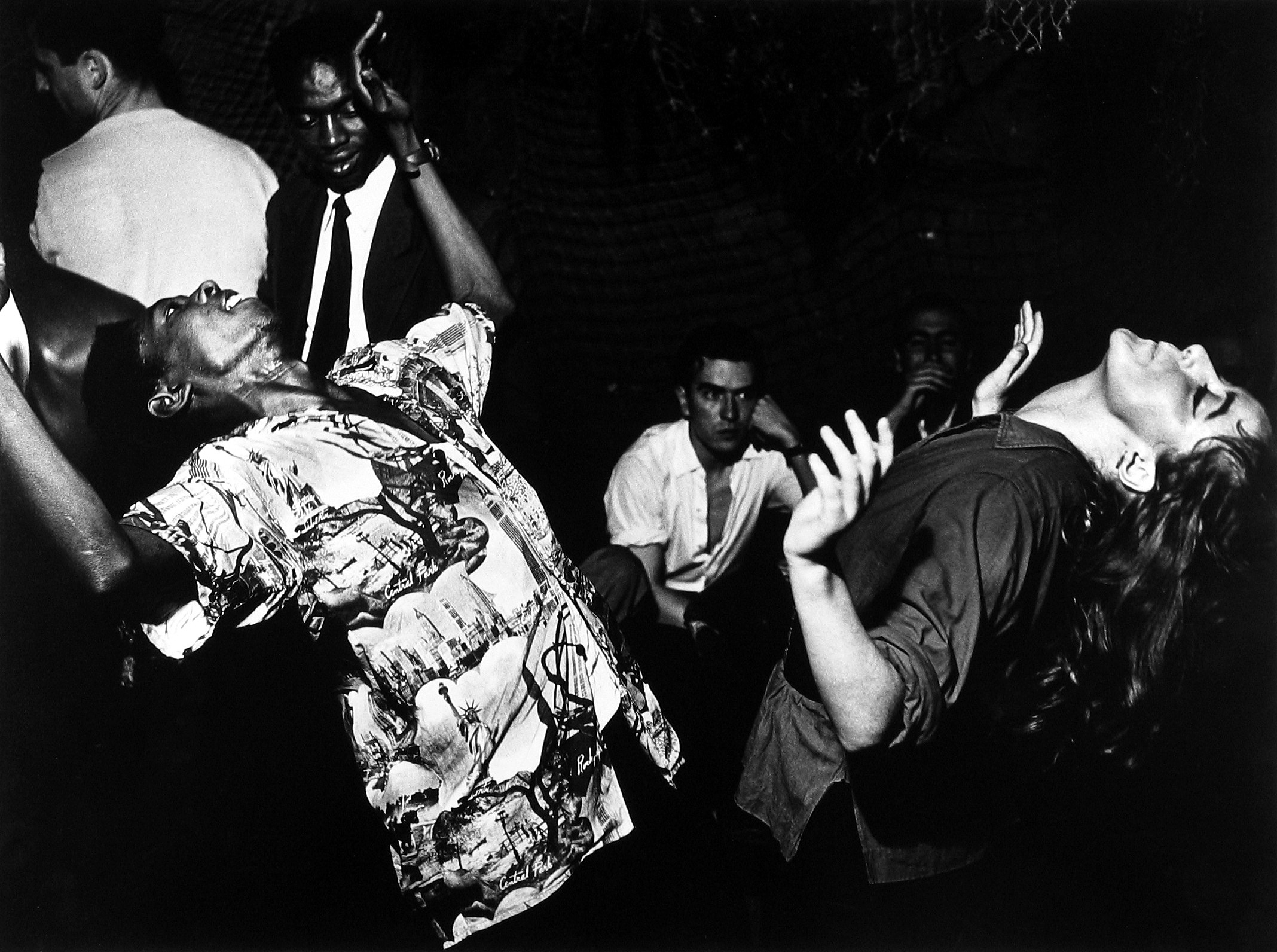
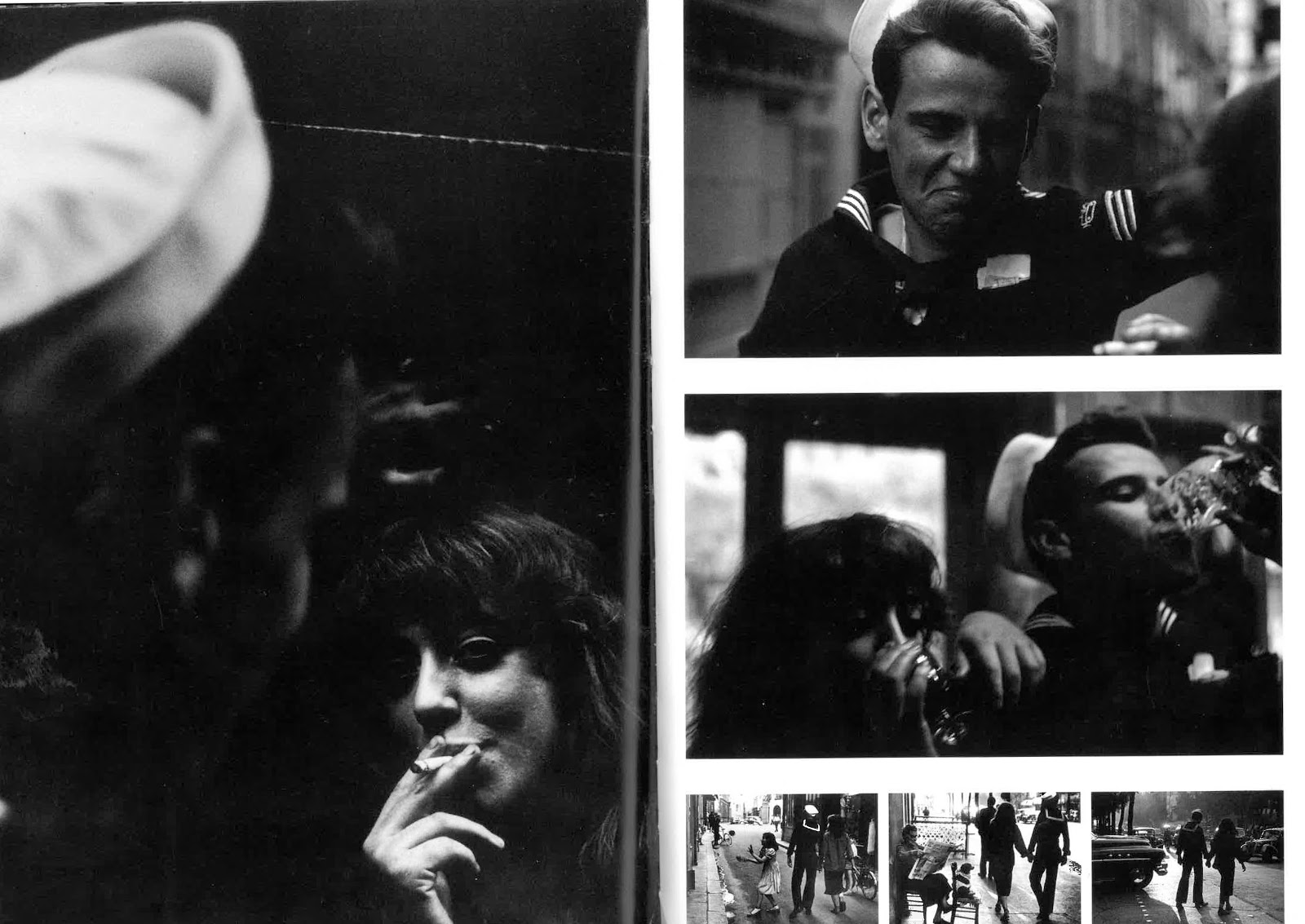
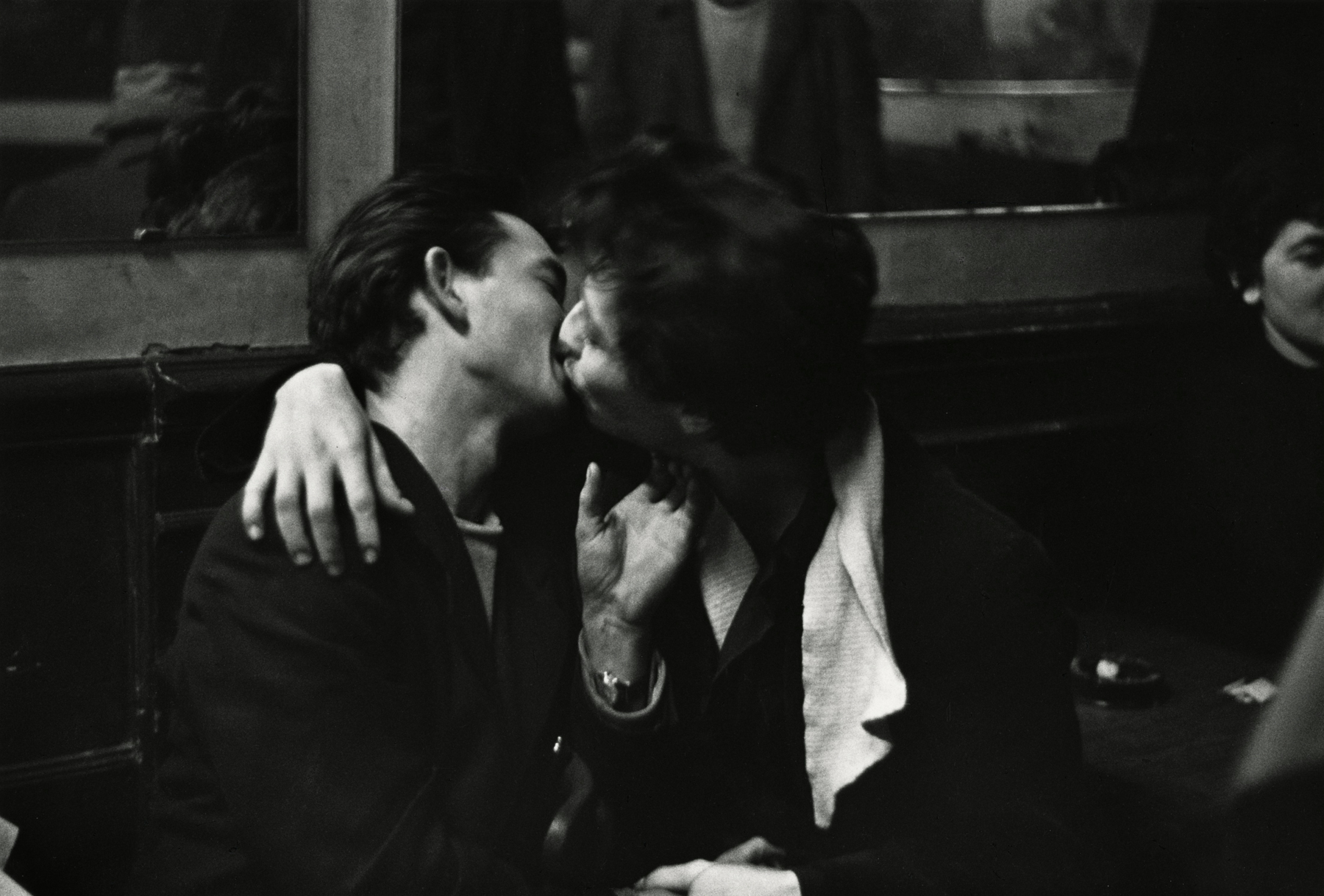
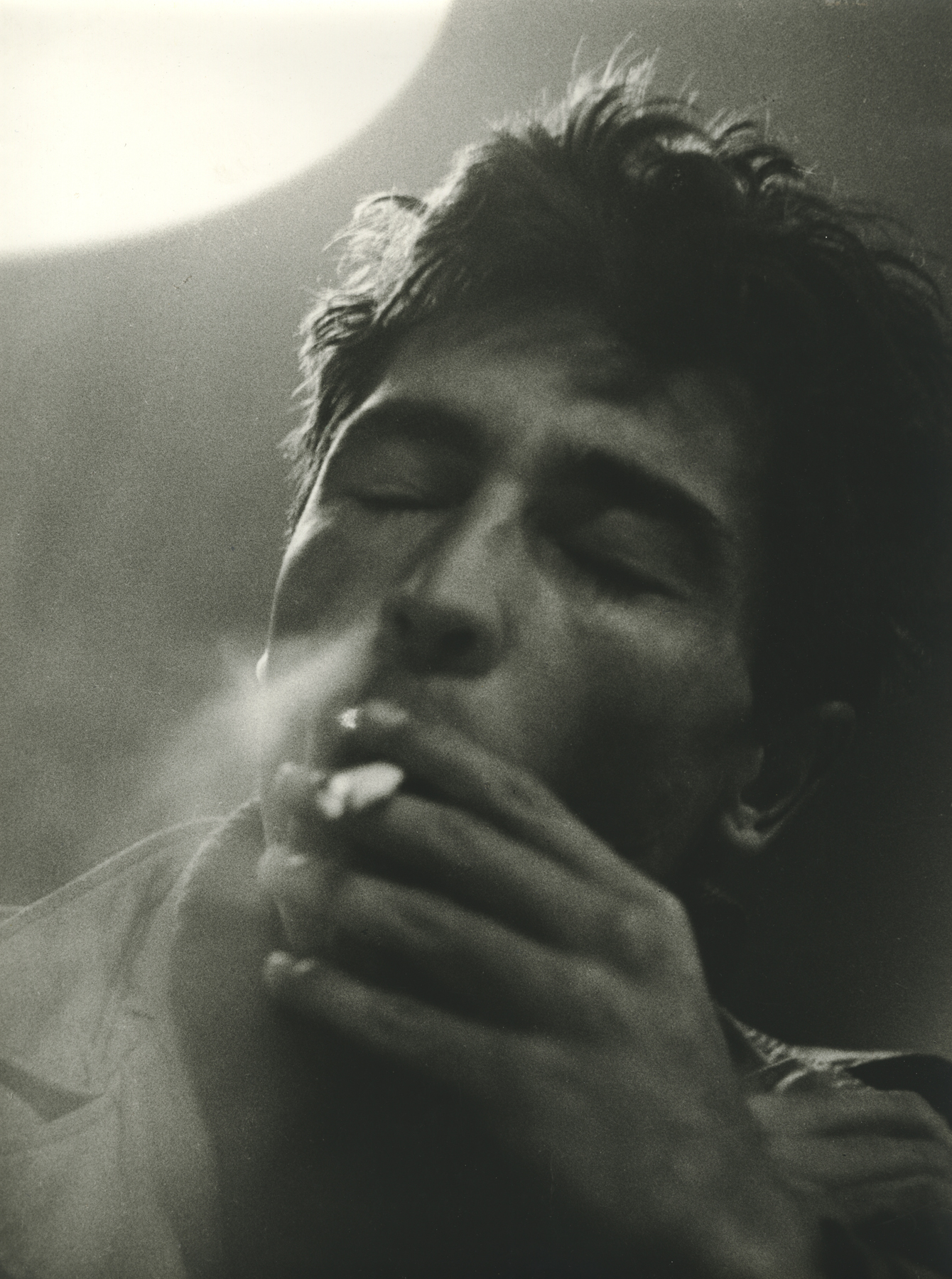
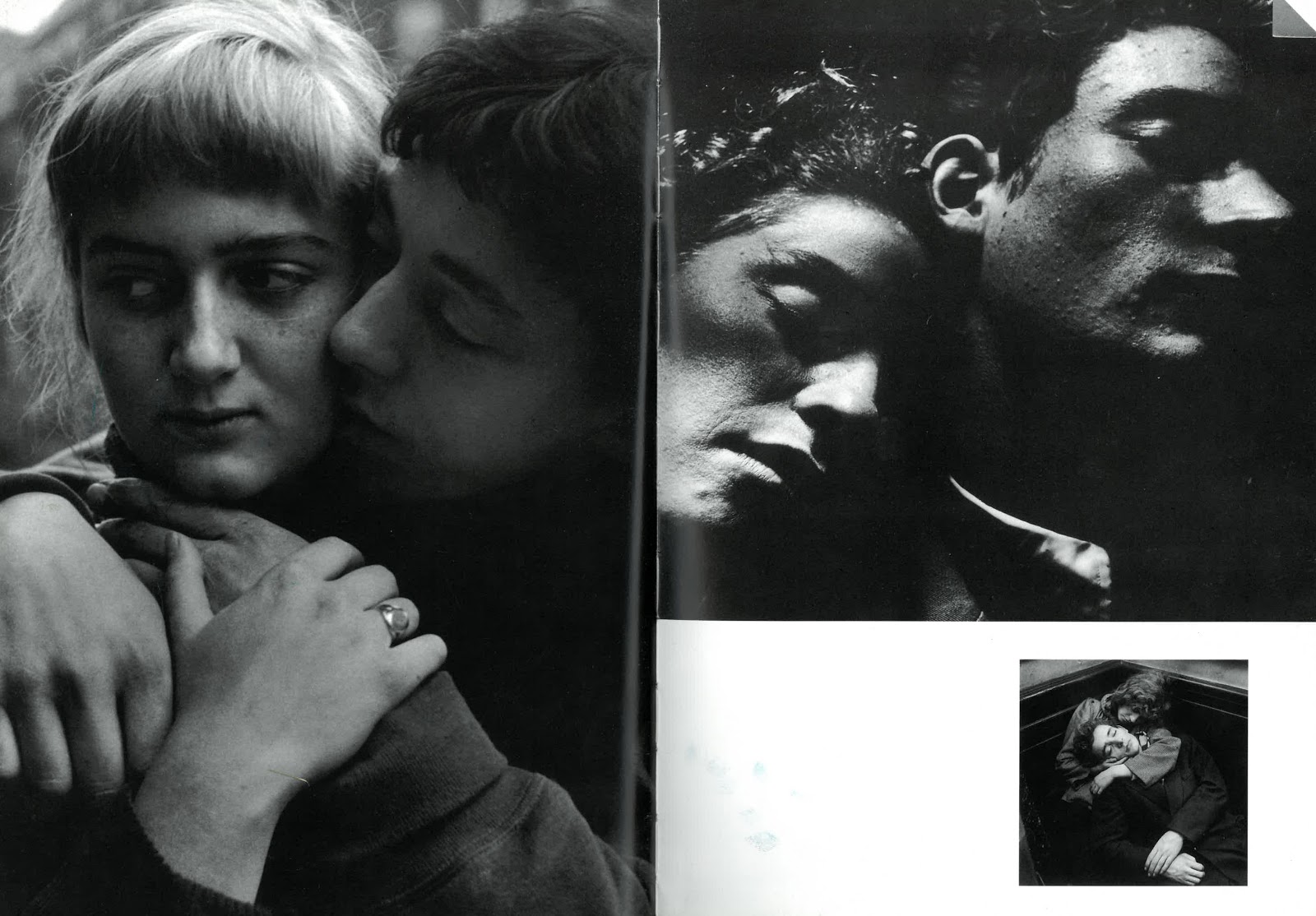
The community of bohemians, expatriates, and existentialists who gathered on the Left Bank in the early 1950s became van der Elsken's world. He photographed them with an intimacy and physical closeness that was unprecedented in European photography — leaning into faces, shooting in available darkness, embracing blur, grain, and the chaotic energy of bodies in motion. His camera was not a distancing device but a means of participation, and his photographs vibrate with the heat of the rooms, the smoke of the cigarettes, and the restless hunger of young people living at the edge of convention.
At the centre of this world was Vali Myers, an Australian dancer and artist whose fierce beauty and anarchic spirit captivated van der Elsken. She became his muse and his obsession, and the photographs he made of her — dancing, kissing, arguing, sleeping, staring down the lens with defiant intensity — formed the core of his masterpiece, Love on the Left Bank, published in 1956. The book was revolutionary in form as well as content: rather than presenting his photographs as a conventional documentary sequence, van der Elsken arranged them as a photo-novel, a fictional narrative of doomed love set against the real backdrop of bohemian Paris, with characters drawn from his own circle and Vali as the central figure.
The innovation of Love on the Left Bank lay in its fusion of documentary photography with narrative fiction. Van der Elsken demonstrated that the photobook could be a form of storytelling as compelling as cinema or the novel, and his influence on subsequent photobook makers — from Robert Frank to Nan Goldin to Anders Petersen — has been profound. The book's raw emotionalism, its willingness to embrace ugliness and beauty in equal measure, and its insistence on the photographer's personal involvement in his subject matter anticipated by decades the confessional and diaristic modes that would dominate art photography from the 1970s onward.
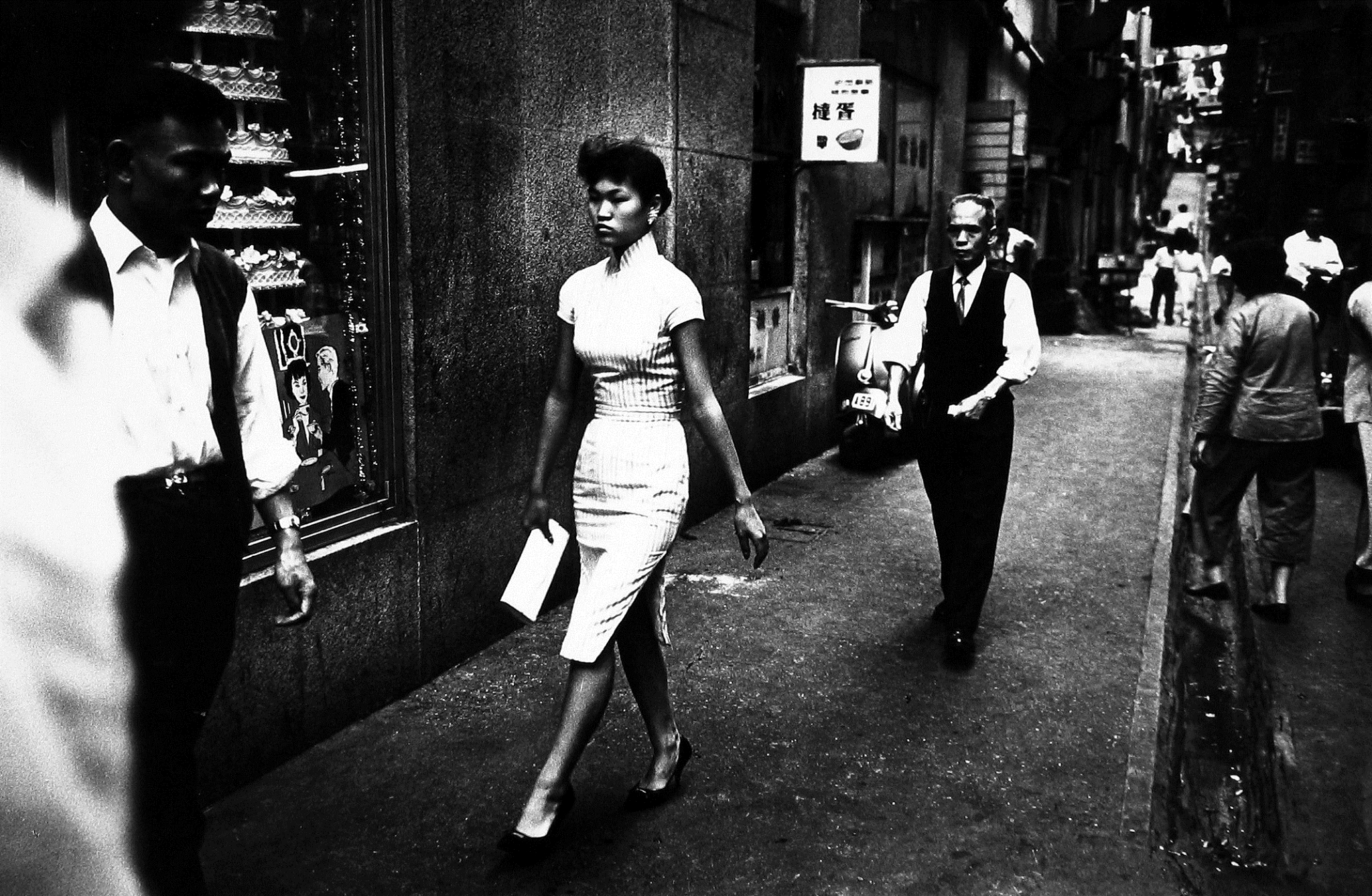
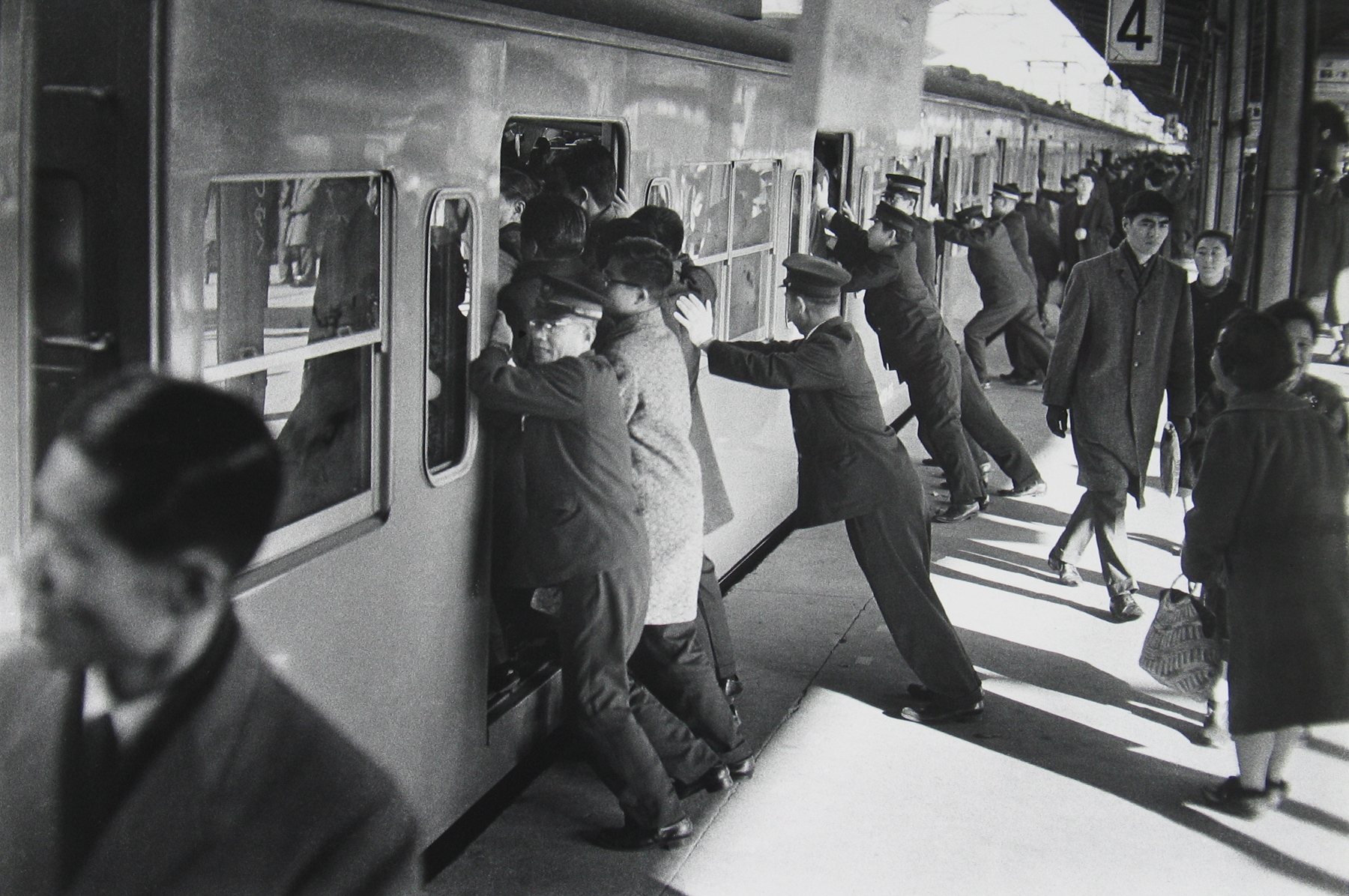
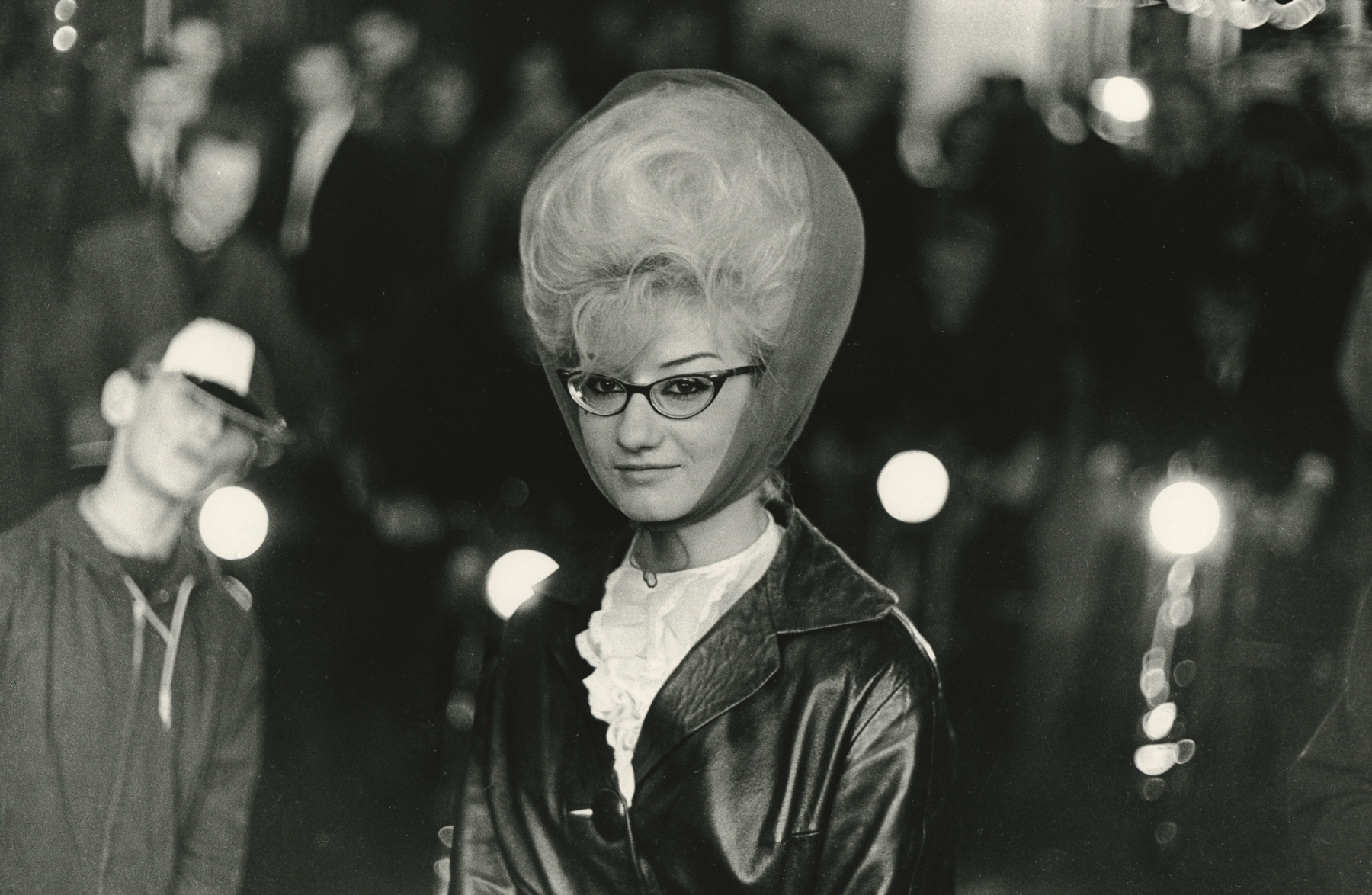
After Paris, van der Elsken embarked on a series of ambitious travels that took him around the world. Between 1959 and 1960, he and his second wife Gerda undertook a fourteen-month journey through Africa, Asia, and the Americas, producing the book Sweet Life (1966), a sprawling, exuberant visual diary of encounters with strangers in dozens of countries. His photographs from Japan were particularly notable — vivid, empathetic images of Tokyo street life that revealed an affinity between his own raw aesthetic and the emerging Japanese photography movement led by Daido Moriyama and Shomei Tomatsu.
Throughout the 1960s, 1970s, and 1980s, van der Elsken continued to photograph the streets of Amsterdam, documenting the city's transformation from a conservative provincial capital into one of Europe's most permissive and culturally vibrant cities. He also worked extensively as a filmmaker, producing documentaries that extended his photographic vision into the moving image with the same raw energy and disregard for polish that characterised his still photography. His films, like his photographs, were personal, confrontational, and deeply human.
In 1990, diagnosed with terminal cancer, van der Elsken made his final and most extraordinary film, Bye, a documentary of his own dying. With the same fearless honesty that had defined his entire career, he turned the camera on himself, recording his deteriorating body, his hospital visits, and his last days in the Dutch countryside near Edam, where he died on December 28, 1990. The film was broadcast on Dutch television and remains one of the most unflinching and moving documents of mortality ever created.
Van der Elsken's legacy endures as a model of photography lived rather than merely practised. He showed that the camera could be an instrument of passionate engagement with the world rather than cool observation of it, and that the photographer's own life — his loves, obsessions, travels, and ultimately his death — could be the rawest and most compelling material of all.