Edward Joseph Ruscha was born in 1937 in Omaha, Nebraska, and grew up in Oklahoma City, where he developed an early fascination with commercial lettering, signage, and the visual culture of the American roadside. In 1956, he drove west to Los Angeles to attend the Chouinard Art Institute (now CalArts), and the journey along Route 66 — through the gas stations, diners, and motels of the American Southwest — left an indelible impression that would resurface in his most celebrated photographic work. Los Angeles became his permanent home, and its sprawling, car-dependent landscape, its vernacular architecture, and its culture of surface and spectacle became the raw material of a career that has spanned seven decades.
Ruscha emerged as a painter and printmaker associated with the Pop Art movement, and his early canvases — large, graphic works featuring words and brand logos rendered with the precision of commercial typography — established him alongside Andy Warhol, Roy Lichtenstein, and Jasper Johns as one of the defining figures of American art in the 1960s. But it was his photographic books, produced between 1963 and 1978, that proved most revolutionary and most enduringly influential. These small, cheaply printed, deliberately unremarkable publications used photography not as a vehicle for personal expression or aesthetic beauty, but as a systematic tool for cataloguing the ordinary.
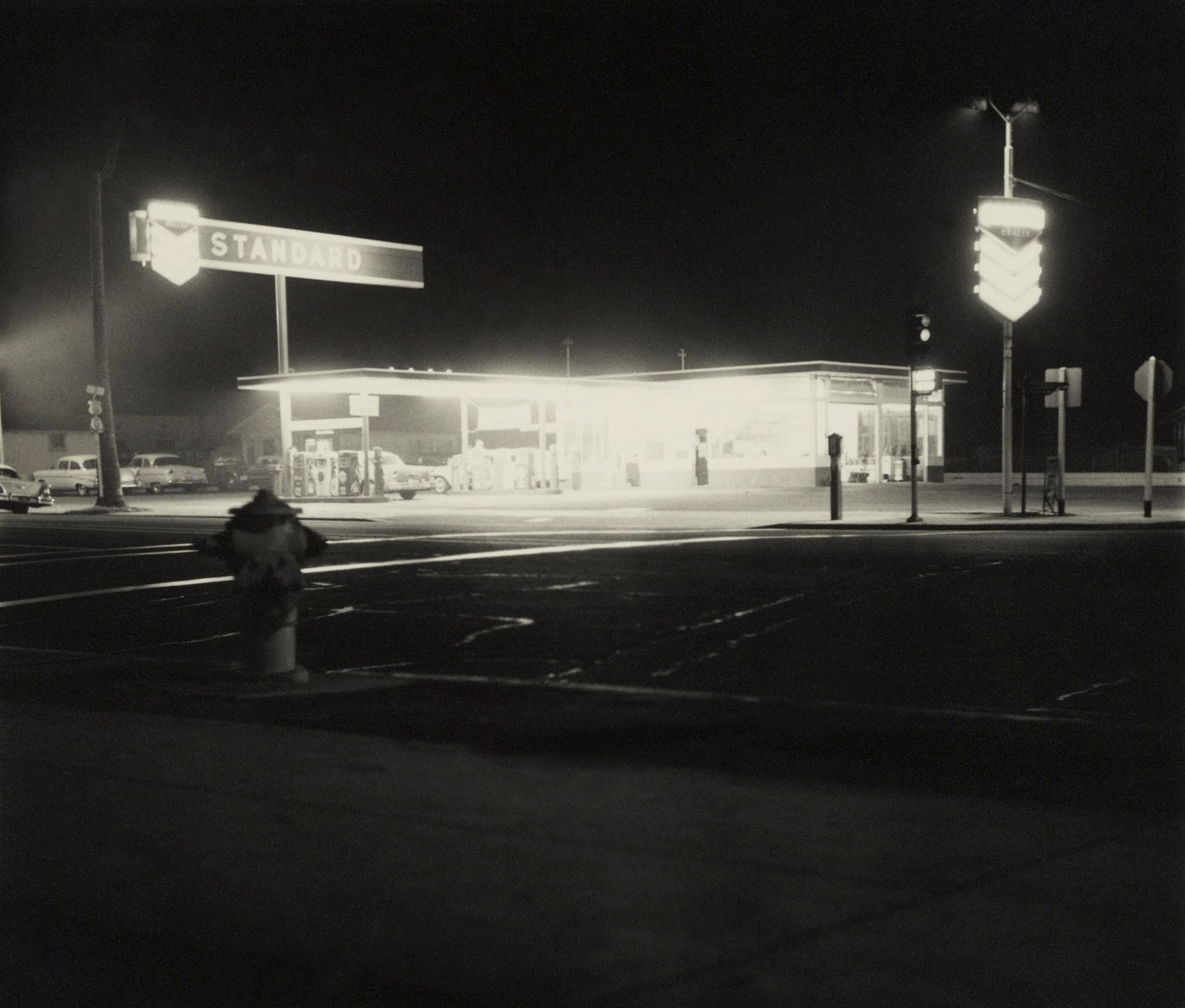
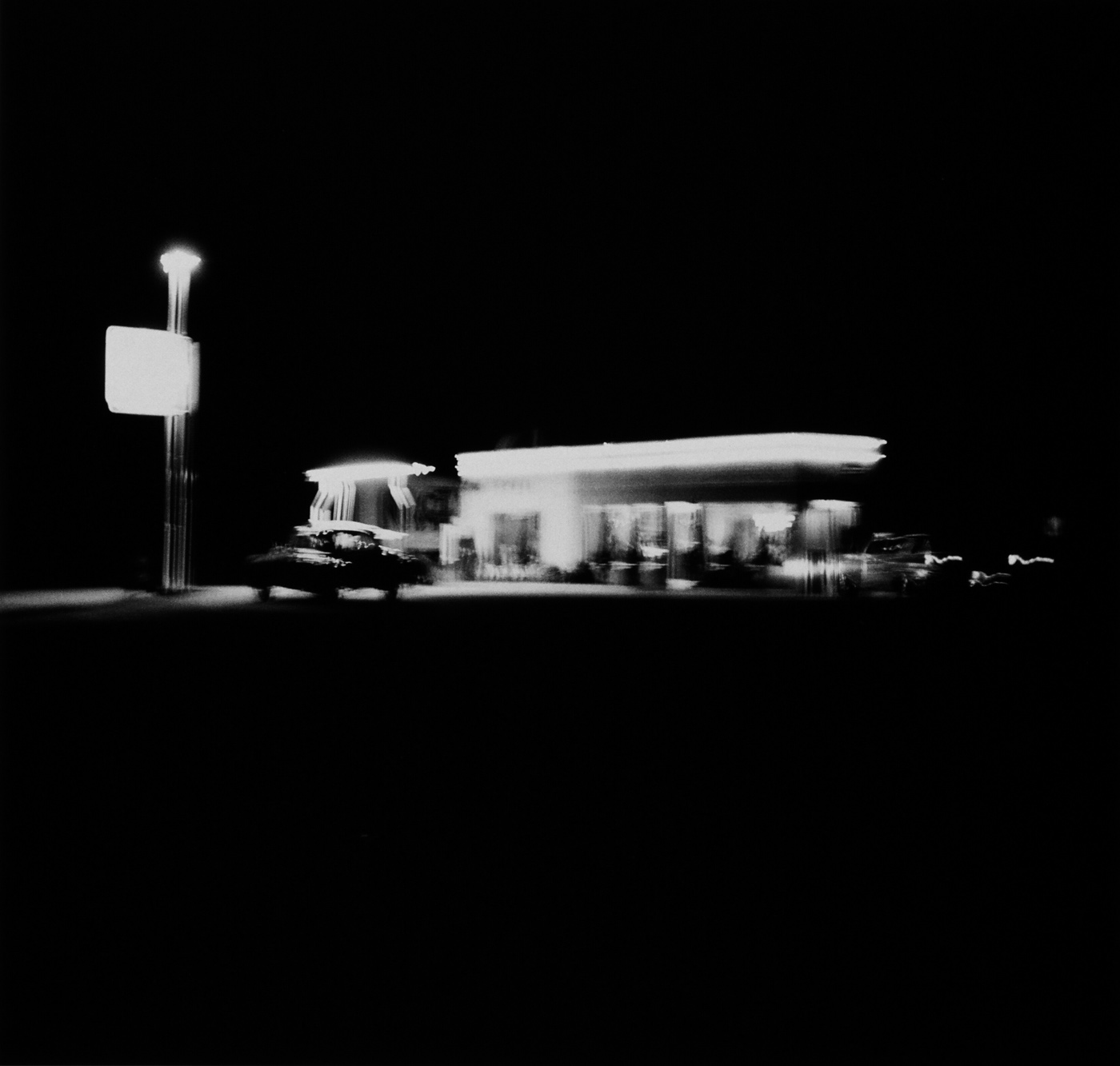
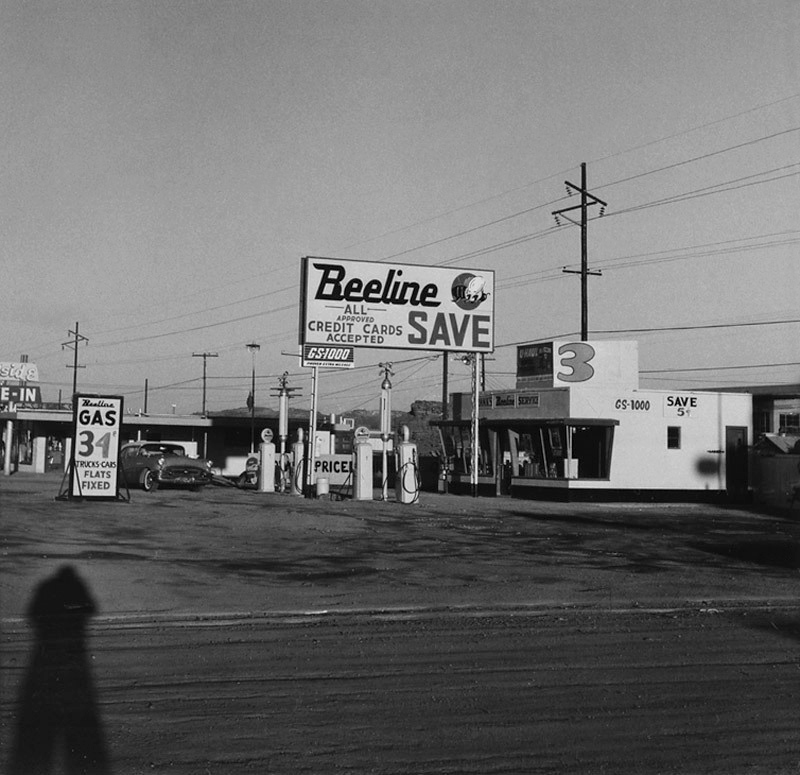
The first and most famous of these books, Twentysix Gasoline Stations (1963), documented every gas station Ruscha encountered on his regular drive between Los Angeles and Oklahoma City along Route 66. The photographs were deliberately artless — frontal, flat, casually framed, with no attempt at dramatic lighting or compositional refinement. They looked like snapshots, and they were intended to. The book's title was its content, and its content was its title: twenty-six gasoline stations, nothing more and nothing less. When Ruscha submitted the book to the Library of Congress, it was initially rejected as insufficiently photographic. The rejection delighted him.
What Ruscha had invented was the conceptual photobook — a publication in which the idea governing the selection and arrangement of images was more important than the individual photographs themselves. The concept was the art; the photographs were evidence. This was a radical departure from the tradition of the fine-art photobook as exemplified by Walker Evans or Robert Frank, in which each image was carefully crafted and sequenced for maximum aesthetic and emotional impact. Ruscha's books were anti-aesthetic, anti-expressive, and anti-narrative. They were inventories, catalogues, typologies — and in their very refusal of artistry, they opened up an entirely new territory for photography.
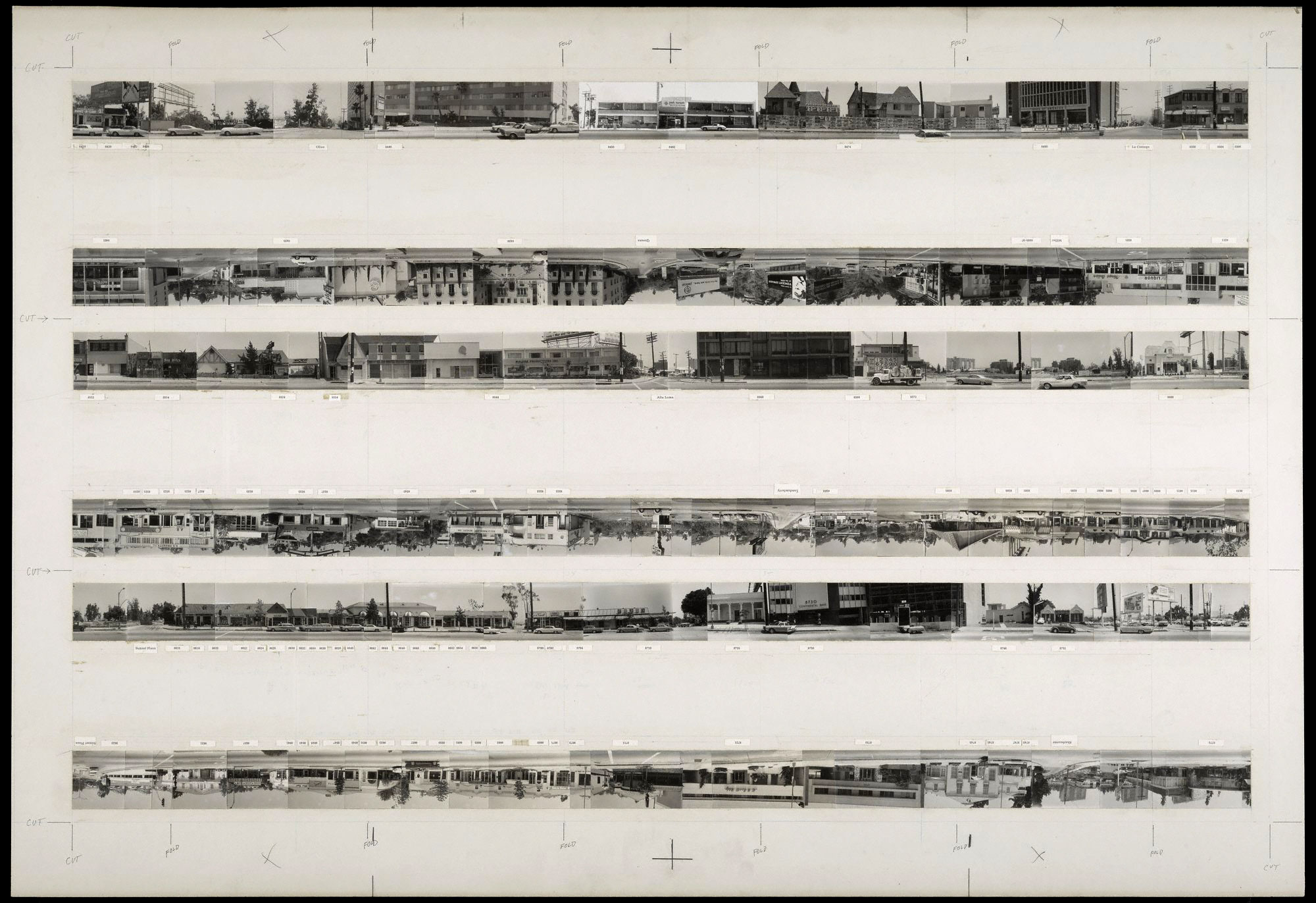
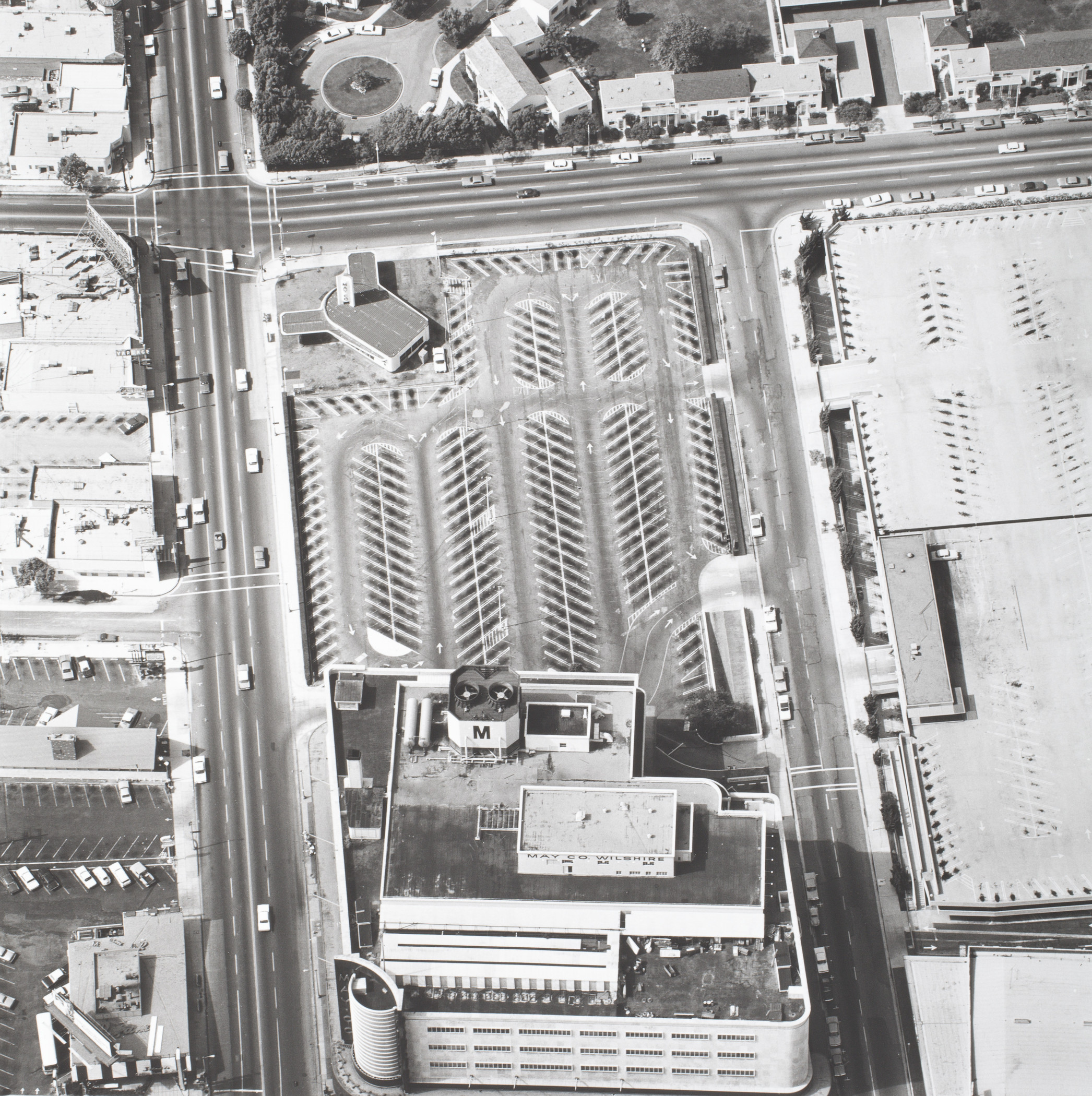
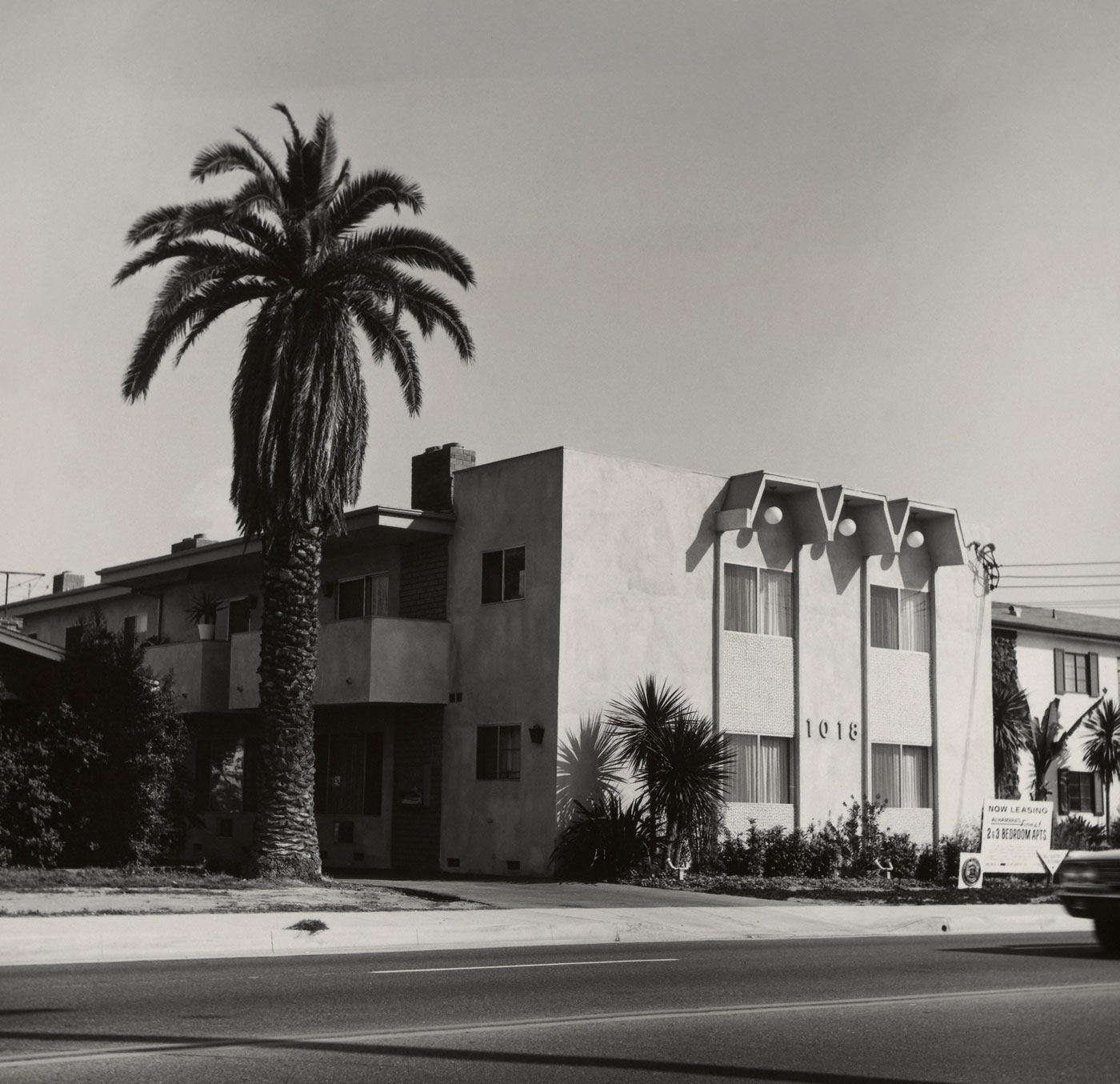
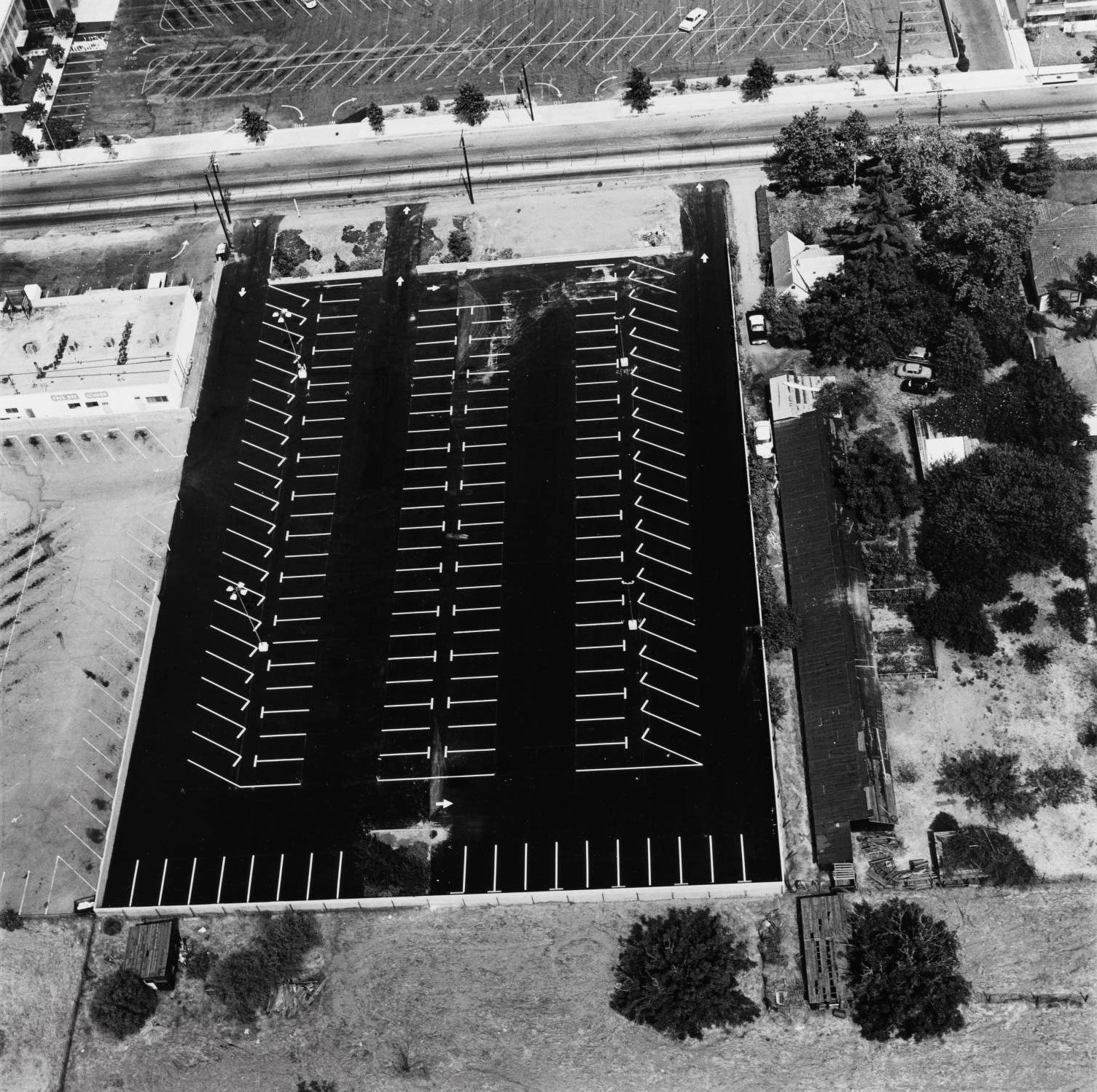
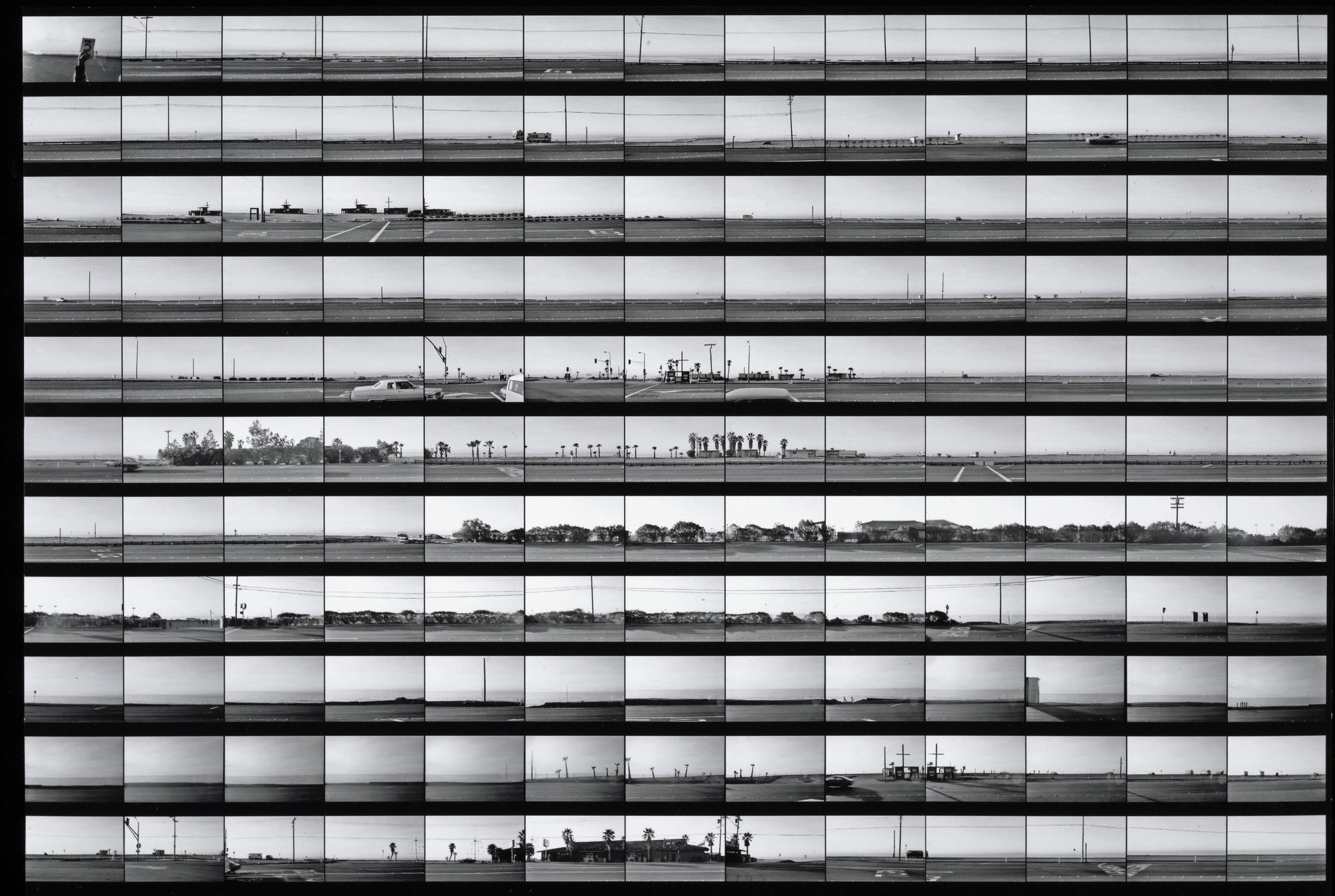
The books that followed extended and refined this approach. Some Los Angeles Apartments (1965) catalogued nondescript apartment buildings. Every Building on the Sunset Strip (1966) presented a continuous photographic panorama of both sides of the famous boulevard, printed as a single accordion-fold strip over twenty-five feet long. Thirtyfour Parking Lots in Los Angeles (1967) commissioned aerial photographs of empty parking lots. Nine Swimming Pools and a Broken Glass (1968) was exactly what its title promised. Each book was governed by a simple, predetermined rule, executed without variation or editorial judgment, and presented without commentary.
The influence of these books on subsequent art and photography has been immense. The Düsseldorf School photographers — Andreas Gursky, Thomas Struth, Thomas Ruff — acknowledged Ruscha's typological approach as a forerunner of their own systematic practices. The New Topographics photographers of the 1970s, including Robert Adams, Lewis Baltz, and Stephen Shore, shared his interest in the unremarkable American landscape. Contemporary artists working with archives, databases, and algorithmic image-making continue to build on the conceptual framework Ruscha established in those slim, unassuming volumes.
Beyond the photobooks, Ruscha's painting, drawing, and printmaking practice has continued with extraordinary productivity and inventiveness. His word paintings — single words or phrases rendered in dramatic perspective against atmospheric backgrounds of sunsets, mountains, or empty skies — have become some of the most recognisable images in American art. He represented the United States at the Venice Biennale in 2005 and has received virtually every major honour available to a living American artist.
Yet it is the photobooks that remain his most radical contribution. In their deadpan refusal of beauty, their systematic embrace of the banal, and their insistence that the concept matters more than the image, they anticipated by decades the concerns of conceptual photography, the artist's book movement, and the post-internet art practices of the twenty-first century. Ruscha showed that photography could be a tool for thinking as much as for seeing, and that the most ordinary subjects, documented with the most ordinary means, could become vehicles for ideas of extraordinary consequence.