Doug DuBois is an American photographer whose practice is defined by the depth and duration of his engagement with his subjects. Where many photographers pass through communities, extracting images and moving on, DuBois commits to relationships that extend over years, sometimes decades, building a body of work that earns its intimacy through sustained presence and mutual trust. His photographs are distinguished by a luminous colour palette, a painterly attention to light, and a compositional sophistication that elevates documentary subject matter into something approaching the condition of art — without ever sacrificing the emotional authenticity of the encounter.
DuBois's earliest sustained project was All the Days and Nights, a deeply personal body of work begun in the mid-1980s that documented his own family over a period of more than twenty-five years. The series centred on his parents' troubled marriage, his father's physical decline following a serious accident, and the complex emotional dynamics of a family under strain. These were not the polished, idealised portraits of the family album; they were candid, often uncomfortable images that recorded the messiness, tenderness, and difficulty of domestic life with an honesty that was both unflinching and compassionate. The project established DuBois's fundamental approach: the long view, the willingness to stay, and the belief that photographic truth emerges not from the single decisive image but from the accumulation of moments over time.
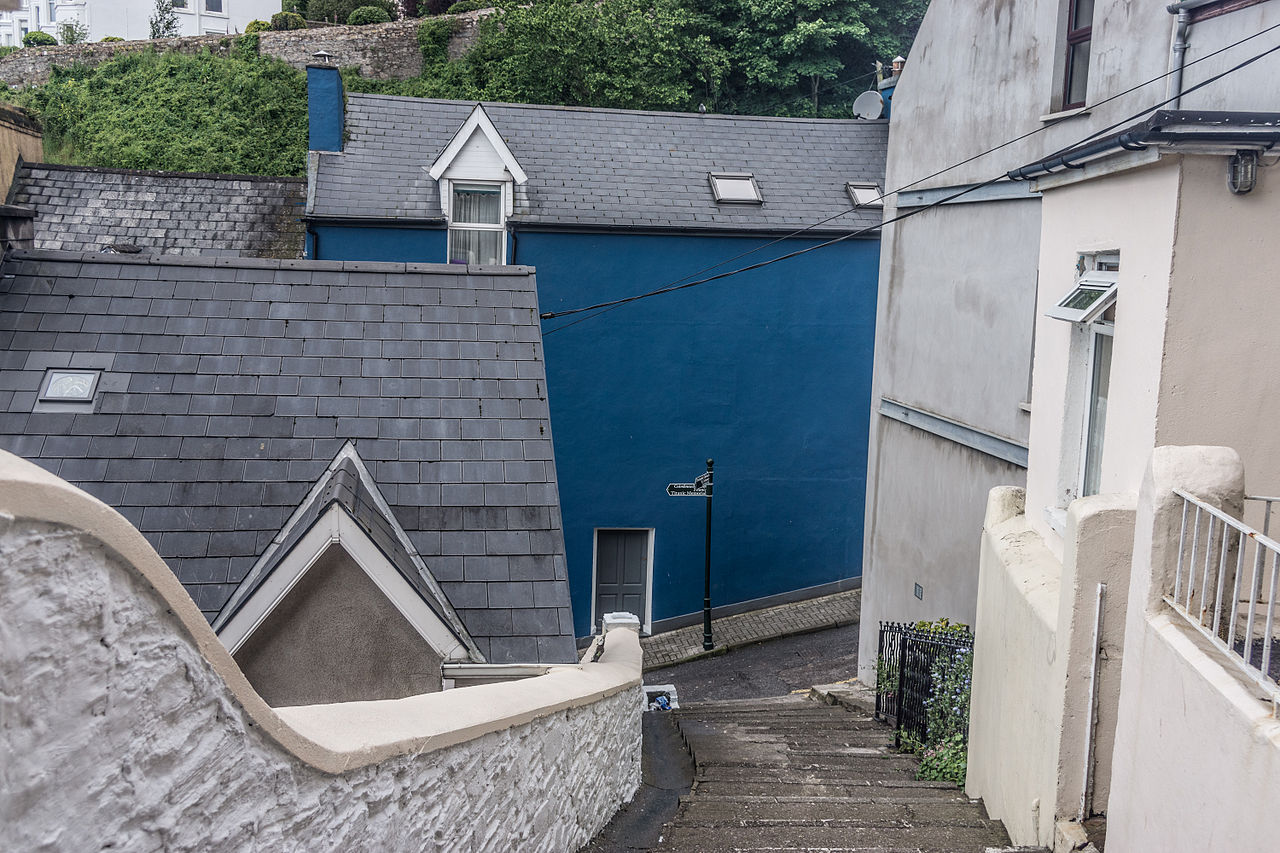
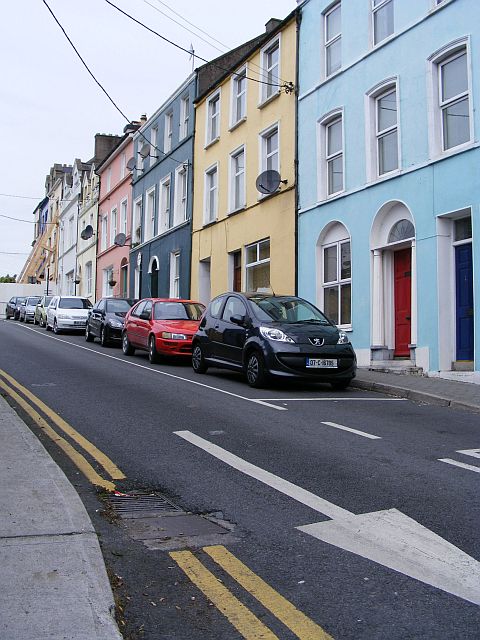
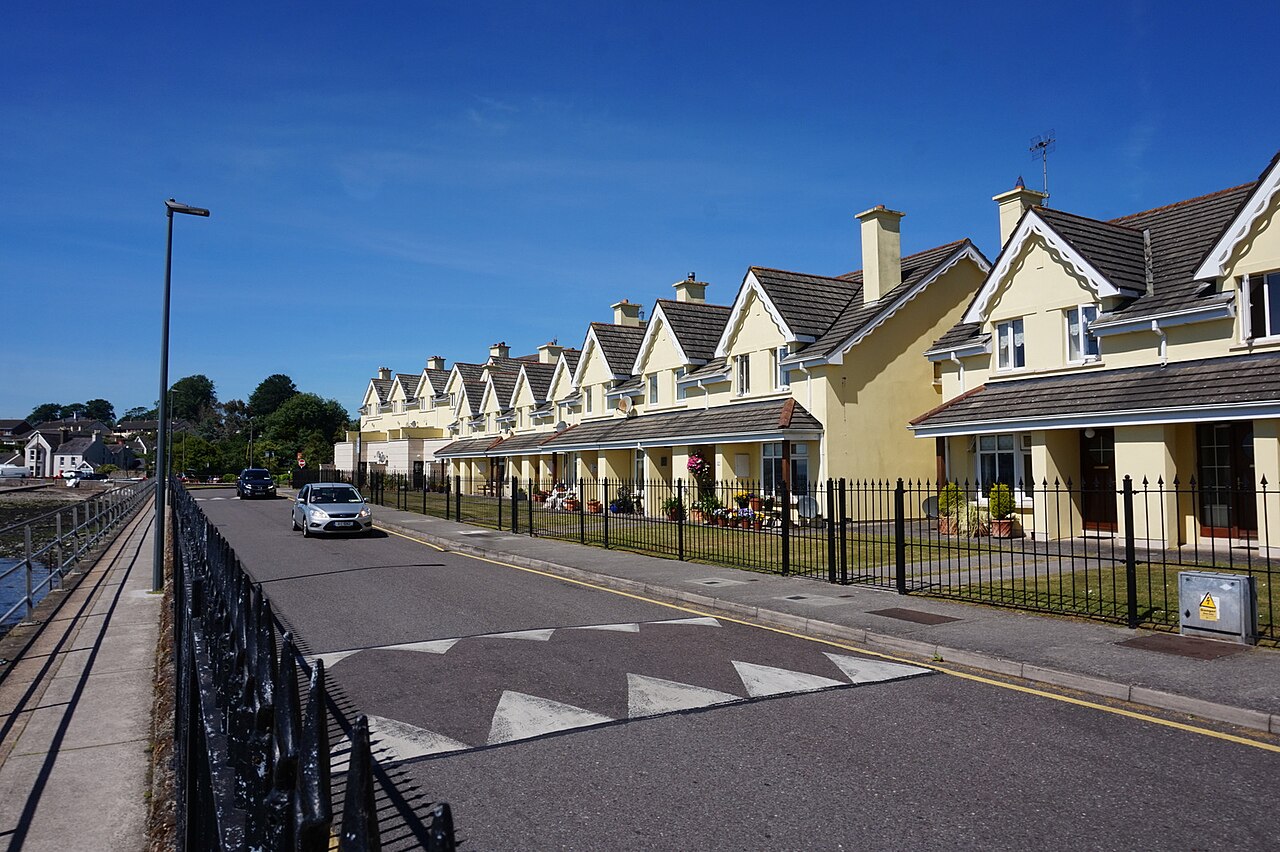
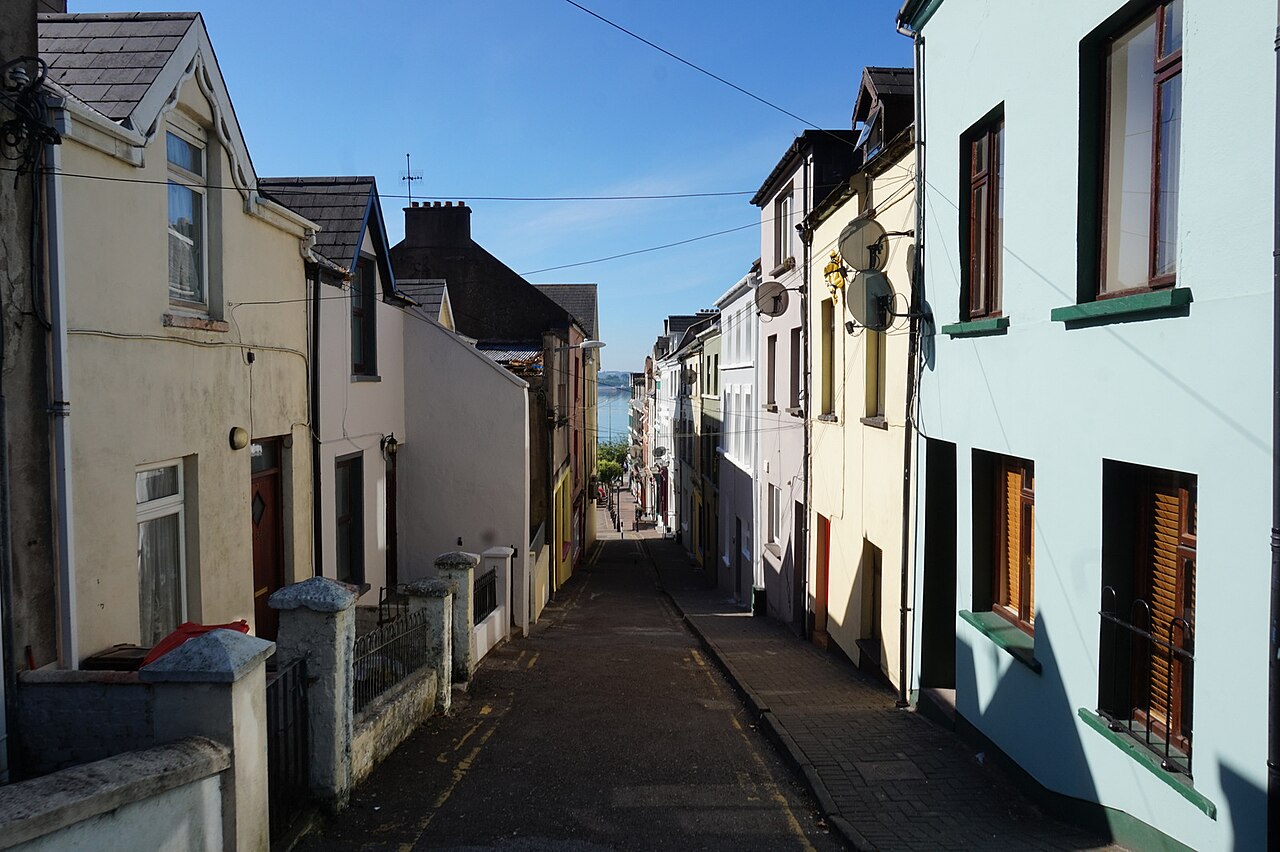
The work that brought DuBois to wider international attention was My Last Day at Seventeen, a project begun in 2009 in Russell Heights, a social housing estate in the town of Cobh, County Cork, Ireland. DuBois had been invited to Ireland for a residency, and during a visit to Russell Heights he encountered a group of teenagers whose energy, vulnerability, and charisma captivated him. What was intended as a brief engagement became a project spanning several years, as DuBois returned repeatedly to the estate, building relationships with the young people and their families, and creating portraits that captured the intensity of adolescence in a working-class community on the margins of the Celtic Tiger economy.
The photographs from My Last Day at Seventeen are remarkable for their combination of documentary immediacy and formal beauty. DuBois works almost exclusively with natural light, and his images are suffused with the soft, silvery quality of the Irish sky. His compositions are carefully constructed yet never stiff; they capture their subjects in moments of unselfconscious grace — leaping on trampolines, gathered around bonfires, lounging against graffitied walls — with a tenderness that speaks to the trust between photographer and subject. The title itself evokes the fleeting quality of youth, the sense that these moments of freedom and possibility are already passing even as they are being lived.
What distinguishes DuBois's approach from conventional documentary photography is the degree of collaboration involved. His subjects are not passive objects of the camera's gaze; they are active participants in the creation of the images, shaping how they are seen and represented. This collaborative ethic reflects DuBois's broader commitment to photography as a form of relationship, a practice grounded not in extraction but in exchange. The resulting images possess a quality of mutual recognition that is rare in the genre — a sense that both photographer and subject have contributed something essential to the making of the picture.
DuBois is a professor of art photography at Syracuse University, where he has taught for many years, and his influence on a generation of younger photographers has been significant. His teaching, like his practice, emphasises the importance of commitment, patience, and ethical engagement with subjects and communities. He has been the recipient of numerous awards and fellowships, and his work has been exhibited internationally at institutions including the San Francisco Museum of Modern Art and the Dublin City Gallery.
His work stands as a quiet rebuke to the culture of photographic speed — the assumption that the best images are those captured in passing, on the fly, in the decisive instant. DuBois's photographs insist that the most meaningful images are those that emerge from sustained attention, from the willingness to return again and again to the same places and people, and from the understanding that the deepest truths of human experience reveal themselves not in moments of drama but in the ordinary textures of daily life, observed over time and with care.