Donovan Wylie was born in Belfast in 1971, at the very start of the period that would come to be known as the Troubles. Growing up in a city defined by division, surveillance, and the constant presence of military infrastructure, Wylie developed an acute sensitivity to the ways in which political power inscribes itself upon the physical environment. He began photographing as a teenager, and at the age of just sixteen he produced work that caught the attention of Magnum Photos, the legendary cooperative agency, which would later invite him to become a full member — one of the youngest photographers ever to achieve that distinction.
His earliest significant project, 32 Counties, completed when he was only eighteen, documented the lives of Irish Travellers across the island of Ireland. The work displayed a remarkable maturity for a photographer so young, combining an empathetic engagement with marginalised communities with a formal precision that hinted at the rigorous, systematic approach that would characterise his later career. It was published as a book in 1989 and established Wylie as a distinctive new voice in documentary photography.
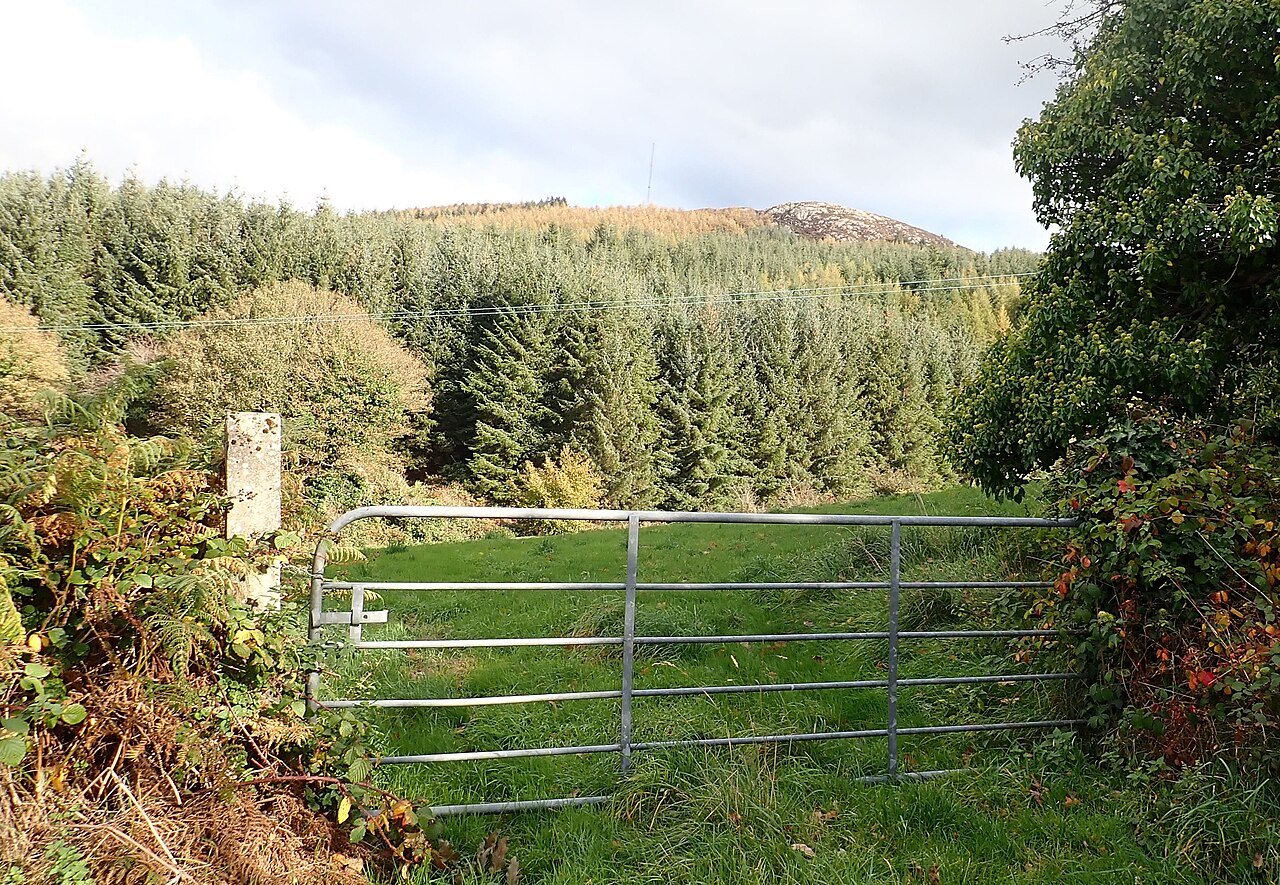
Wylie's practice evolved decisively in the 2000s, when he turned his attention to the architecture of conflict and surveillance in Northern Ireland. His project British Watchtowers, published in 2007, systematically documented the network of military observation posts that the British Army had erected across South Armagh during the Troubles. These stark, functionalist structures — perched on hilltops and bristling with cameras and communications equipment — were potent symbols of state surveillance, and Wylie photographed them with a cool, typological rigour indebted to the tradition of Bernd and Hilla Becher. The images stripped the watchtowers of any narrative context, presenting them as pure architectural objects whose sinister purpose was implicit in their form.
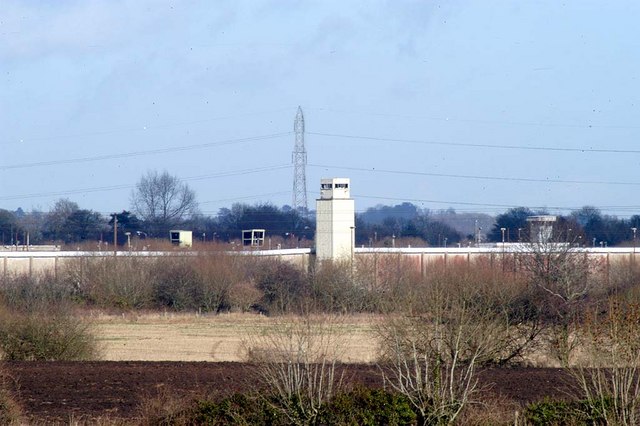
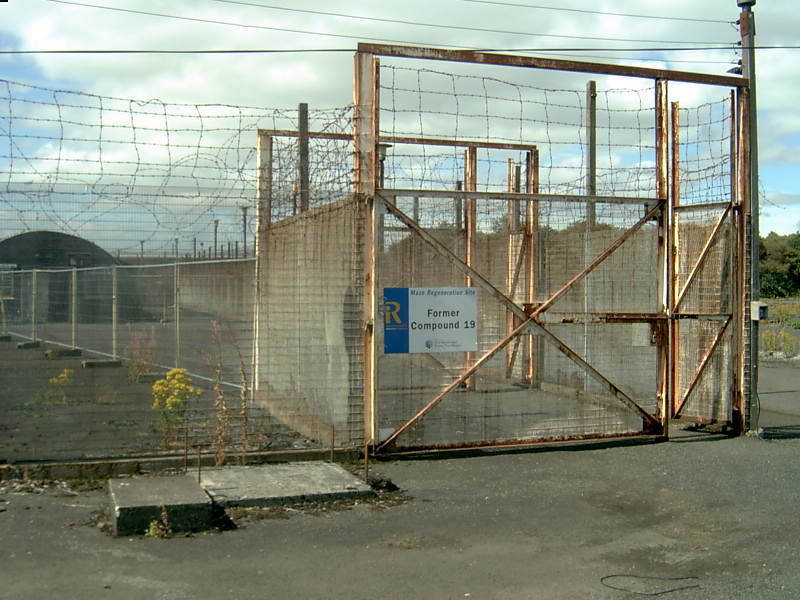
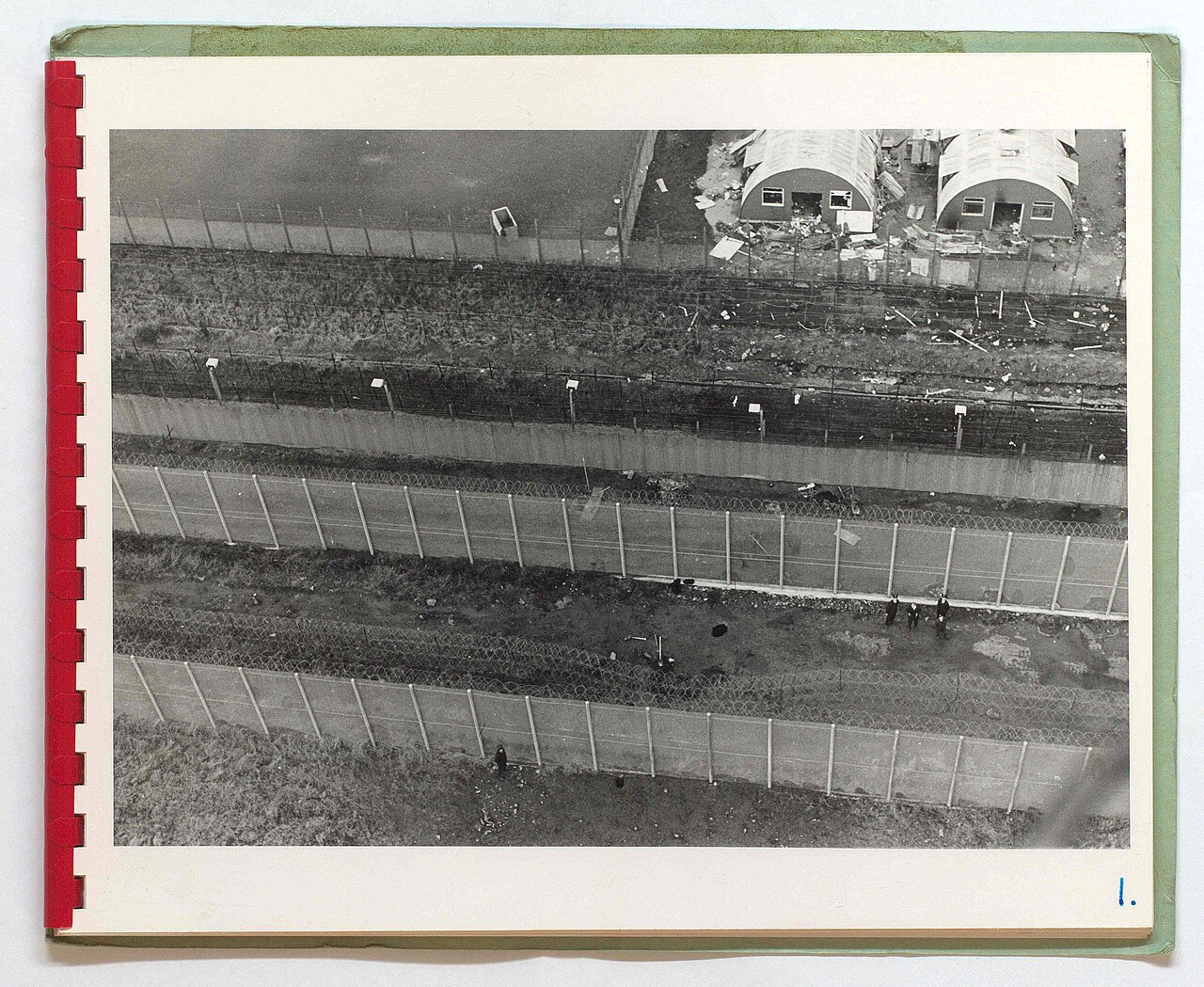
The project that secured Wylie's international reputation was The Maze, an extended photographic study of the Maze Prison (also known as Long Kesh), the most notorious prison of the Northern Irish conflict. Wylie was granted unique access to the facility as it was being decommissioned and demolished, and he photographed the process over several years, creating a sequential record of the building's transformation from a site of incarceration and protest to rubble and empty ground. The resulting book, published in 2009, is a meditation on memory, architecture, and the politics of erasure — what it means for a society to dismantle the physical evidence of its most traumatic history.
What distinguishes Wylie's approach is its methodical, almost forensic quality. He does not pursue the drama of the decisive moment or the emotional intensity of traditional conflict photography. Instead, he works in series, returning to sites repeatedly, documenting them from consistent vantage points, and building cumulative meaning through repetition and variation. His images are deliberately restrained, often empty of human figures, allowing the architecture itself to speak of the political forces that created it. This approach owes as much to conceptual art as to photojournalism, and it has positioned Wylie at the intersection of documentary practice and contemporary art photography.
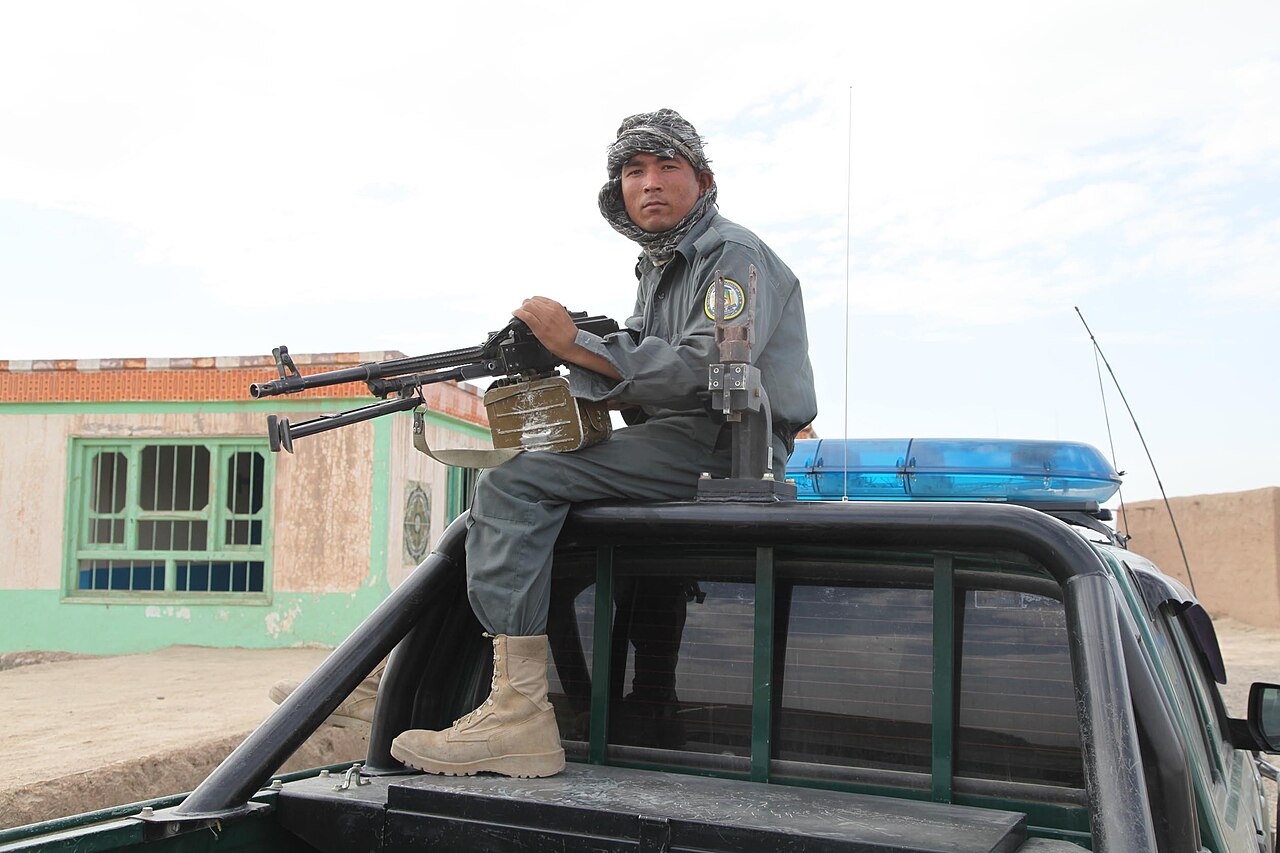
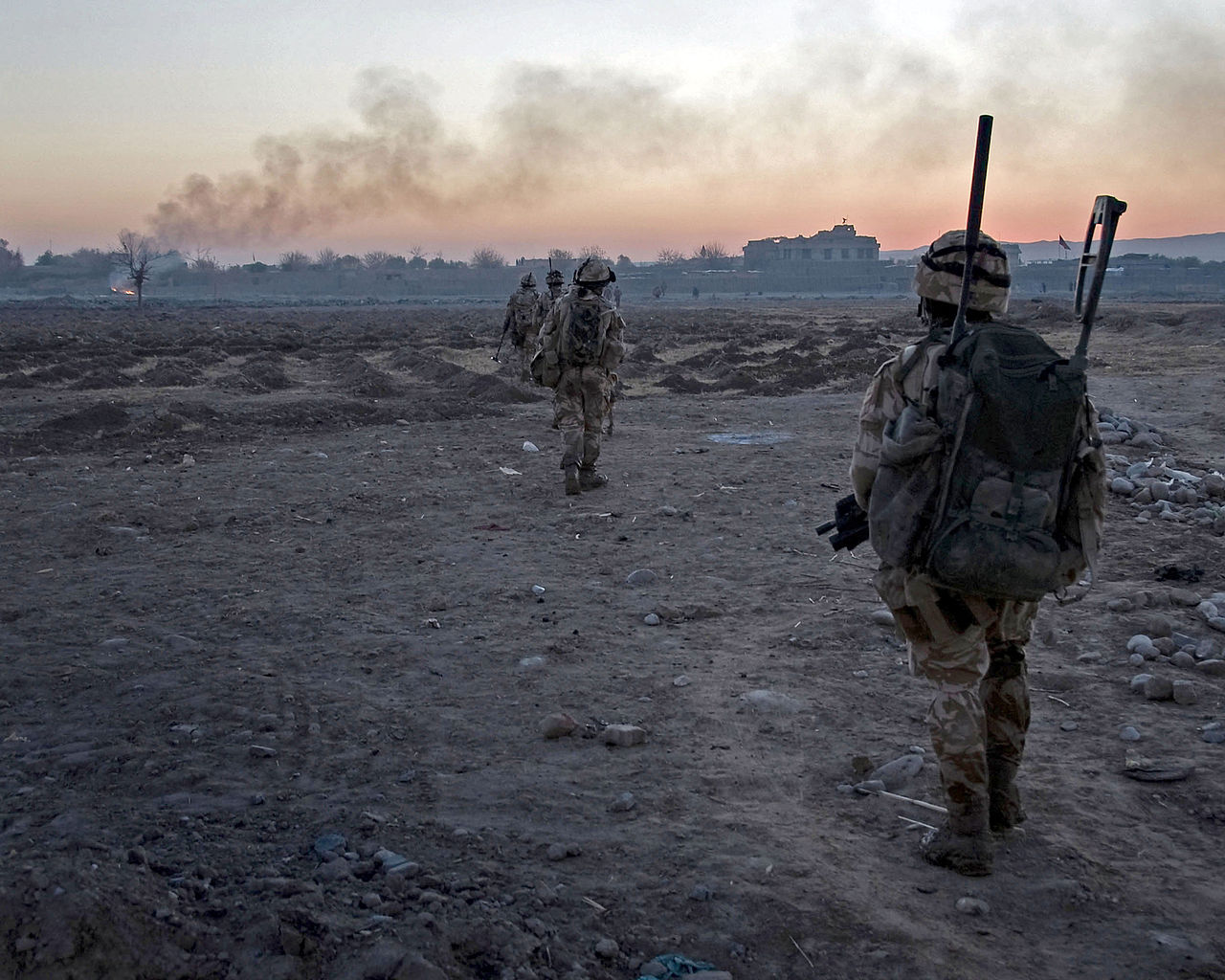
Following The Maze, Wylie extended his investigation of military architecture to Afghanistan, where his project Outposts documented the forward operating bases and observation posts of the British and American forces in Helmand Province. The work drew explicit parallels between the military infrastructure of the Troubles and that of the War on Terror, suggesting that the architecture of occupation follows consistent patterns regardless of geography or political context. The photographs are austere and precisely composed, revealing the alien geometry of these structures against the vast Afghan landscape.
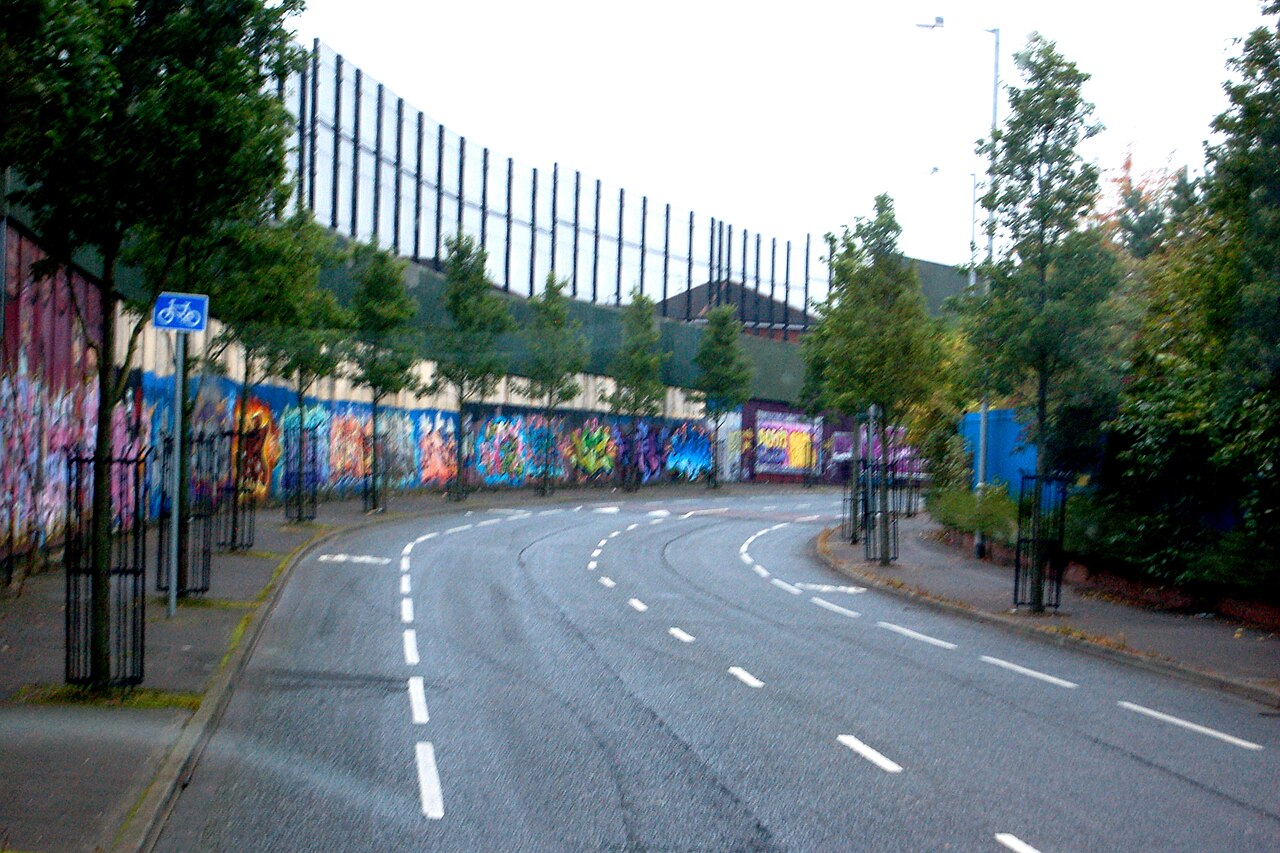
Wylie has also pursued projects closer to home, including Losing Ground, which examined the contested interfaces and peace walls that continue to divide communities in Belfast long after the formal end of the conflict. His work insists that the Troubles did not simply end with the Good Friday Agreement of 1998; their legacy persists in the built environment, in the walls and barriers and vacant lots that continue to shape how people move through and experience the city.
As a member of Magnum Photos and a lecturer at the University of Ulster, Wylie occupies a distinctive position in contemporary photography. His work has been exhibited at institutions including the Imperial War Museum and the Barbican in London, and it is held in major public and private collections. His contribution has been to demonstrate that the photography of conflict need not be confined to images of violence and its immediate aftermath; it can also address the quieter, more insidious ways in which power structures embed themselves in the physical world, persisting long after the fighting has stopped.