Donald McCullin was born in 1935 in Finsbury Park, a working-class district of north London that would shape his sensibility as profoundly as any battlefield. His father was a poor man who suffered from chronic asthma, and the family lived in conditions of real deprivation. McCullin grew up amid the bombsites and rubble of wartime and post-war London, an environment of scarcity and improvisation that gave him an instinctive understanding of suffering and endurance. He won a scholarship to study trade engraving at the Hammersmith School of Arts and Crafts, but it was a twin-lens Rolleicord camera, acquired during his National Service with the Royal Air Force in Egypt and Kenya, that would alter the course of his life.
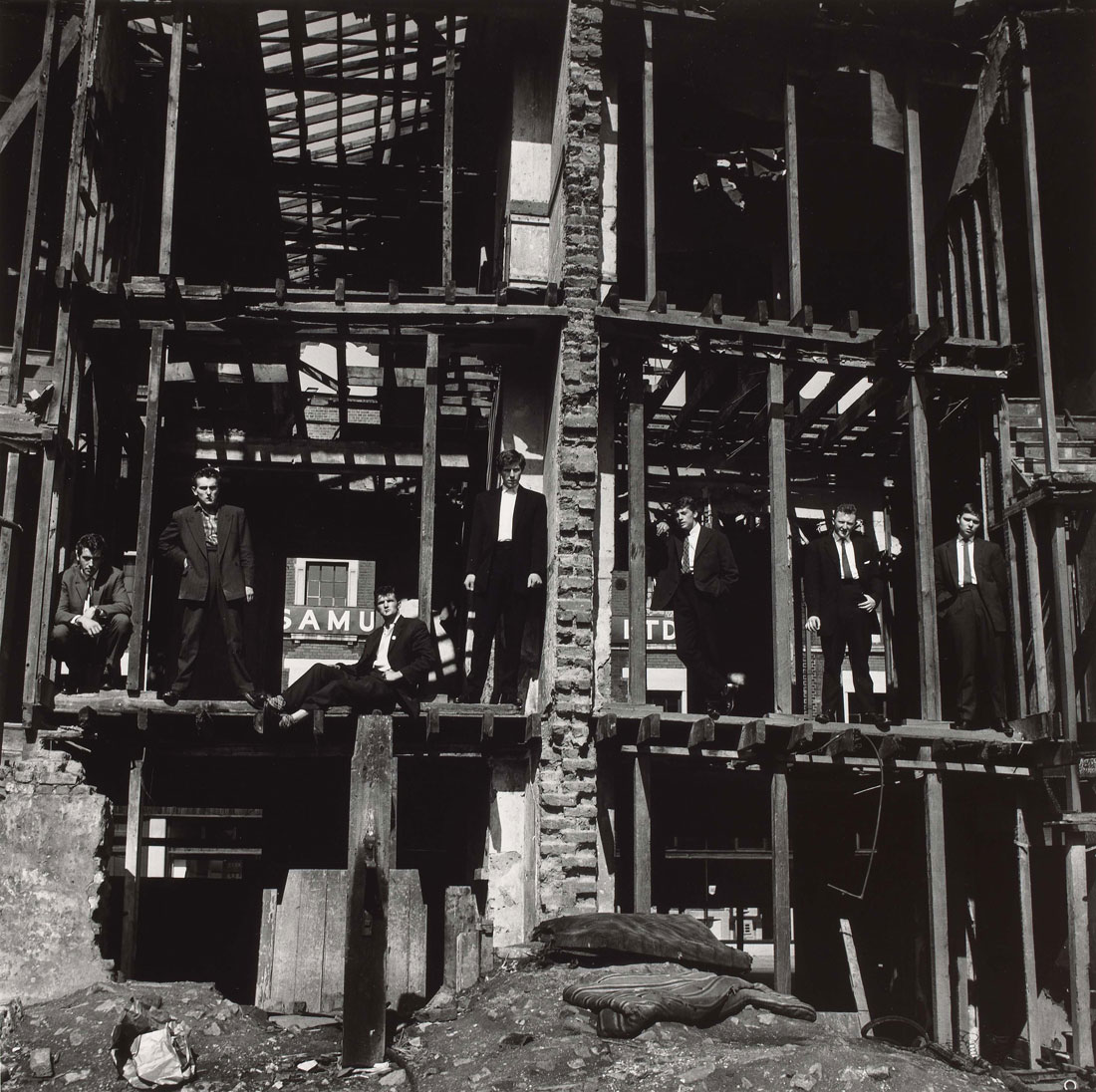
His career began almost by accident. In 1958, he photographed a local gang called The Guvnors gathered around a bombed-out building in Finsbury Park. The image was published by The Observer, and McCullin found himself drawn into the world of photojournalism. His early assignments took him to Berlin to document the construction of the Wall in 1961, and then to Cyprus in 1964, where he covered the civil war between Greek and Turkish Cypriots. These experiences confirmed both his extraordinary instinct for finding the heart of a story and his willingness to put himself in mortal danger to bear witness.
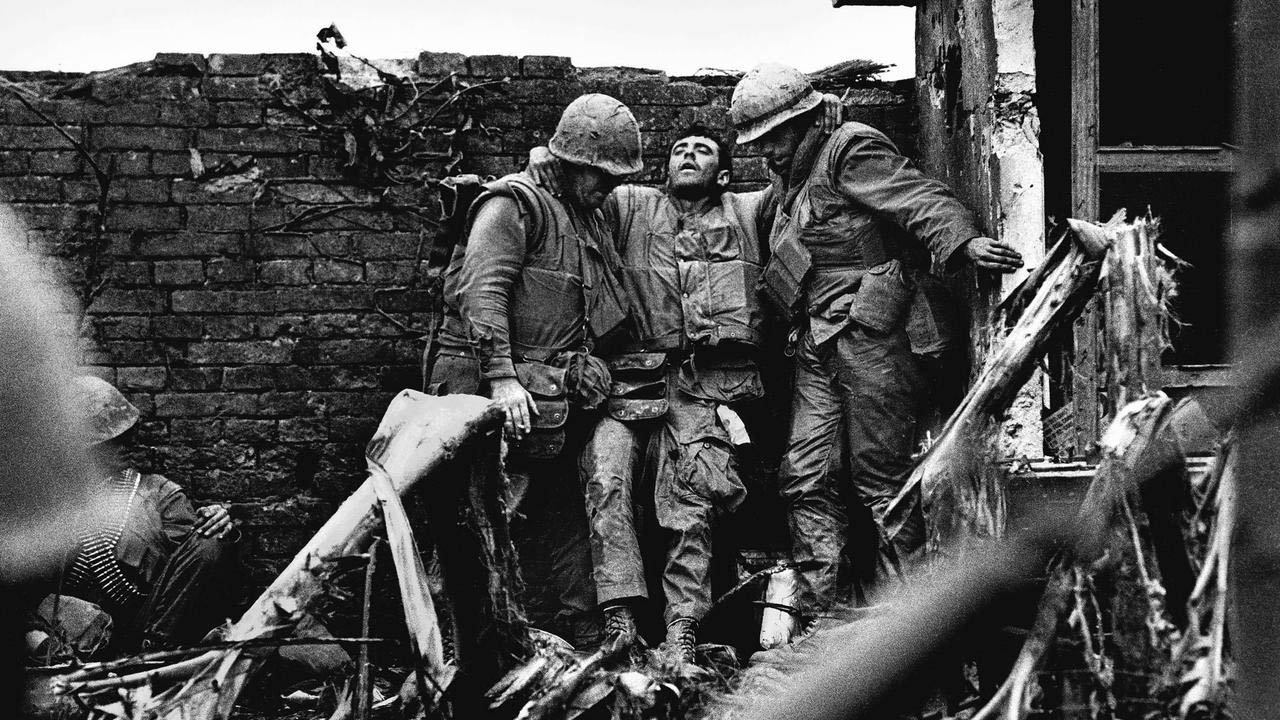
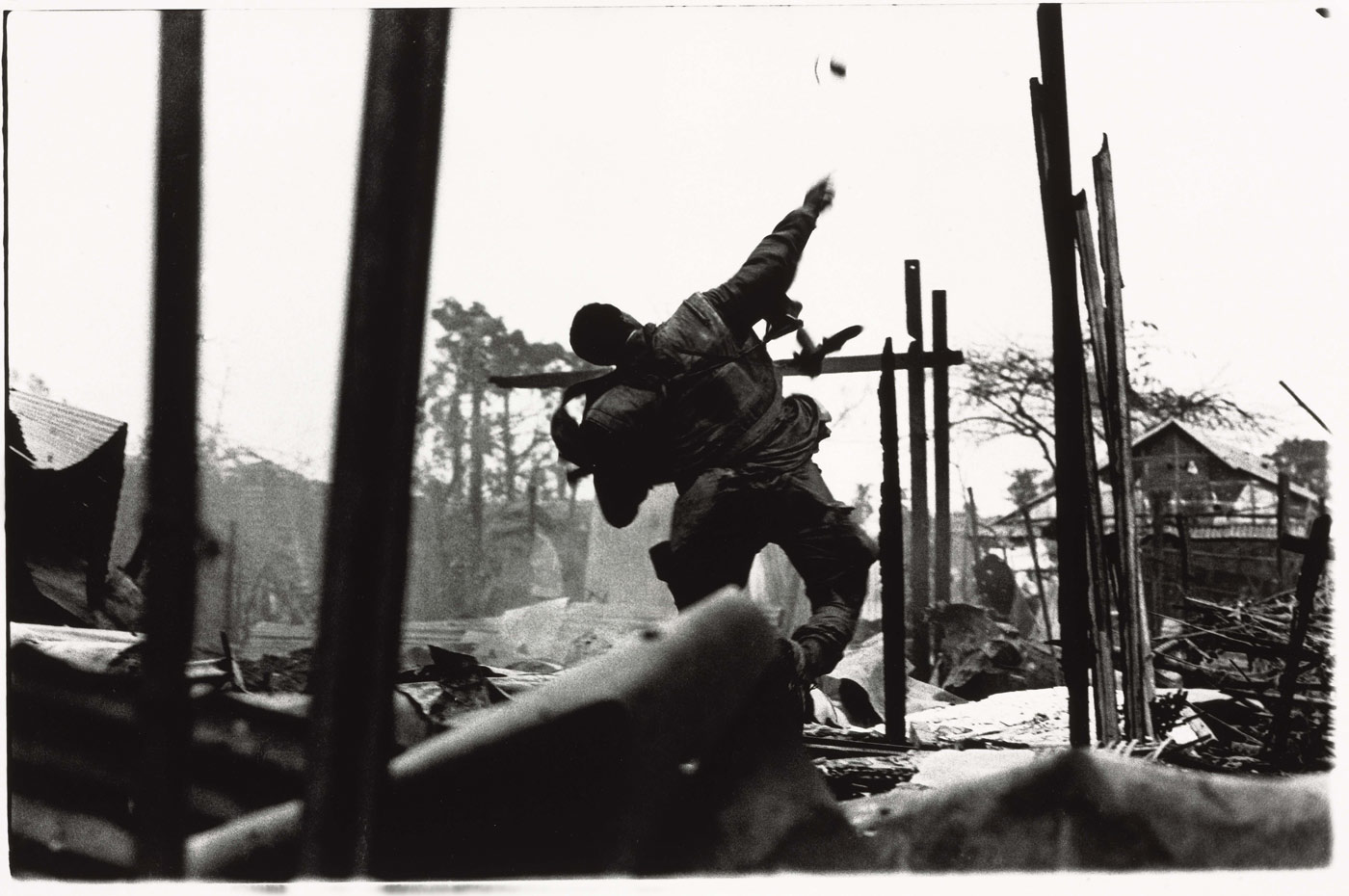
It was the Vietnam War that established McCullin as one of the greatest war photographers of his generation. He made multiple trips to Vietnam between 1966 and 1968, working principally for The Sunday Times Magazine under the editorship of Harold Evans. His coverage of the Battle of Hué in 1968 produced some of the most harrowing and indelible images of the entire conflict, including the now-iconic photograph of a shell-shocked US Marine staring blankly into the middle distance, his eyes registering a trauma beyond the reach of language. McCullin's Vietnam work was distinguished not by spectacle but by proximity: he was with the soldiers, sharing their fear, and his images convey the claustrophobic intensity of combat with a visceral power that no amount of editorial distance could achieve.
From Vietnam, McCullin moved to Biafra, where the Nigerian Civil War had created a famine of catastrophic proportions. His photographs of starving children and families, published in The Sunday Times, shocked the British public and helped to galvanise international humanitarian response. McCullin has spoken repeatedly about the moral weight of such images, the difficult question of whether photographing suffering constitutes exploitation or witness. He has never resolved the question to his own satisfaction, and that unresolved tension gives his work its particular ethical gravity.
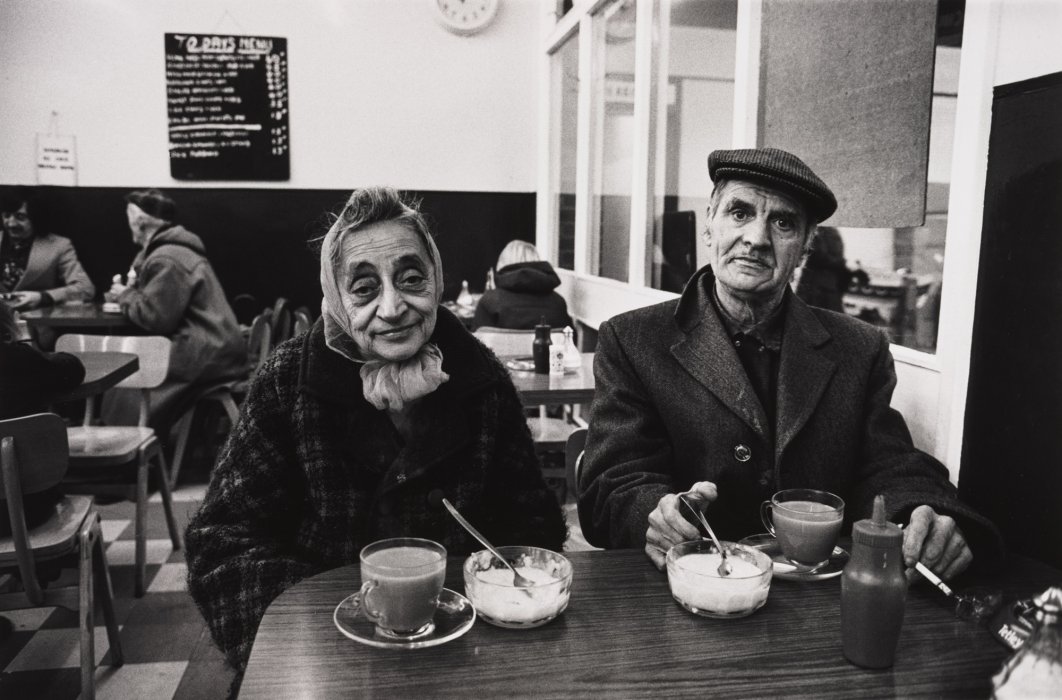
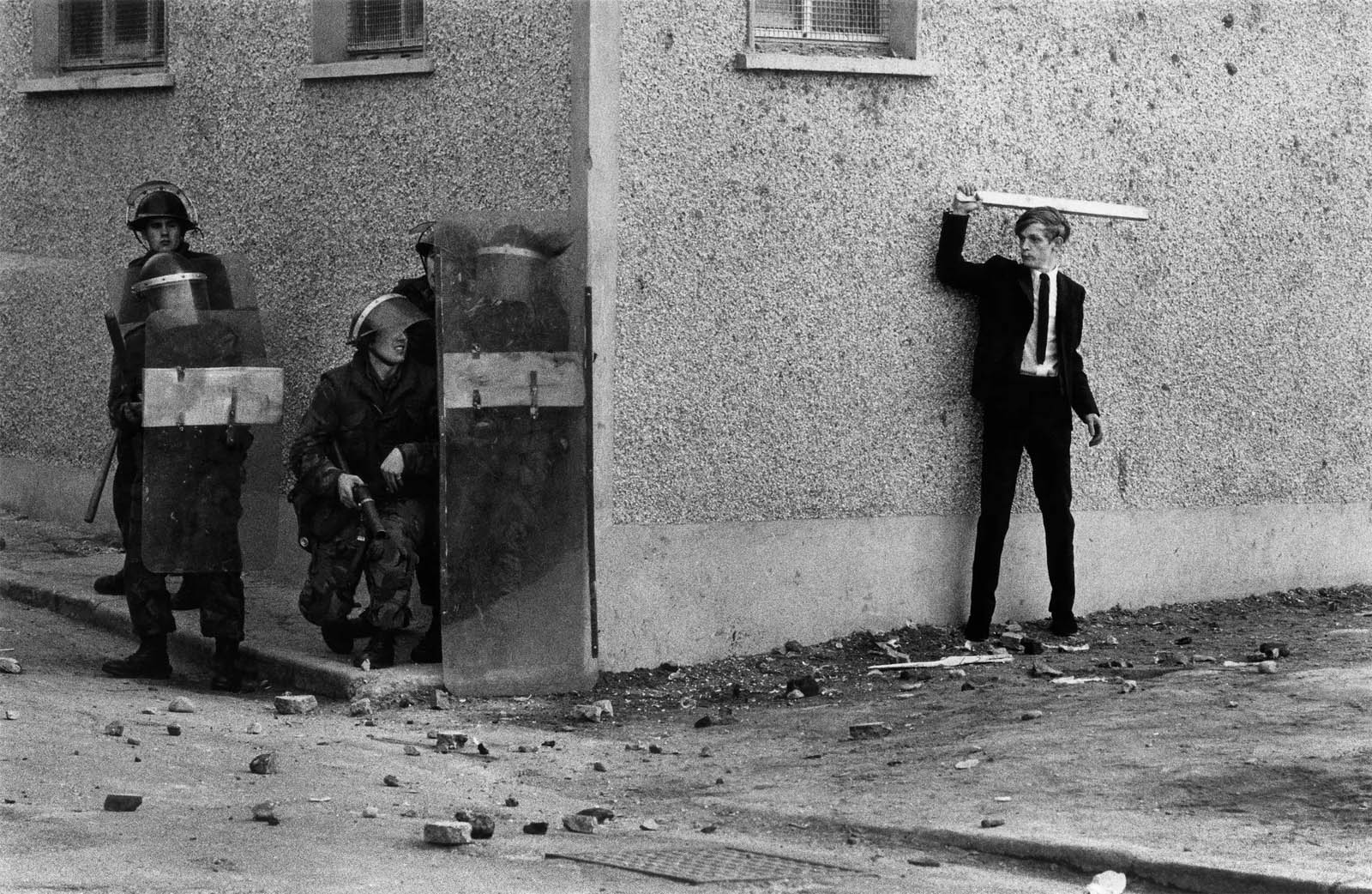
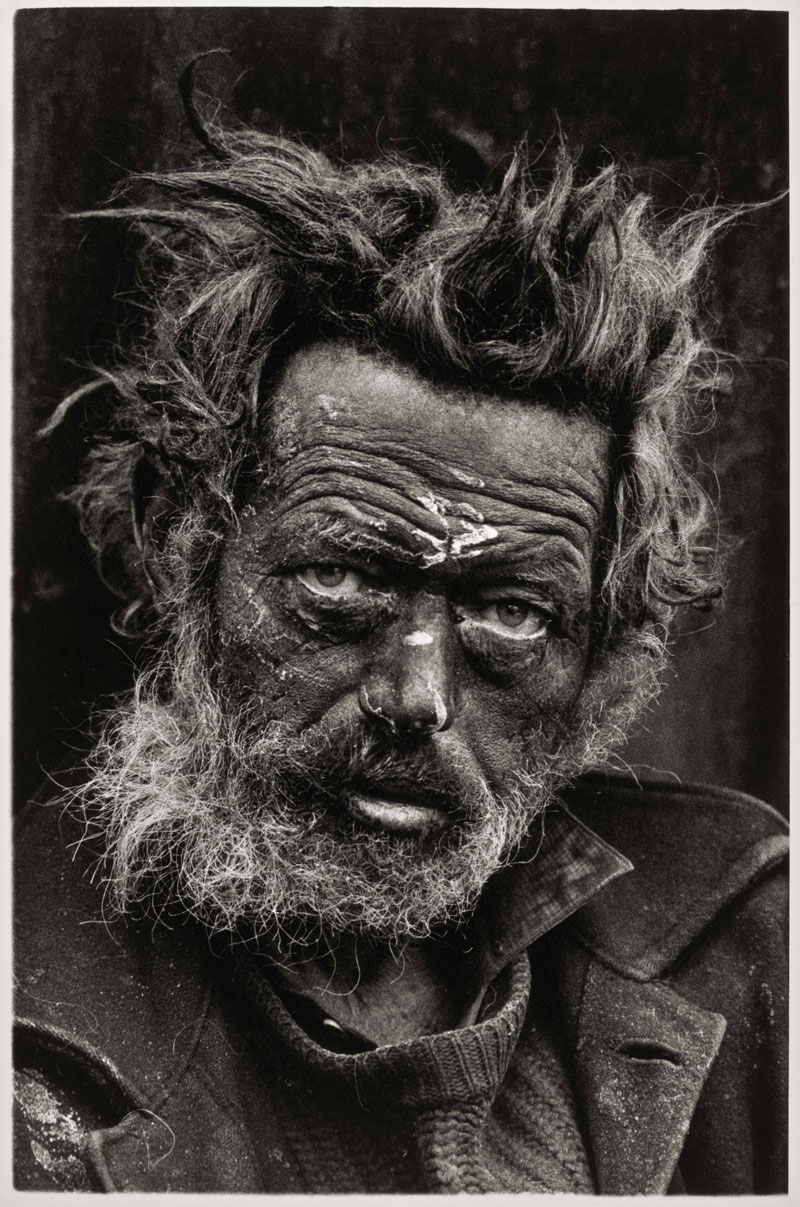
Throughout the 1970s, McCullin continued to cover conflict in Northern Ireland, Cambodia, and Lebanon, while also turning his camera on the deprivation he found closer to home. His photographs of homeless men sleeping rough in Spitalfields and of the declining industrial communities of northern England are among his most powerful domestic works, revealing that the suffering he documented abroad had its counterparts in the poverty and neglect of British society. These images were not incidental to his war photography; they were its complement, evidence of a consistent moral vision that refused to look away from hardship wherever it was found.
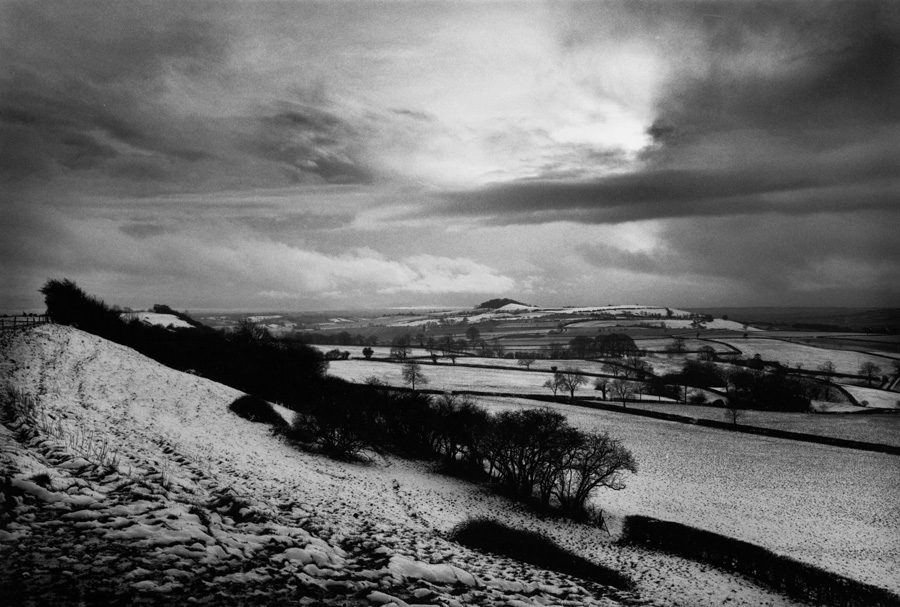
In 1984, the Thatcher government refused McCullin a press visa to cover the Falklands War, a decision widely interpreted as an attempt to prevent the kind of unflinching coverage that had characterised his Vietnam reporting. The exclusion marked a turning point. Increasingly disillusioned with the politics of conflict journalism, McCullin began to spend more time in Somerset, where he had settled, photographing the English landscape with the same intensity he had brought to the battlefield. His landscape work, rendered in rich, brooding black and white, reveals a sensibility shaped by decades of witnessing violence seeking peace in the forms of the natural world.
McCullin was knighted in 2017, and a major retrospective at Tate Britain in 2019 confirmed his standing as one of the most important British photographers of the twentieth century. His work is held in collections worldwide, and his influence on subsequent generations of conflict photographers, from James Nachtwey to Gilles Peress, is profound. Yet McCullin himself remains deeply ambivalent about his legacy, haunted by the memories of what he has seen and by the question of whether his photographs made any difference to the people whose suffering they recorded.
What sets McCullin apart is not merely technical mastery or physical courage, though he possesses both in abundance. It is his refusal to separate the act of photography from the moral responsibility of witness. He has never treated war as aesthetic material or human suffering as a vehicle for artistic expression. His photographs demand engagement, not admiration. They are documents of conscience, made by a man who went to the worst places on earth and brought back images that insist we look at what we would rather not see.