David Hurn was born in 1934 in Cardiff, Wales, and grew up with little sense that photography would become his life's work. He attended a boarding school in Somerset where he was, by his own account, an indifferent student, and he drifted through his early twenties without a fixed purpose. His conversion to photography came suddenly and dramatically in 1955, when, while doing his National Service with the Royal Signals, he picked up a camera and discovered an affinity that would shape the rest of his life. Within a year, he was working as a freelance photographer, and within two, he had produced one of the most remarkable bodies of conflict photography of the Cold War era.
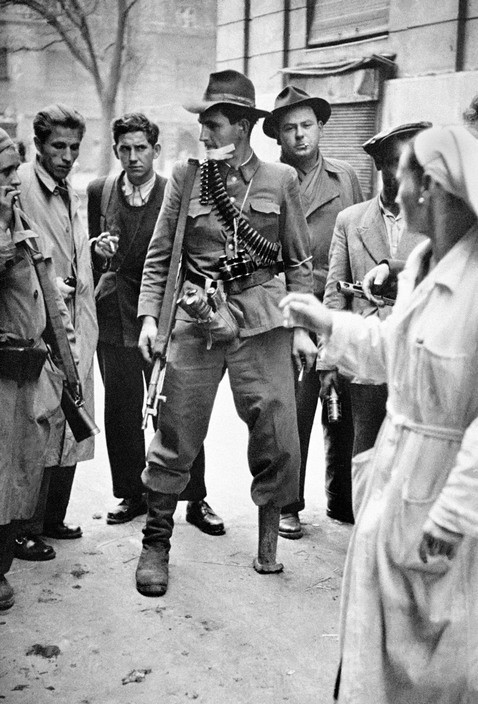
In October 1956, Hurn travelled to Budapest to cover the Hungarian Revolution, the popular uprising against Soviet domination that was crushed by the Red Army within weeks. His photographs from Budapest were remarkable for their immediacy and humanity: rather than focusing on the spectacle of violence, Hurn captured the confusion, fear, and courage of ordinary people caught in the chaos of revolution. The Hungarian photographs brought him to international attention and established his reputation as a documentary photographer of exceptional sensitivity.
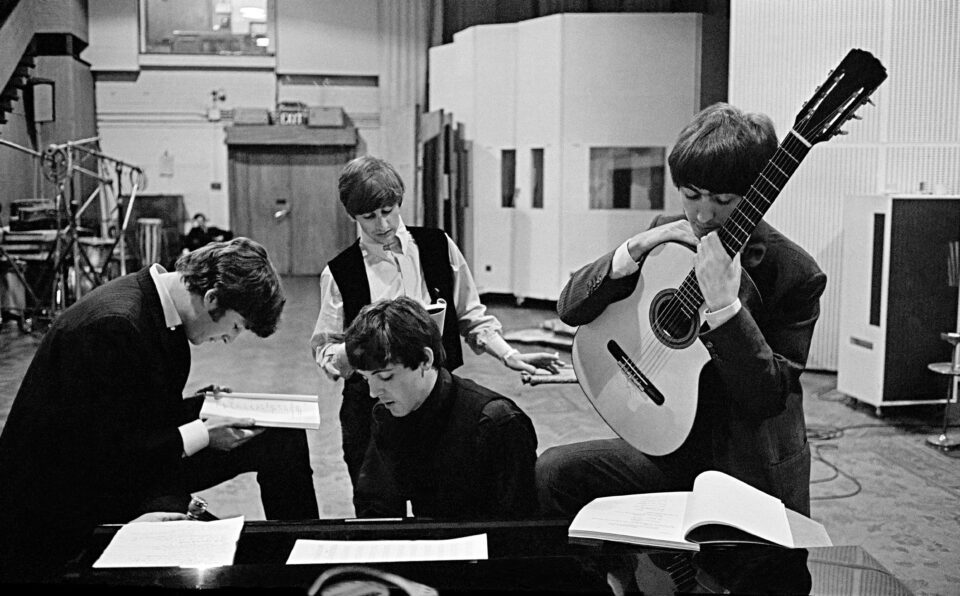
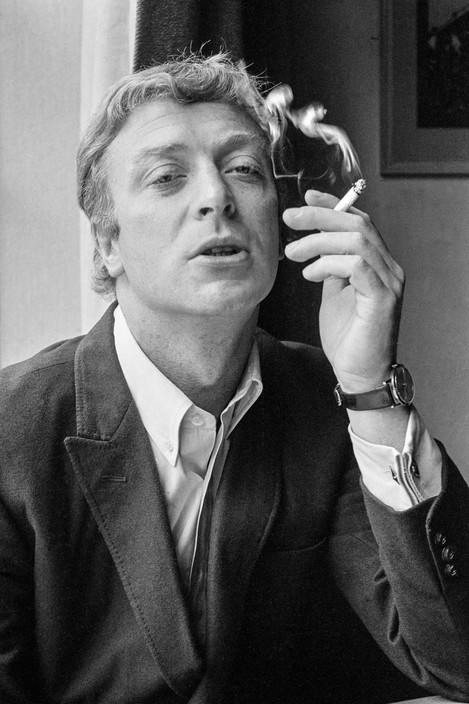
In the late 1950s and 1960s, Hurn worked extensively as a photographer of film sets, a specialism that allowed him to exercise his documentary instincts in a glamorous setting while building relationships with major directors and actors. He photographed on the sets of numerous films, including several James Bond productions, and his images of Sean Connery, Jane Fonda (in Barbarella), Audrey Hepburn, and other stars of the era possess the spontaneity and psychological insight of his documentary work rather than the staged quality of conventional publicity photography.
In 1967, Hurn was elected to Magnum Photos, a recognition of the quality and consistency of his documentary practice. His Magnum membership placed him within a tradition of humanistic photography that valued personal vision, sustained engagement with subjects, and a commitment to the long-term project over the quick assignment. These values aligned perfectly with Hurn's own instincts, and he remained a committed and active member of Magnum throughout his career.
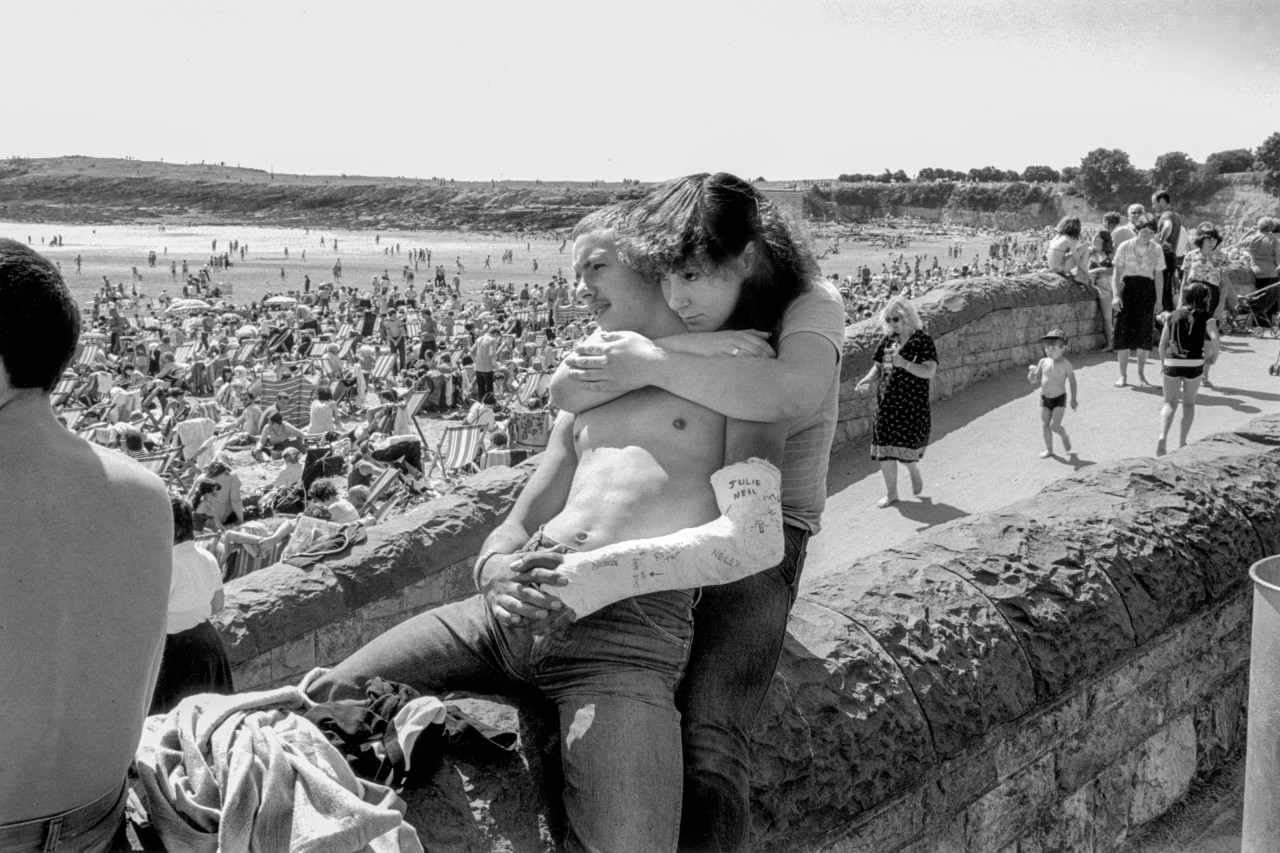
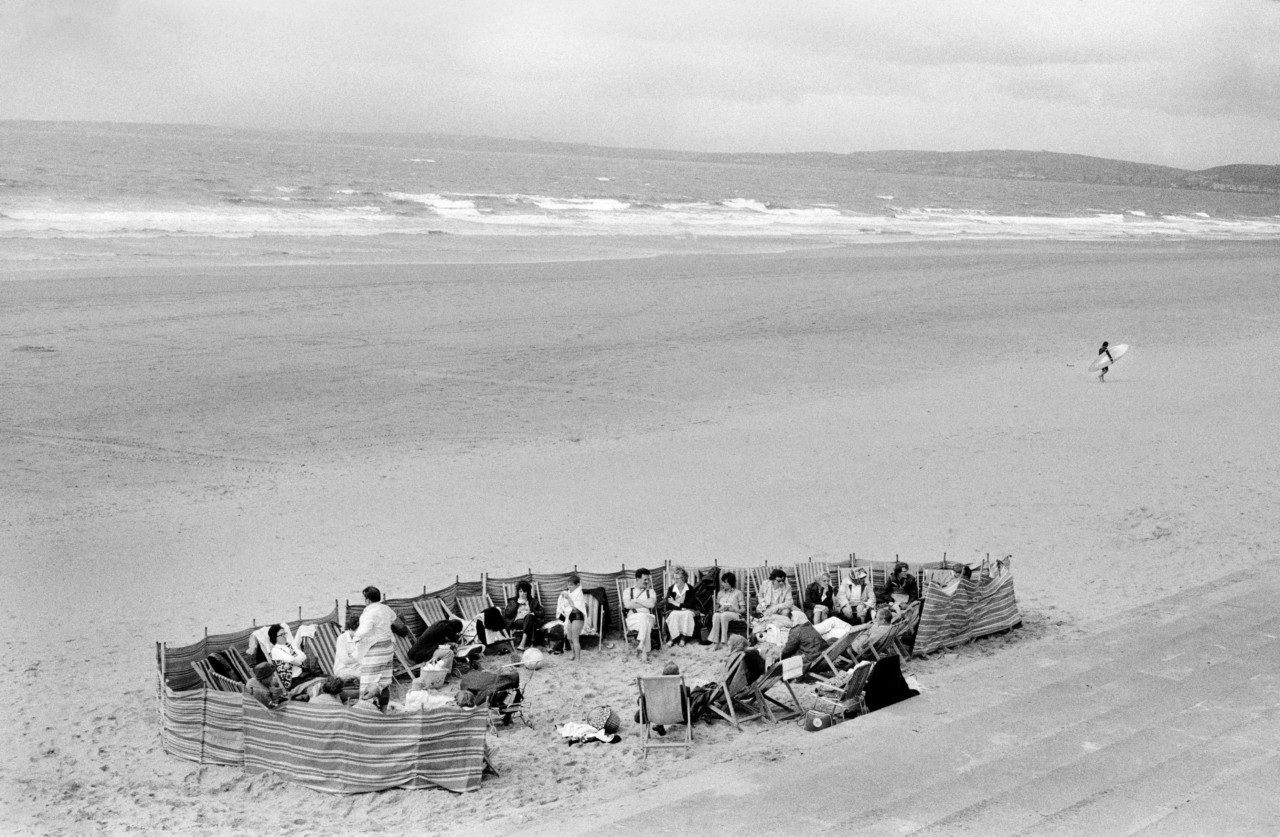
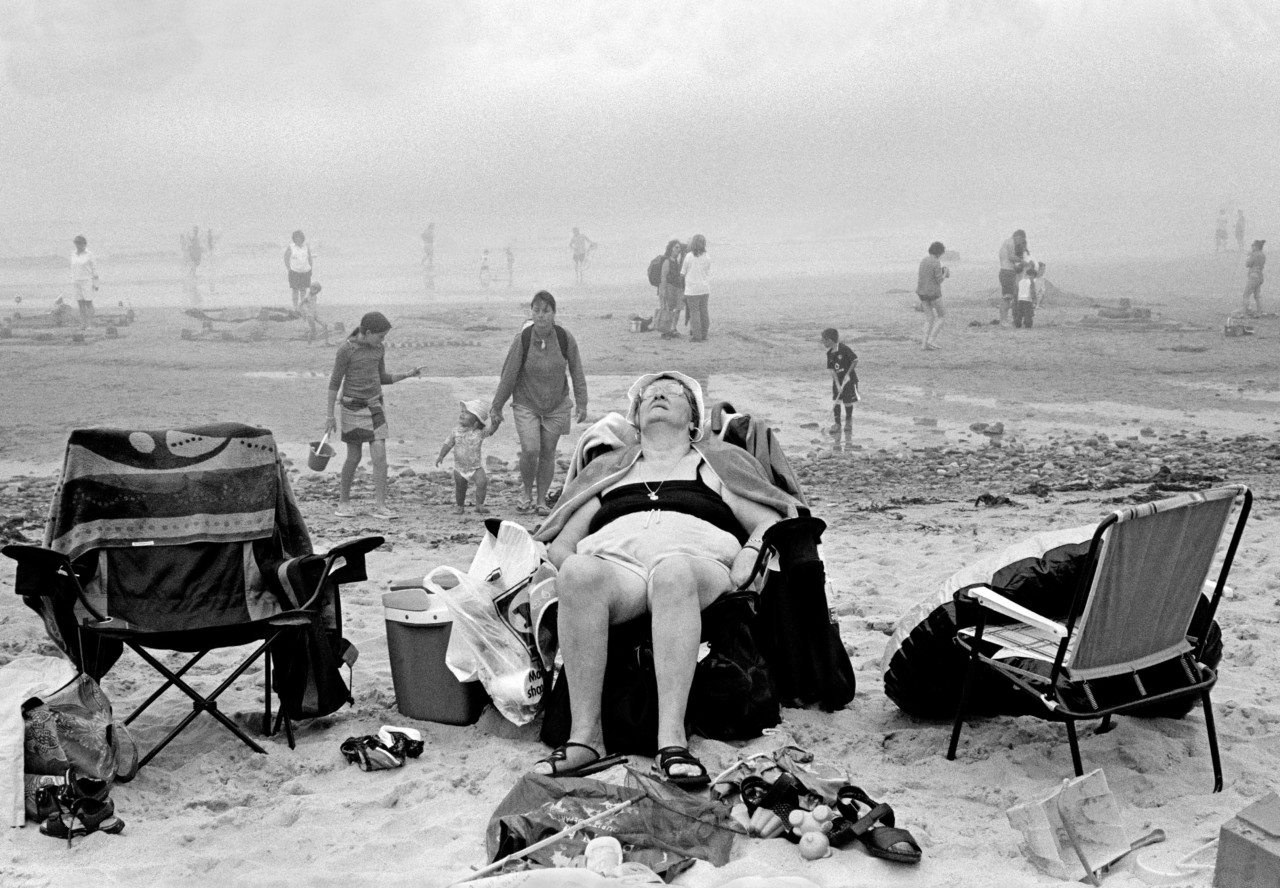
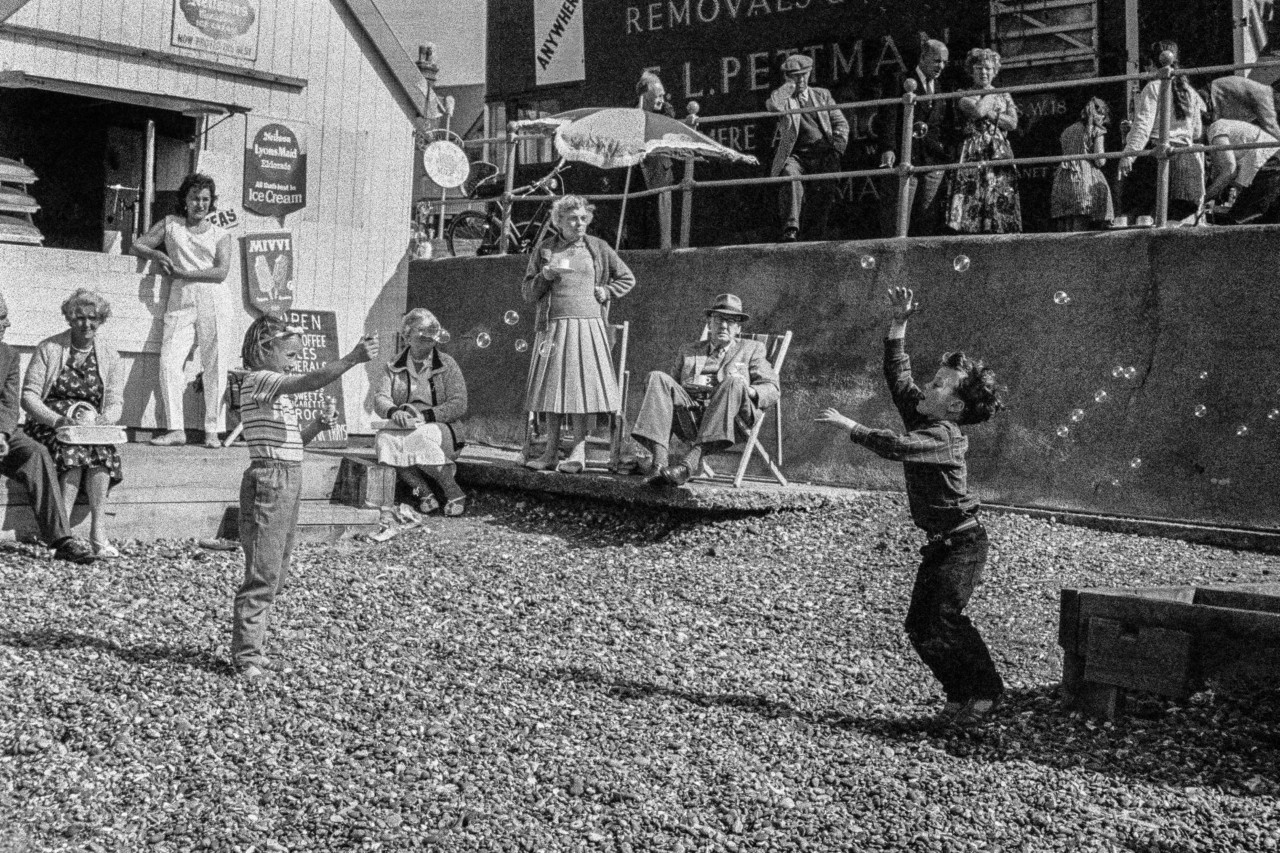
In the early 1970s, Hurn made a decision that would define the second half of his career: he returned to Wales. While many of his Magnum colleagues pursued international assignments in distant conflict zones, Hurn chose to focus on the world he knew best, photographing the landscapes, communities, and daily rituals of Welsh life with a warmth, humour, and affection that never tipped into sentimentality. His Welsh photographs — of seaside holidays at Barry Island, agricultural shows, rugby matches, mining communities, and the ordinary pleasures of a small country with a distinct culture — constitute one of the most sustained and loving visual portraits of a place produced by any photographer in the late twentieth century.
Alongside his photographic practice, Hurn became one of the most influential photography teachers in Britain. In 1973, he established the School of Documentary Photography at the University of Wales, Newport (now the University of South Wales), which became one of the most respected photographic education programmes in Europe. His teaching philosophy was characteristically straightforward: photograph what you love, work close to home, be patient, be honest, and trust that the photograph of genuine feeling will always be more powerful than the photograph of spectacle. His influence on subsequent generations of British documentary photographers has been immense.
Hurn co-authored On Being a Photographer with Bill Jay, a book of conversations about the practice of photography that has become one of the most widely read texts on the subject. The book distils Hurn's decades of experience into practical, humane advice about how to find subjects, how to approach people, how to build projects, and how to maintain the enthusiasm and curiosity without which no photographic career can sustain itself.
Now in his nineties, David Hurn remains one of the most beloved figures in British photography. His body of work — from the streets of revolutionary Budapest to the beaches of South Wales — demonstrates that the range of a photographer is measured not in miles travelled but in the depth of attention brought to bear on the world before the lens. His legacy is both a remarkable archive of images and a philosophy of practice: that the best photographs are made when the photographer cares deeply about the subject, that documentary photography is an act of love, and that the extraordinary is always to be found within the ordinary.