David Royston Bailey was born in 1938 in Leytonstone, in the East End of London, into a working-class family that could scarcely have been further from the world of fashion, art, and celebrity that he would come to dominate. His father was a tailor's cutter, his mother a machinist. Bailey was severely dyslexic at a time when the condition was neither understood nor accommodated, and his schooling was an unhappy experience that left him largely self-educated. What he possessed in abundance, however, was visual intelligence — an instinctive ability to see, to compose, and to recognise the moment when a face or a scene offered itself to the camera.
Bailey's introduction to photography came during his National Service with the Royal Air Force in 1956, when he was stationed in Singapore and acquired his first camera. He was immediately captivated by the medium and, upon his return to London, talked his way into a position as an assistant to the fashion photographer John French. The apprenticeship was brief but formative: Bailey absorbed the technical fundamentals of studio lighting and magazine work, but what he brought to the profession was entirely his own — a raw, confrontational energy that shattered the genteel conventions of 1950s fashion photography.
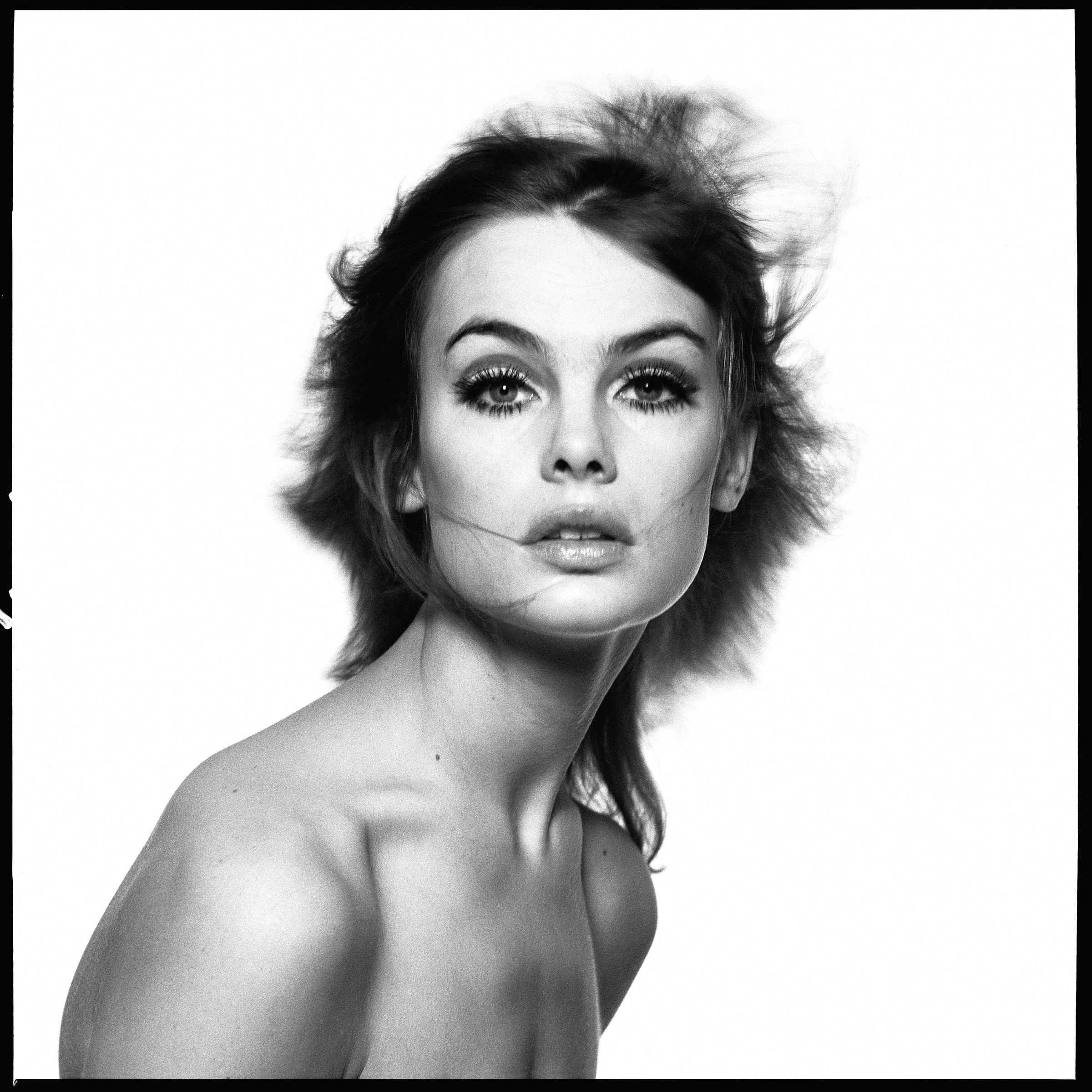
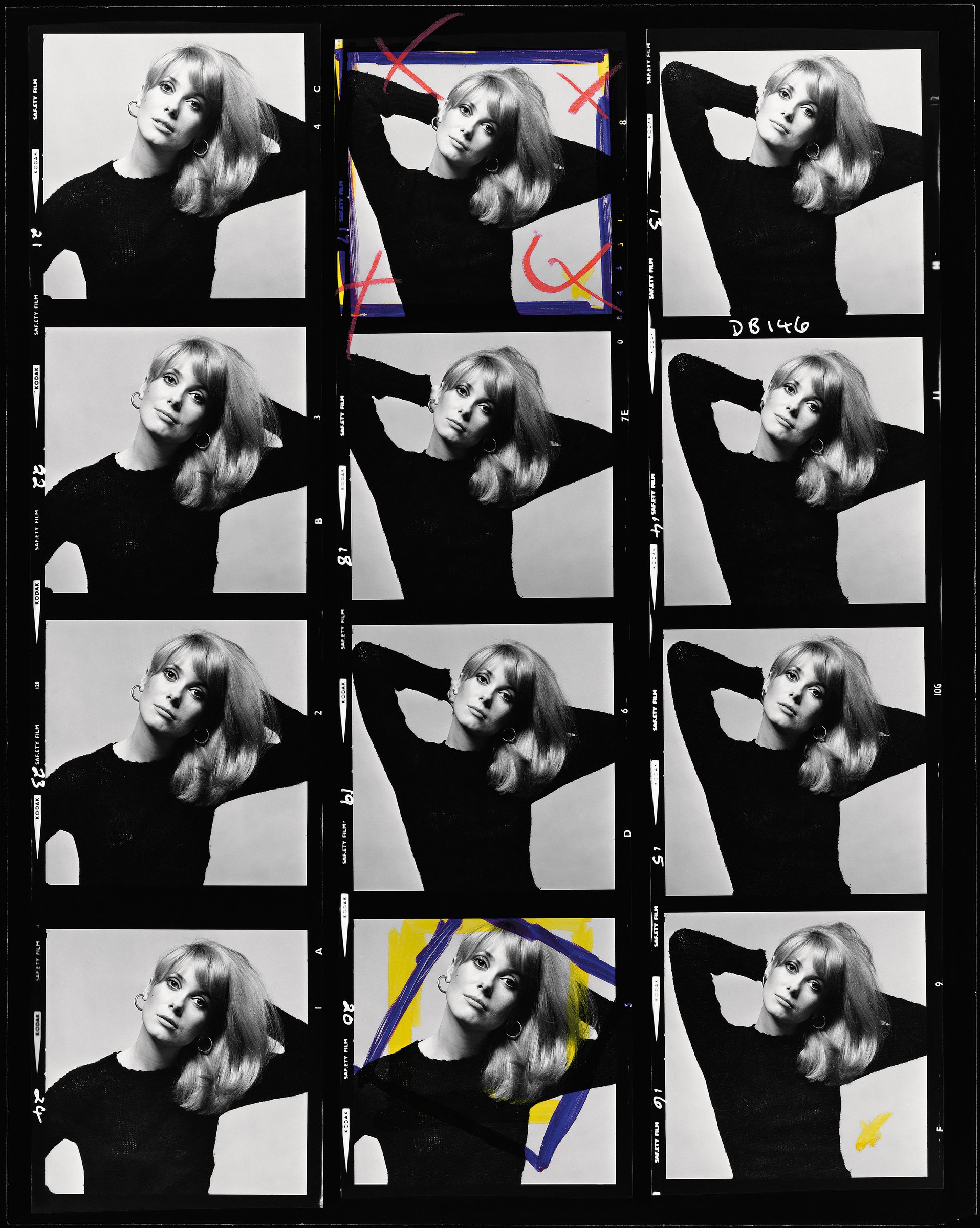
In 1960, at the age of twenty-two, Bailey was hired as a contract photographer by British Vogue, joining Terence Donovan and Brian Duffy — the trio that the journalist Norman Parkinson dubbed the Terrible Three — who together would revolutionise fashion photography in Britain. Where the previous generation of fashion photographers had treated models as mannequins to be arranged in static, elegant poses, Bailey brought a spontaneity, a sexuality, and a graphic boldness that reflected the energy of the emerging youth culture. His photographs crackled with life: models moved, laughed, strode toward the camera with the confidence of people who knew the world was changing and that they were at its centre.
Bailey's collaboration with the model Jean Shrimpton, both his professional partner and romantic companion, produced some of the most iconic fashion photographs of the twentieth century. Their 1962 shoot for British Vogue in New York — Shrimpton striding through the city streets in a simple shift dress, the backgrounds gritty and urban rather than the usual studio backdrop — announced a new era in fashion imagery. The photographs placed the model in the real world, surrounded by traffic, pedestrians, and the raw texture of the city, and the effect was electrifying.
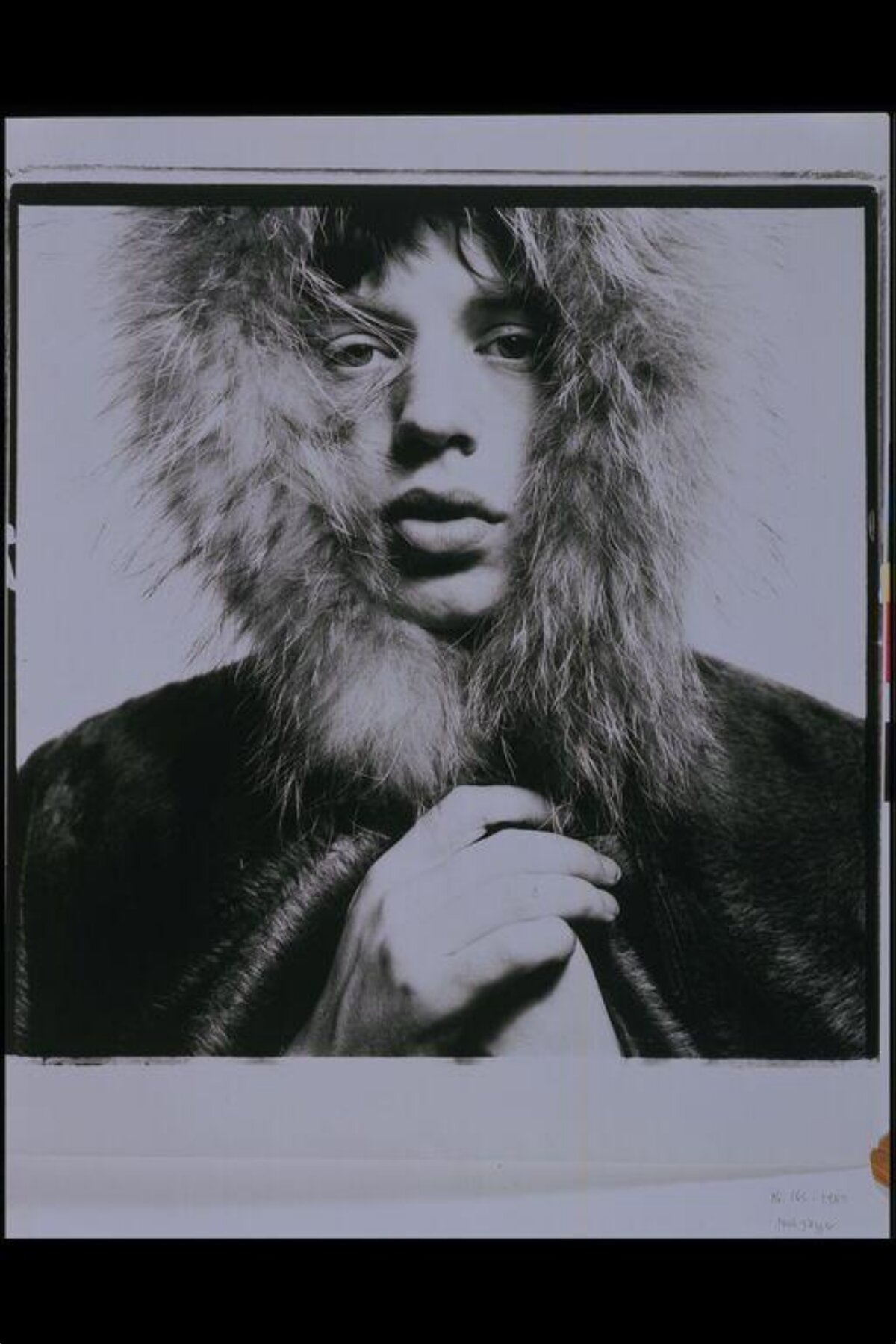
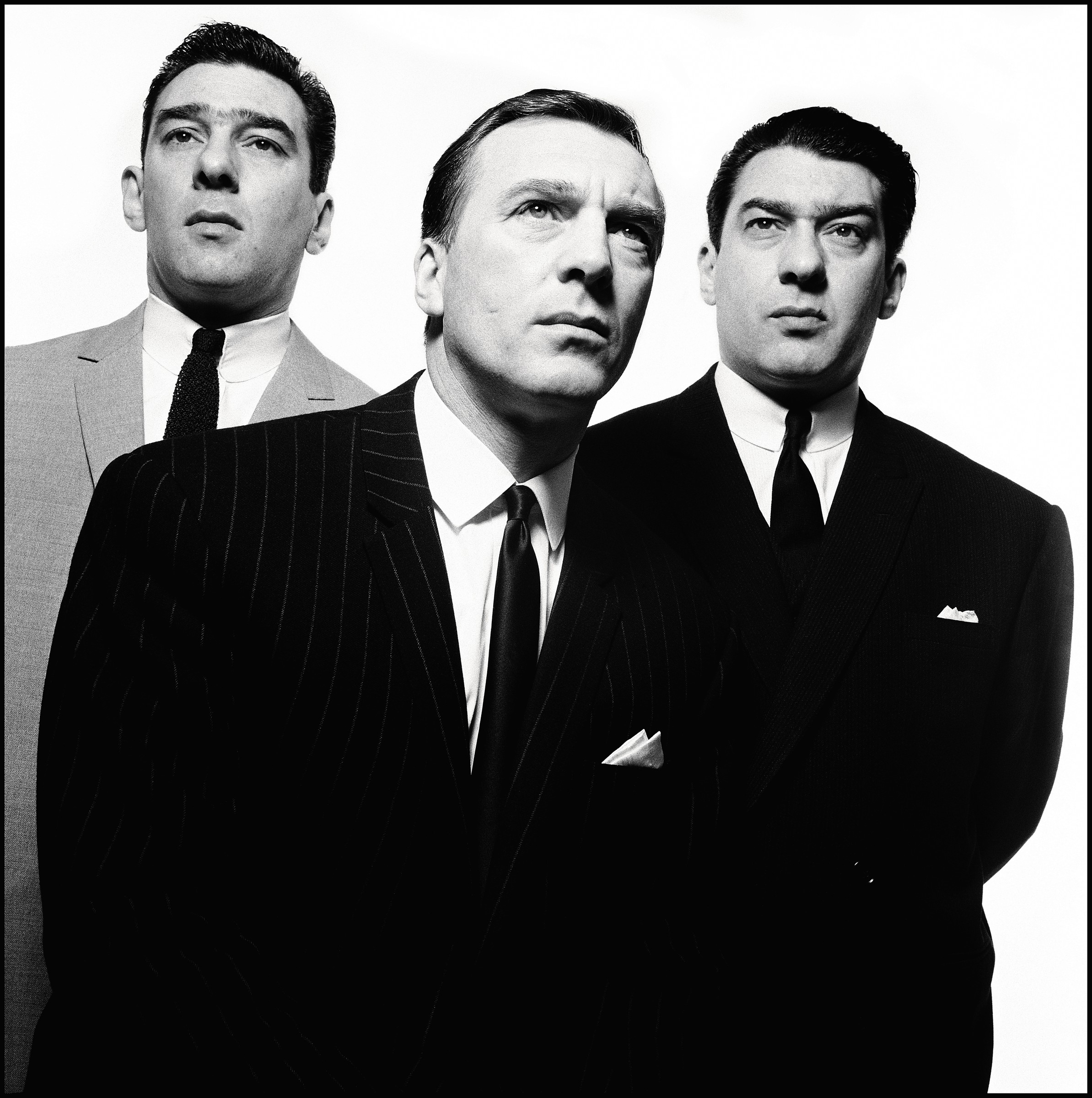
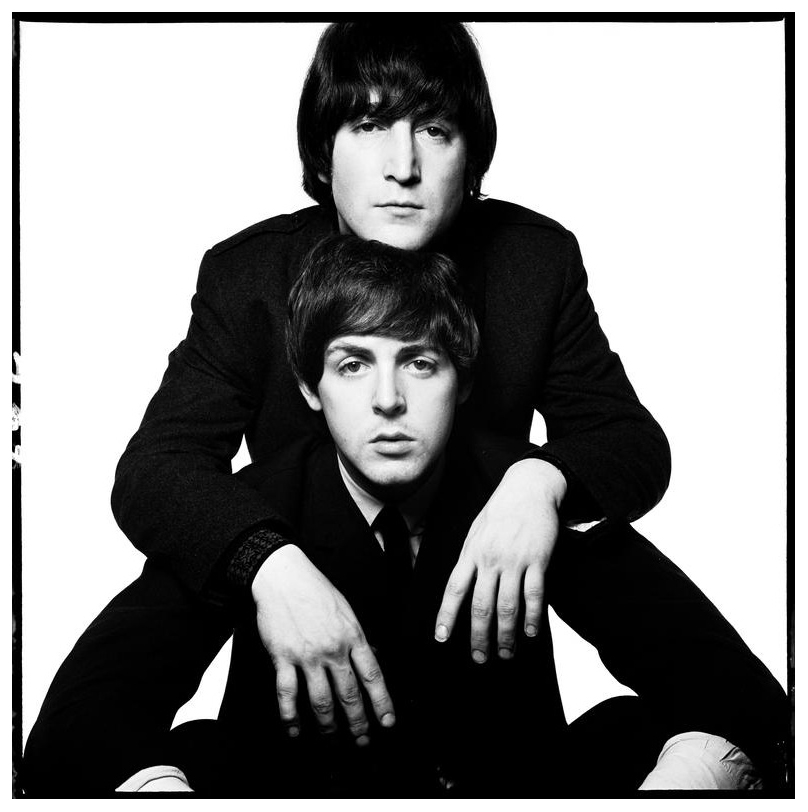
In 1965, Bailey published David Bailey's Box of Pin-Ups, a portfolio of thirty-six portraits of the people who defined Swinging London: the Beatles, the Rolling Stones, the Kray twins, Rudolf Nureyev, Andy Warhol, and others from the worlds of fashion, music, film, and the London underworld. The box was a cultural event in itself, a visual manifesto that declared the arrival of a new meritocratic elite in which talent, energy, and style mattered more than birth or breeding. Bailey, the dyslexic boy from the East End, had become both the chronicler and the embodiment of this revolution.
Bailey's influence extended well beyond fashion photography. His persona — the working-class photographer who moved as an equal among the famous and the powerful — inspired the character of Thomas in Michelangelo Antonioni's 1966 film Blow-Up, one of the defining films of the decade. His directness, his refusal of deference, and his instinct for the bold, graphic image influenced not only photography but the broader visual culture of the 1960s and beyond.
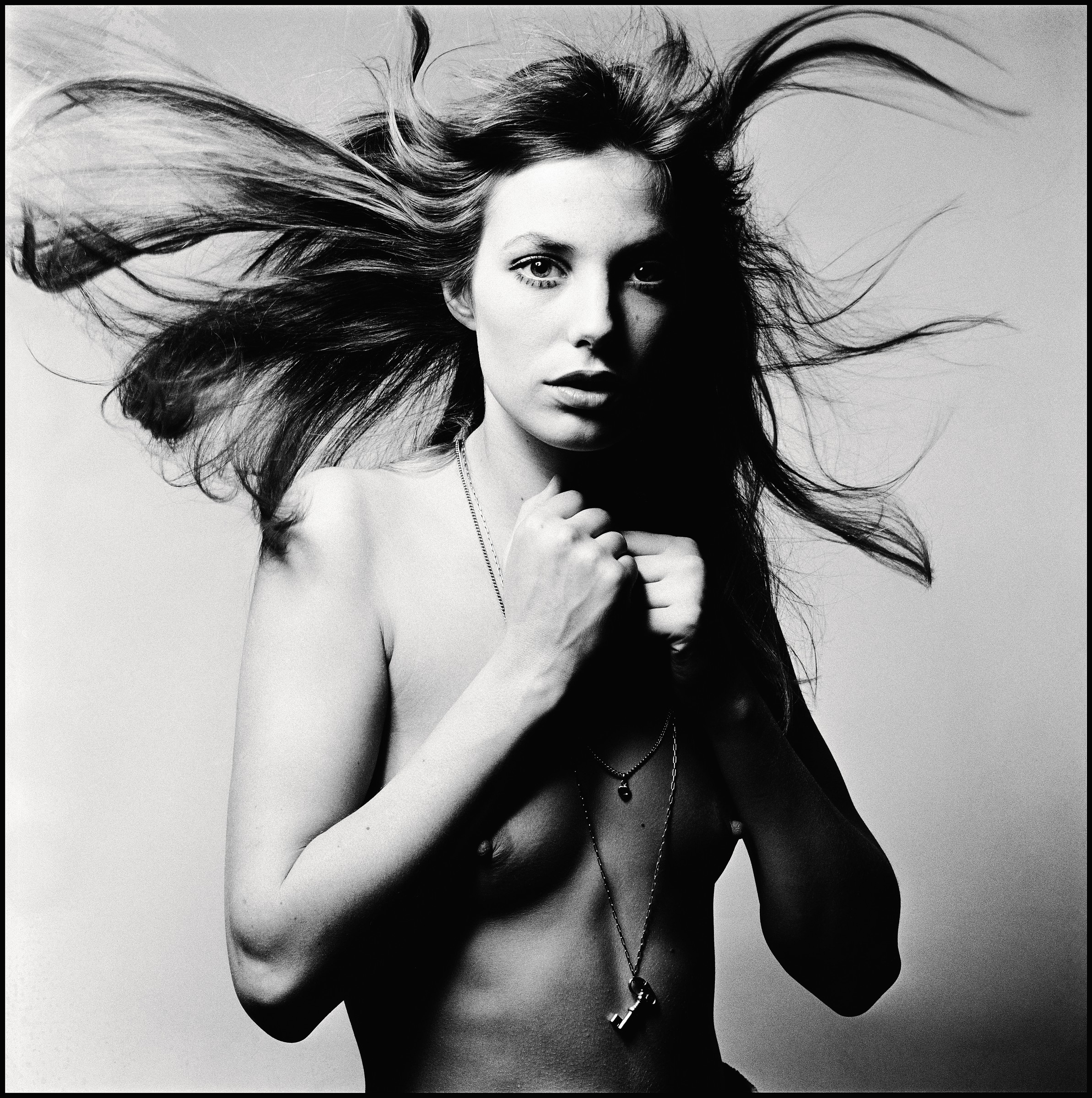
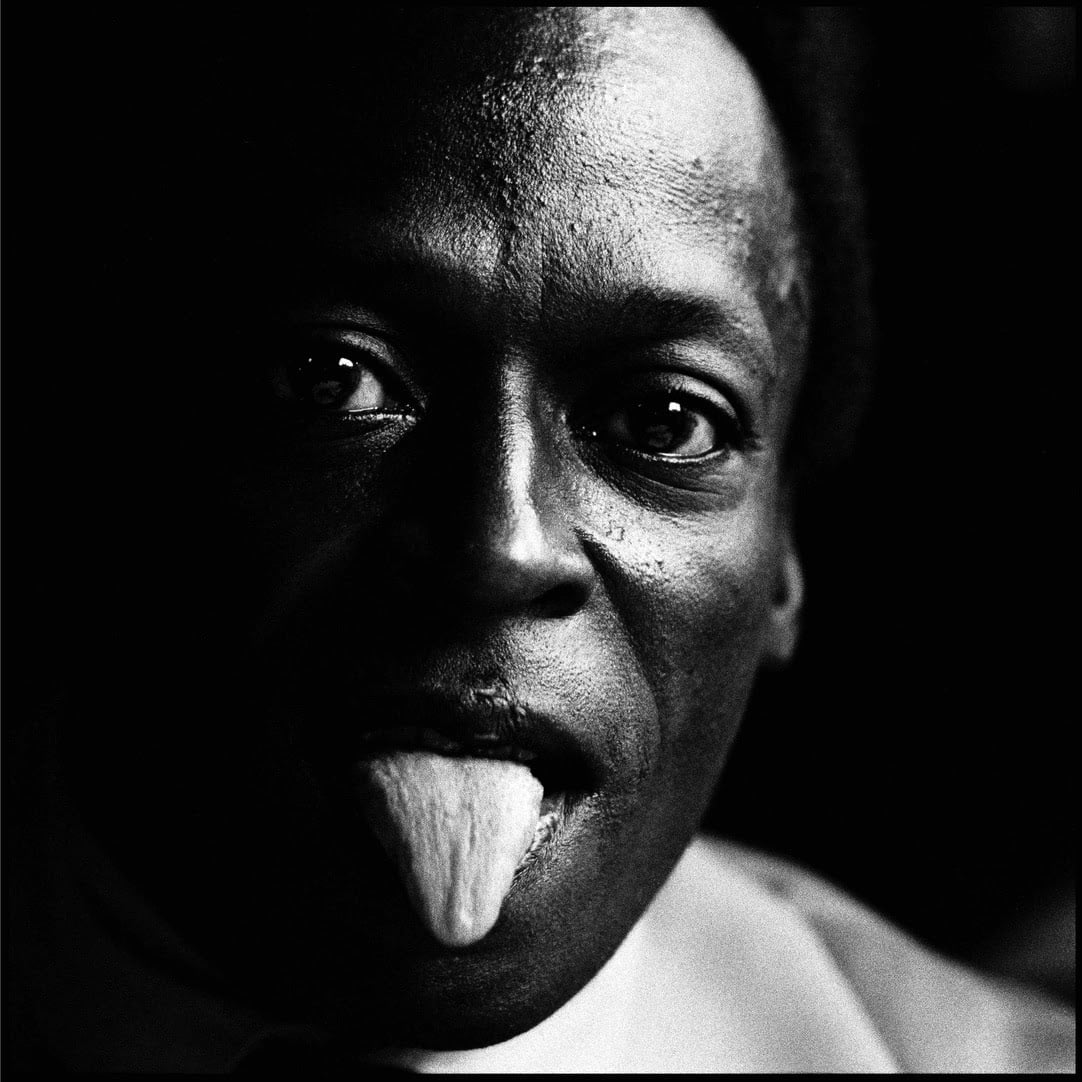
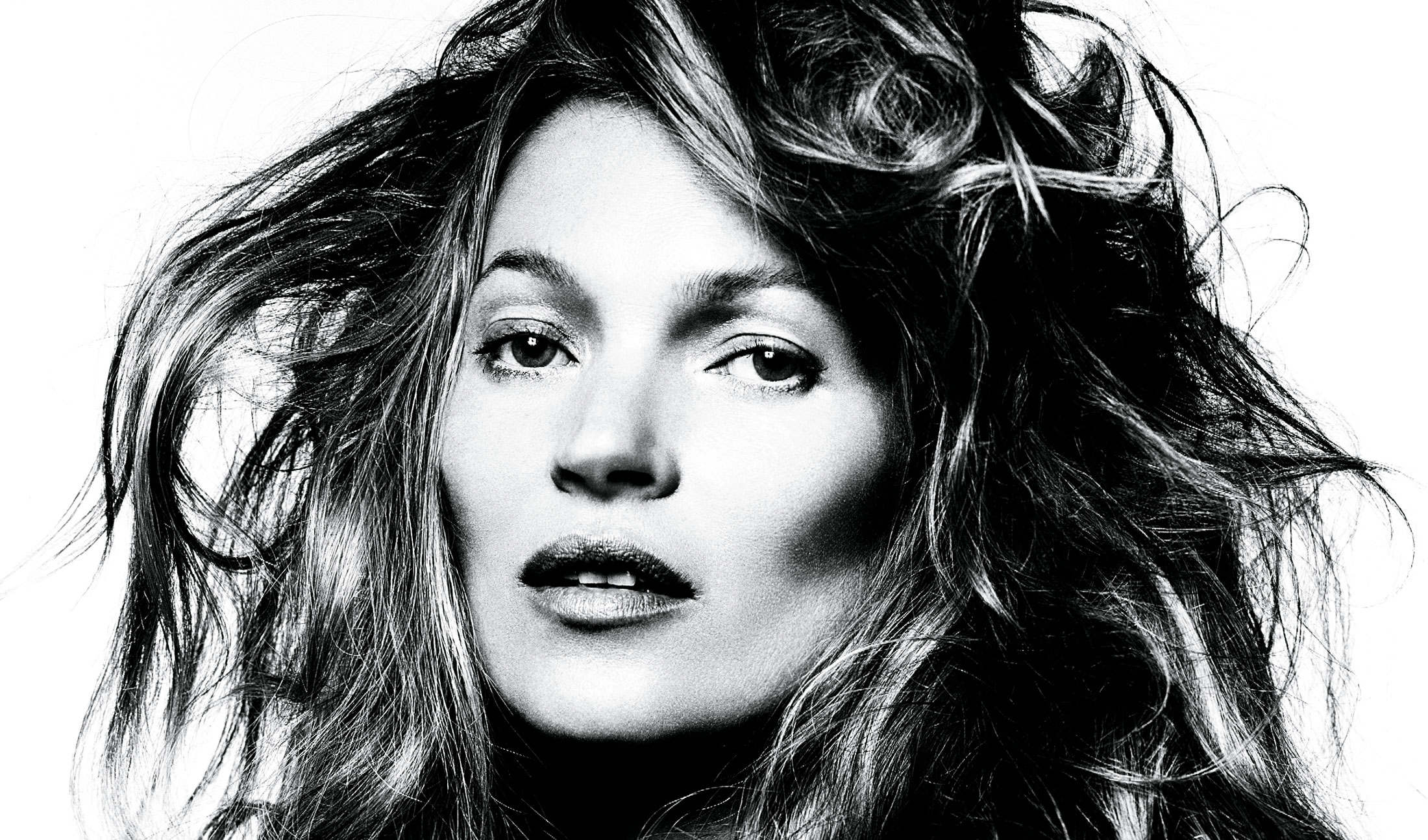
Over the following decades, Bailey continued to produce an extraordinary volume of work, ranging from fashion and portraiture to documentary projects, television films, and painting. He photographed virtually every major cultural figure of the late twentieth century, from Francis Bacon to Nelson Mandela, from Jack Nicholson to Damien Hirst. His portraiture retained the directness and graphic punch of his 1960s work, but it also deepened: the later portraits reveal a greater psychological complexity, a willingness to let the subject's age, experience, and vulnerability show through.
Now in his late eighties, David Bailey remains one of the most celebrated and prolific photographers alive. His career spans more than six decades, and his archive of portraits constitutes an unparalleled visual record of British and international cultural life. He was appointed a Commander of the Order of the British Empire in 2001, and his work is held in the permanent collections of the National Portrait Gallery, the Victoria and Albert Museum, and institutions worldwide. His legacy is not merely a body of photographs but a transformation of the medium itself — a demonstration that fashion photography could be art, that portraiture could be confrontation, and that the camera could be wielded with the same rebellious energy as a guitar.