David Alan Harvey was born in 1944 in San Francisco and grew up in Virginia, where his photographic life began remarkably early. At the age of eleven, he received a camera from his father and almost immediately began a long-term documentary project photographing an African American family in Norfolk, Virginia. This body of work, eventually published as Tell It Like It Is, was astonishing not only for the maturity of its vision but for the depth of relationship it represented — the young Harvey spent years gaining the trust and intimacy required to produce photographs of such unguarded honesty. The project established the pattern that would define his entire career: total immersion in a community, sustained over months or years, resulting in images that could only have been made by someone who was genuinely present in the lives of his subjects.
Harvey studied at the Richmond Professional Institute (now Virginia Commonwealth University) and at the University of Missouri School of Journalism, one of the most respected photojournalism programmes in the United States. His formal education reinforced the commitment to narrative and to the long-form story that had characterised his work from childhood. After completing his studies, he began contributing to National Geographic, an association that would last for decades and produce some of the most memorable essays in the magazine's history.
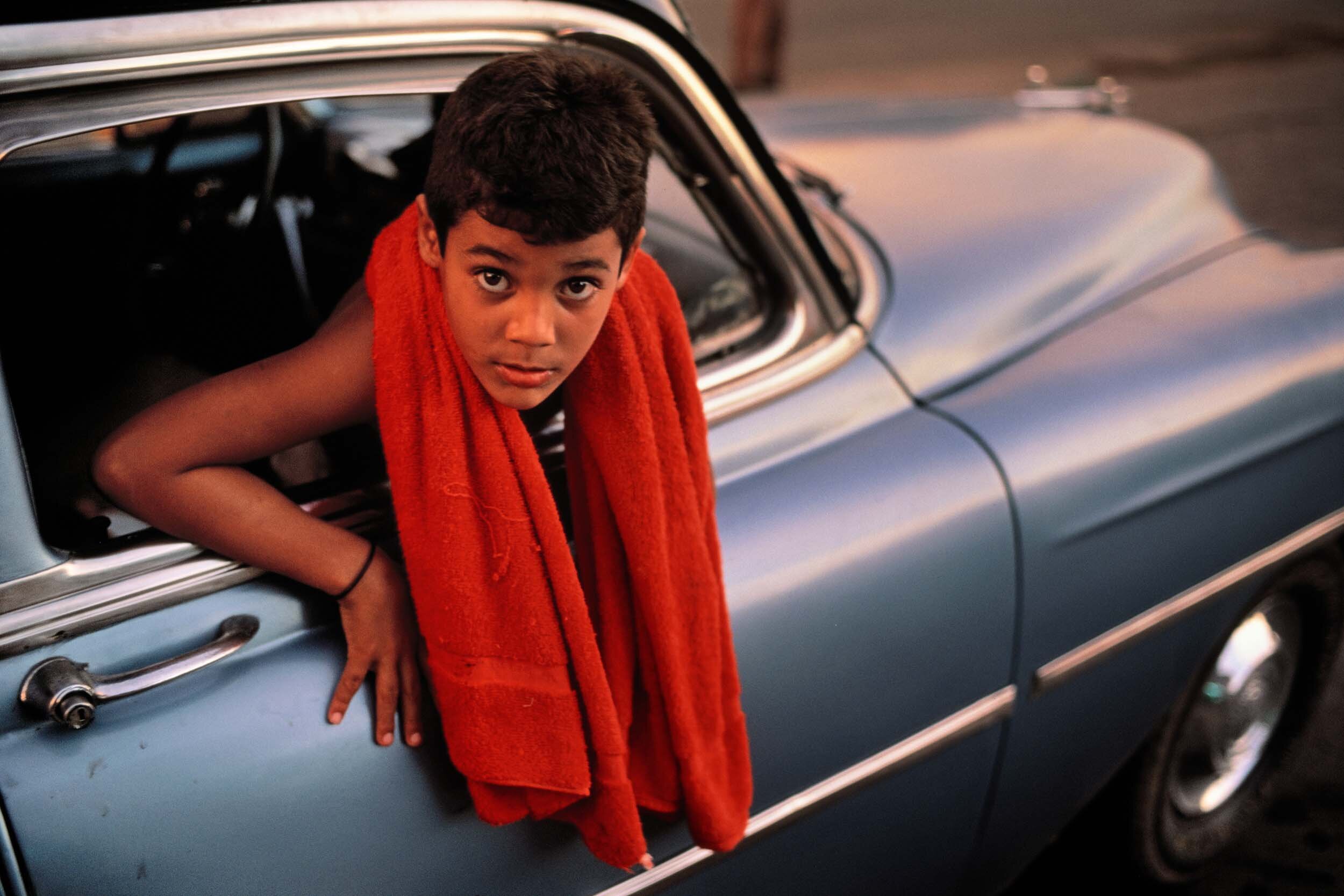
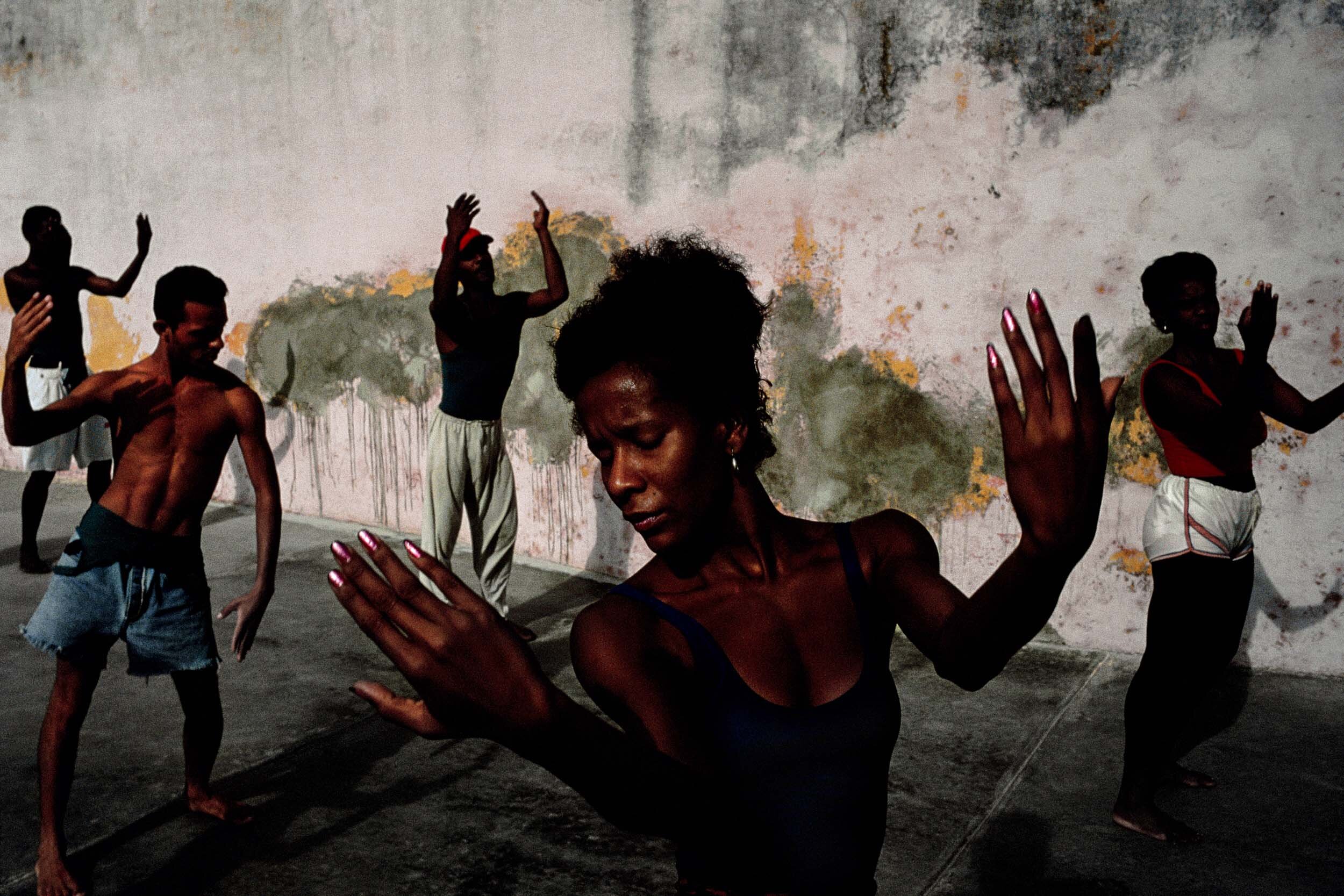
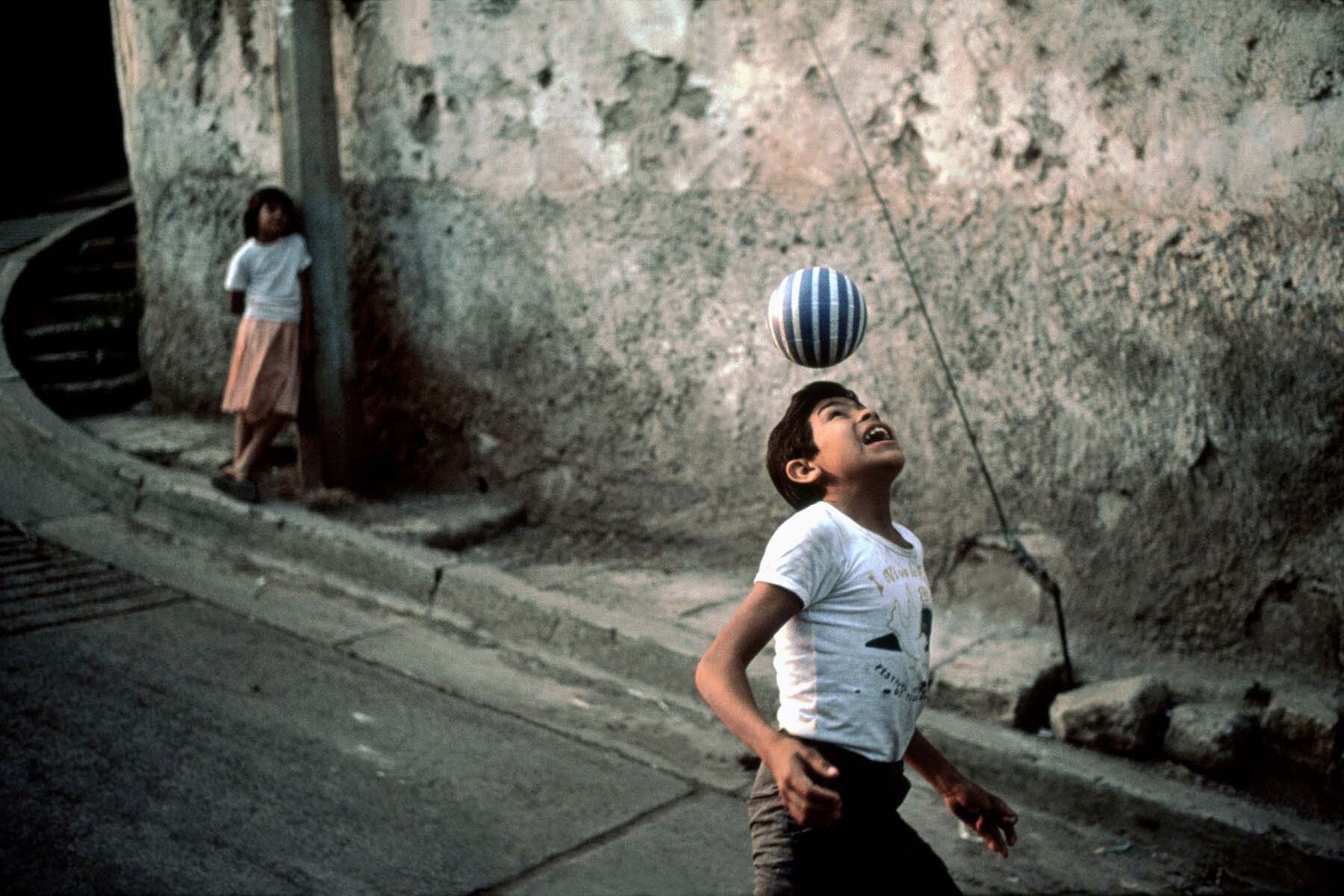
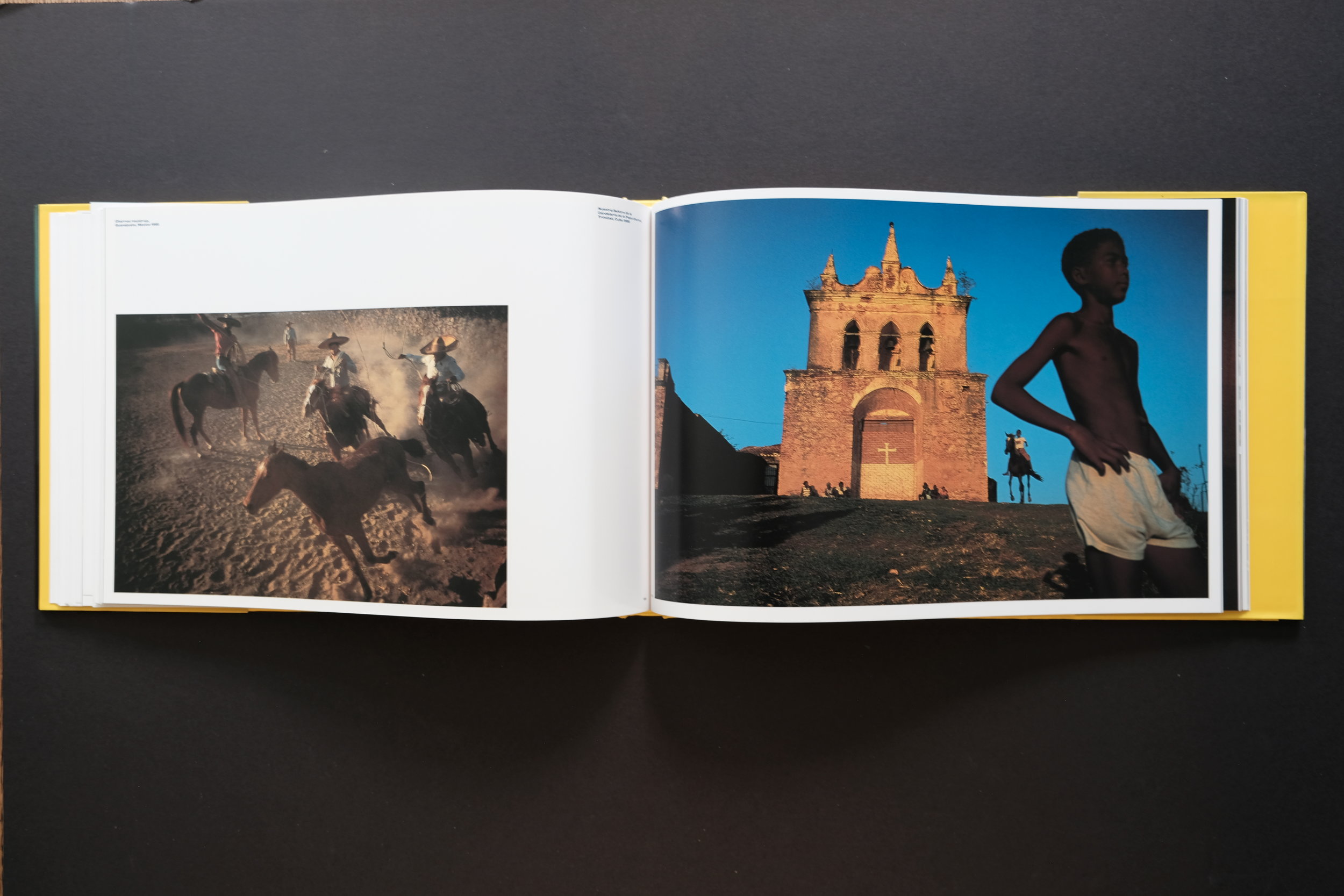
His work for National Geographic took him throughout Latin America, Spain, and the Caribbean, regions whose cultures, music, dance, and visual intensity became the great subjects of his photographic life. Harvey's colour work from these regions is distinctive for its saturated palette, its emotional charge, and its sense of being made from inside the event rather than observing it from outside. His photographs of flamenco dancers in Seville, carnival in Rio de Janeiro, street life in Havana, and Maya communities in Guatemala pulse with an energy that reflects both the vibrancy of the cultures he documented and the intensity of his own engagement with them.
In 1993, Harvey was elected to Magnum Photos, joining the cooperative whose founding principles of personal vision and editorial independence aligned perfectly with his own approach. His membership in Magnum provided a framework for the kind of extended, self-directed projects that he valued most, and it placed him within a community of photographers who shared his belief that the best photographic work requires time, commitment, and a willingness to be transformed by the encounter with one's subject.
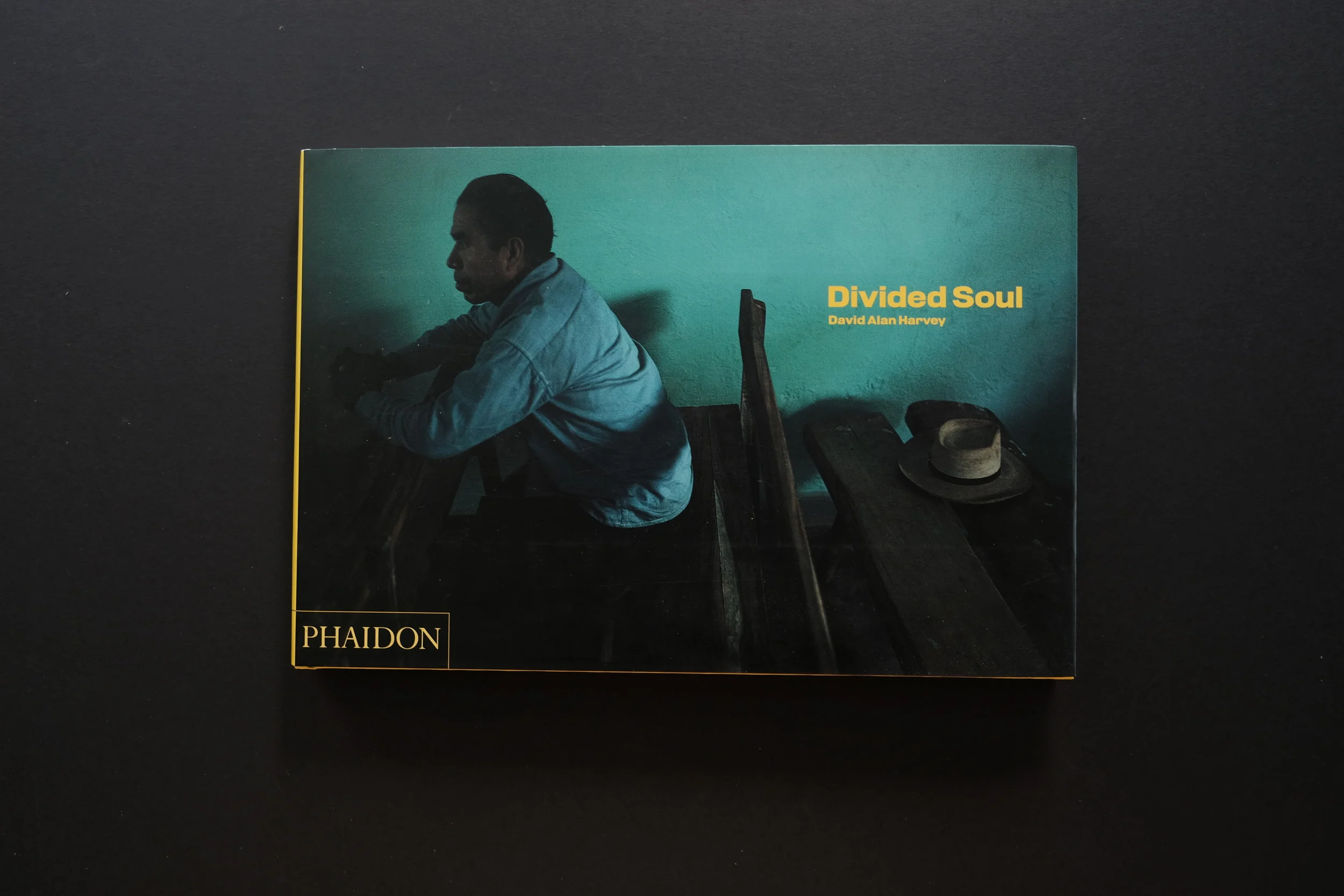
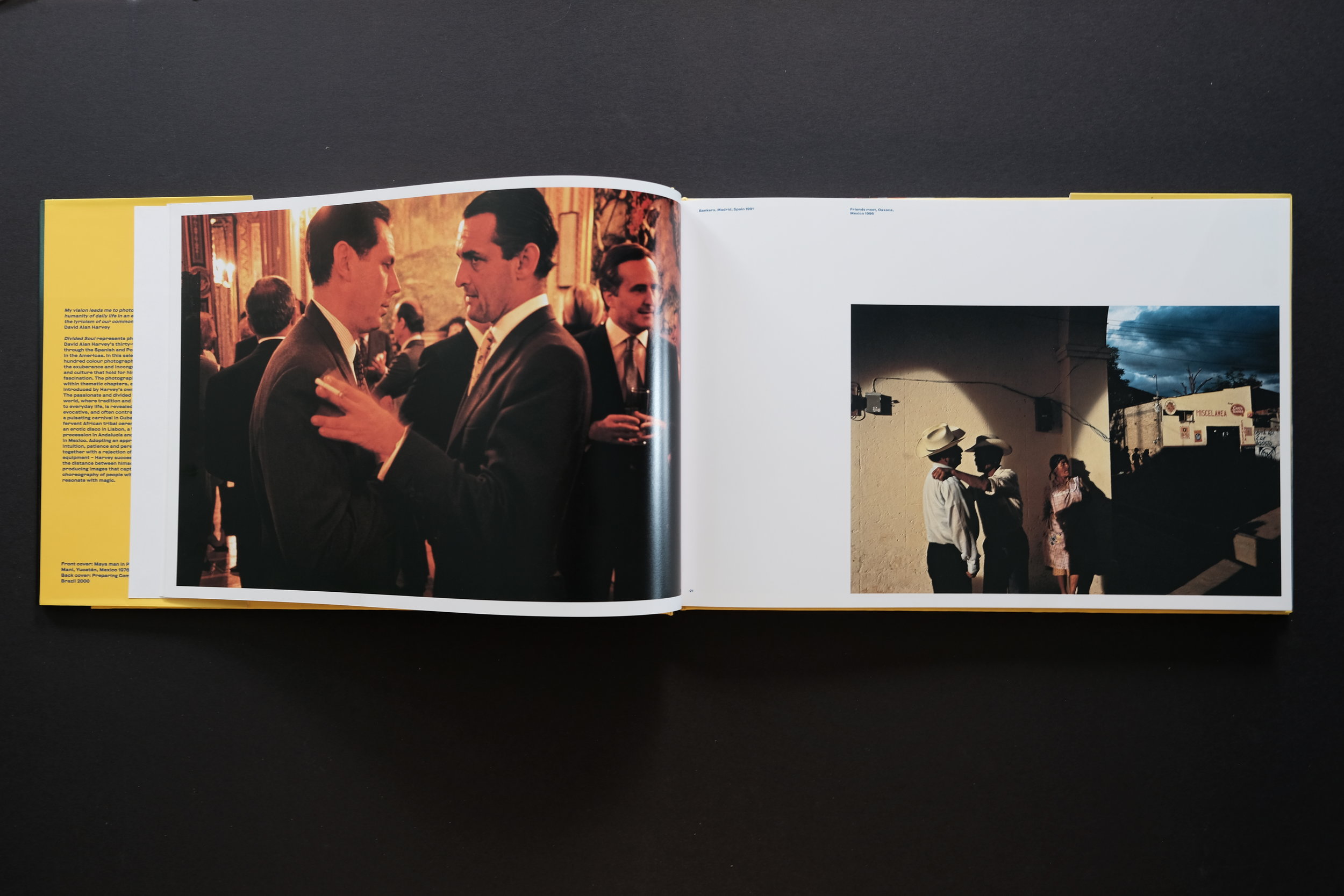
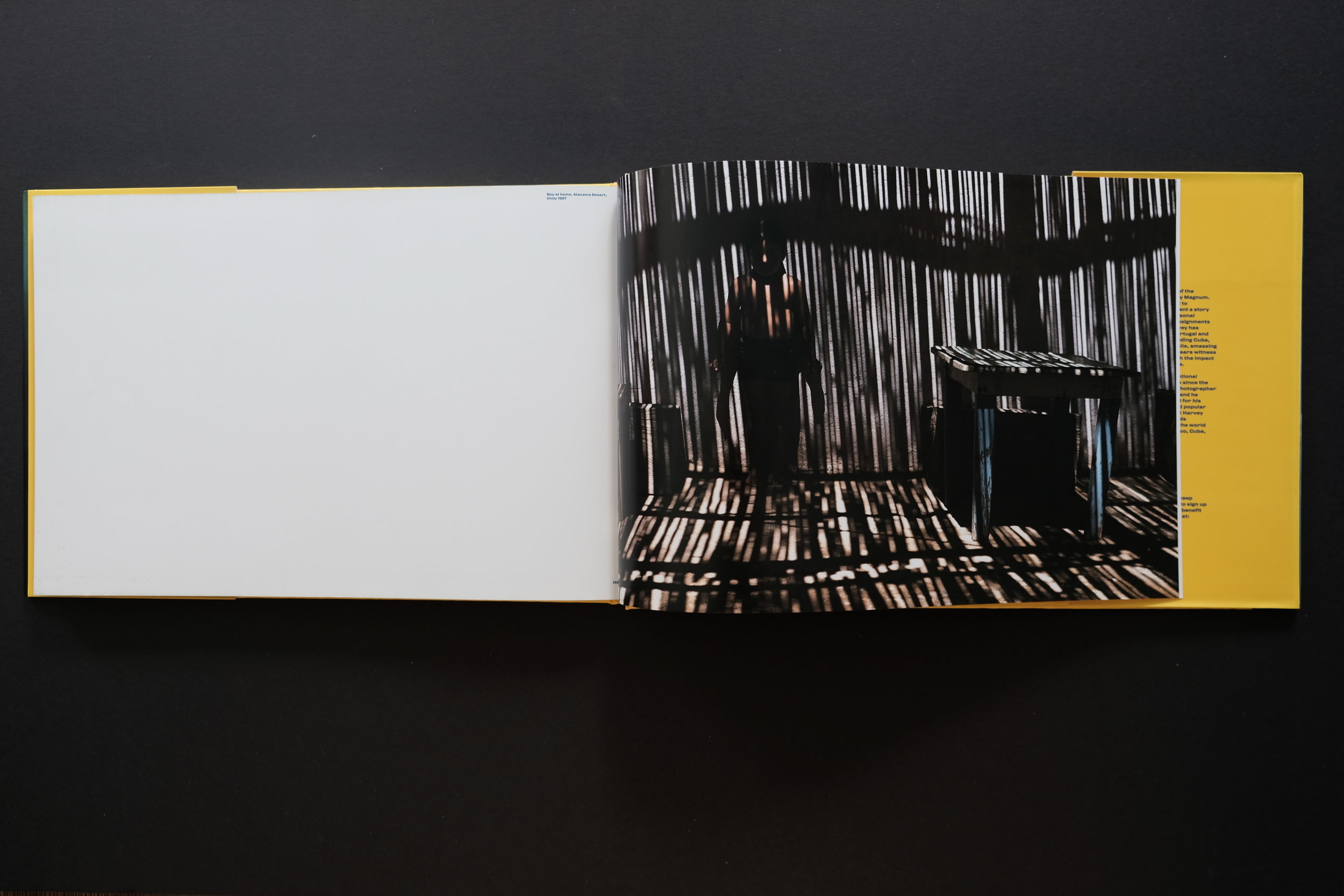
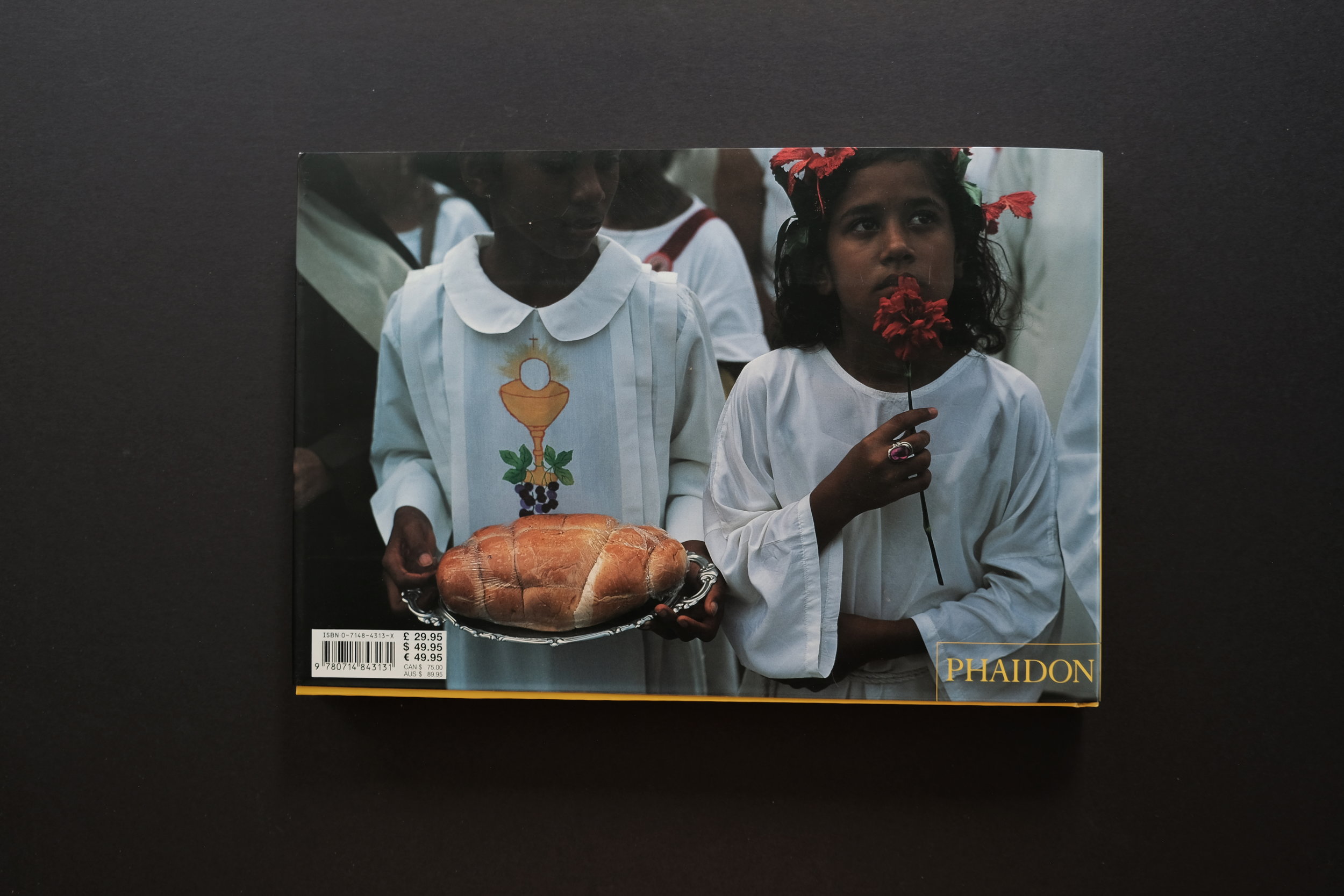
Harvey's most celebrated book, Divided Soul, published in 2003, is a deeply personal exploration of Spanish culture and the influence of Spain on the Americas. The title refers to the duality that Harvey perceived at the heart of Hispanic culture — the tension between the sacred and the profane, the disciplined and the ecstatic, the European and the indigenous. The photographs in Divided Soul range across Spain, Mexico, Cuba, and the American Southwest, tracing the threads of cultural connection that bind these diverse places together. The book is not a conventional documentary project but a visual essay driven by intuition, emotion, and a lifetime of engagement with its subject.
Beyond his own photographic practice, Harvey has been an enormously influential mentor and educator. He founded Burn Magazine, an online platform dedicated to emerging photographers, and he has taught workshops around the world that emphasise the importance of personal vision, emotional honesty, and the long-term commitment to a subject. His teaching philosophy mirrors his photographic philosophy: that the best work comes not from technical mastery alone but from the willingness to live fully within the world one seeks to photograph.
Harvey's later work, including Based on a True Story (2012), continued to explore the intersection of documentary photography and personal narrative, pushing toward an increasingly subjective and impressionistic style. His images from nightlife, youth culture, and the streets of major cities around the world demonstrated that his restless creative energy remained undiminished. Throughout his career, Harvey has insisted that photography is not a profession but a way of being in the world, and his body of work stands as compelling evidence for that conviction.