Dave Heath was born in Philadelphia in 1931 and abandoned by his parents as an infant. He spent his childhood in a series of foster homes and orphanages, an experience of rejection and impermanence that would shape every aspect of his life and art. The loneliness of those early years became not merely the subject of his photography but its very condition — Heath made pictures because he was alone, and the act of looking became his way of reaching toward the human connection that had been denied him from birth.
Heath's introduction to photography came through a Life magazine photo essay by Ralph Crane about a boy in a foster home, which he encountered at the age of twelve. The experience was transformative: for the first time, he saw his own isolation reflected back to him through photographs, and he understood that the camera could be an instrument not merely of documentation but of emotional truth. He began making photographs in his teens, and by the time he was drafted into the United States Army and sent to Korea in 1952, he had already developed a keen visual intelligence.
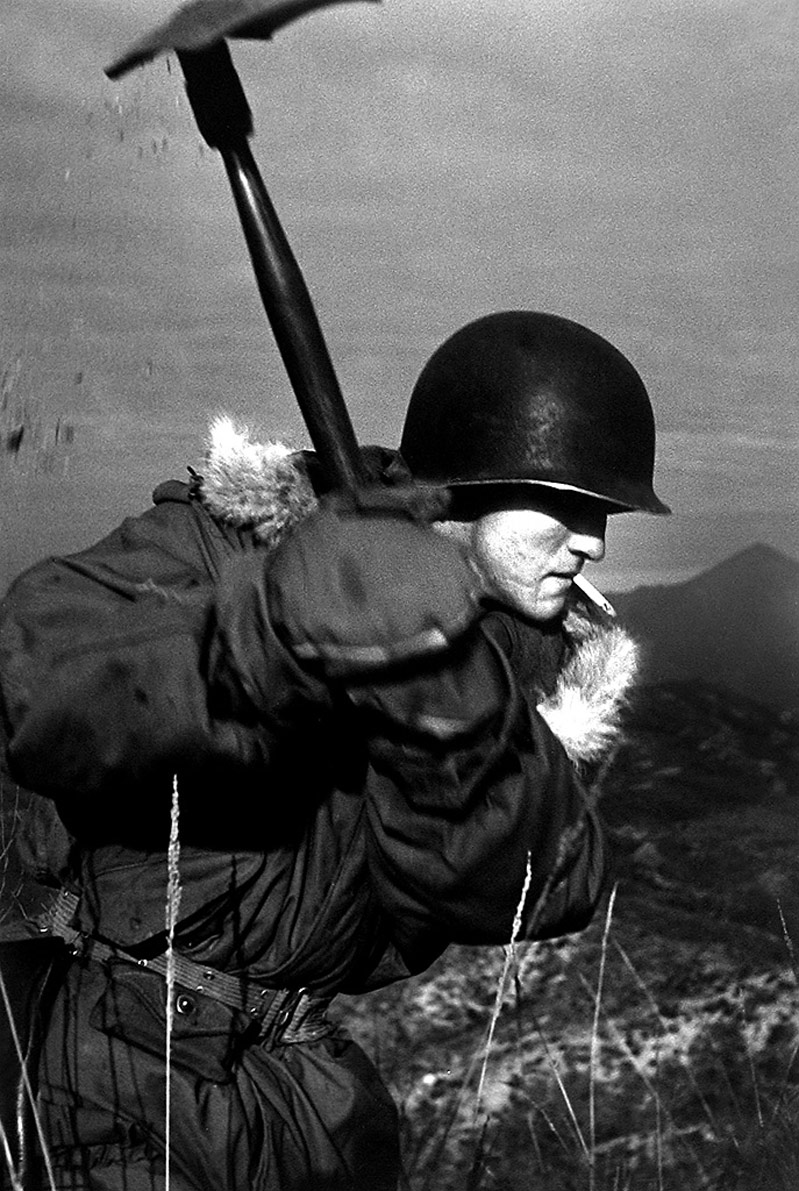
Heath's photographs from the Korean War are among the most psychologically penetrating images to emerge from that conflict. Rather than documenting combat or heroism, he focused on the faces of soldiers in moments of waiting, exhaustion, and private contemplation. These were not the triumphant warriors of propaganda but young men caught in the grip of an experience that had stripped away everything except their essential humanity. The Korean photographs established the themes that would define Heath's life work: the search for connection in the midst of isolation, the vulnerability of the human face, and the capacity of the photograph to bridge the distance between strangers.
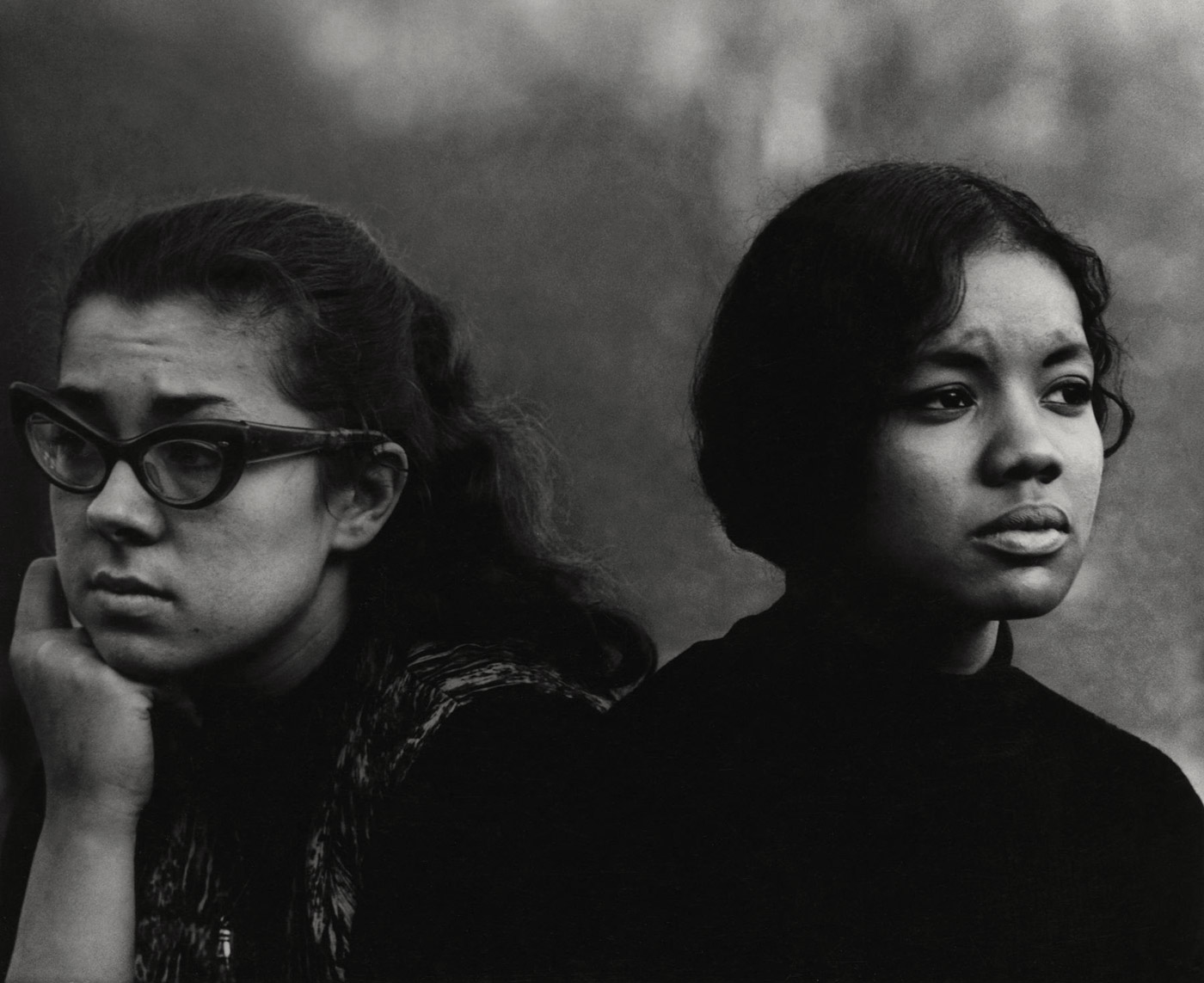
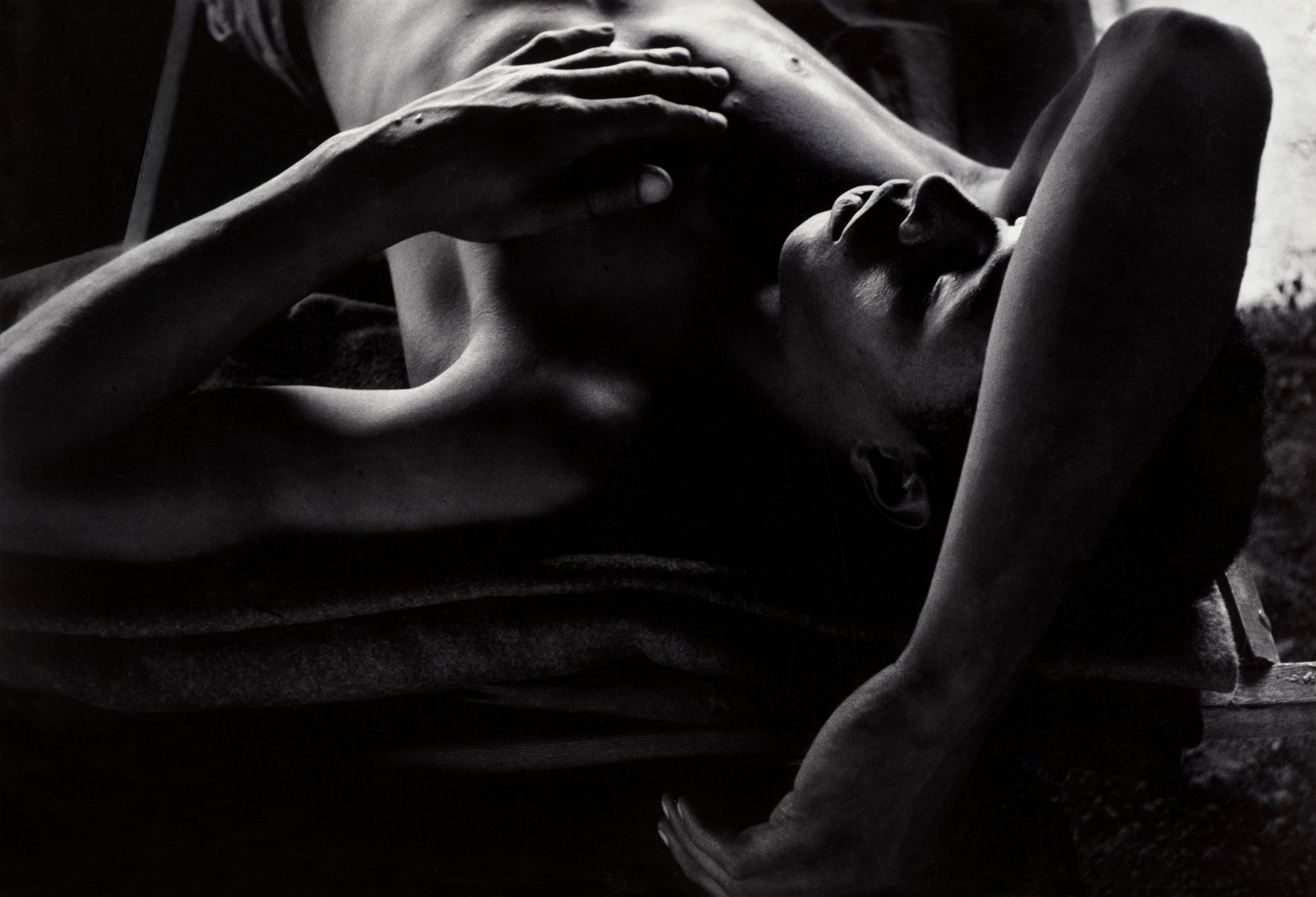
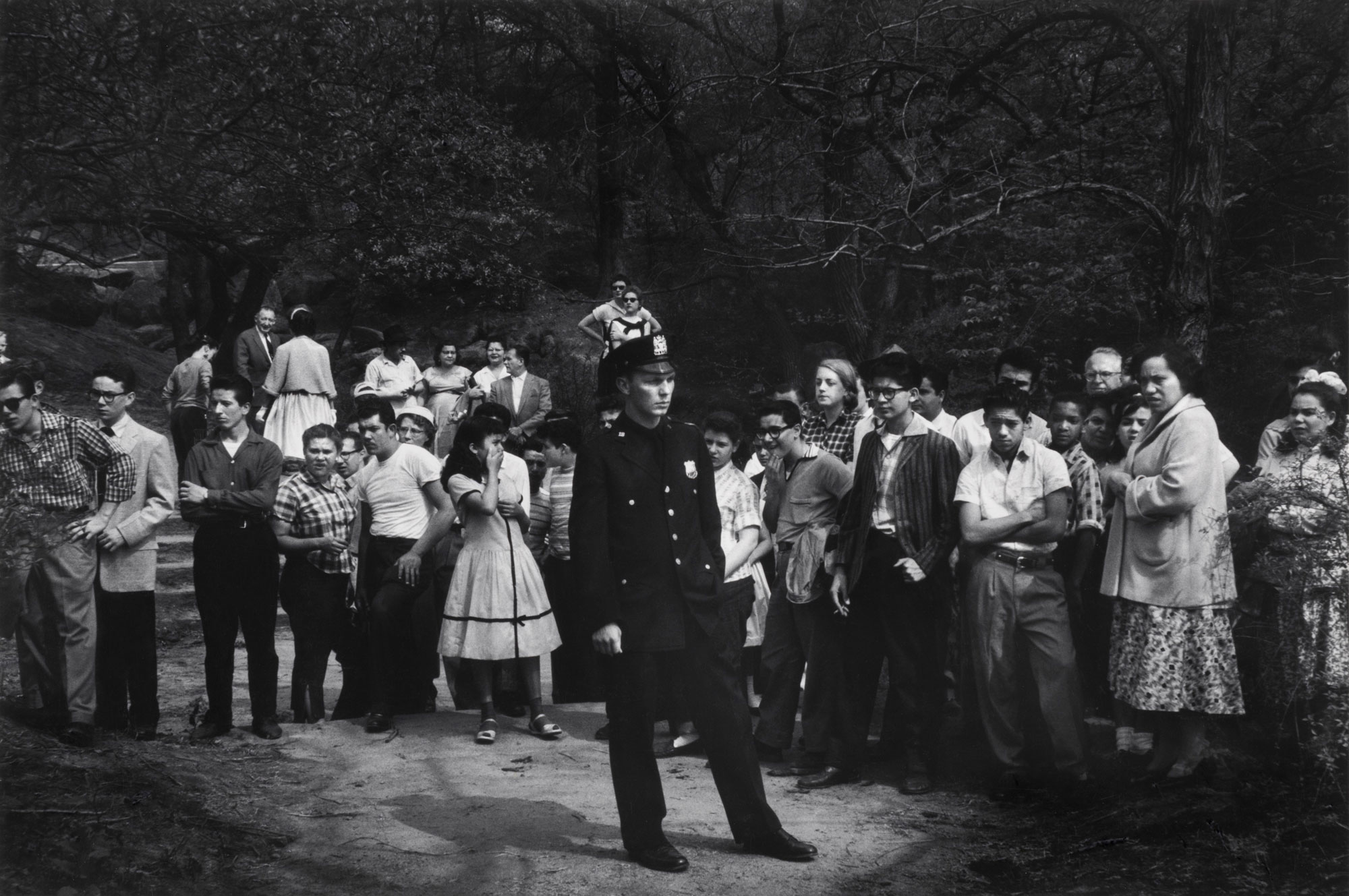
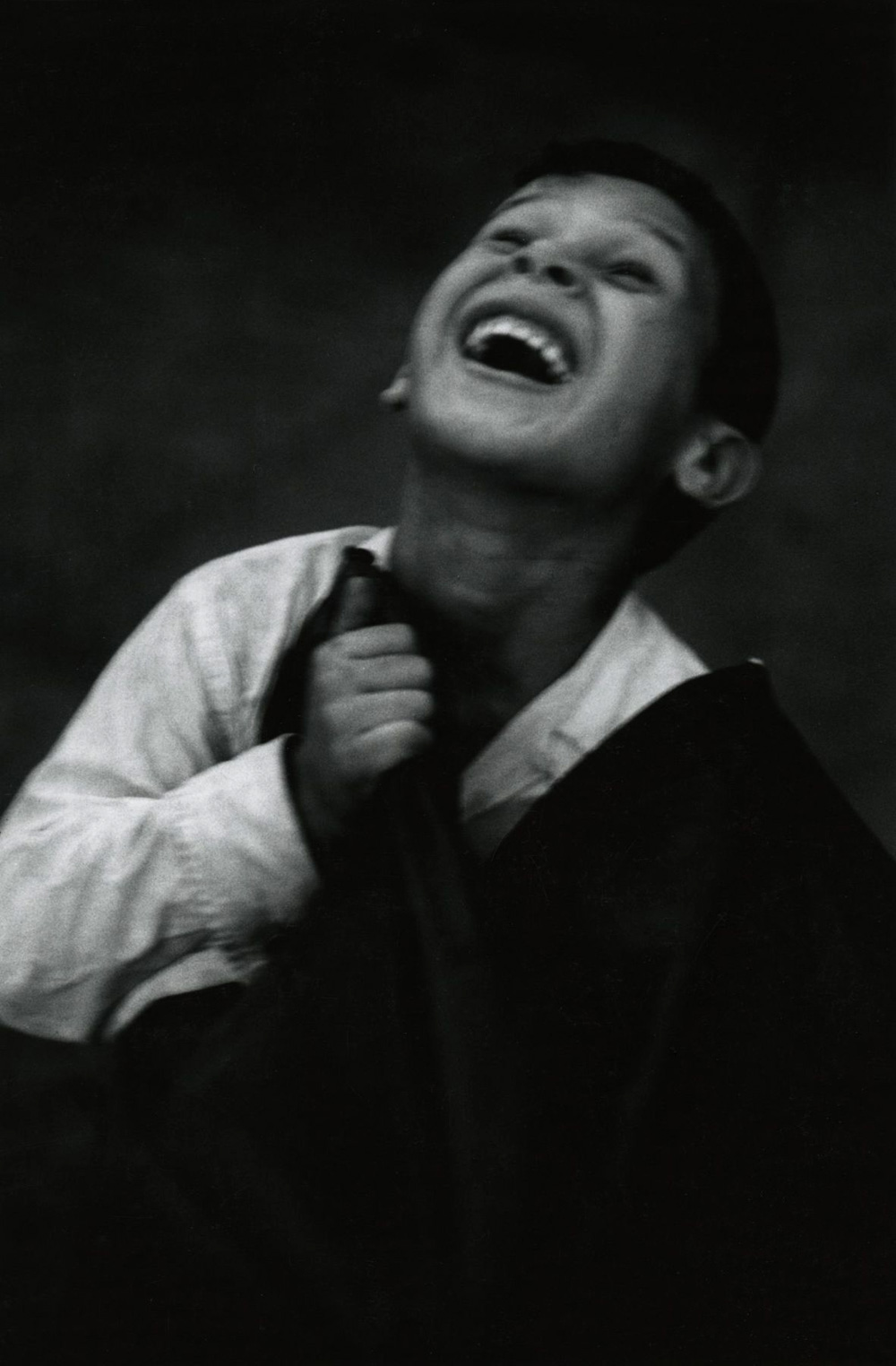
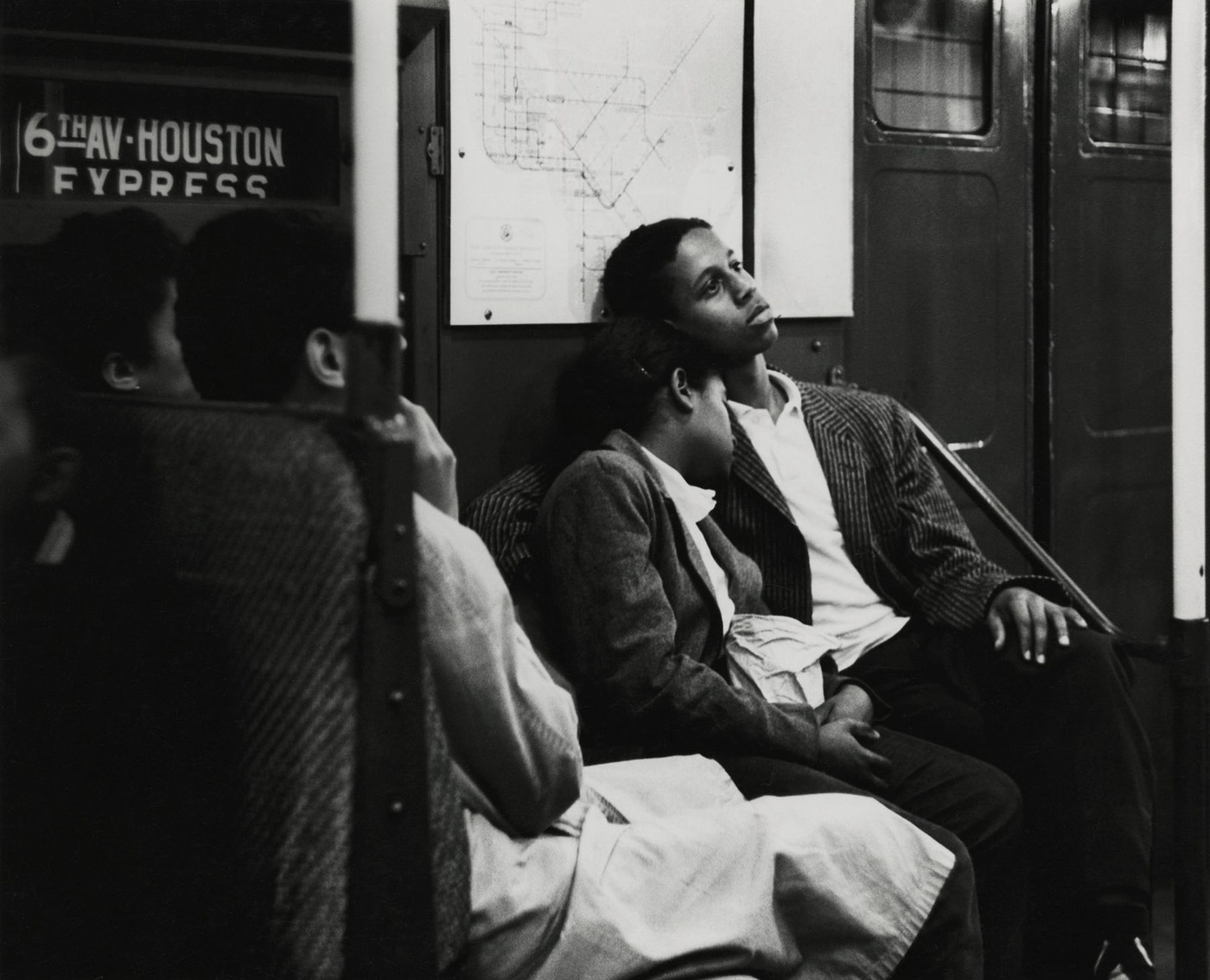
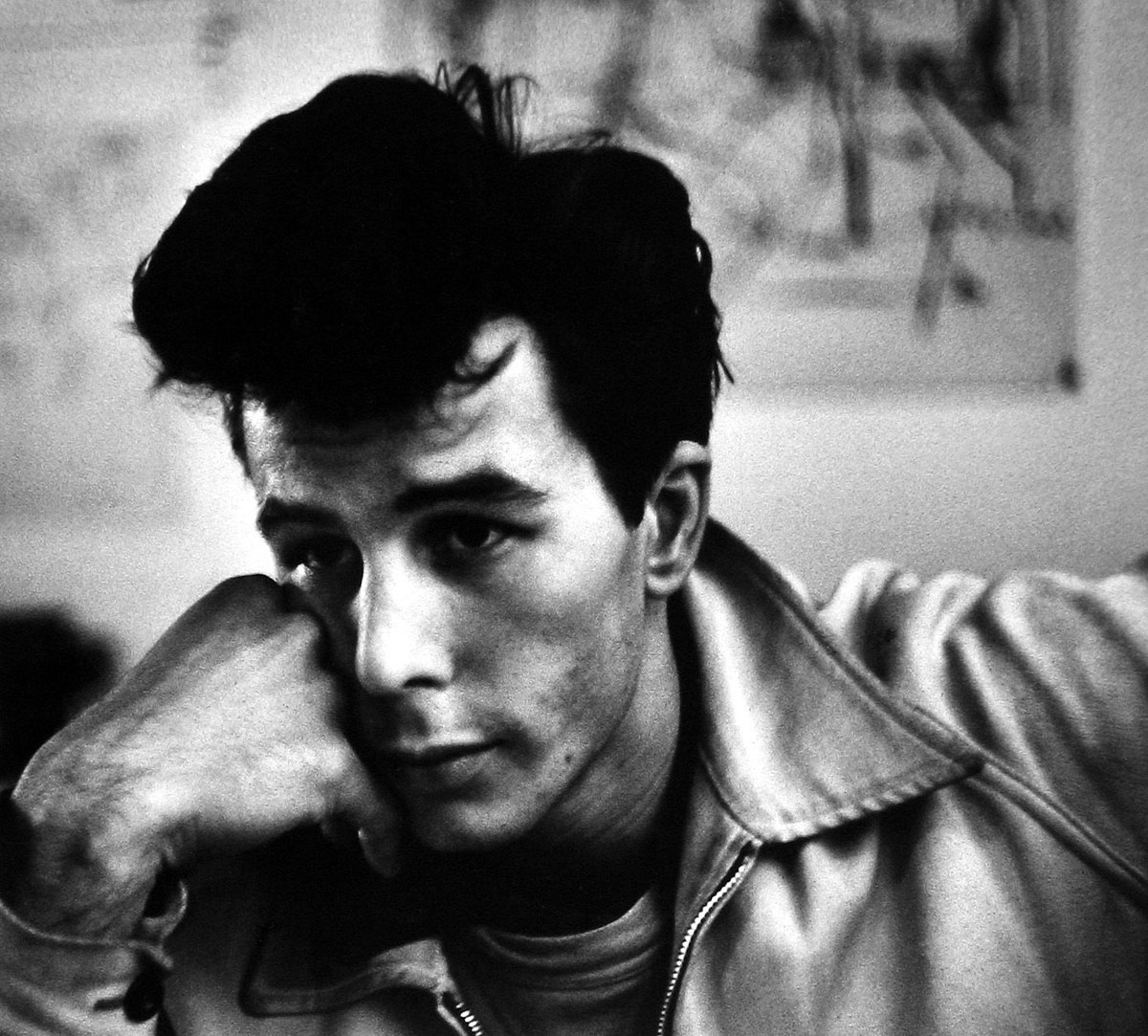
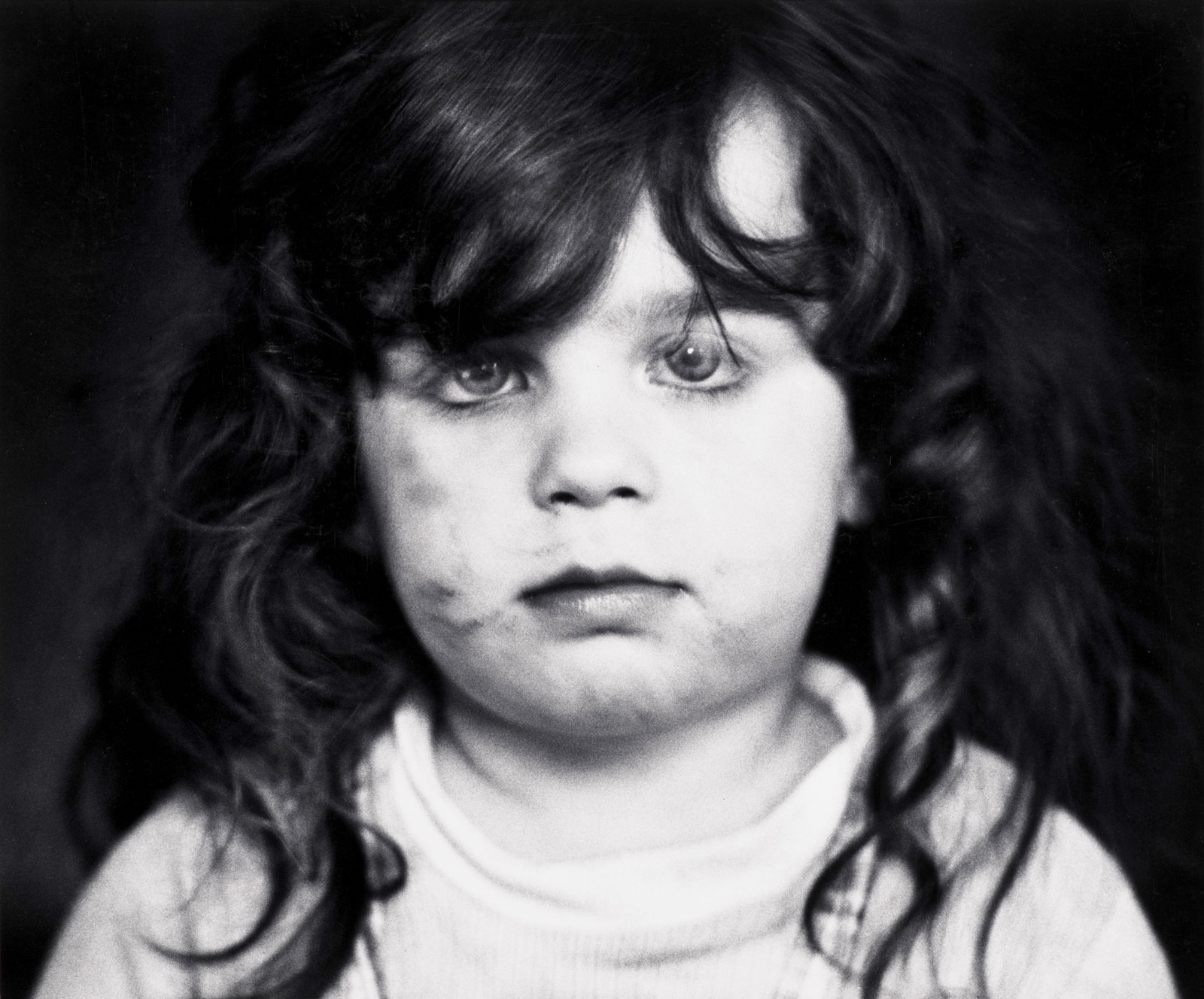
After his military service, Heath studied at the Philadelphia College of Art and at the Chicago Institute of Design, where he encountered the teaching of Harry Callahan and Aaron Siskind. He moved to New York in the mid-1950s and began the extended body of street photography that would become his masterwork. Working primarily in parks, on subways, in movie theatres, and on the streets of Manhattan, Heath photographed people in states of absorption, reverie, and unconscious intimacy — lovers leaning together on benches, solitary figures lost in thought, children at play, strangers passing in the crowd. His eye was drawn consistently to the threshold between togetherness and loneliness, to the moments when human beings are most visibly alone even in the midst of others.
In 1965, Heath published A Dialogue with Solitude, a book that sequenced his photographs not as individual images but as a sustained visual poem. The sequencing was influenced by cinema and by the narrative strategies of the photobook tradition, particularly the work of Robert Frank. Images were paired and juxtaposed so that the emotional content of one photograph would resonate against the next, creating a cumulative effect of extraordinary power. The book was published in a small edition and received respectful but limited attention. It then effectively vanished from public awareness for nearly half a century.
In 1970, Heath moved to Toronto, Canada, where he became a Canadian citizen and taught at Ryerson University for many years. He continued to photograph, but his work remained largely unknown outside a small circle of admirers. He experimented with collage and multimedia work, and he was a dedicated and influential teacher, but the wider recognition that his talent deserved eluded him. He lived modestly, his major book out of print and his contribution to the history of photography all but forgotten.
The rediscovery of Dave Heath began in the 2010s, when the Howard Greenberg Gallery in New York mounted a major exhibition of his work, and the Philadelphia Museum of Art acquired a significant collection of his photographs. In 2015, Le Bal in Paris and the Art Gallery of Ontario organised a comprehensive retrospective, and A Dialogue with Solitude was republished in a new edition that introduced Heath's work to a generation of photographers and curators who had never encountered it. The rediscovery was one of the most significant events in recent photographic history, restoring to the canon a body of work that stands alongside Robert Frank's The Americans and Roy DeCarava's The Sweet Flypaper of Life as one of the great achievements of American post-war photography.
Dave Heath died in Toronto in 2016, having lived long enough to witness the recognition that had eluded him for decades. His legacy is both a body of profoundly moving photographs and a testament to the redemptive power of art — the capacity of the camera, in the hands of someone who has known the deepest loneliness, to create images that make us feel less alone.