Corinne Day was born in 1962 in Ealing, west London, and grew up in a modest working-class household far removed from the world of high fashion that she would one day transform. She left school with few qualifications and spent her early twenties drifting through a series of jobs, including a stint as a courier and several years as a model herself. It was during her time on the modelling circuit that she first picked up a camera, initially as a way of documenting the lives of the people around her. What began as casual snapshots gradually became something more purposeful, and by the late 1980s Day had committed herself to photography with a fierce, self-taught determination.
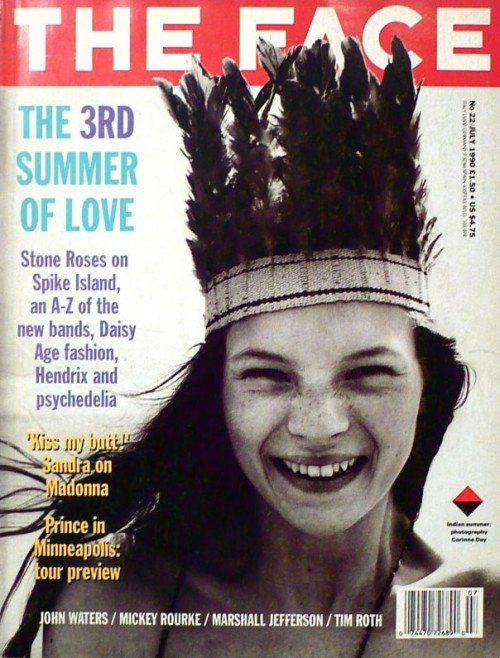
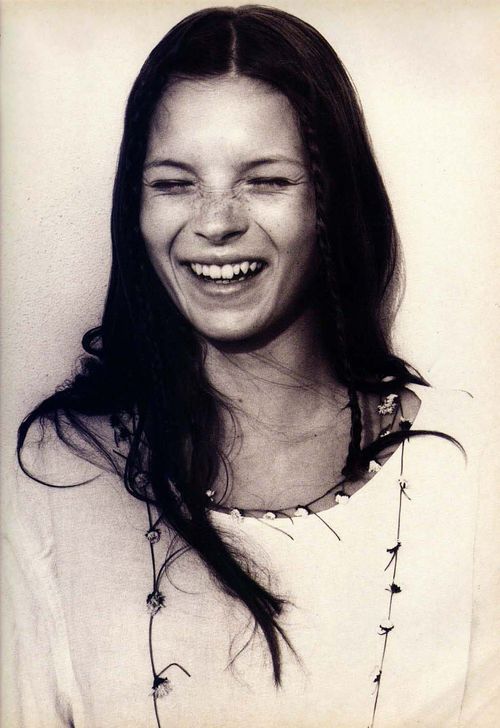
In 1990, Day met a fourteen-year-old Kate Moss at a modelling agency and immediately recognised in her something that the fashion industry had not yet seen: an unconventional, almost anti-glamorous beauty that was entirely at odds with the supermodel ideal then dominated by Cindy Crawford, Naomi Campbell, and Linda Evangelista. Day photographed Moss for The Face magazine in a now-legendary shoot that placed the waif-like teenager on a sunlit beach in Camber Sands, wearing a Native American headdress and little else. The images were spontaneous, unpolished, and radically intimate — they looked nothing like fashion photography as the industry understood it, and they changed everything.
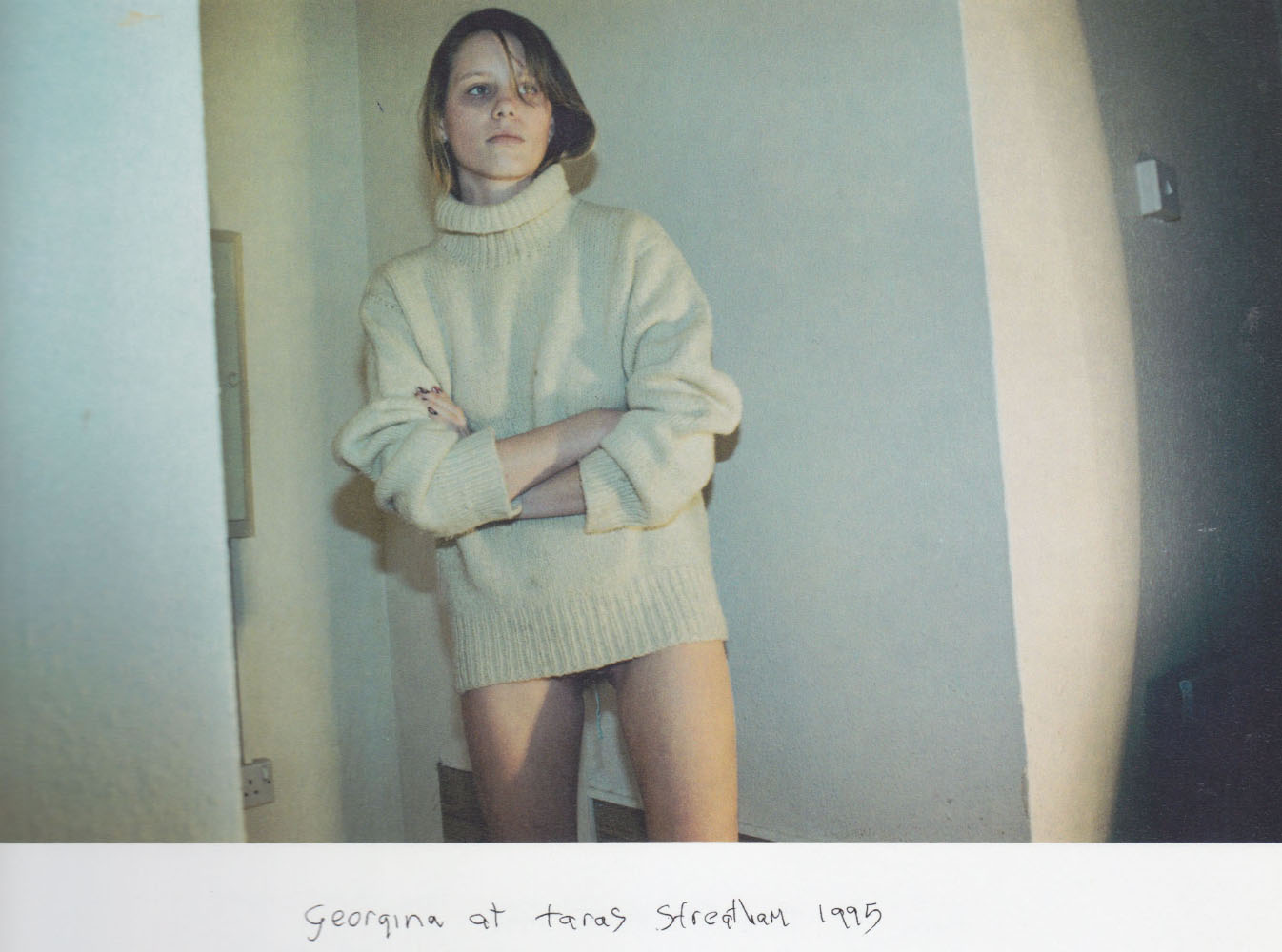
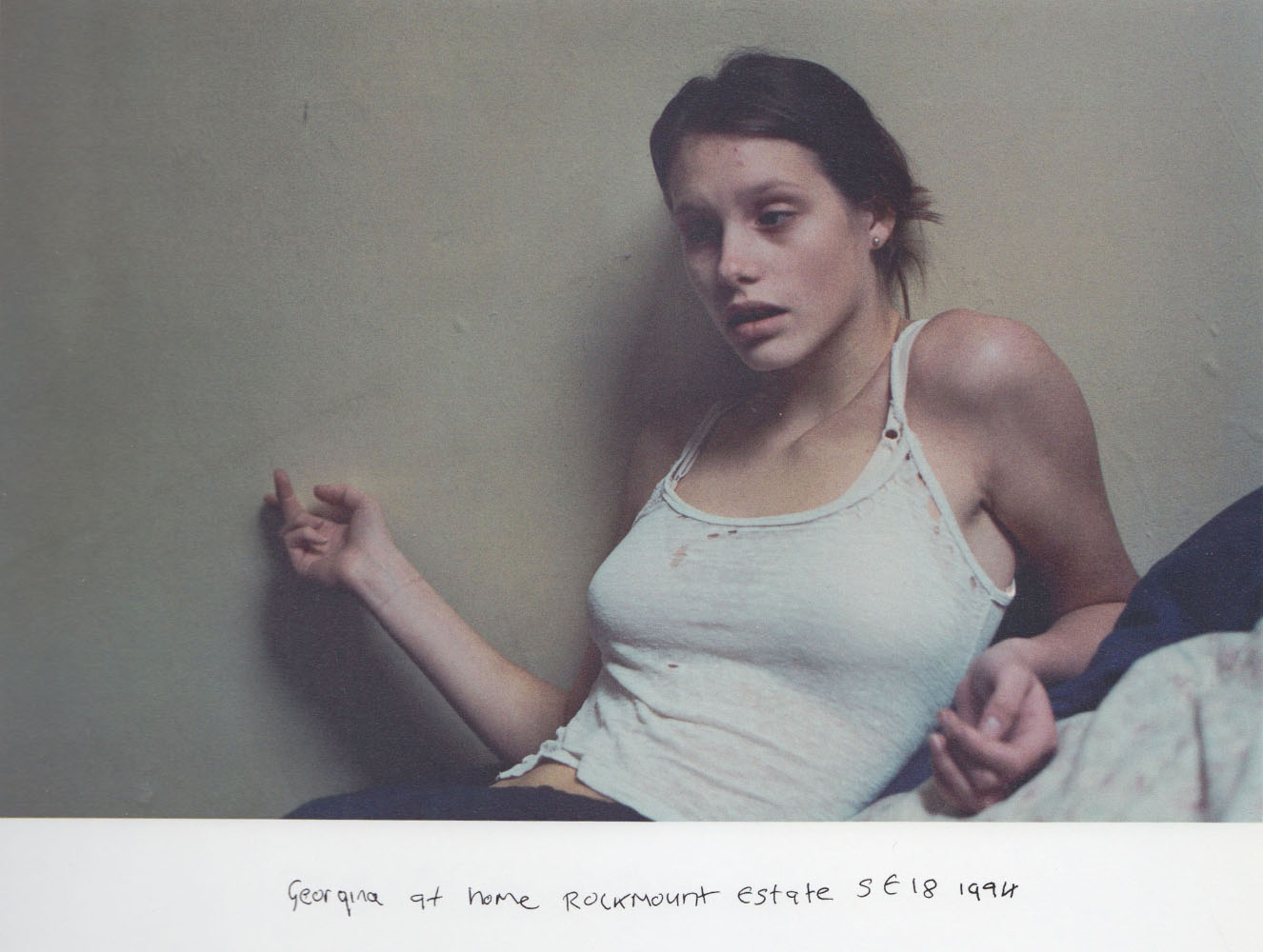
The Face cover launched both Day's career and Moss's. Together they embodied a new aesthetic that the press would label grunge or heroin chic — terms that Day despised, arguing that her work was simply honest. She was photographing her friends, her world, the reality of young lives lived in cramped London flats, and she saw no reason to glamorise or idealise what she found there. Her photographs were shot in available light, often in messy bedrooms or bathrooms, with her subjects wearing minimal or no makeup. The resulting images possessed a vulnerability and directness that was profoundly unsettling to an industry built on fantasy.
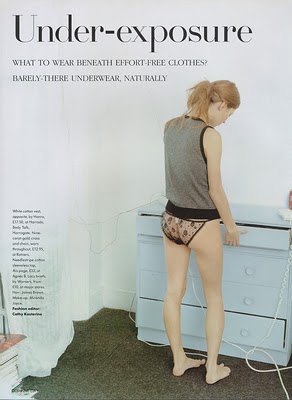
In 1993, Day shot a series for British Vogue featuring Kate Moss in her own London flat, wearing underwear and looking directly at the camera with an expression that was neither seductive nor performative but simply present. The photographs caused an immediate scandal. Critics accused Day of promoting anorexia and drug culture; the tabloid press seized on the images as evidence of fashion's moral decay. But for many younger photographers, editors, and designers, Day's work represented a liberation — a refusal of the airbrushed perfection that had come to seem not aspirational but oppressive.
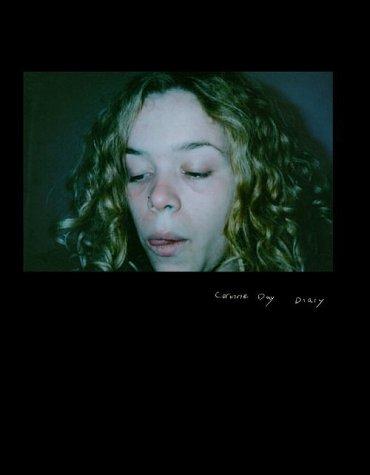
Day's personal life was inseparable from her work. She photographed her friends obsessively, creating an extended diary of her social circle that included models, musicians, and the characters of 1990s London club culture. Her book Diary, published in 2000, collected these images alongside photographs from her own medical treatment for a brain tumour diagnosed in 1996. The juxtaposition of fashion shoots with images of hospital visits, surgical scars, and recovery was both harrowing and revolutionary, collapsing the distance between the glamorous public image and the fragile private body.
The brain tumour diagnosis marked a turning point. Day underwent surgery and treatment that left her partially disabled, yet she continued to work with extraordinary determination. Her later photographs, though less prolific, retained the uncompromising intimacy of her earlier work. She continued to shoot for magazines including i-D and Dazed & Confused, and she remained an influential figure in British photography and fashion until her death from the tumour in 2010, at the age of forty-eight.
Corinne Day's legacy extends far beyond fashion photography. She was one of the key figures in the broader cultural shift of the 1990s toward authenticity, rawness, and the rejection of manufactured perfection. Her influence can be seen in the work of Juergen Teller, Terry Richardson, Ryan McGinley, and countless other photographers who followed her lead in privileging intimacy over spectacle. More profoundly, she changed the way the fashion industry understood beauty itself, demonstrating that the most compelling images are often those that refuse to flatter, that honour the real over the ideal, and that recognise vulnerability as a form of strength.