Constantine Manos was born in 1934 in Columbia, South Carolina, to Greek immigrant parents who ran a small business in the heart of the American South. His connection to two cultures — the warmth and ritual of his Greek heritage and the sprawling, unpredictable energy of American life — would define his photographic vision. He received his first camera as a teenager and quickly proved himself a prodigy: by the age of nineteen, he was already working as a professional photographer, and his talent attracted the attention of photographers far older and more established than himself.
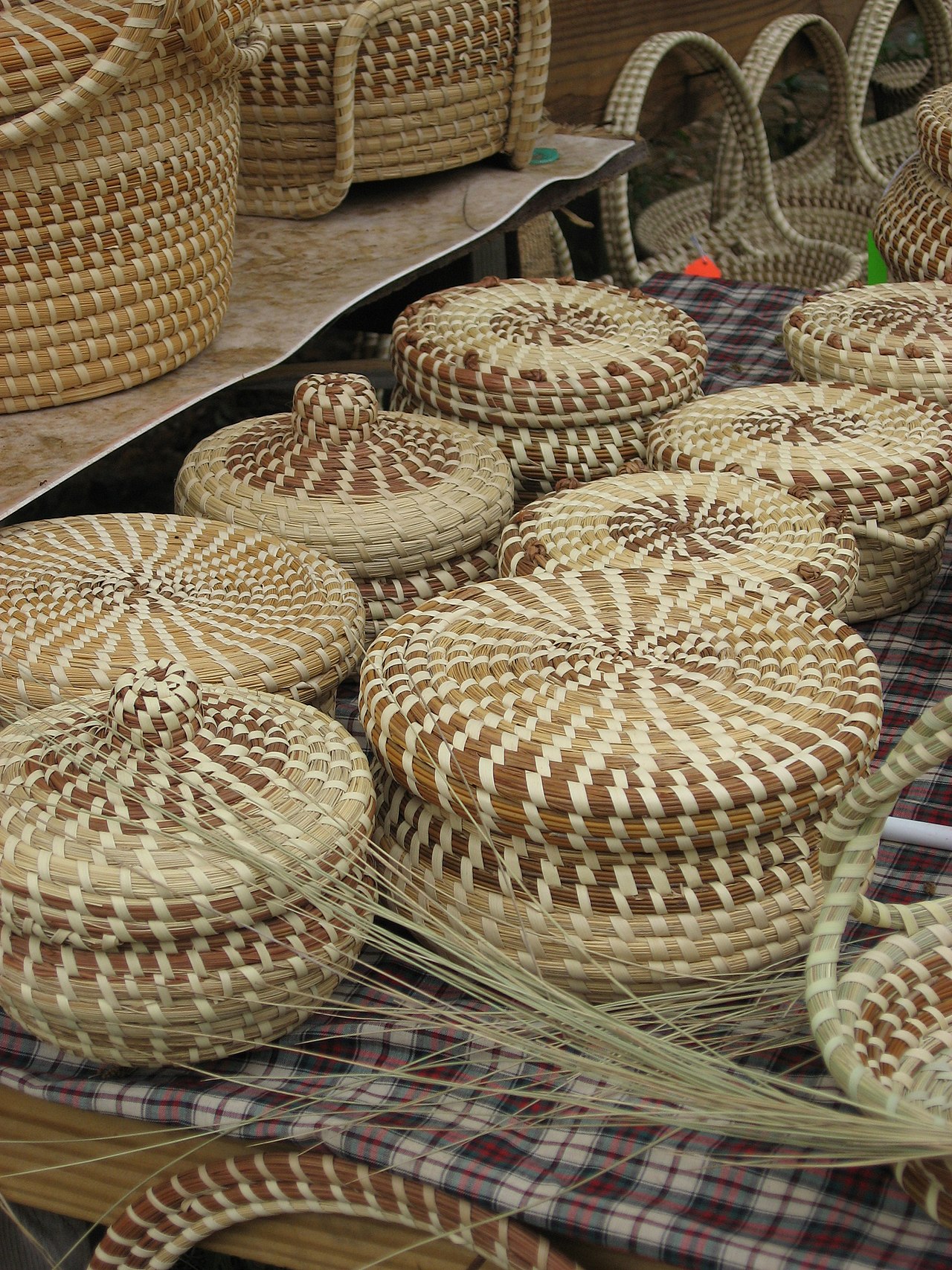
Manos studied under the guidance of notable mentors and began making photographs of his home state with a seriousness of purpose unusual for someone so young. In 1961, he travelled to Daufuskie Island, a remote Gullah community off the coast of South Carolina, where he spent extended periods documenting the lives of the island's African American residents. The resulting work was published as A Greek Portfolio — though that title would belong to another body of work — and revealed a young photographer with an extraordinary sensitivity to light, gesture, and the rhythms of communal life. His Daufuskie Island photographs captured a world that was rapidly disappearing, and they remain among the most important records of Gullah culture in the twentieth century.
In 1963, Manos was invited to become a member of Magnum Photos, the legendary cooperative agency founded by Robert Capa, Henri Cartier-Bresson, and others. He was one of the youngest photographers ever admitted to Magnum, and his membership placed him alongside the most distinguished photojournalists and documentarians of his era. His association with Magnum provided both a platform and a community, and it affirmed the seriousness of his commitment to photography as a form of witness and art.
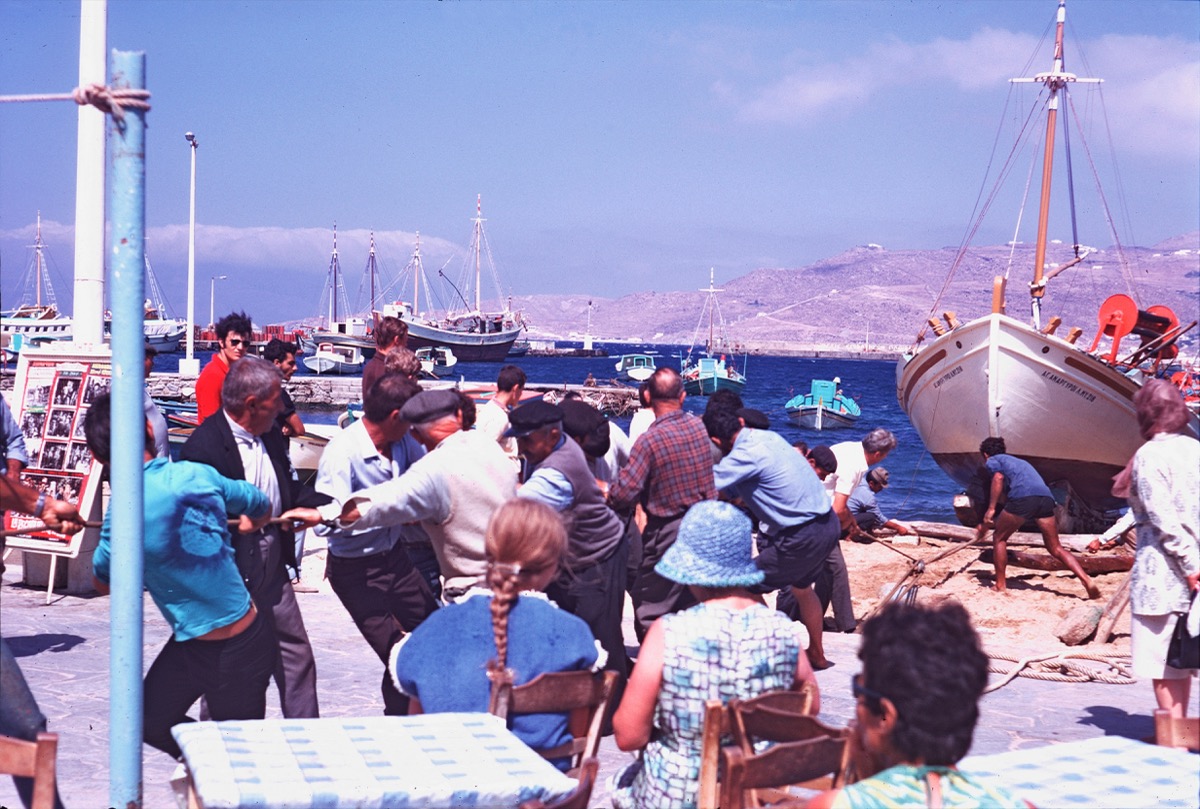
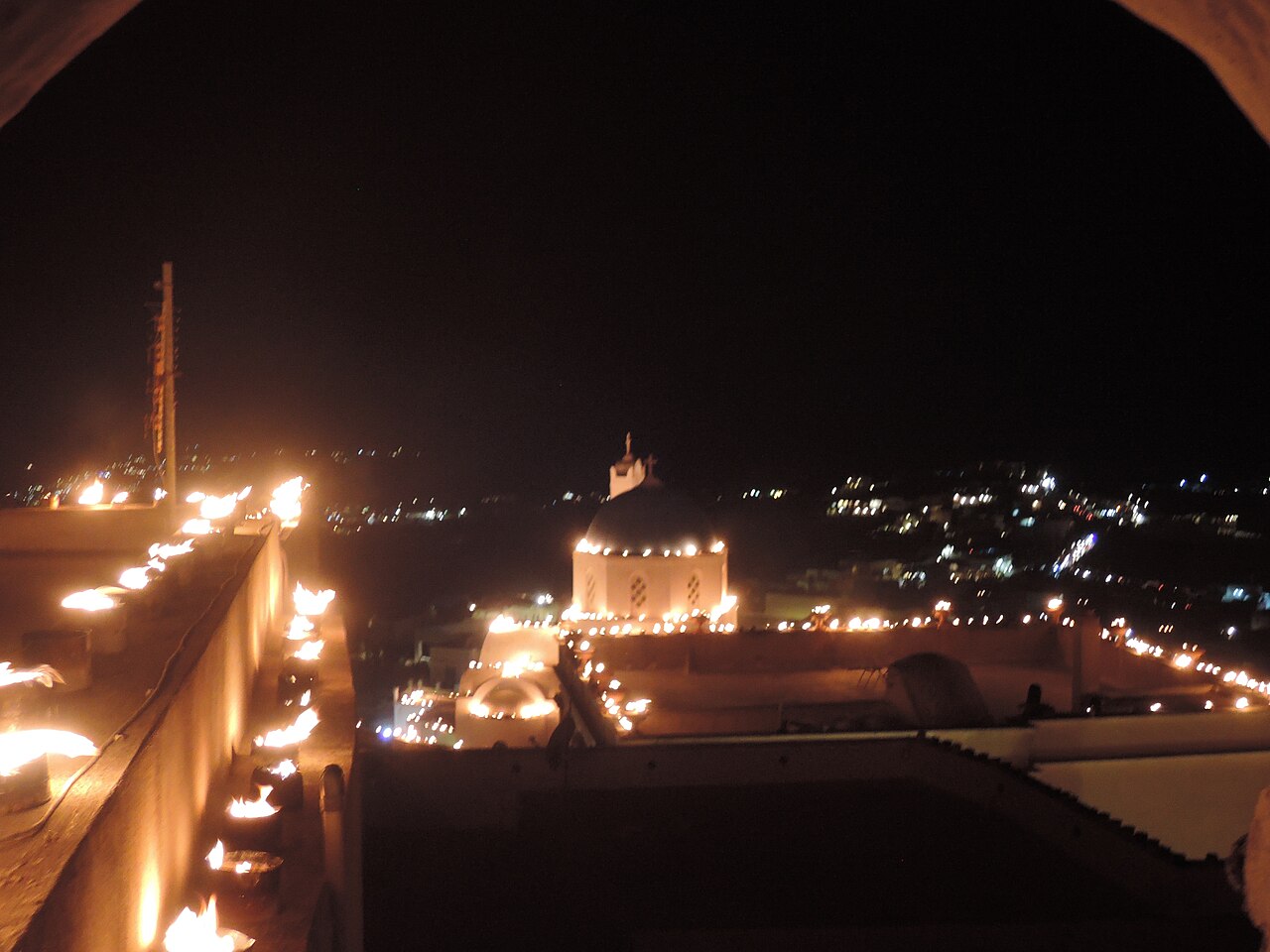
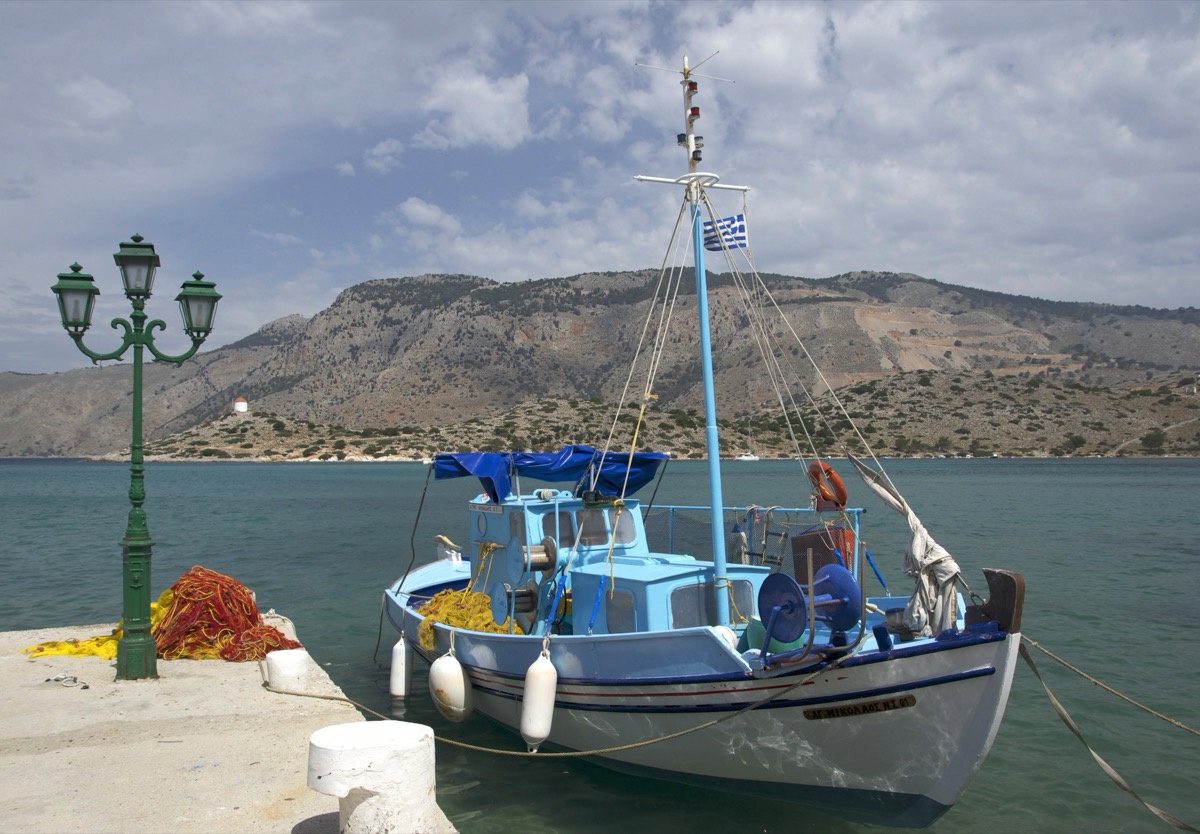
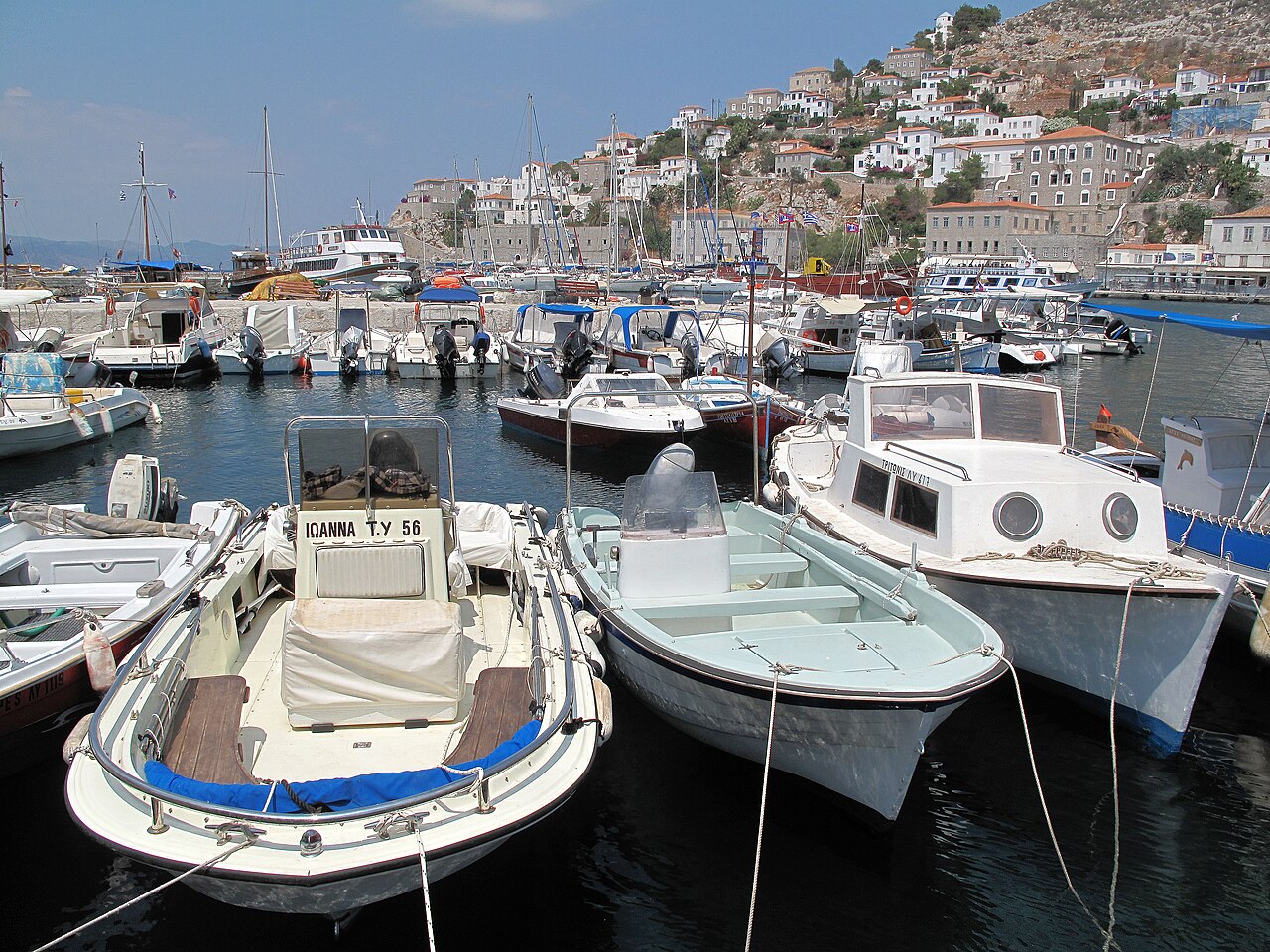
Throughout the 1960s, Manos made extended trips to Greece, the homeland of his parents, producing a body of work that would become his first major book, A Greek Portfolio, published in 1972. These photographs of village life, religious festivals, fishermen, farmers, and the luminous landscapes of the Greek islands are infused with a deep understanding of Mediterranean culture. The work is both personal and universal: Manos photographed Greece not as a tourist or an outsider but as someone reclaiming a heritage, and his images convey the pride, hardship, beauty, and communal spirit of a people bound to ancient rhythms. A Greek Portfolio won the prestigious Leipzig Book Fair award and established Manos as one of the finest documentary photographers of Mediterranean life.
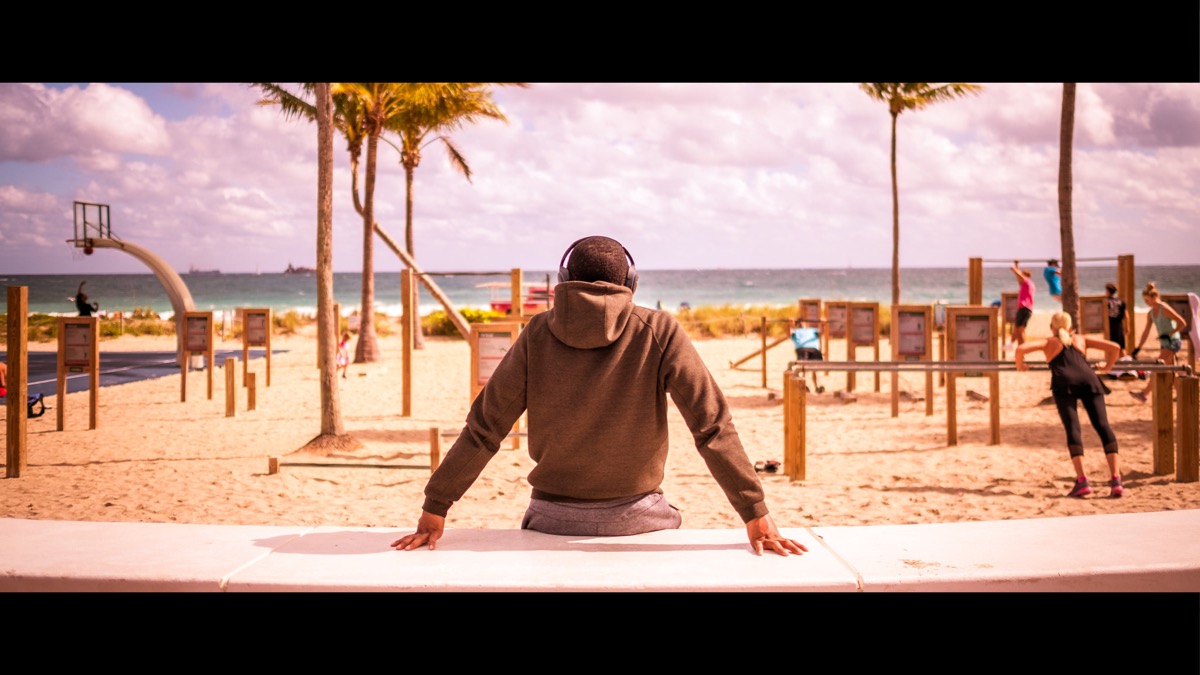
Beginning in the 1970s and accelerating through the 1980s and 1990s, Manos turned his attention increasingly to colour photography and to the American scene. Where his Greek work had been rendered in the black-and-white tradition of classical documentary photography, his American work embraced saturated colour with a boldness that set him apart from many of his contemporaries. His images of American beaches, carnivals, streets, and public gatherings are explosions of chromatic energy — reds, blues, yellows, and greens colliding in compositions that are at once spontaneous and meticulously structured.
The publication of American Color in 1995 announced Manos as a master of colour street photography. The book presented a vision of America that was neither critical nor celebratory but deeply observant: people at leisure, at play, in transit, caught in the theatrical light of a country that seemed to generate colour as naturally as it generated spectacle. A second volume, American Color 2, followed in 2010, extending and deepening the project. Together, the two volumes constitute one of the most significant bodies of colour documentary work produced in the late twentieth and early twenty-first centuries.
Manos's approach to colour photography was distinctive. Rather than using colour as mere decoration or atmospheric enhancement, he treated it as a structural element, as fundamental to the composition as line and form. His photographs often feature bold geometric shapes — the arc of an umbrella, the diagonal of a shadow, the rectangle of a doorway — rendered in saturated hues that give the images an almost painterly quality. Yet there is nothing contrived about the work: Manos was a street photographer in the truest sense, working quickly and intuitively, seizing moments of visual coincidence that lasted only fractions of a second.
Now in his nineties, Constantine Manos continues to be recognised as one of the most important living members of Magnum Photos and one of the great colour photographers of his generation. His work bridges the European documentary tradition and the American colour school, combining the humanism of Cartier-Bresson with the chromatic exuberance of William Eggleston and Alex Webb. His photographs remind us that the ordinary world, seen with sufficient attention and love, is endlessly surprising and beautiful.