Cindy Sherman was born in 1954 in Glen Ridge, New Jersey, and grew up in Huntington, Long Island, the youngest of five children in a middle-class suburban family. From an early age, she was fascinated by disguise and transformation: she would raid her mother's wardrobe, experiment with make-up, and spend hours in front of the mirror constructing alternative versions of herself. This childhood impulse — the pleasure of becoming someone else, the suspicion that identity is not fixed but performed — would become the conceptual foundation of one of the most important artistic careers of the late twentieth century.
Sherman studied painting at the State University of New York at Buffalo, where she became part of a group of young artists that included Robert Longo and Charles Clough, all of whom were grappling with the relationship between art, media, and representation. She had begun her studies as a painter but grew frustrated with the limitations of the medium and turned to photography, not as a documentary tool but as a means of constructing images — fabricated scenes in which she was simultaneously the artist, the director, and the sole performer. At Buffalo she also encountered the theoretical frameworks that would inform her work: feminist theory, semiotics, and the emerging discourse of postmodernism, which questioned the notion of originality and drew attention to the ways in which images circulated, were consumed, and shaped consciousness.
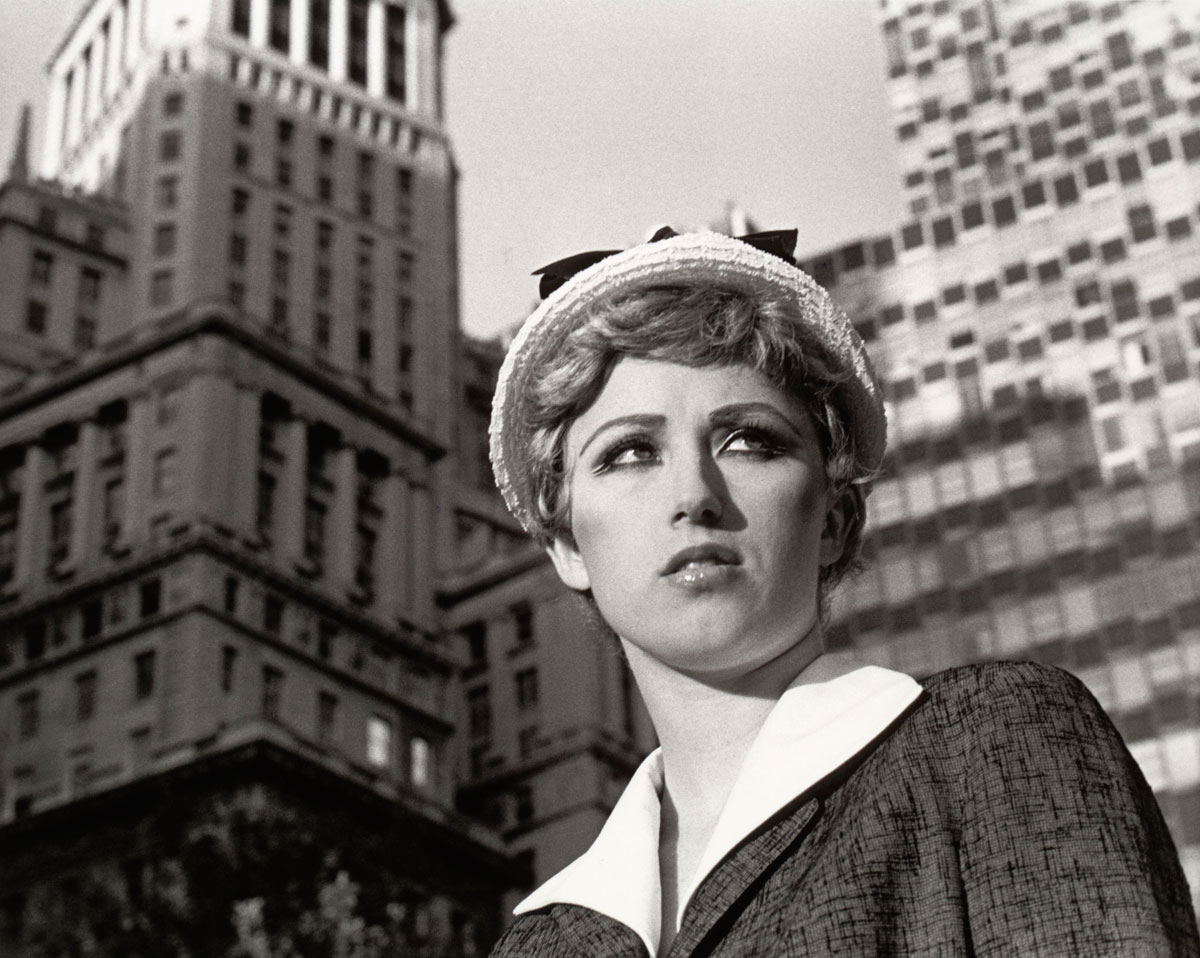
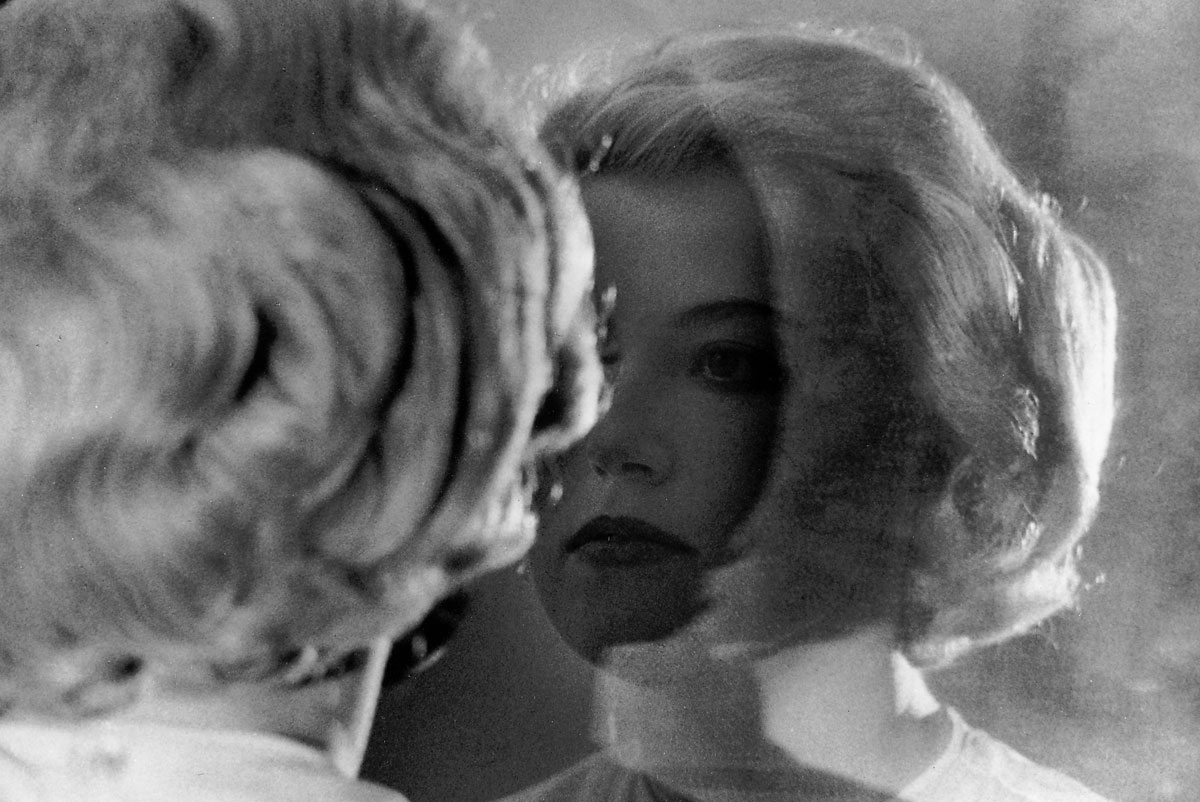
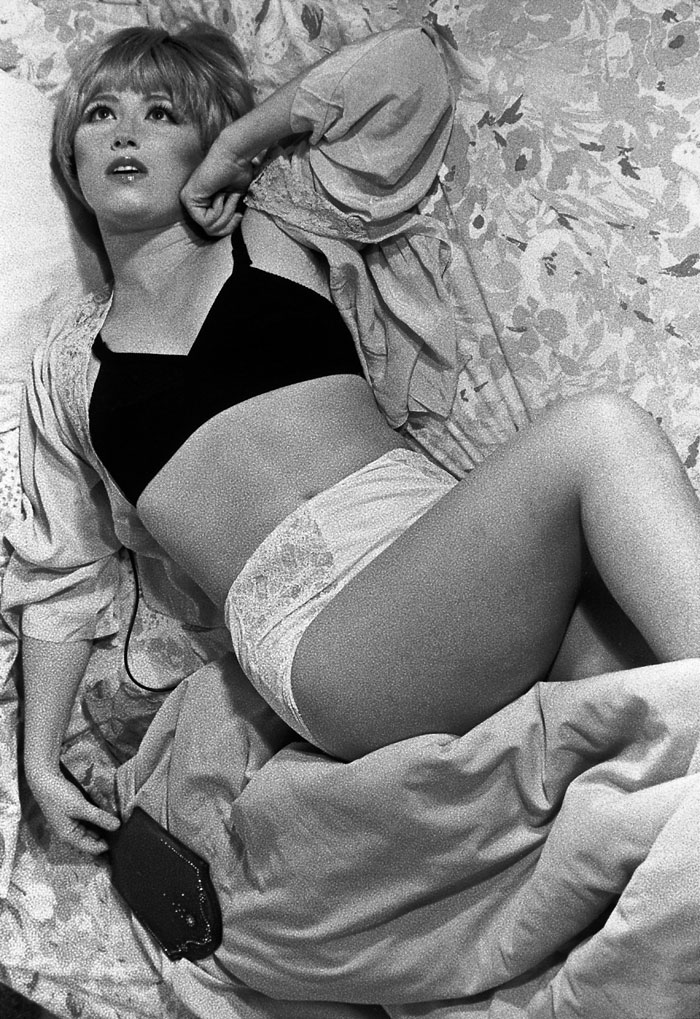
In 1977, Sherman moved to New York City and began the series that would make her famous: the Untitled Film Stills. Between 1977 and 1980, she produced sixty-nine black-and-white photographs in which she posed as various female characters drawn from the visual lexicon of 1950s and 1960s Hollywood, European art cinema, film noir, and B-movies. In each image, Sherman appeared in a different guise — a librarian, a hitchhiker, a housewife, a career woman, a damsel in distress — creating characters that felt achingly familiar even though they referred to no specific film. The Untitled Film Stills were immediately recognised as a major artistic achievement. They exposed the artificiality of the female archetypes that cinema had produced, revealing how women's identities were constructed not from within but from without — assembled from costumes, gestures, settings, and the expectations of a male gaze.
The Film Stills established Sherman as one of the central figures of the Pictures Generation, a loose group of artists — including Richard Prince, Sherrie Levine, Louise Lawler, and Barbara Kruger — who shared an interest in the way mass media images shaped reality. But where her contemporaries often worked with appropriated or found imagery, Sherman's approach was unique: she used her own body as both the medium and the subject of her art, transforming herself again and again into an ever-expanding repertoire of characters. This practice of self-transformation has continued for nearly five decades, and its consistency and relentlessness have made Sherman one of the most recognisable and critically acclaimed artists in the world.
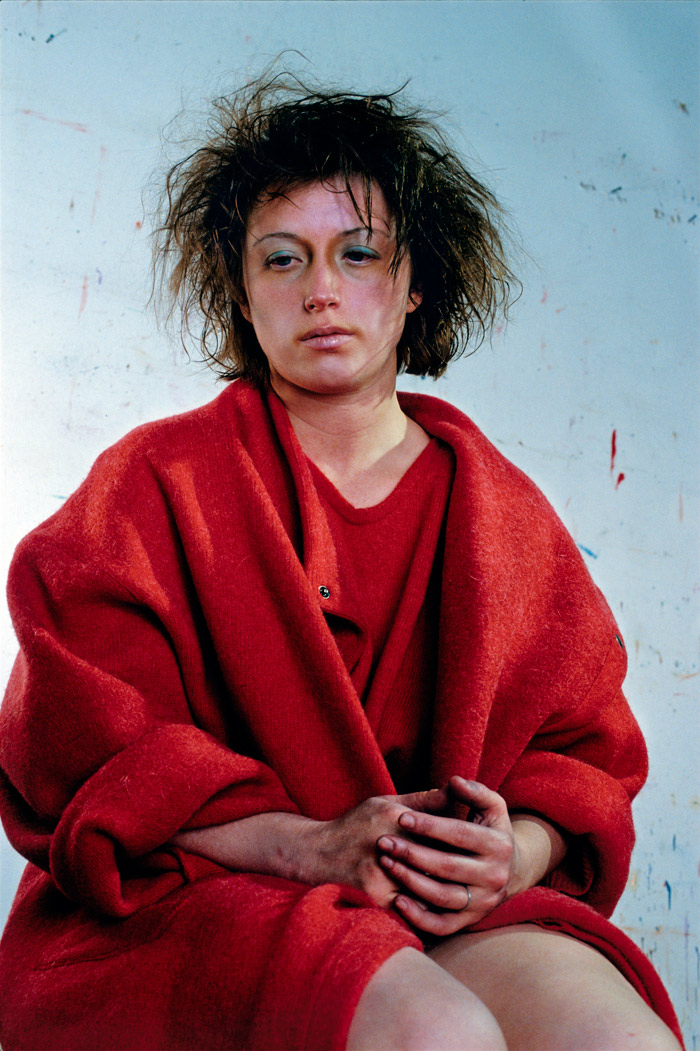
In the 1980s, Sherman expanded her practice in scale, ambition, and emotional register. Her Centerfolds series (1981), commissioned by Artforum magazine, presented large-format horizontal images of women in states of psychological distress — lying on floors, crumpled in sheets, staring into space — that simultaneously evoked and subverted the conventions of soft-core pornography. The Disasters and Fairy Tales series (1985–1989) moved into darker territory, incorporating prosthetic body parts, mannequins, food, and bodily fluids to create images that were grotesque, disquieting, and sometimes genuinely repulsive. These works demonstrated that Sherman's project was not limited to the deconstruction of glamour; it encompassed the full spectrum of bodily experience, including abjection, decay, and horror.
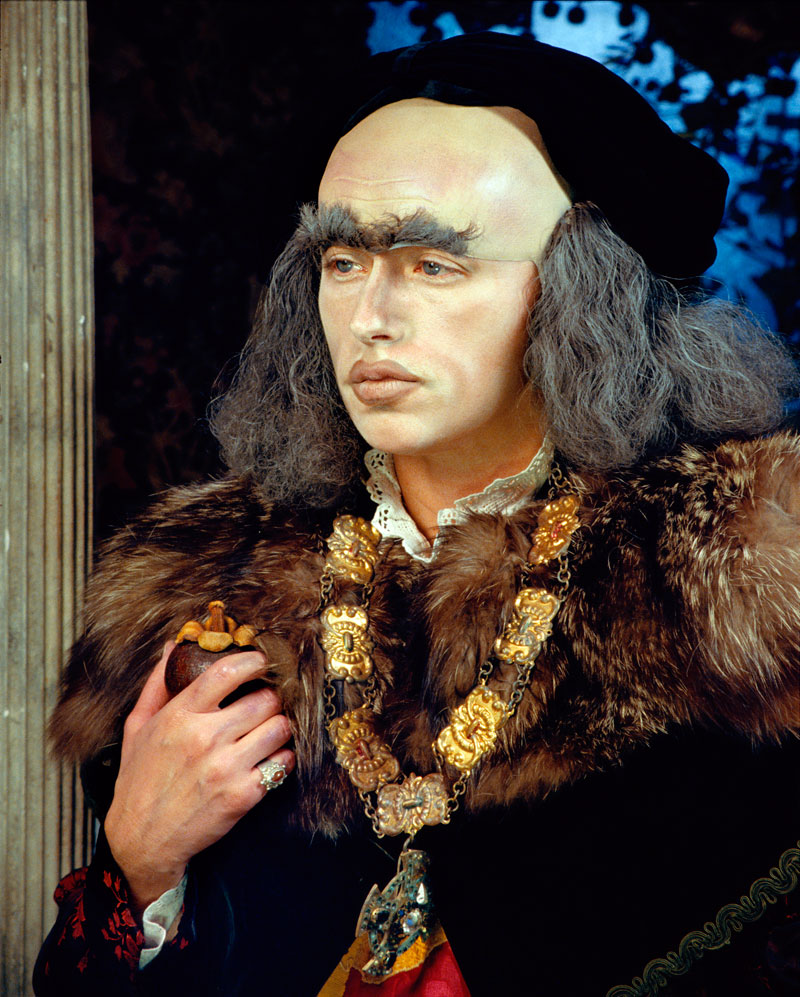
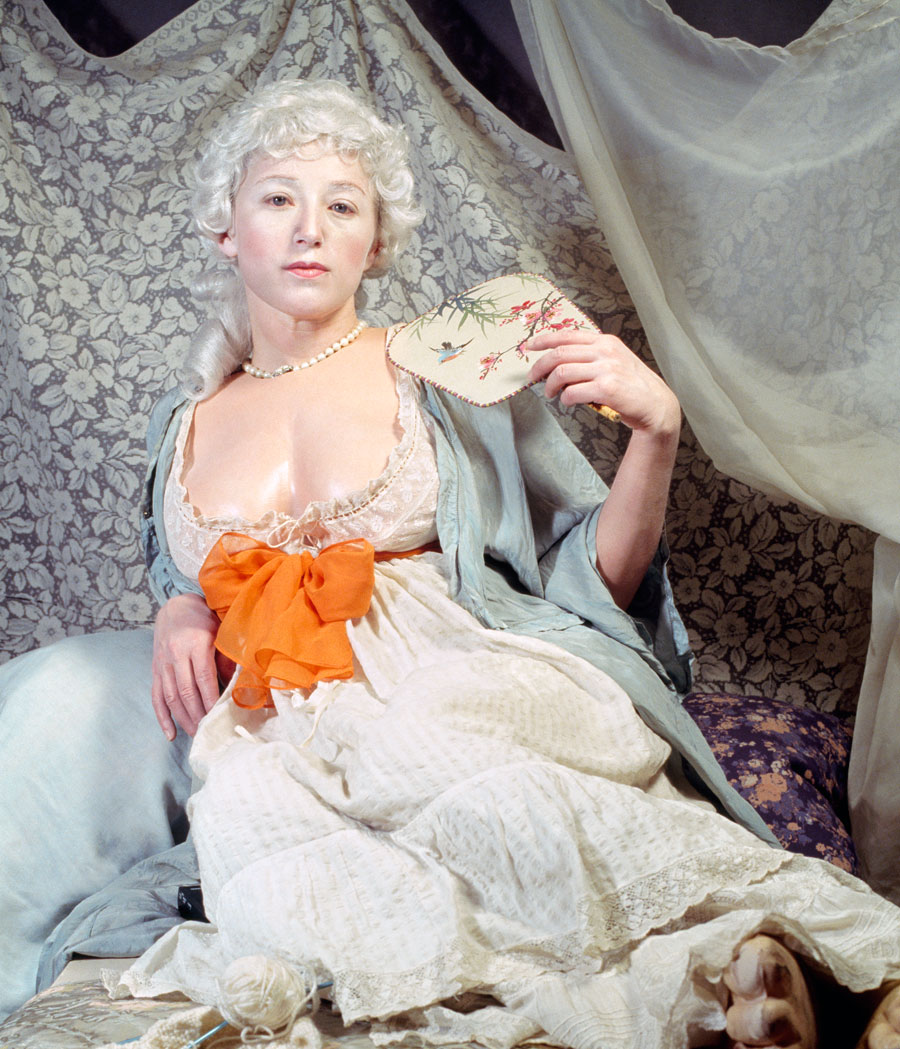
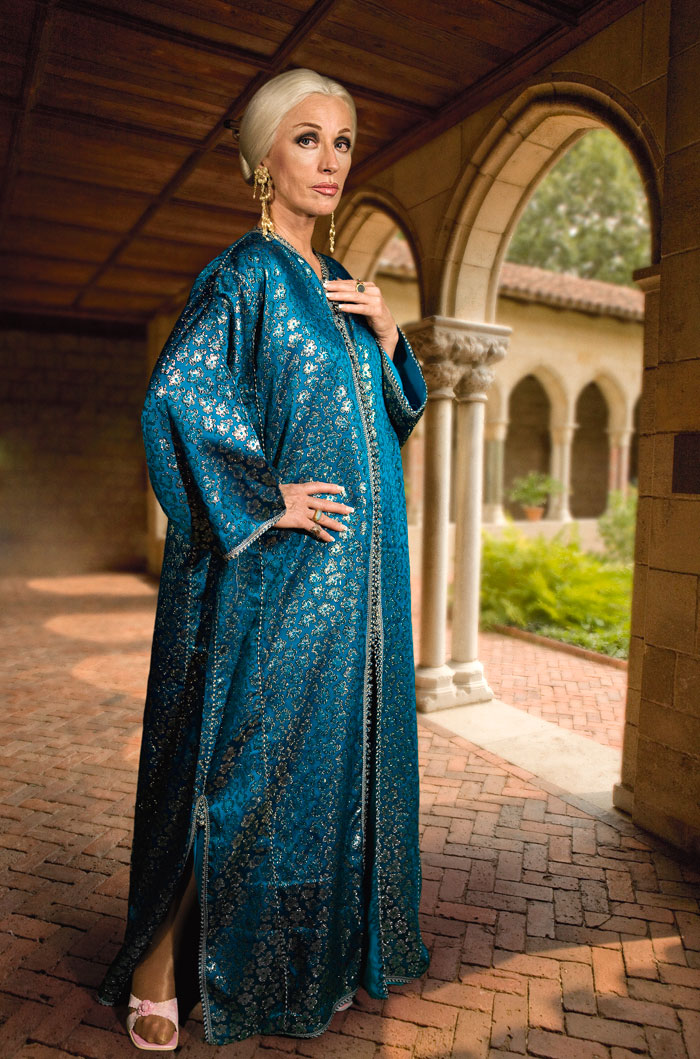
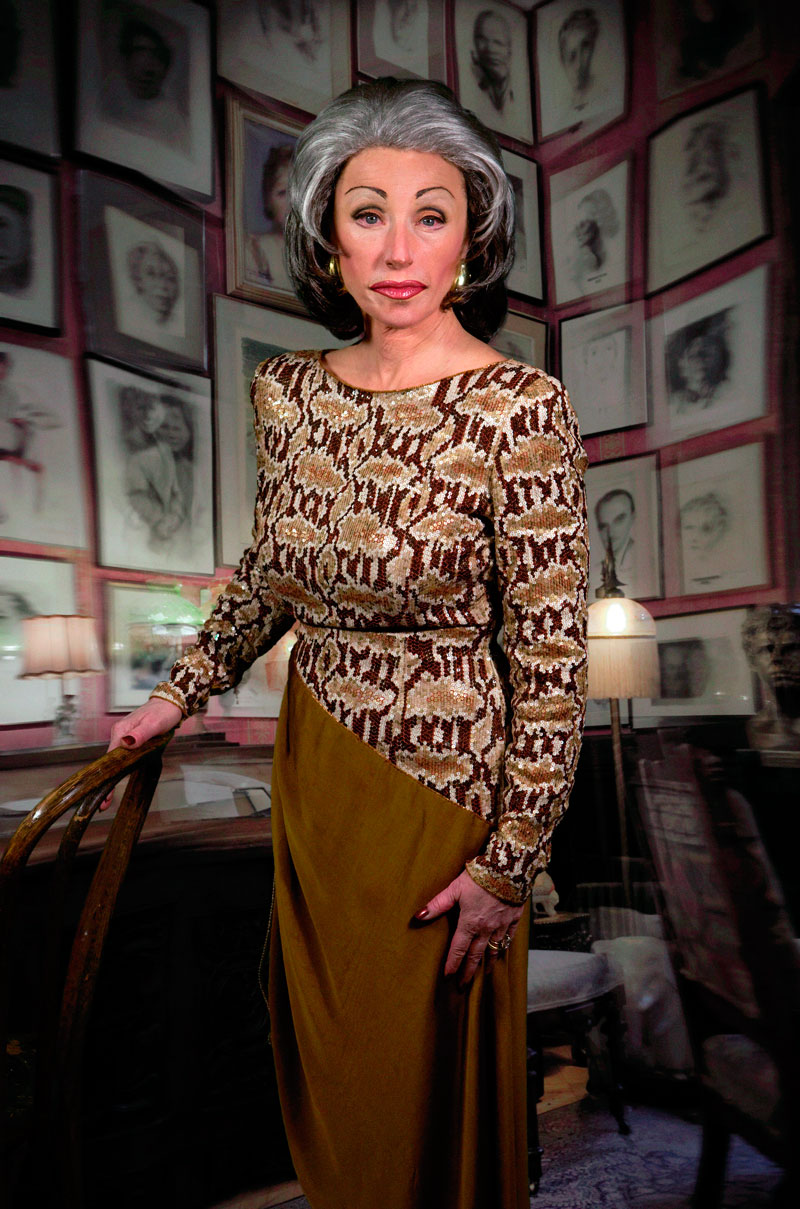
The 1990s brought the History Portraits, in which Sherman restaged old master paintings — channelling Caravaggio, Raphael, and Fouquet with the aid of prosthetic noses, false breasts, and elaborate costumes — and the Sex Pictures (1992), which used medical mannequins arranged in explicit tableaux to interrogate the representation of sexuality and desire. In the 2000s and 2010s, she turned her attention to the culture of affluence and ageing, producing series such as the Society Portraits (2008) and Flappers (2016–2018), in which she appeared as wealthy women of a certain age, their faces contorted by cosmetic surgery and their identities concealed behind layers of make-up, jewellery, and couture. These works extended her career-long investigation into the performed nature of identity, applying it to the specific anxieties of wealth, status, and the terror of ageing in a culture that values women primarily for their appearance.
Sherman's influence on contemporary art and photography is immeasurable. She demonstrated that photography could be a medium of conceptual art, that the self-portrait could be an instrument of cultural critique rather than personal expression, and that the construction of images was as worthy of artistic investigation as the world those images purported to represent. Her work has been the subject of major retrospectives at the Museum of Modern Art, the Museum of Contemporary Art, Los Angeles, and galleries worldwide. In 2011, a print of Untitled #96 sold at auction for $3.89 million, then the highest price ever paid for a photograph. She continues to work in New York, producing new series that extend and deepen the investigation she began in her student apartment in Buffalo nearly half a century ago.