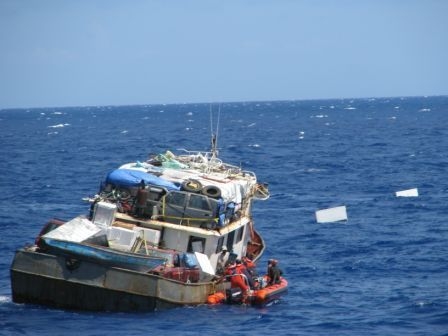
Christopher Anderson was born in 1970 in western Canada and raised in Texas. His path to photography was not immediate; he spent time drifting, working odd jobs, and slowly discovering that the camera offered him a way of engaging with the world that nothing else could match. His early work as a photojournalist took him to some of the most dangerous places on earth, and his career was dramatically shaped by a single, defining experience. In 2000, Anderson boarded a handmade wooden boat called the Piaña, crowded with Haitian refugees attempting to reach the United States. The boat sank in the Caribbean, and Anderson — swimming for his life alongside the Haitian passengers — managed to survive. The photographs he made aboard the Piaña before it went down, and in the water as it sank, were published in the New York Times Magazine and instantly established him as a photographer of extraordinary courage and moral commitment.
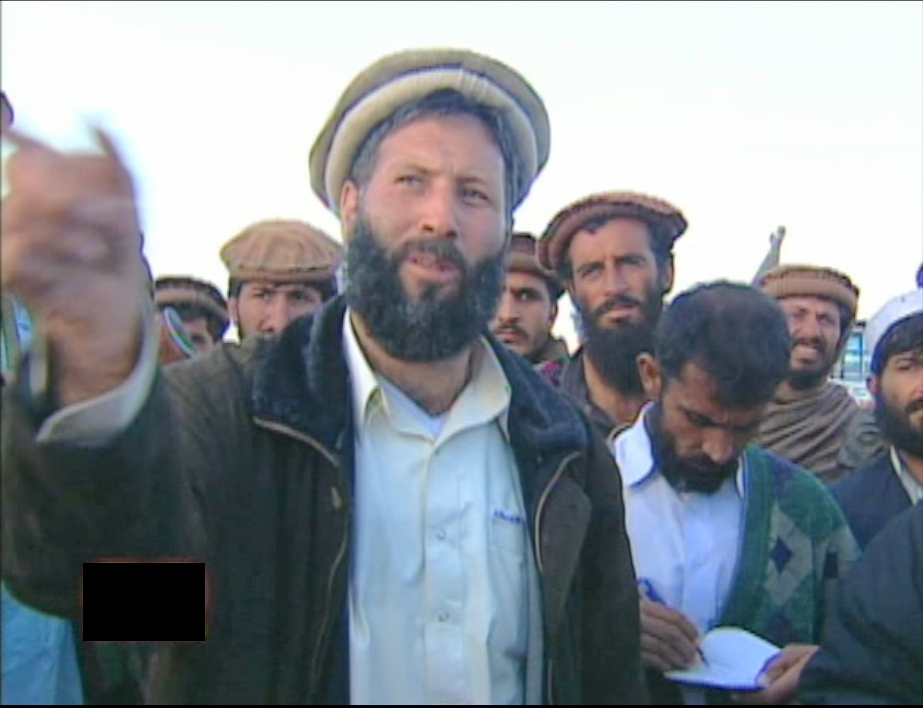
The Piaña experience was a crucible. It confirmed Anderson's willingness to put himself at physical risk for a story, but it also planted the seeds of a deeper questioning about the purpose and ethics of photojournalism. In the years that followed, he covered the war in Afghanistan in 2001, embedding with Northern Alliance fighters during the fall of the Taliban, and worked in conflict zones across the Middle East and Africa. His conflict photography was characterised by an immersive, almost painterly quality that set it apart from conventional news images: saturated colour, complex compositions, and a willingness to let ambiguity and beauty coexist with violence and suffering.
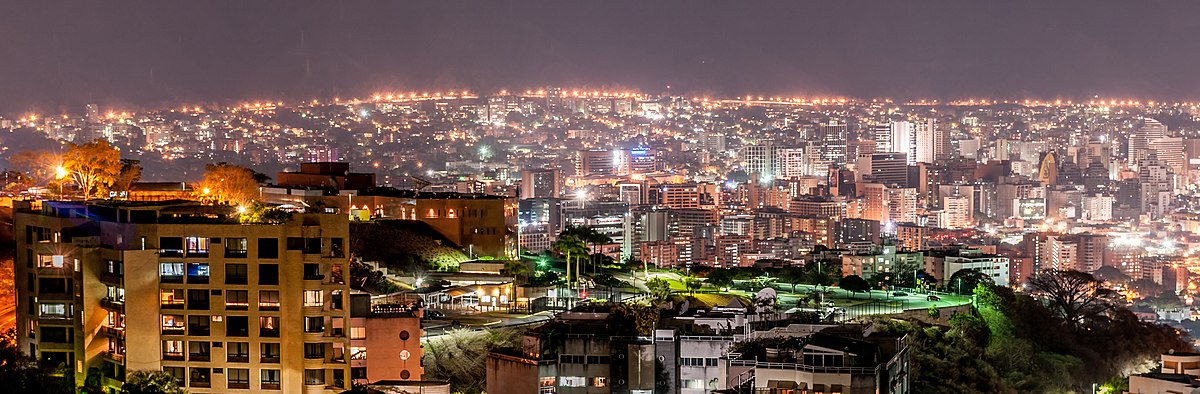
In 2005, Anderson was elected a member of Magnum Photos, joining the agency at a moment when photojournalism was undergoing a profound transformation. The rise of digital media, the collapse of traditional magazine markets, and the proliferation of amateur imagery were challenging the very foundations of the profession, and Anderson responded by pushing his work in increasingly personal and experimental directions. His coverage of Hugo Chávez's Venezuela, collected in the book Capitolio (2009), demonstrated this evolution. Rather than producing a conventional journalistic account, Anderson created a hallucinatory visual essay in which the political chaos of Caracas was rendered through heat-blurred colours, fragmented compositions, and a pervasive atmosphere of sensory overload. Capitolio was recognised as a landmark photobook that dissolved the boundary between reportage and art.
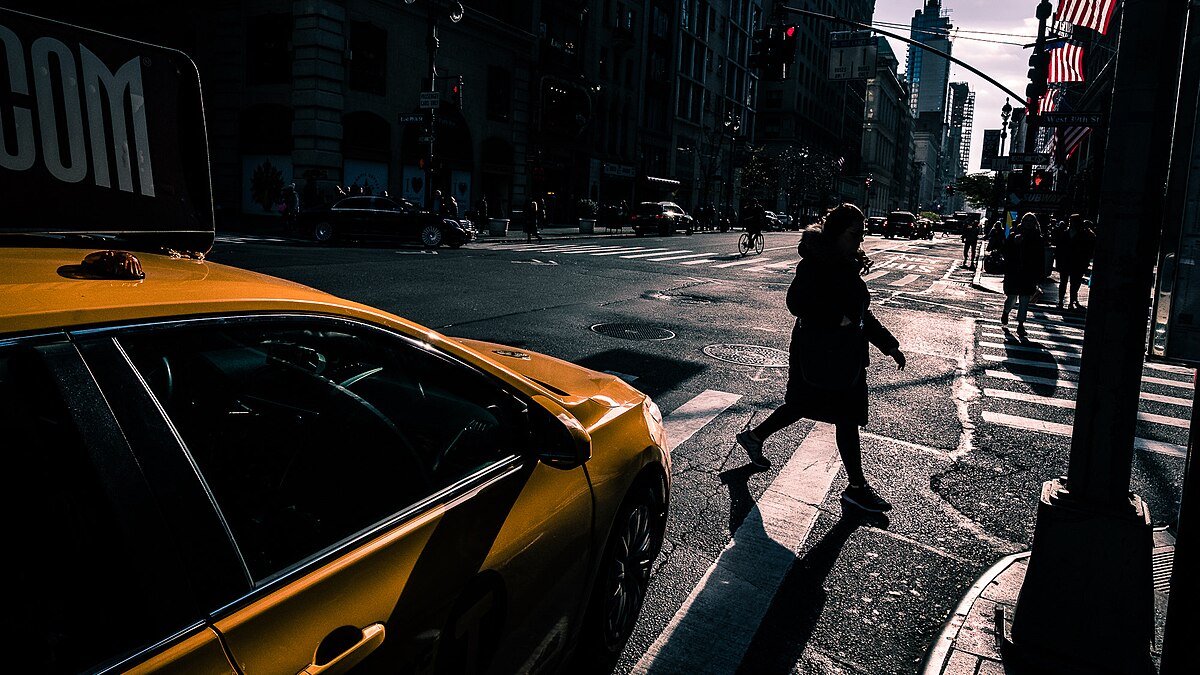
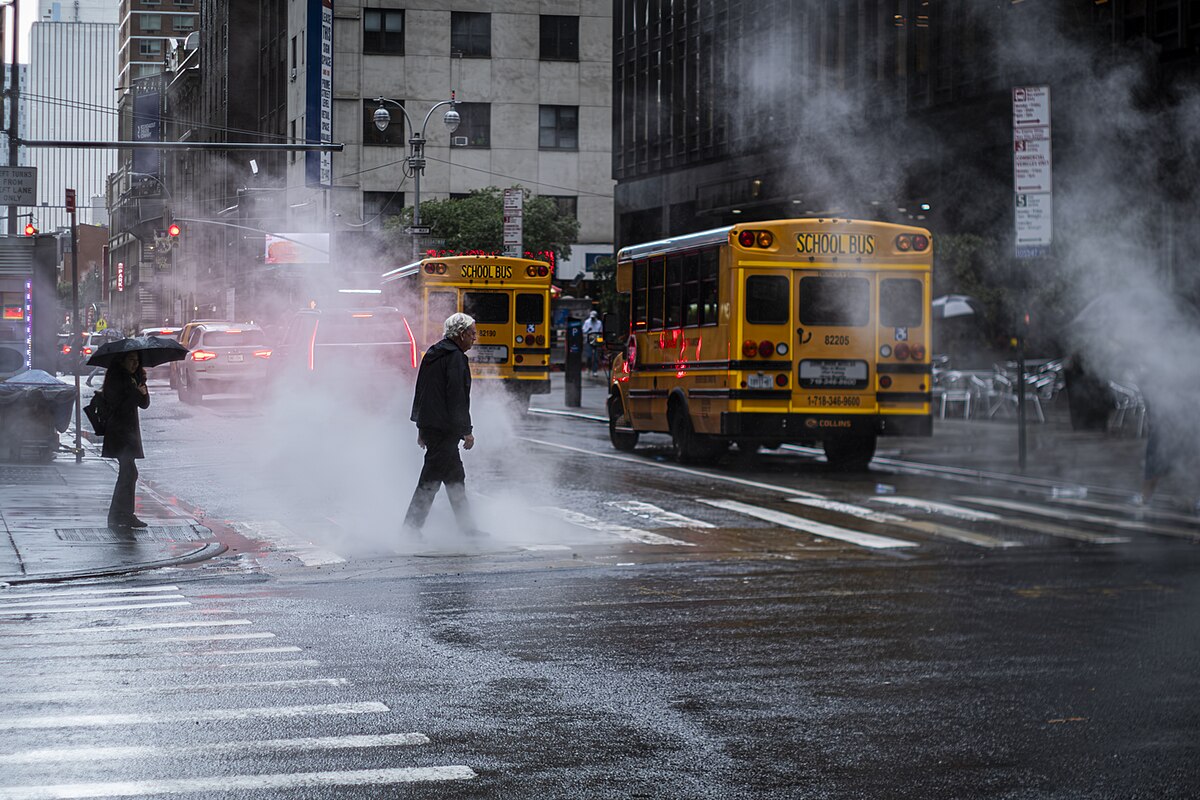
Anderson's subsequent work moved decisively away from conflict and towards the intimate and the domestic. Son (2013) documented the first years of his child's life with a tenderness and visual sophistication that transformed family photography into something approaching painting. Shot in lush, saturated colour with a shallow depth of field that dissolved backgrounds into abstract fields of tone, the images captured the overwhelming emotional intensity of new fatherhood. Approximate Joy (2011) explored the streets of New York through a similarly painterly lens, finding beauty and strangeness in the everyday encounters of urban life.
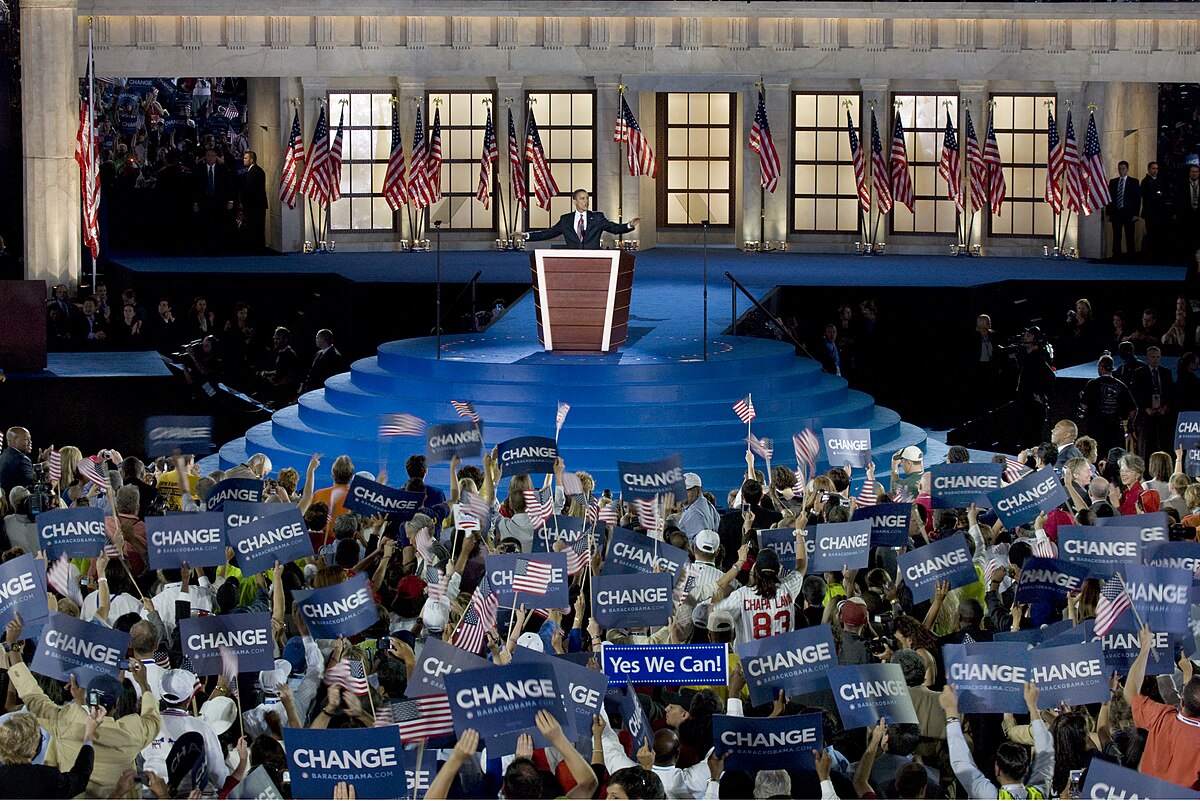
In 2008, Anderson was granted intimate access to Barack Obama's presidential campaign, producing images for New York magazine that were among the most memorable photographs of that historic election. His Obama pictures were characterised by the same quality that defined all his best work: a feeling of closeness, of being inside the experience rather than observing it from without, combined with a compositional intelligence that elevated the documentary moment into something more lasting and resonant.
Anderson's career arc — from conflict photographer to intimate artist — reflects a broader shift in contemporary photography, but his particular achievement has been to execute this transition without loss of intensity. Whether photographing a sinking boat or a sleeping child, his images possess the same visceral emotional charge, the same commitment to the reality of experience, and the same refusal to settle for the merely competent. He continues to work from New York, producing editorial, personal, and commercial work that consistently blurs the line between documentation and art.