Christer Strömholm was born in 1918 in Stockholm, Sweden, into a family marked by disruption and restlessness. His parents separated when he was young, and he was raised by relatives, an early experience of displacement that would colour his entire life and art. As a young man, he studied painting at the art academies of Stockholm, Dresden, and Paris, immersing himself in European Modernism before the Second World War transformed the cultural landscape of the continent. During the war, Strömholm worked in Sweden, but it was in the postwar years that he found his true medium: photography. The camera became for him not merely a tool of documentation but an extension of his existential engagement with the world — a means of confronting the strangeness, beauty, and cruelty of human existence.
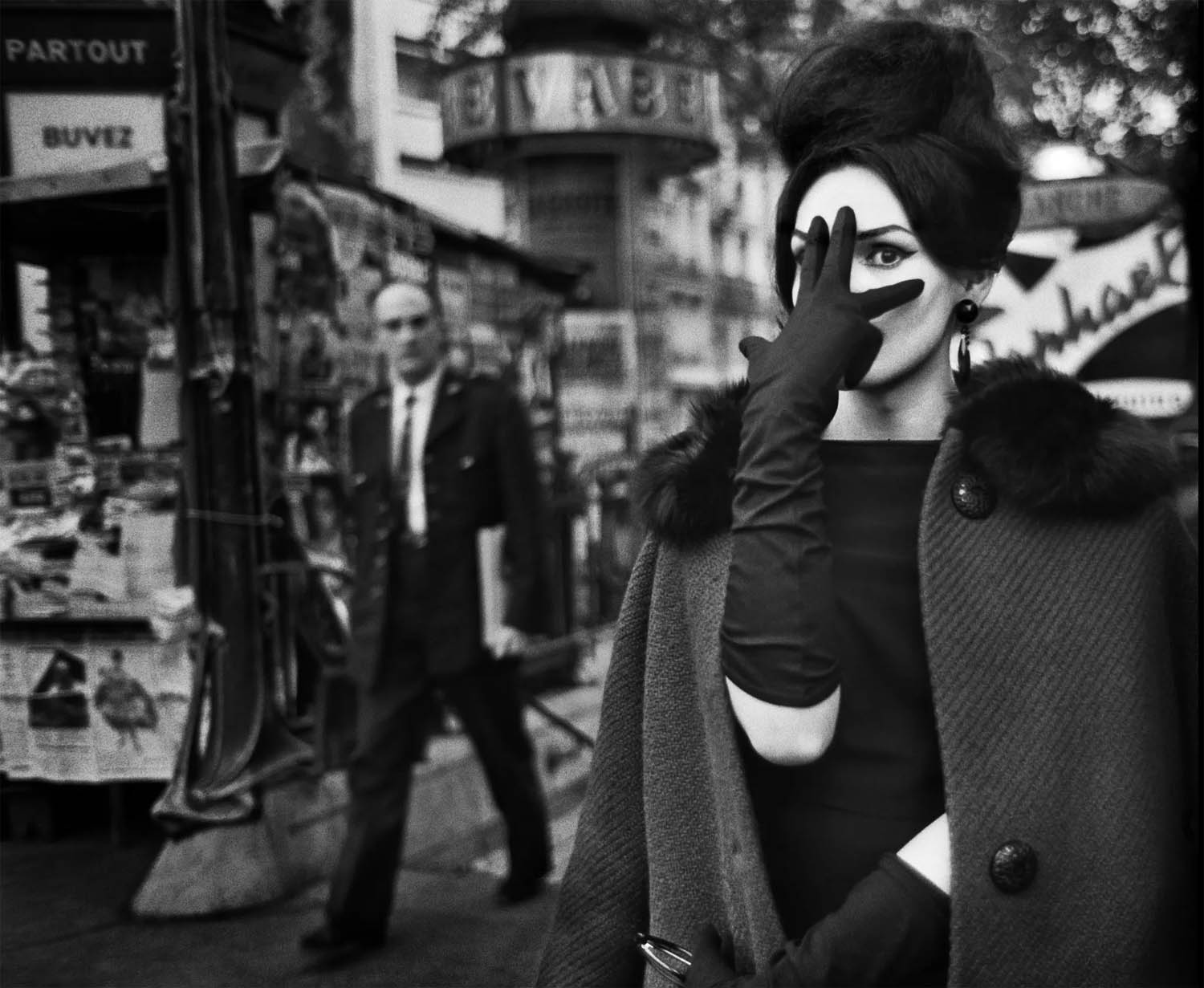
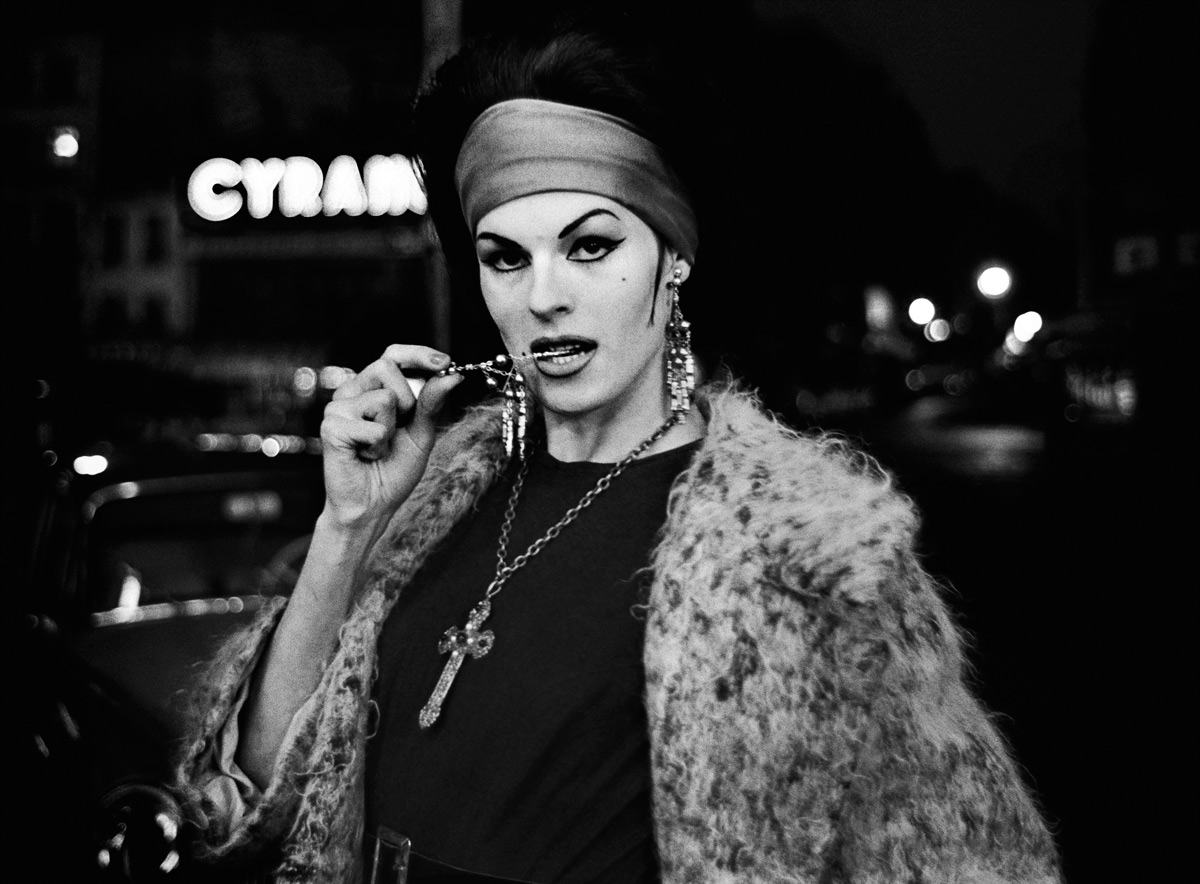
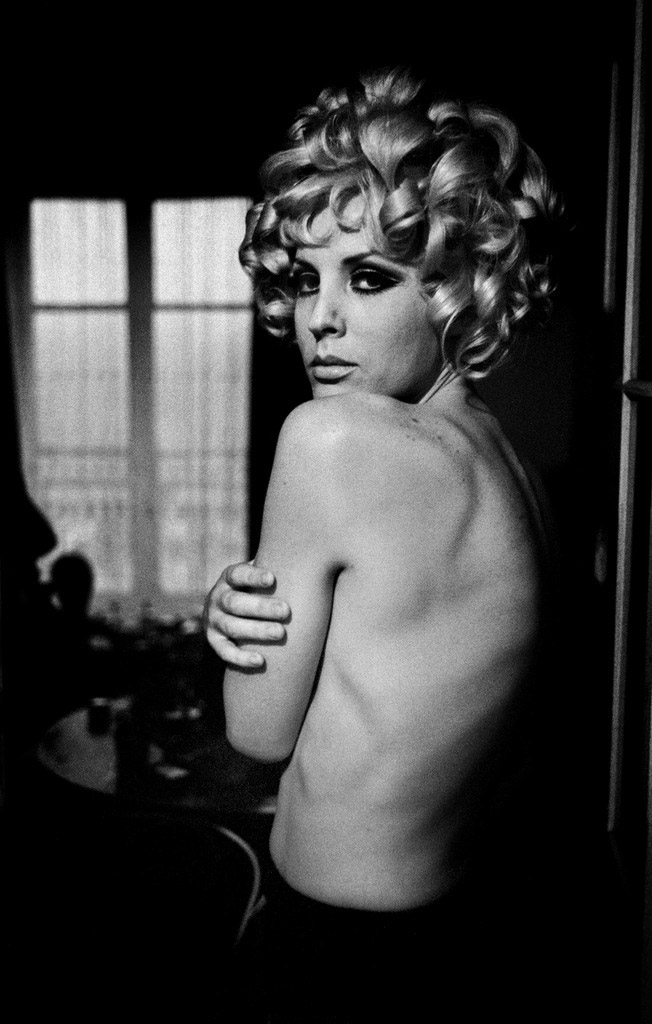
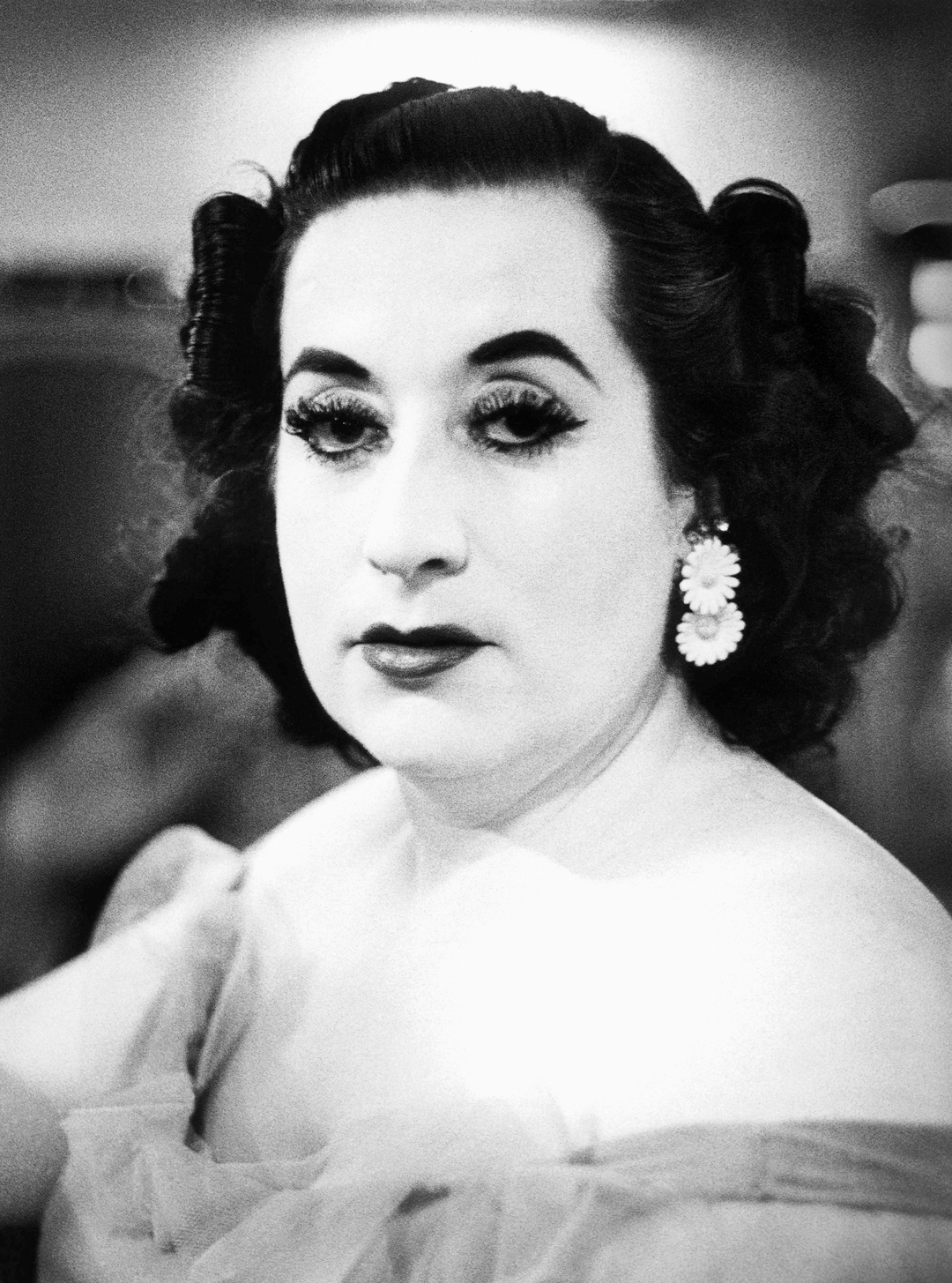
In the late 1940s and through the 1950s, Strömholm began a peripatetic life that would take him across Europe, Asia, and beyond. He lived for extended periods in Paris, the city that became his spiritual home, and it was there that he developed the intensely personal photographic language that would define his career. Strömholm's Paris was not the Paris of tourists and monuments but the Paris of night, of the margins, of the demi-monde. He gravitated towards those who lived outside the boundaries of respectable society — sex workers, artists, drifters, and the transgender women of Place Blanche, near the Moulin Rouge in Pigalle — and he photographed them with a combination of intimacy, tenderness, and unflinching honesty that was decades ahead of its time.
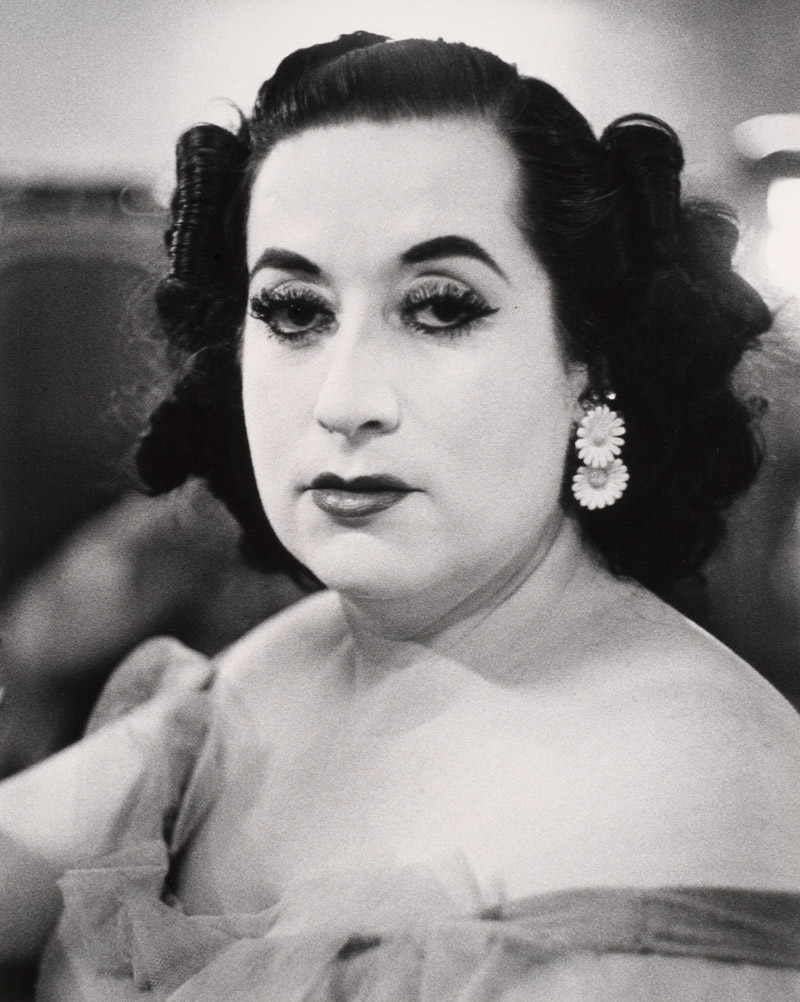
His most celebrated body of work, Les Amies (The Friends), documented the transgender women of Place Blanche over a period spanning the late 1950s to the late 1960s. These women — who lived on the extreme margins of French society, subjected to legal persecution, social ostracism, and violence — accepted Strömholm into their world with remarkable trust. He was not an outsider photographing curiosities; he was a friend, a companion in their nocturnal world, and the photographs reflect this relationship. The portraits are direct, warm, and dignified, presenting their subjects as individuals rather than types, as people with histories, desires, and interior lives. When Les Amies was finally published as a book in 1983, it was recognised as a pioneering work of empathy and a landmark in the representation of transgender lives.
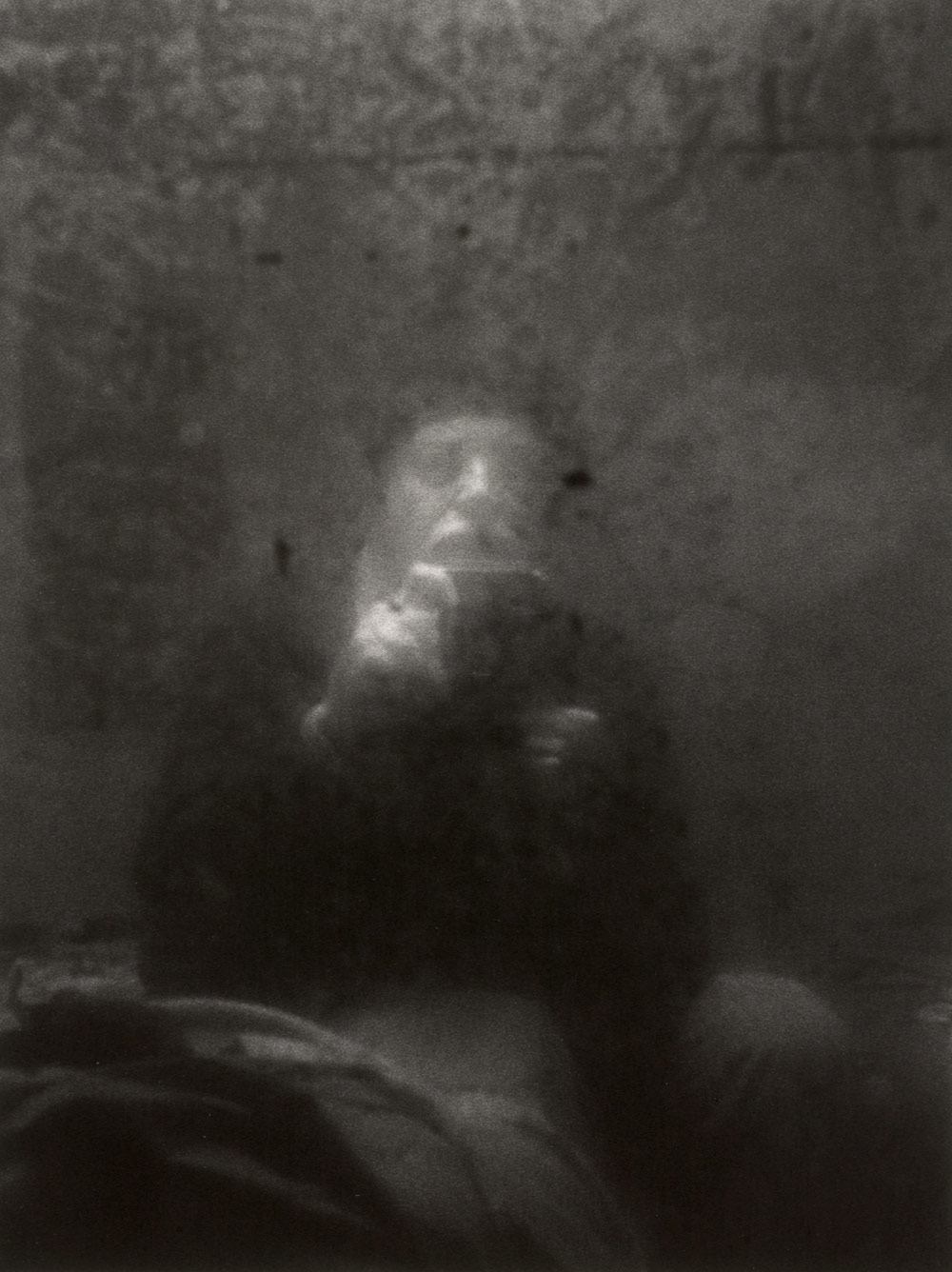
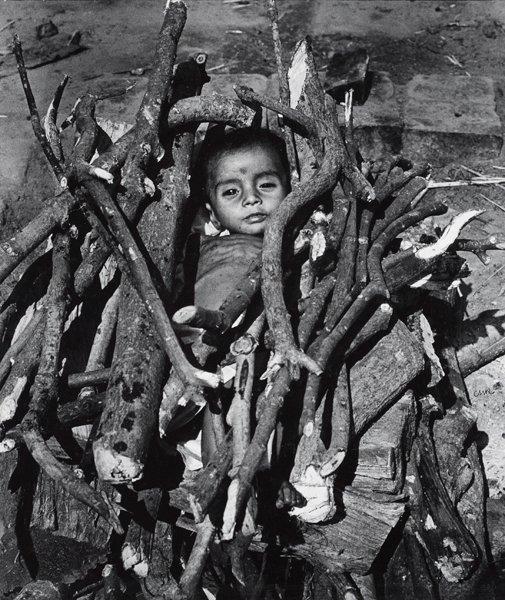
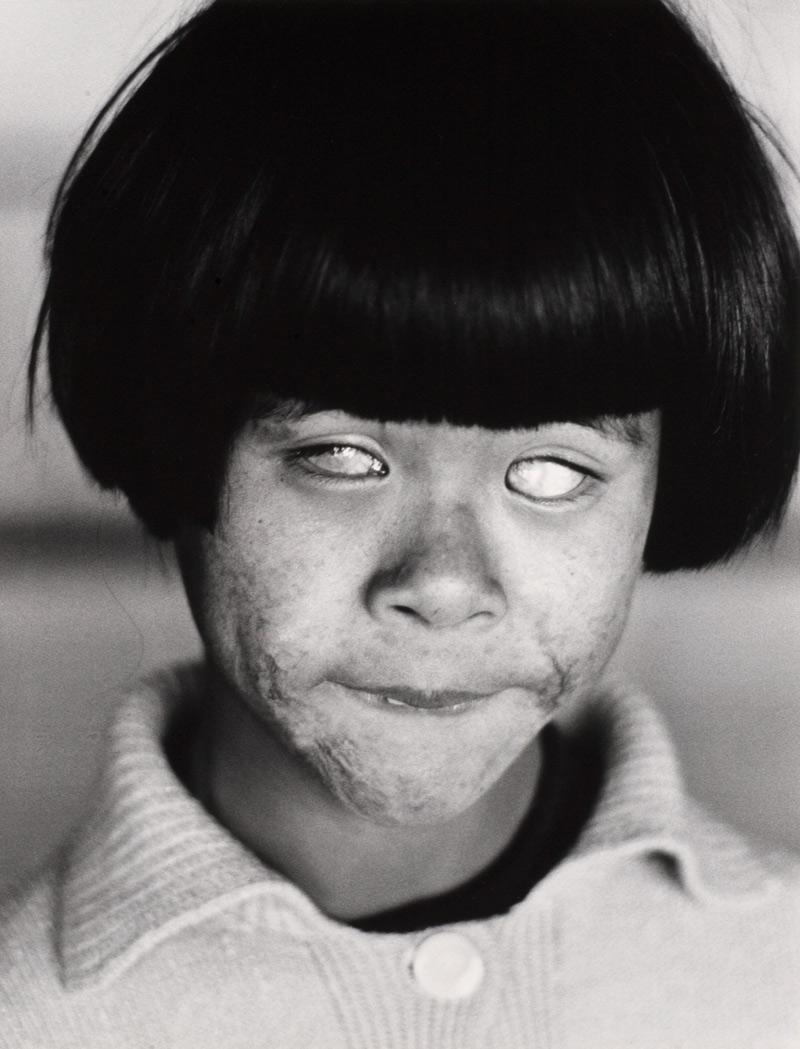
Strömholm's wider body of work extends far beyond the Place Blanche portraits, though it shares the same existentialist sensibility. He photographed in Spain, Japan, India, and across Scandinavia, always drawn to the rawness of experience, to moments of vulnerability and confrontation with mortality. His 1963 visit to Hiroshima produced a series of harrowing images of survivors and the aftermath of the atomic bombing, and his work in India captured the extremes of human endurance and spiritual seeking. Throughout, his photographic style remained intensely personal: high-contrast black and white, often shot at night or in low light, with a grain and darkness that mirrored the emotional landscape of his subjects.
In 1962, Strömholm was appointed head of the photography department at the University College of Arts, Crafts and Design (Konstfack) in Stockholm, a position he held for over a decade. His teaching was as unconventional as his photography. He encouraged his students to reject technical perfectionism in favour of personal expression, to seek out the uncomfortable and the unknown, and to treat the camera as a vehicle for self-exploration rather than mere image-making. His students, many of whom became leading figures in Scandinavian photography, regarded him as a transformative influence — less a teacher of technique than a teacher of how to see and how to live.
Strömholm's reputation grew slowly. For much of his career, he was better known as a teacher and a cult figure within Scandinavian photography than as an internationally recognised artist. It was only in the 1980s and 1990s, with the publication of Les Amies and a series of retrospective exhibitions, that his work began to receive the wider recognition it deserved. In 1997, the Swedish publisher Max Ström issued a comprehensive retrospective volume, and subsequent exhibitions at institutions across Europe established Strömholm as one of the most significant and original photographers of the postwar period. He died in Stockholm in 2002, having lived a life as restless and uncompromising as the photographs he left behind.