Chris Verene was born in 1969 in Galesburg, Illinois, a small railroad town in the western part of the state whose gradual economic decline and resilient community life would become the central subject of his photographic career. Galesburg, with its fading Main Street storefronts, its working-class neighbourhoods, and its population of ordinary Americans living lives of quiet determination, represented a version of the American experience that the broader culture was increasingly eager to forget. Verene, however, refused to forget it. From his earliest work, he understood that the most profound photographic subjects were not to be found in distant or exotic places but in the very world he came from.
Verene studied photography at Georgia State University and later completed his MFA at the School of the Art Institute of Chicago. His formal education exposed him to the traditions of documentary photography and conceptual art, but the roots of his practice lay in something more personal: the family snapshots, the Kodak prints, the amateur camera club photographs that had surrounded him growing up. He recognised in these vernacular images a truth and an emotional directness that more sophisticated approaches often sacrificed. When he began his own photographic project in Galesburg, he carried this understanding with him, working in colour with direct flash and adopting the aesthetic of the family snapshot — frontal, unposed, immediate — while bringing to it a compositional intelligence and a depth of engagement that elevated the vernacular into art.
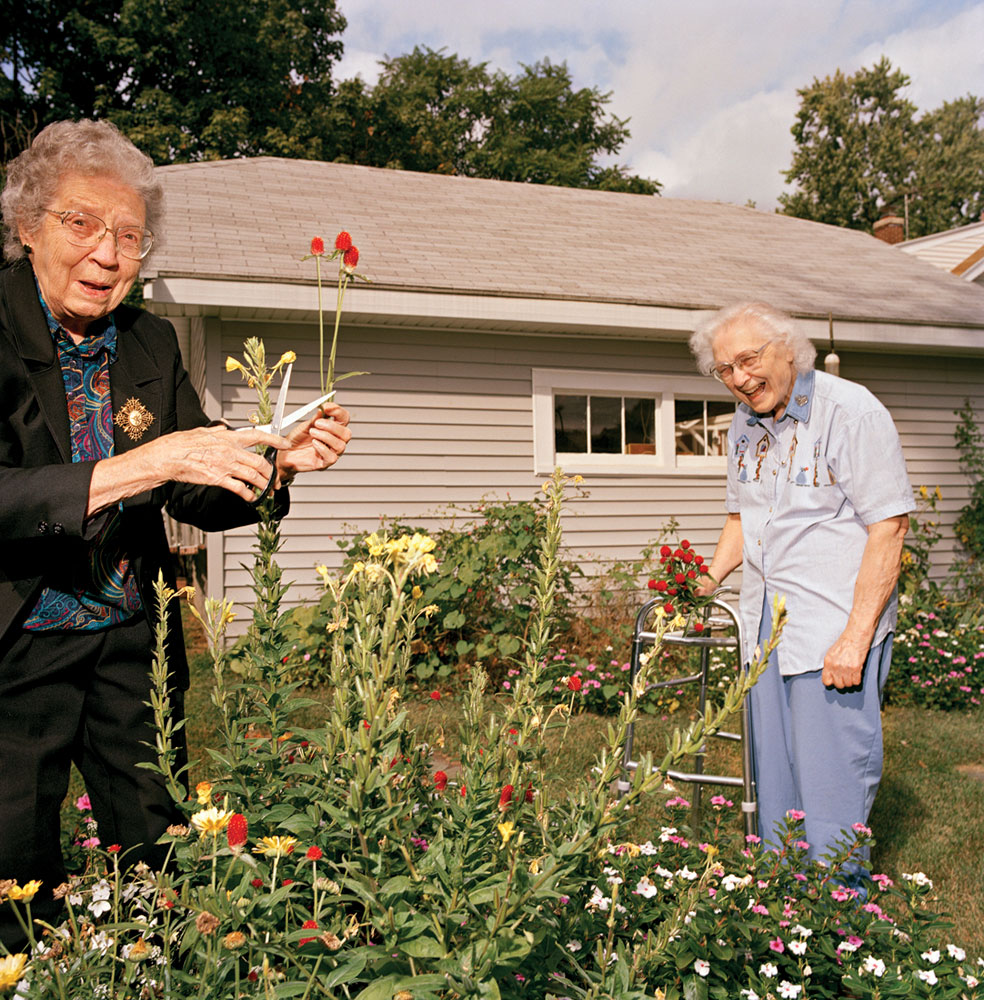
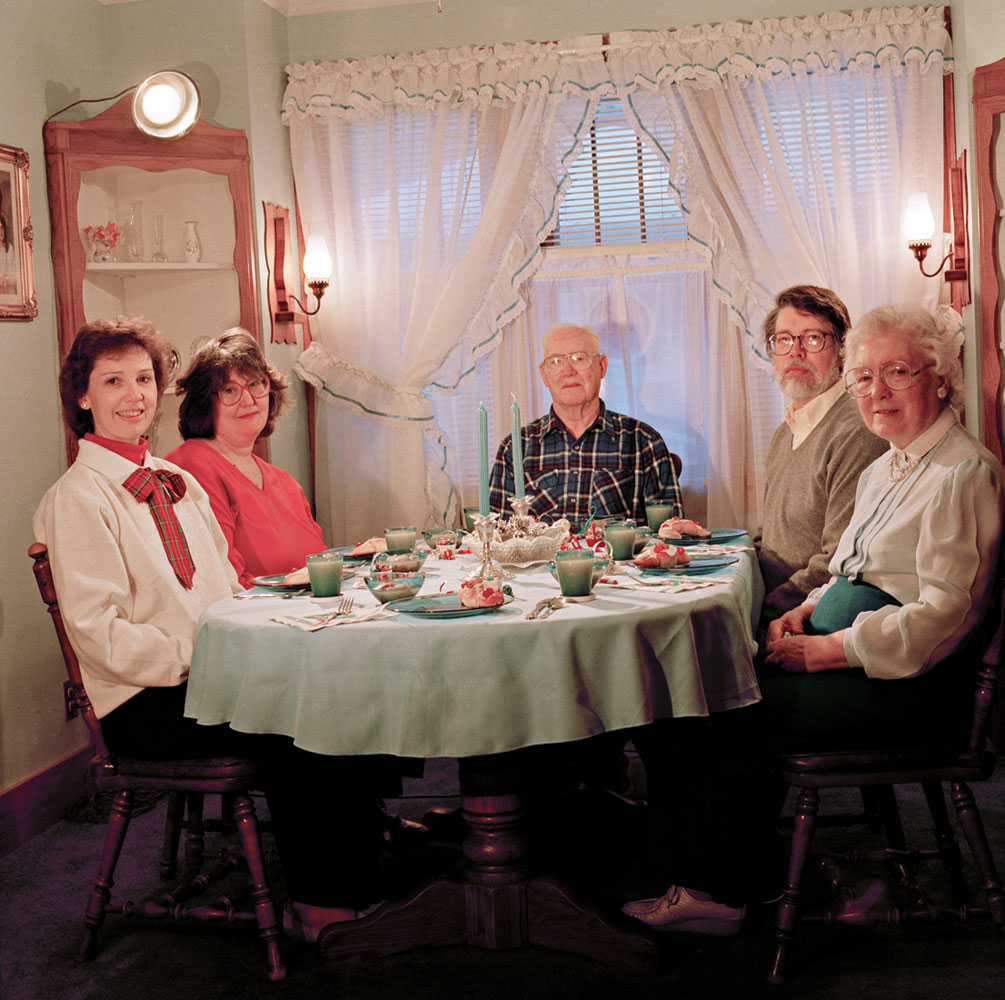
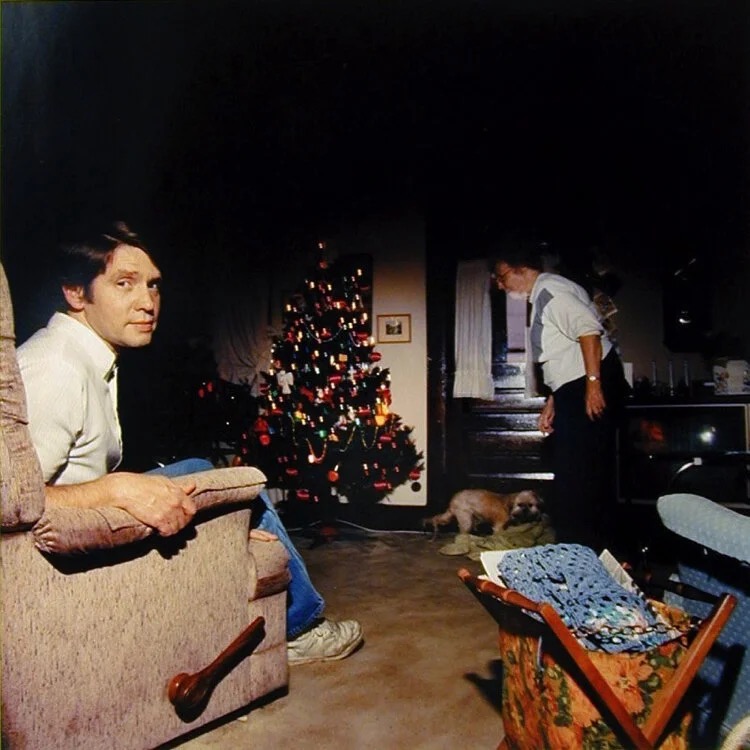
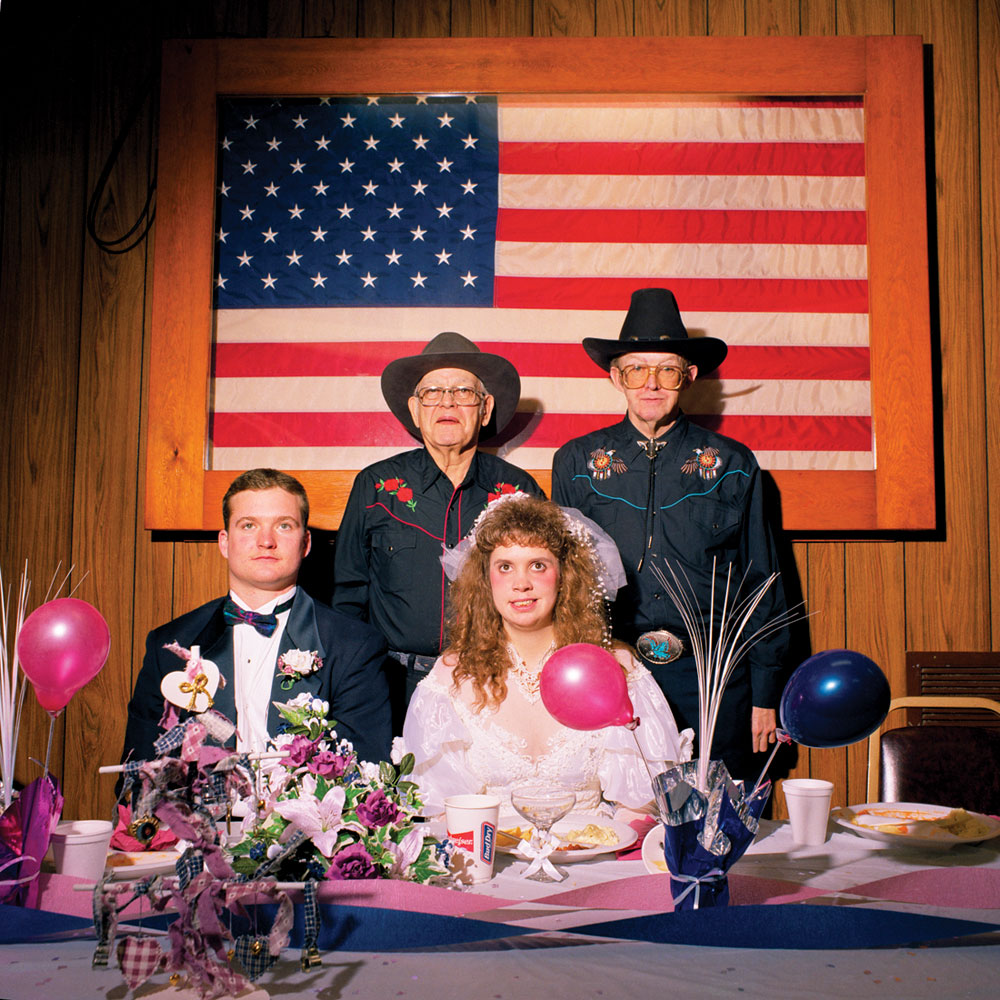
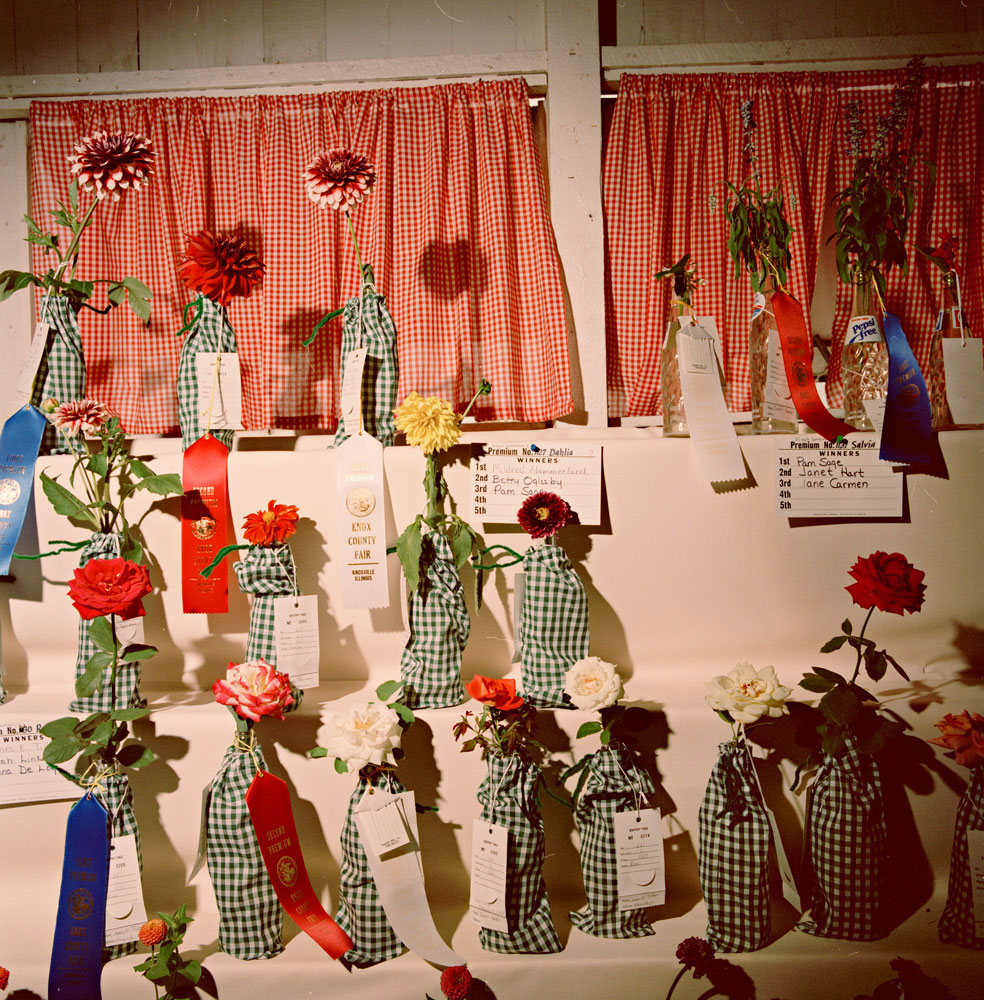
Beginning in the early 1990s and continuing for more than two decades, Verene returned to Galesburg repeatedly, photographing the same families, friends, and acquaintances across the years. He documented weddings, funerals, family reunions, county fairs, and the mundane rhythms of domestic life with a camera that was simultaneously intimate and unsparing. His subjects — his grandmother, his childhood friends, their spouses and children — were photographed with a frankness that could be startling. Verene did not flatter or idealise; he showed people as they were, in cluttered living rooms and on sagging porches, in moments of celebration and in moments of quiet desperation, with the same unflinching directness.
What distinguished Verene's Galesburg work from conventional documentary photography was the depth of his personal investment. These were not strangers he had chosen as subjects; they were the people among whom he had grown up, whose lives were entangled with his own. The camera, in Verene's hands, became an instrument of relationship rather than observation. He photographed his subjects over such extended periods that his images constitute a kind of longitudinal study — a record of how people age, how families evolve, how a community changes over time. Watching the progression of his Galesburg portraits is like watching time itself made visible, year by year, in the faces and bodies and domestic environments of people who remain stubbornly, beautifully themselves.
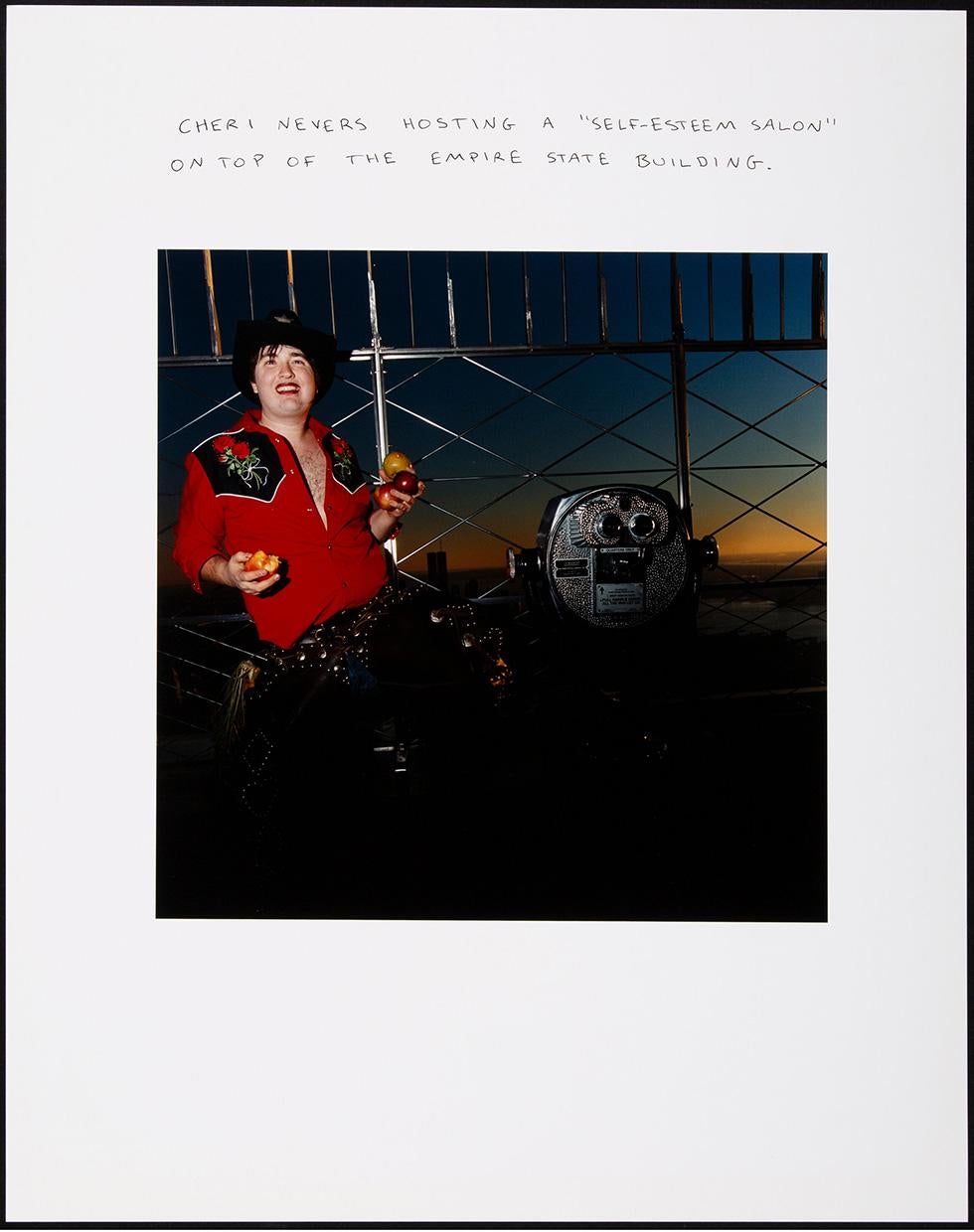
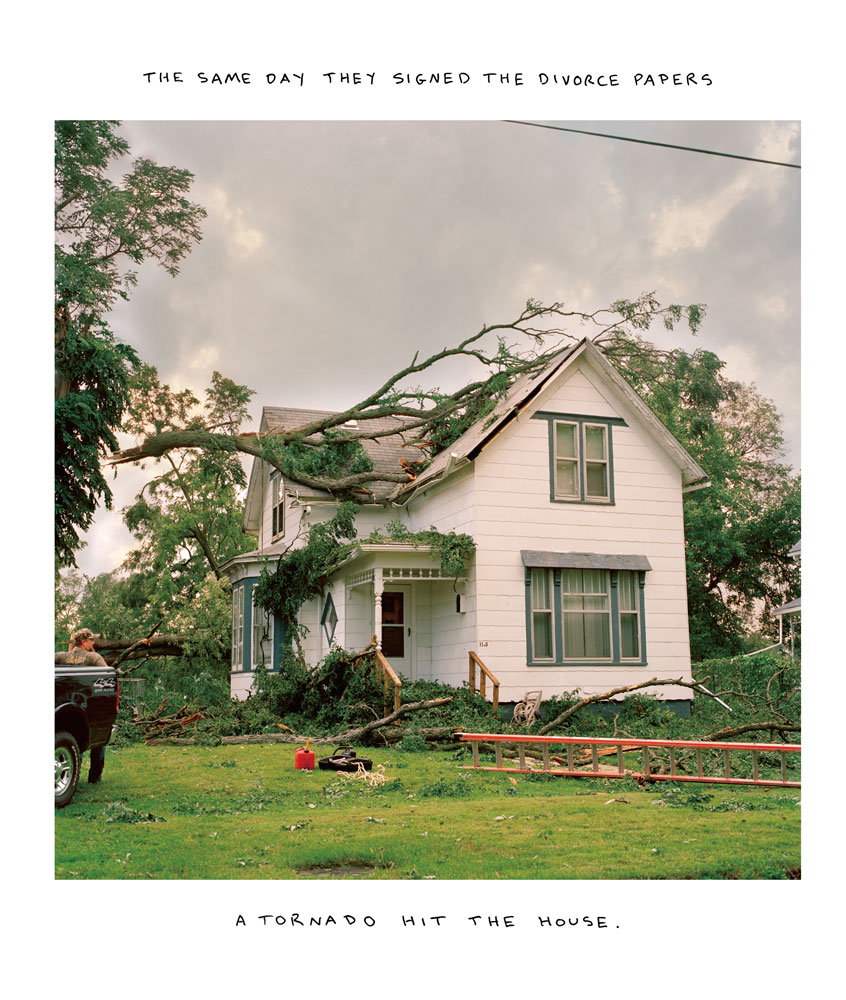
Verene's work belongs to a tradition of photographers who have focused on their own communities, a lineage that includes Mike Disfarmer's portraits of rural Arkansans, Larry Sultan's photographs of his own parents, and Larry Clark's intimate documentation of Tulsa youth culture. But Verene's approach is distinctly his own, characterised by the addition of handwritten captions beneath many of his photographs. These captions — sometimes explanatory, sometimes cryptic, sometimes heartbreaking — add a narrative dimension to the images, transforming individual photographs into chapters of a larger story. The combination of image and text creates a hybrid form that is part photography, part diary, part oral history.
In addition to his Galesburg work, Verene has photographed extensively in New York City, where he has lived for much of his adult life, and has explored themes of self-portraiture and personal mythology. He has taught photography at several institutions, including the School of Visual Arts in New York, and has exhibited his work at galleries and museums internationally, including the Whitney Biennial in 2002. His books, including Chris Verene (2000) and Family (2011), present his Galesburg project as a deeply personal meditation on the meaning of home, the passage of time, and the complex bonds that hold small communities together even as the economic and social forces of the wider world pull them apart.