Cecil Walter Hardy Beaton was born on 14 January 1904 in Hampstead, north London, into a comfortable upper-middle-class family. His father, Ernest Beaton, was a prosperous timber merchant, and his mother, Esther “Etty” Sisson, kept the household for their four children. At the age of eleven, Cecil received his first camera — a Kodak Box Brownie — from his nanny, who also taught him how to process negatives and make prints. His younger sisters, Nancy and Baba, became his first willing models, posing in imaginative costumes he devised for them in the family garden. From the start, Beaton understood the camera not as a tool for recording reality but as an instrument for creating it.
He was educated at Heath Mount School in Hampstead, then St Cyprian’s in Eastbourne — where, memorably, he was bullied by a young Evelyn Waugh — followed by Harrow and St John’s College, Cambridge. At Cambridge he devoted most of his energies to the Amateur Dramatic Club and to photography, leaving in 1925 without completing his degree. After a brief and unhappy spell working in his father’s timber business, Beaton threw himself into the glittering social world of 1920s London, becoming a fixture of the “Bright Young Things” set and developing a photographic style that was theatrical, decorative, and utterly original.
By the late 1920s, Beaton had secured a contract as a staff photographer for Condé Nast, working for both Vogue and Vanity Fair. He developed a highly distinctive approach to portraiture in which the subject became one element within an elaborately staged composition, using inventive backdrops of cellophane, tinfoil, painted screens, and theatrical props. His fashion photographs were characterised by fantasy, glamour, and meticulous art direction. Where other photographers sought to document, Beaton sought to enchant. His work for Vogue across four decades helped define the visual language of high style in the twentieth century, and his portraits of Marlene Dietrich, Greta Garbo, Marilyn Monroe, and Audrey Hepburn remain among the most celebrated images of their subjects.
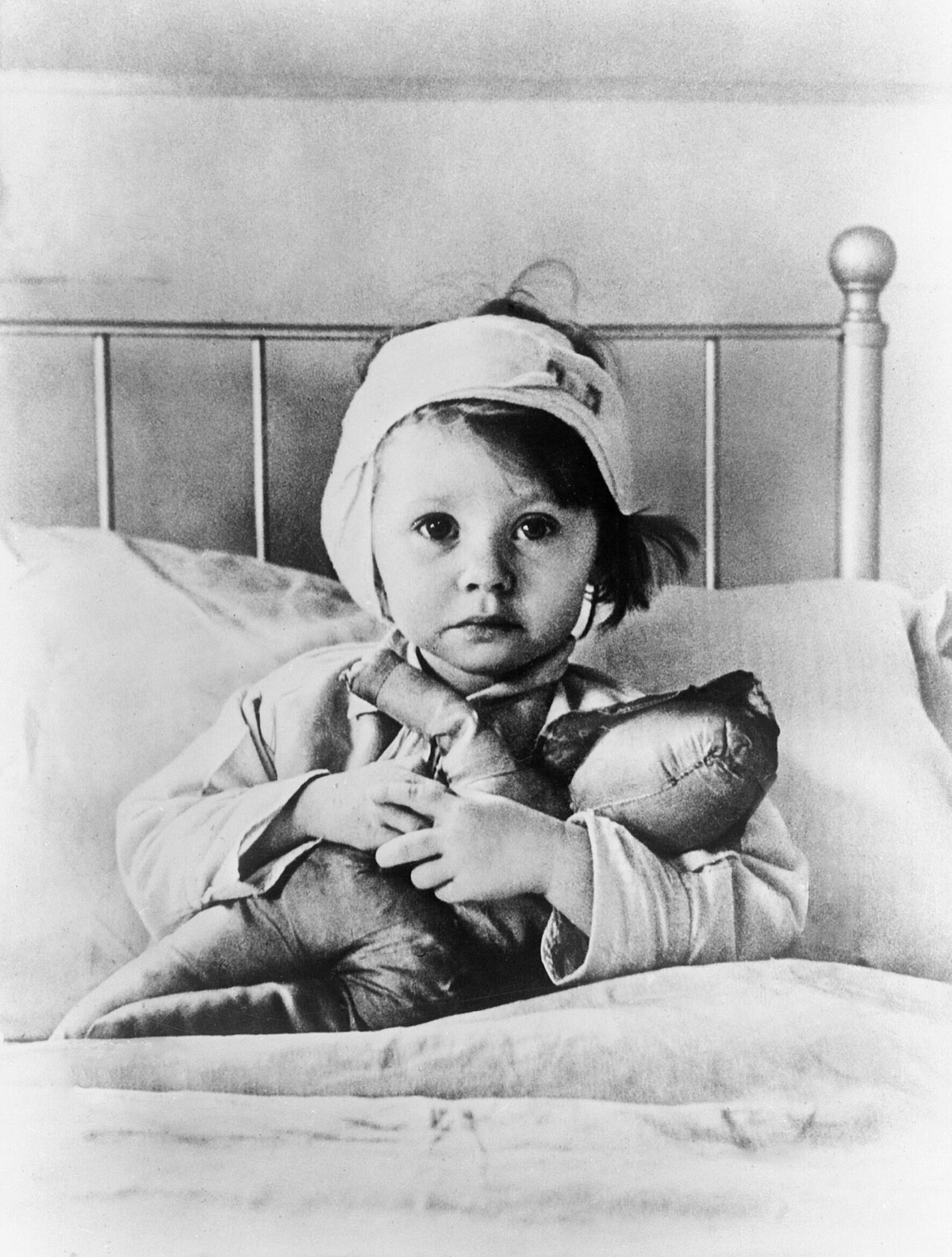
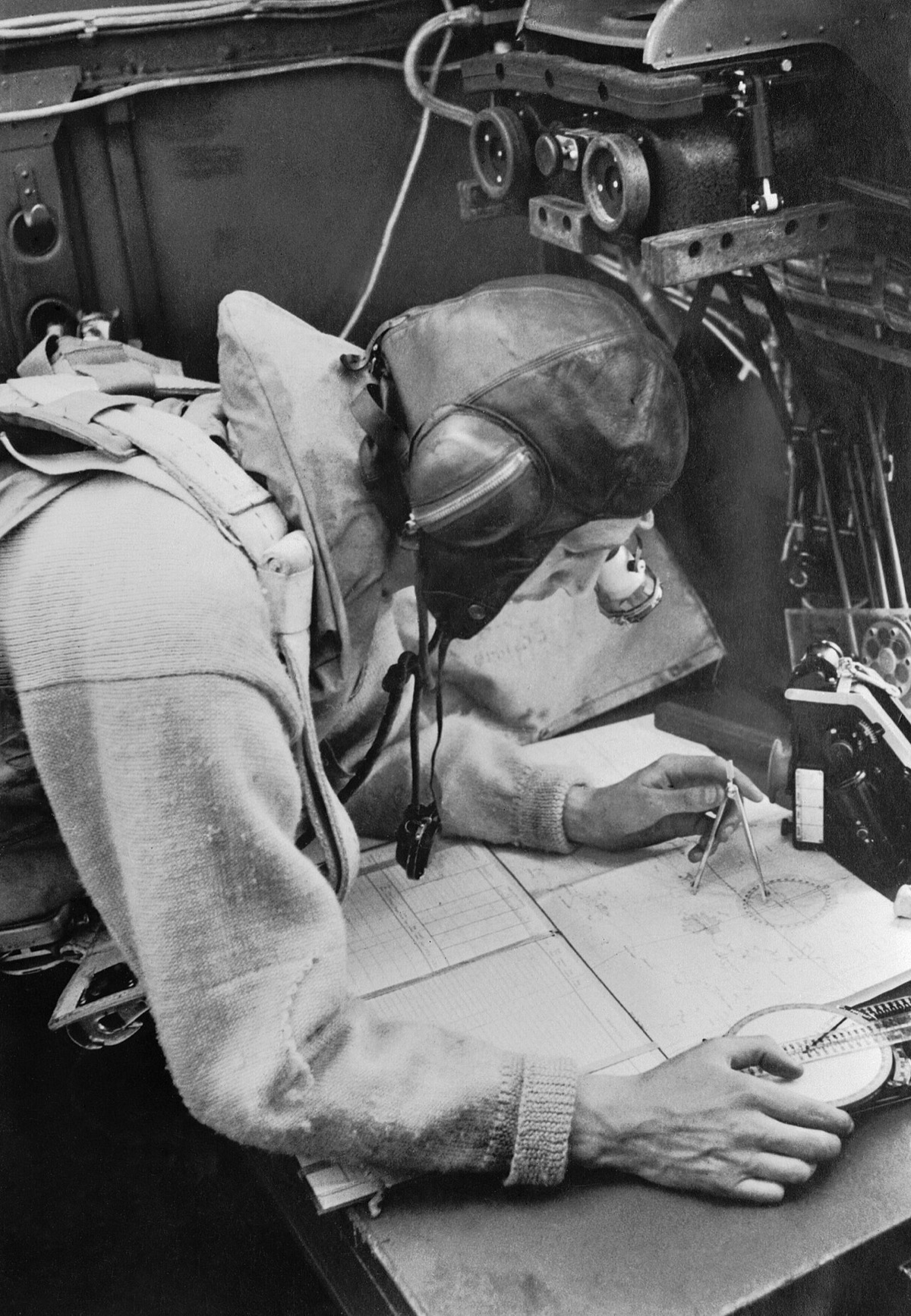
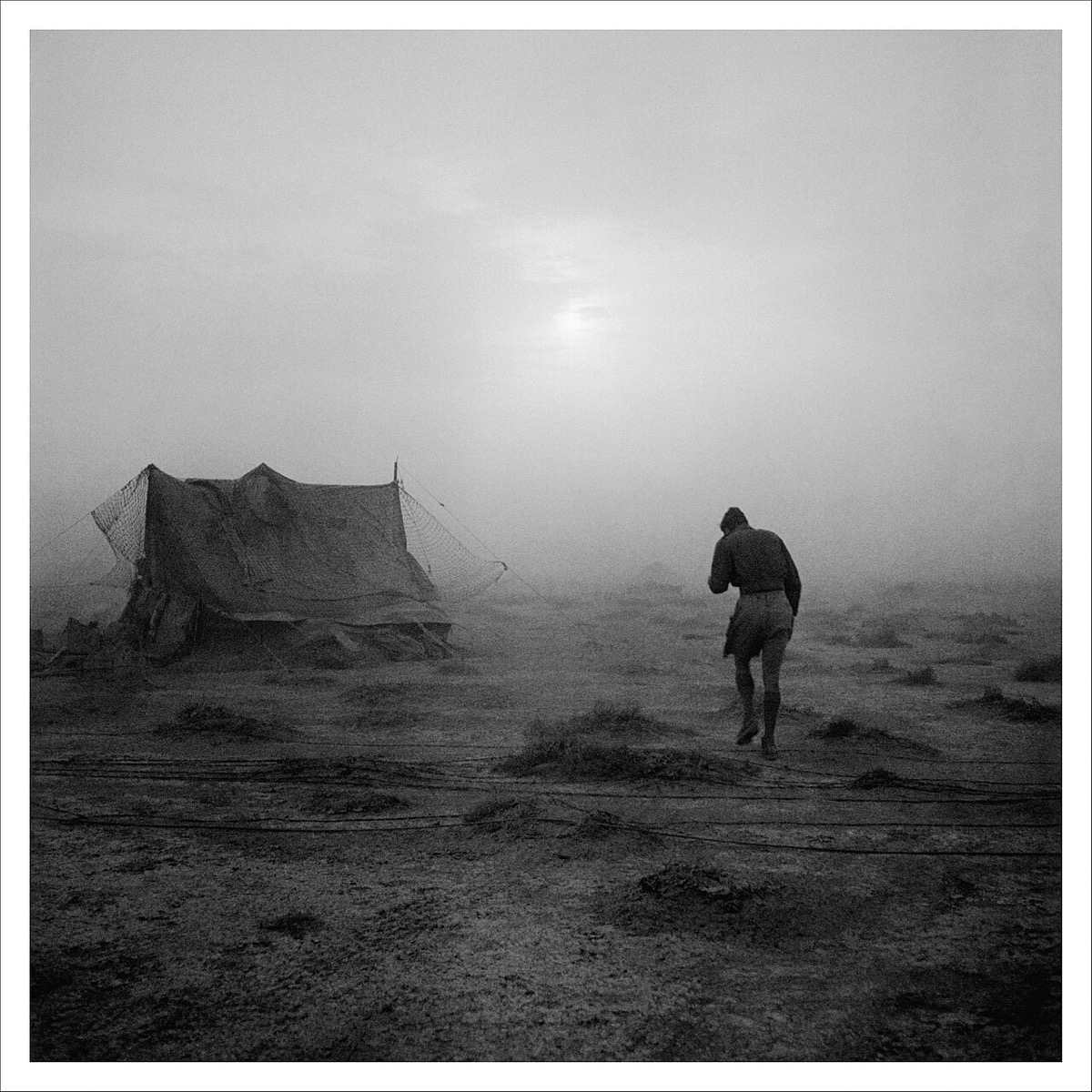
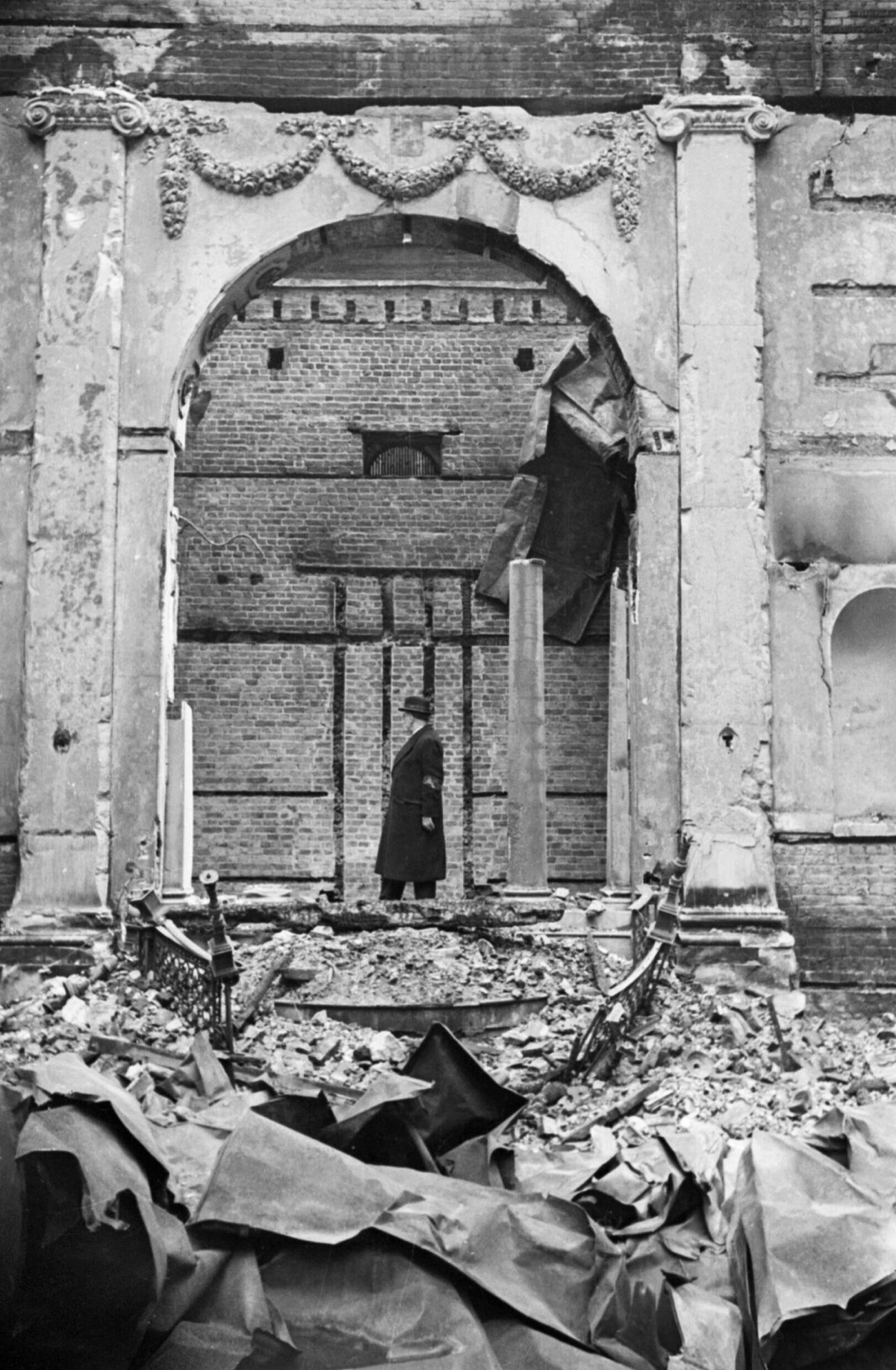
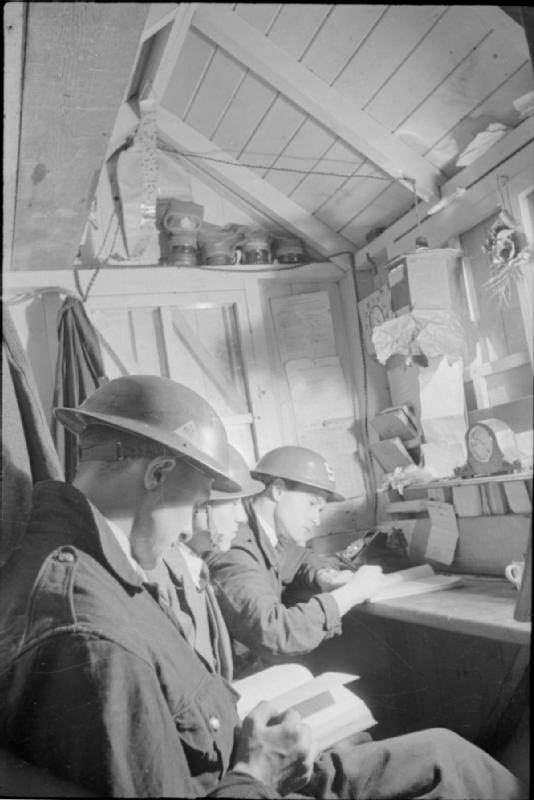
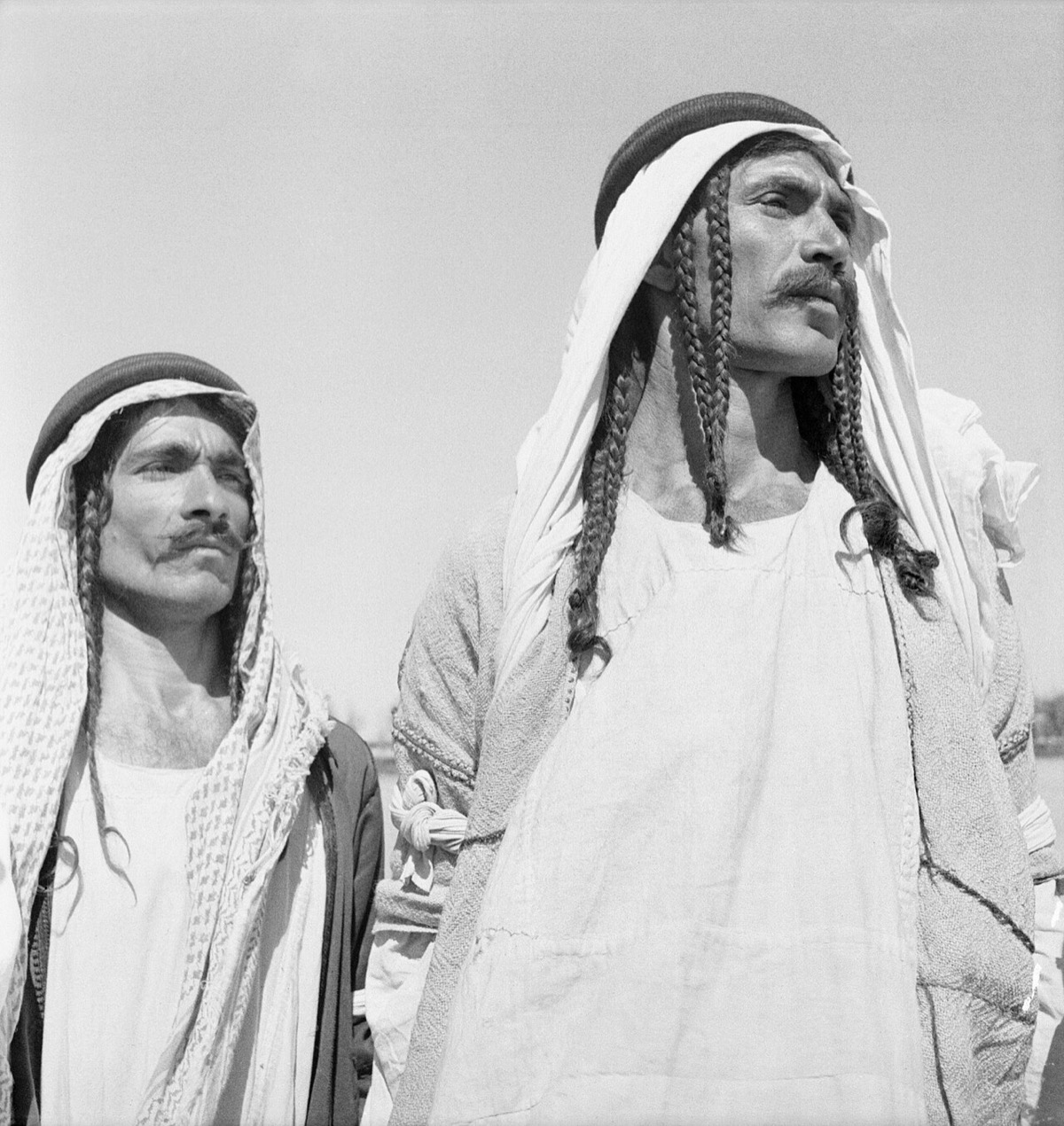
When the Second World War broke out, Beaton’s career took a dramatic and unexpected turn. Appointed an official photographer for the British Ministry of Information — recommended by Queen Elizabeth, later the Queen Mother — he documented the devastation of the Blitz with extraordinary sensitivity. His photograph of three-year-old Eileen Dunne, a Blitz victim clutching her teddy bear in her hospital bed at Great Ormond Street, appeared on the cover of Life magazine in September 1940 and is widely credited with helping to shift American public opinion toward supporting Britain’s war effort. From 1942 onward, he was sent to photograph the fighting in North Africa, the Near East, India, Burma, and China. His wartime work revealed a side of Beaton that few had suspected: behind the society aesthete was a photographer of remarkable courage and empathy, capable of confronting suffering and destruction with the same visual acuity he brought to the drawing rooms of Mayfair.
After the war, Beaton’s career expanded into costume and set design with spectacular success. His costumes for the original Broadway production of My Fair Lady (1956) earned him a Tony Award, and for the film of Gigi (1958) he won his first Academy Award for Best Costume Design. The film version of My Fair Lady (1964) brought him two more Oscars — for Best Costume Design and Best Art Direction. In these productions, Beaton’s gift for theatricality, his obsession with period detail, and his understanding of how clothes create character reached their fullest expression. He was, in the truest sense, a designer of worlds.
Beaton’s relationship with the British Royal Family formed another defining thread of his career. His first royal commission came in 1939, when Queen Elizabeth invited him to Buckingham Palace. His romantic, soft-focus portraits of the Queen broke with the stiff formality of previous royal photography, replacing it with a sense of fairytale glamour. The pinnacle of this work came in 1953, when he was appointed the official photographer for the Coronation of Queen Elizabeth II, producing some of the most iconic royal images ever created — dramatic portraits set against painted theatrical backdrops that combined regal grandeur with a sense of wonder.
He was knighted in 1972. Two years later, he suffered a severe stroke that left him paralysed on his right side. With characteristic determination, he had his cameras adapted so he could continue working with his left hand, though his output was greatly reduced. Sir Cecil Beaton died on 18 January 1980, four days after his seventy-sixth birthday, at Reddish House, the seventeenth-century Wiltshire home he had loved for over thirty years. His legacy is immense: he proved that photography, fashion, theatre, and design were not separate disciplines but expressions of a single, dazzling theatrical imagination.