Bruce Gilden was born in 1946 in Brooklyn, New York, the son of a father who worked in the garment district and a mother he would later describe as difficult and domineering. He grew up in the working-class streets of Brooklyn, absorbing the visual cacophony, the confrontational energy, and the unapologetic theatricality of New York life that would come to define his photographic vision. Gilden initially studied sociology at Penn State University, but after seeing Michelangelo Antonioni's film Blow-Up in 1968 — with its romantic vision of the photographer as a figure of power and mystery — he dropped out and enrolled at the School of Visual Arts in New York City, determined to become a photographer.
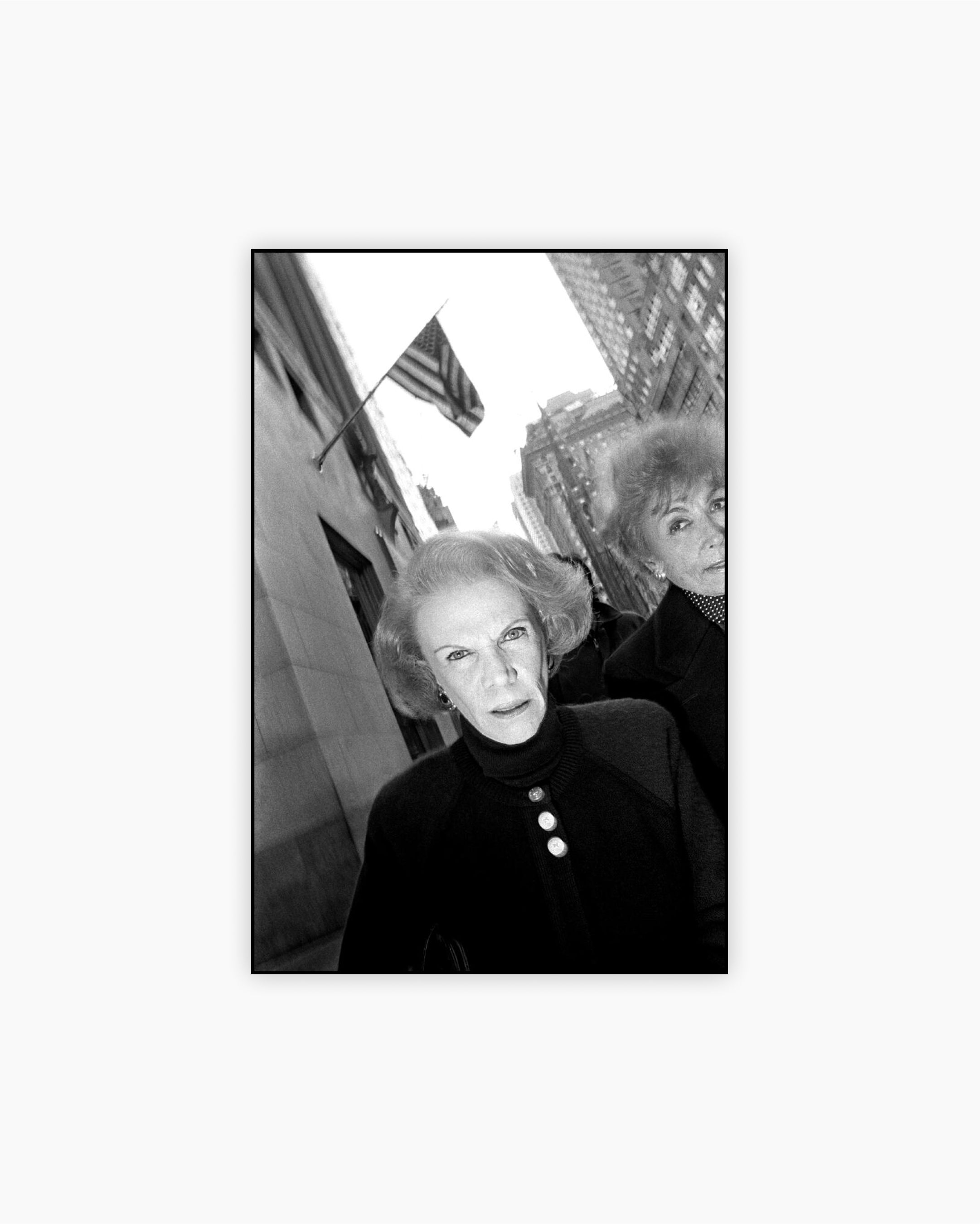
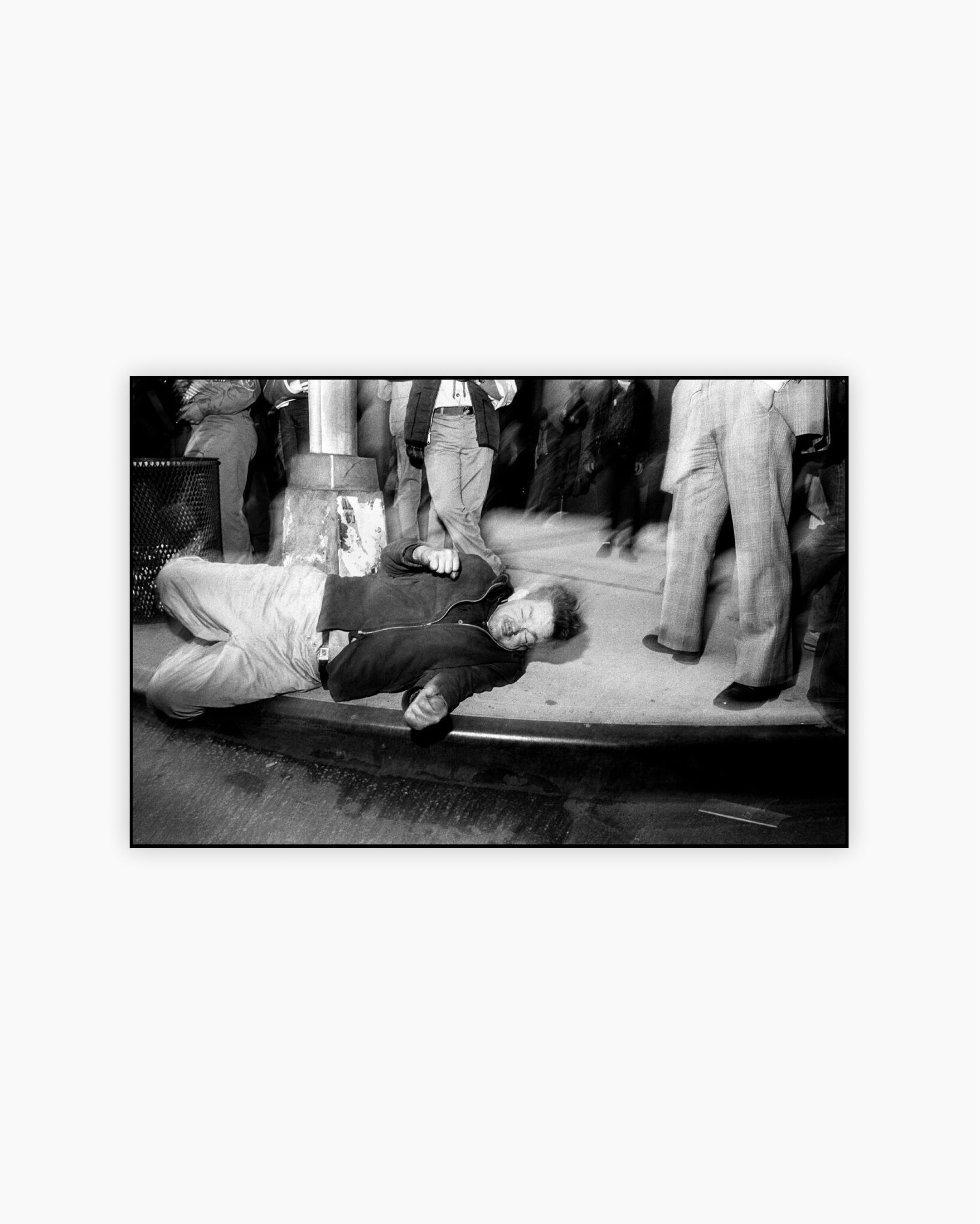
From the beginning, Gilden's approach to street photography was radically different from the prevailing tradition of discreet observation practiced by masters like Henri Cartier-Bresson or Robert Frank. Where they sought the decisive moment from a respectful distance, Gilden charged directly at his subjects, working at extremely close range with a handheld flash that fired from his left hip. The result was a kind of photography that felt less like observation and more like collision. His images are characterised by extreme proximity, harsh flash illumination that carves faces into dramatic relief against blurred backgrounds, and the startled, unguarded expressions of people caught before they have time to compose themselves. The technique was aggressive, even invasive, and it would provoke decades of debate about the ethics of street photography.
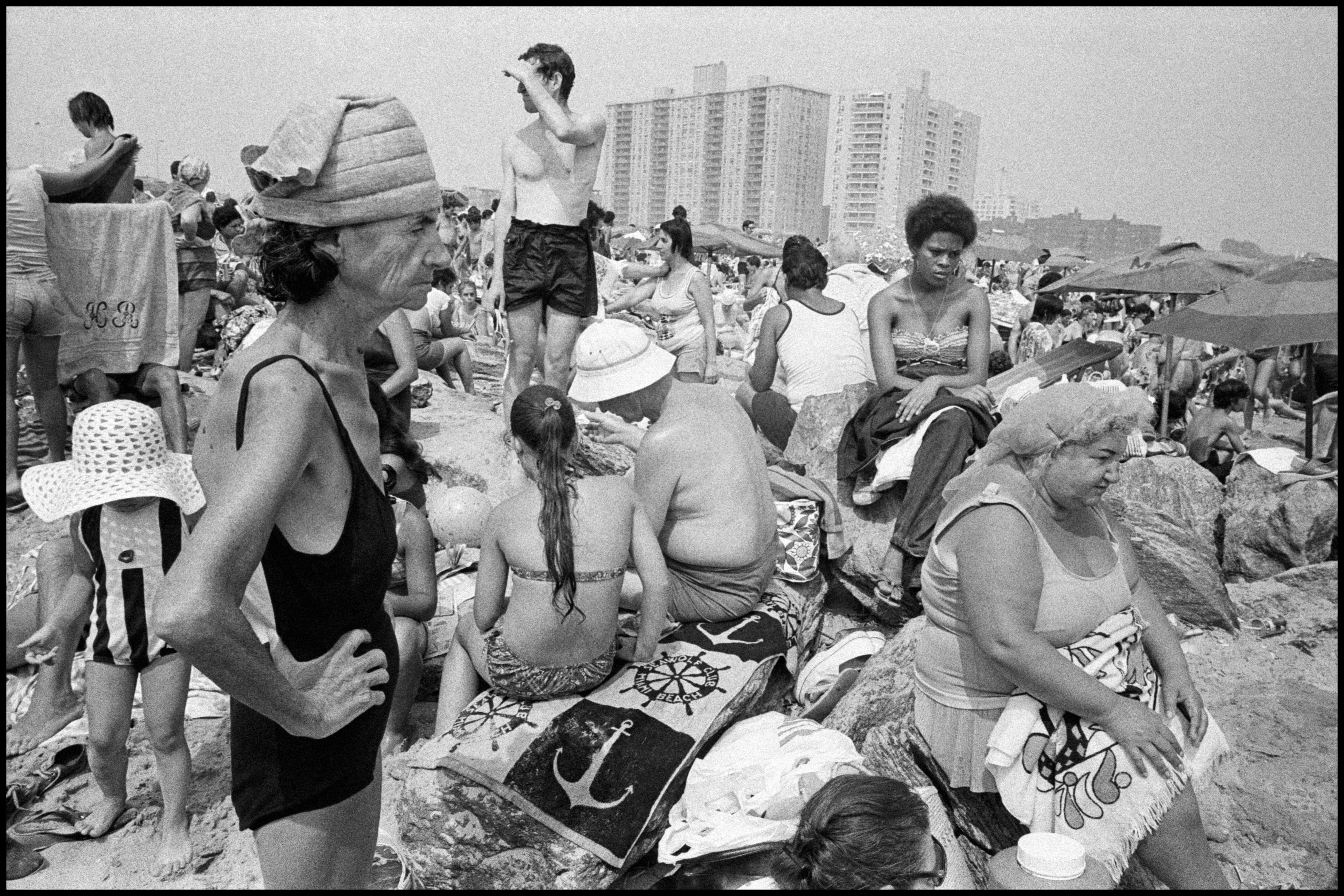
Gilden spent the 1970s and 1980s roaming the streets of New York, building a body of work that captured the city's extraordinary human variety with an intensity that bordered on the feral. He haunted Fifth Avenue and Midtown Manhattan, photographing the wealthy and the down-and-out with the same merciless eye. He was drawn to faces that bore the marks of life — weathered, scarred, grotesque, beautiful, absurd — and to the involuntary gestures and contortions that people make when moving through public space unaware of being watched. His New York work, collected in books such as Facing New York (1992) and A Beautiful Catastrophe (2005), constitutes one of the most visceral and controversial bodies of street photography ever produced.
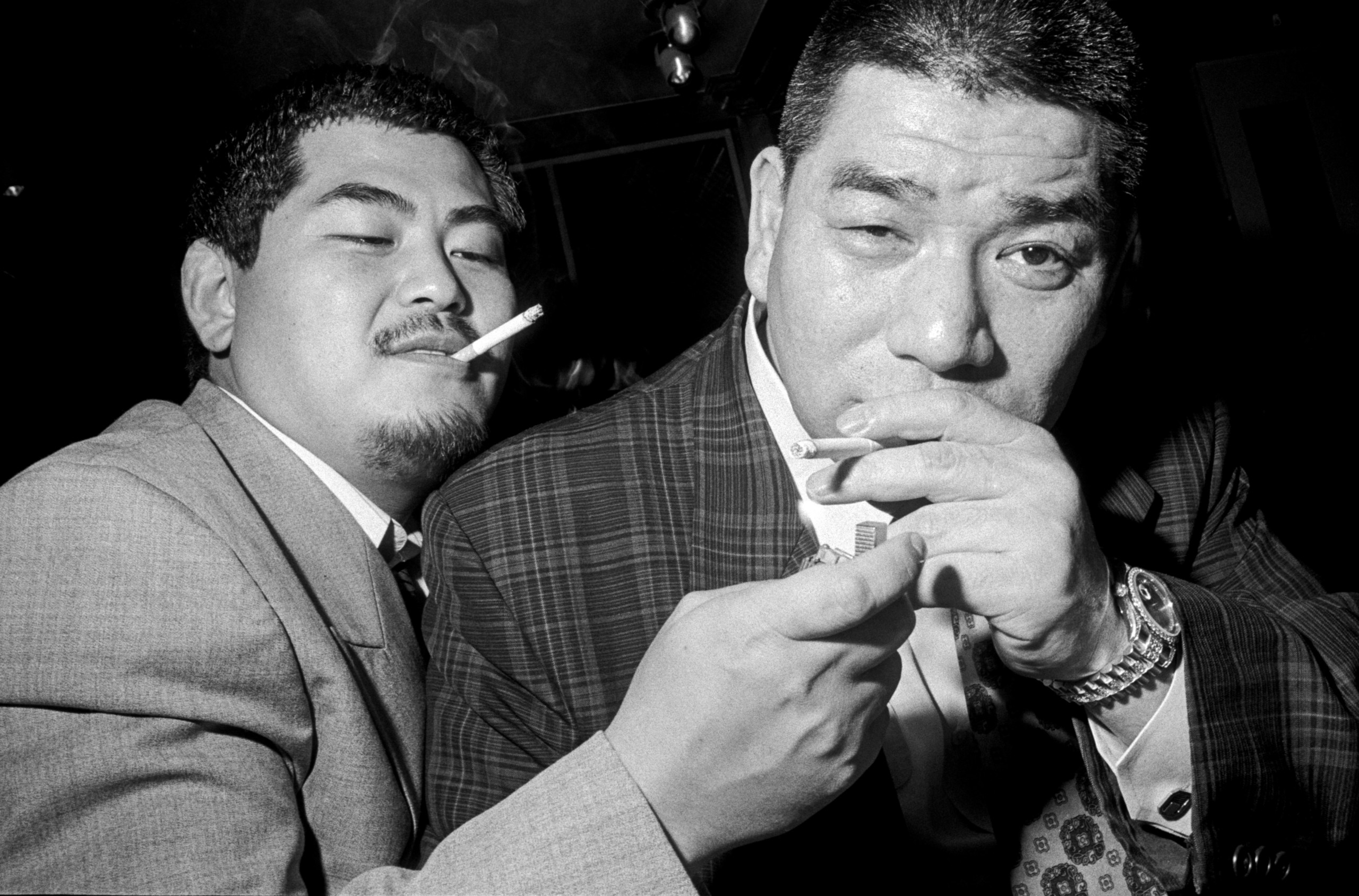
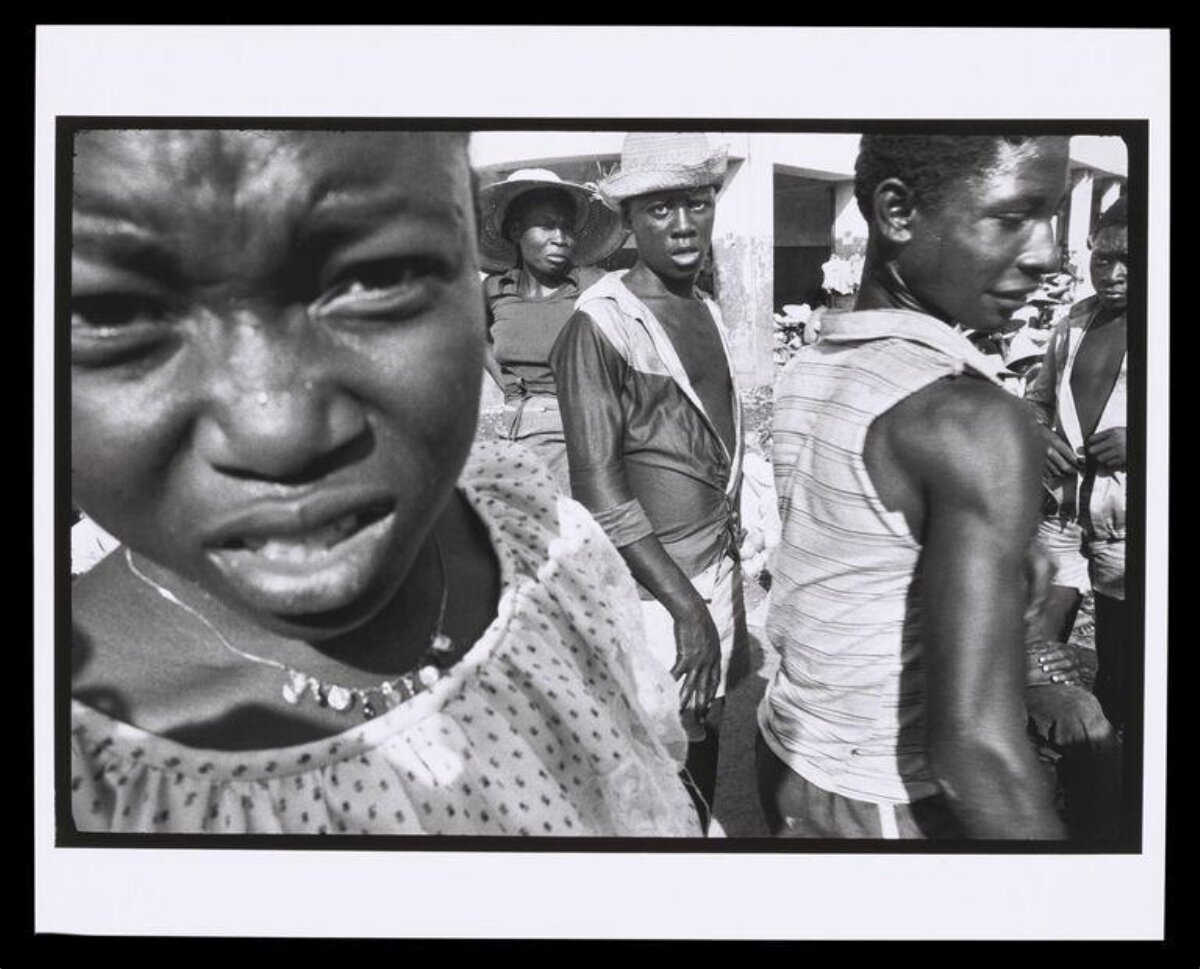
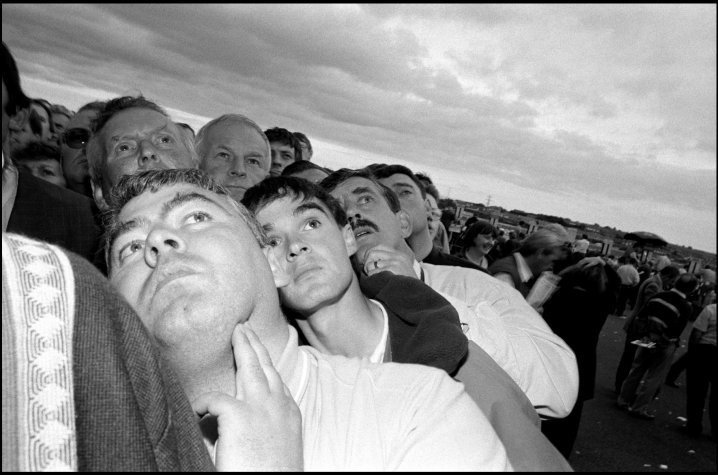
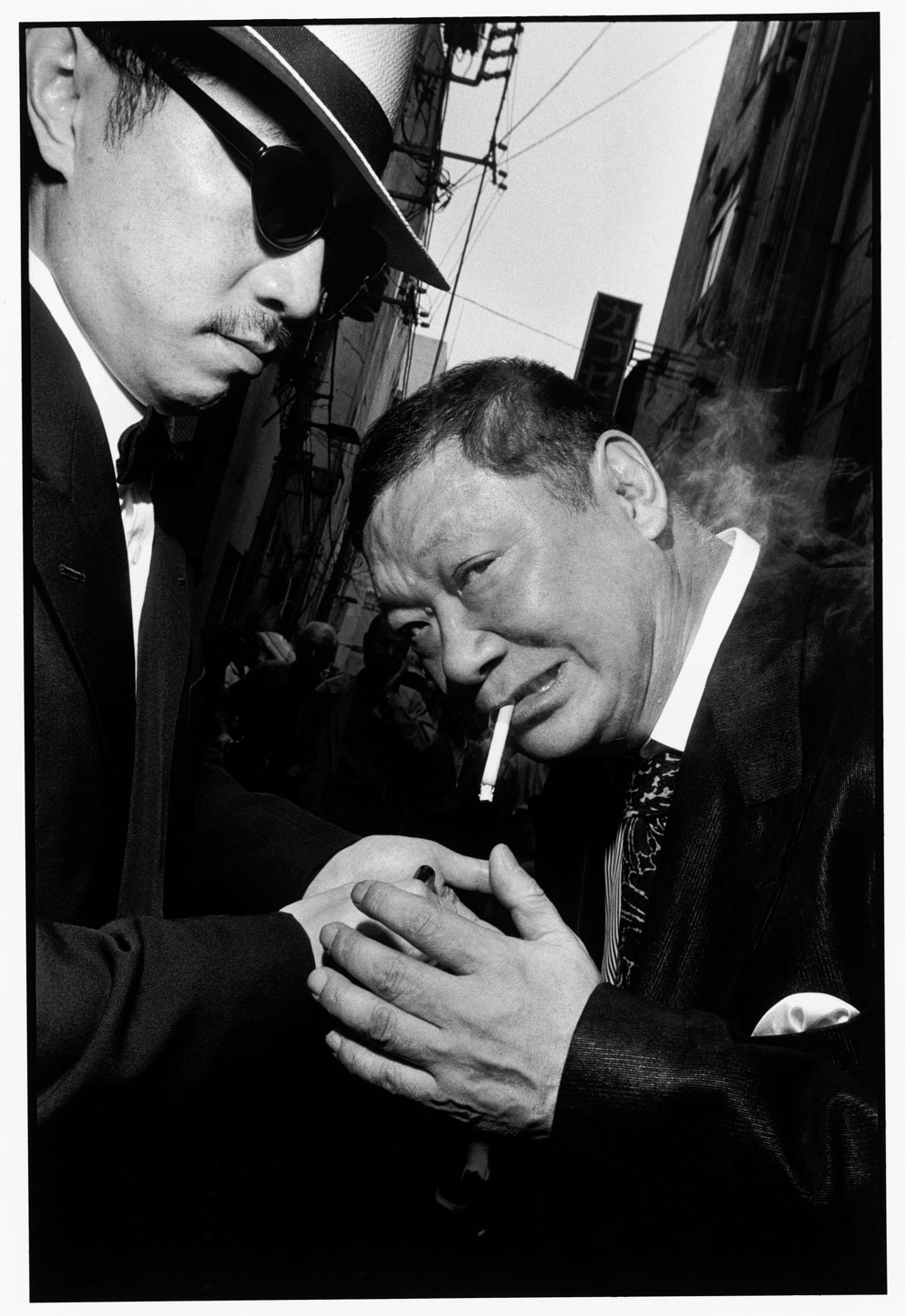
In 1998, Gilden was elected a member of Magnum Photos, joining the agency that had once been the home of the very tradition of contemplative observation against which his work seemed to rebel. The Magnum affiliation provided him with the platform and support to extend his practice internationally. He undertook projects in Japan, where he photographed the ritual world of the Yakuza, the Japanese criminal underworld, gaining access to tattooed gangsters with the same directness he brought to New York pedestrians. He worked in Haiti, documenting the swirling, ecstatic energy of Vodou ceremonies and the daily chaos of Port-au-Prince. He photographed horse fairs in Ireland, street life in India, and the contested urban landscapes of Moscow.
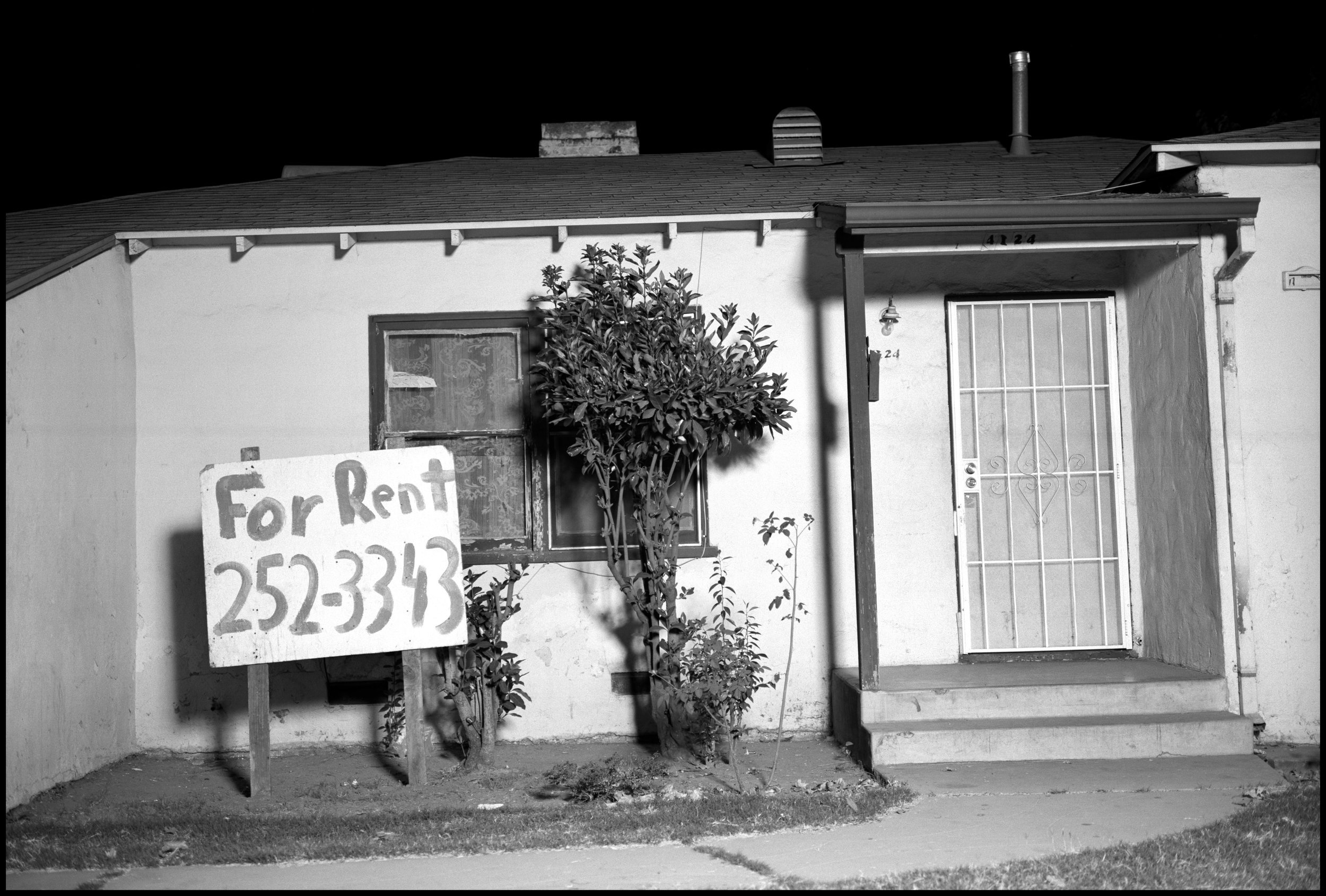
In the 2010s, Gilden turned increasingly to formal portraiture, though on his own distinctly confrontational terms. His series on Americans affected by the foreclosure crisis placed his subjects against plain backgrounds and photographed them at brutally close range, rendering every pore, wrinkle, and blemish in unsparing detail. These portraits, often of people enduring homelessness, addiction, or economic devastation, provoked fierce criticism from those who saw in them an exploitation of vulnerable subjects. Gilden's defenders argued that his refusal to flatter or sentimentalise was itself a form of respect — that by refusing to look away or to soften what he saw, he was acknowledging the full humanity of people whom society preferred to ignore.
The ethical questions surrounding Gilden's work are inseparable from its power. His photographs raise fundamental questions about consent, about the photographer's right to appropriate the image of strangers, and about the boundary between empathy and exploitation. Gilden himself has never been apologetic about his methods. He has spoken openly about the aggression of his approach, framing it as an authentic expression of who he is — a New Yorker raised on confrontation, a man who photographs the way he lives, without permission or apology. Whether one regards his work as a profound engagement with the human condition or as an act of visual assault, it is impossible to look at a Bruce Gilden photograph and feel nothing. That visceral response, that refusal to leave the viewer comfortable, may be his most enduring contribution to the medium.