Bruce Davidson was born in 1933 in Oak Park, Illinois, a leafy suburb west of Chicago. He discovered photography at the age of ten, setting up a darkroom in his mother's basement and teaching himself to develop prints. By his mid-teens he was already winning local photography competitions, and his precocious talent earned him a place at the Rochester Institute of Technology, where he studied under the influence of Minor White and Ralph Hattersley. He continued his education at Yale University, studying with Josef Albers and the graphic designer Herbert Matter, absorbing a rigorous formal education that would underpin his instinctive empathy as a photographer.
After serving in the United States Army, where he worked as a photographer stationed near Paris, Davidson returned to New York in 1957. He quickly found work as a freelance photographer for Life magazine and began pursuing the kind of sustained, immersive projects that would define his career. That same year, he met Henri Cartier-Bresson, who invited him to join Magnum Photos, the legendary cooperative agency founded a decade earlier. Davidson became a full member of Magnum in 1958, and the association would prove central to his life's work, providing the support and freedom to pursue long-term documentary projects that commercial photography rarely allows.
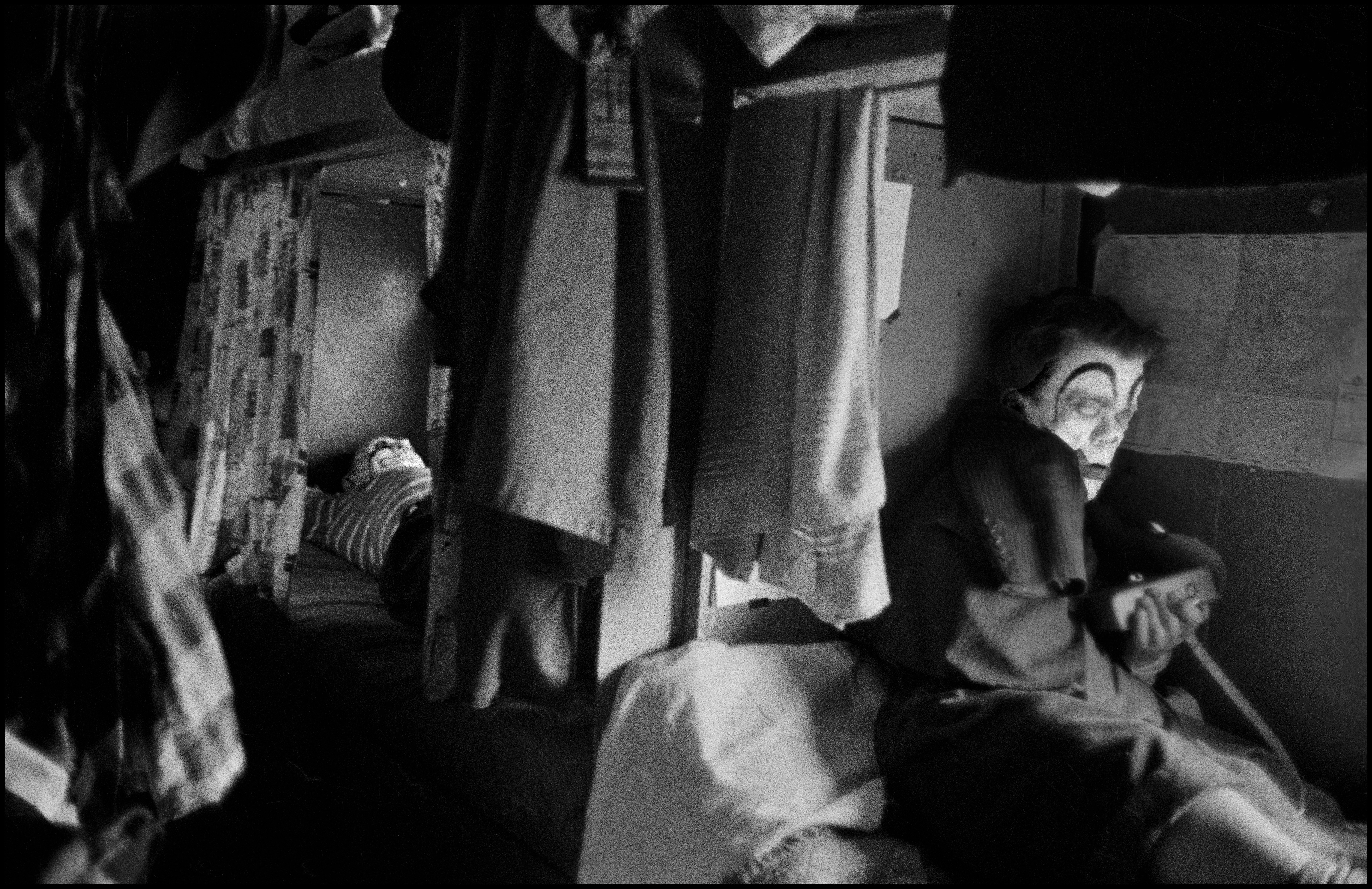
Davidson's first major body of work emerged in 1958 when he encountered a young widow performing with the Clyde Beatty Circus in Palisades, New Jersey. Rather than photographing the spectacle from a distance, he travelled with the circus, living among its performers and capturing the loneliness, beauty, and strangeness of their itinerant existence. This impulse — to enter a world completely, to earn the trust of his subjects through sustained presence — became the hallmark of his practice. The circus pictures drew the attention of the photographic world and established Davidson as a photographer whose commitment to his subjects went far beyond the conventions of photojournalism.
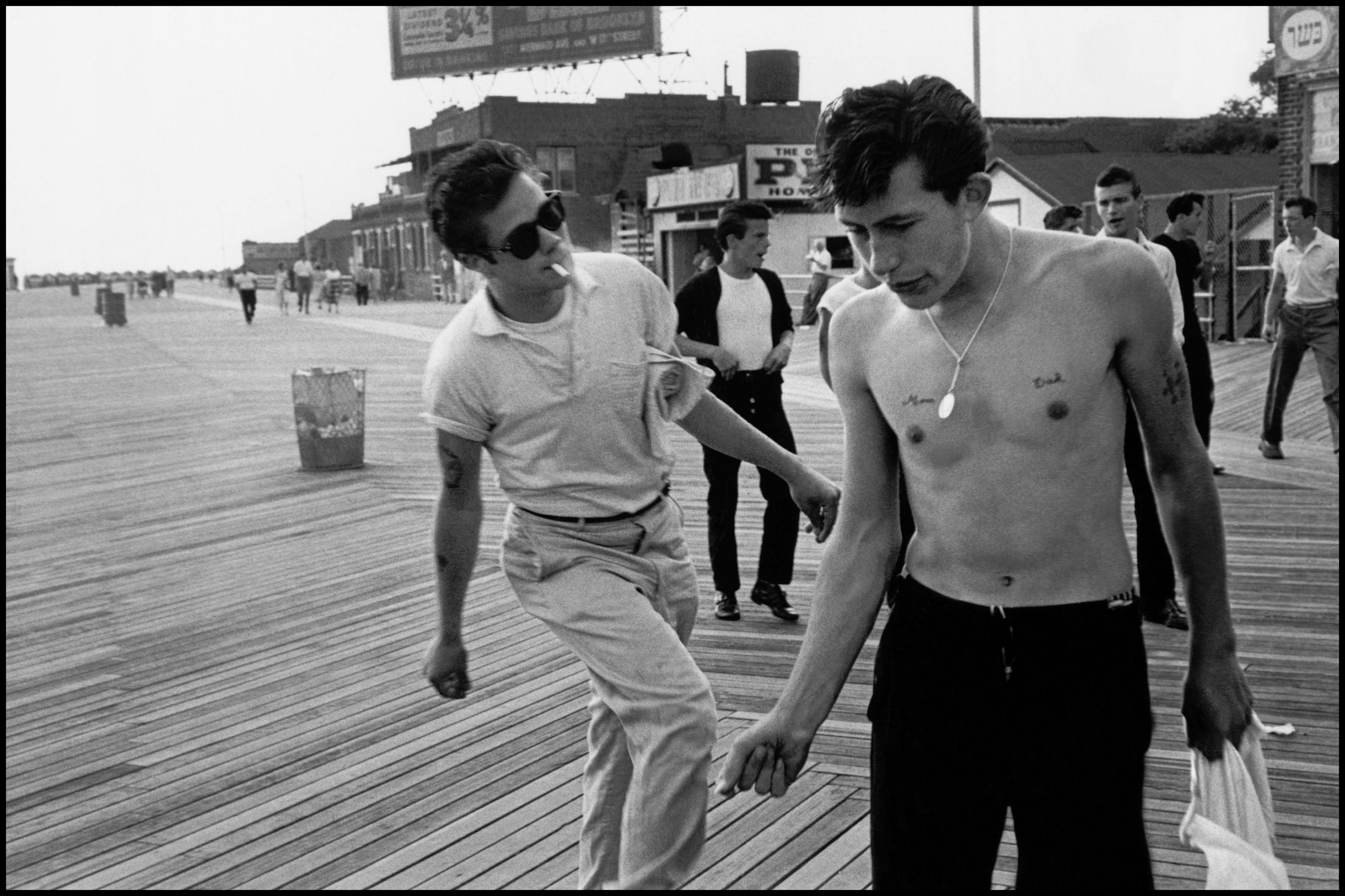
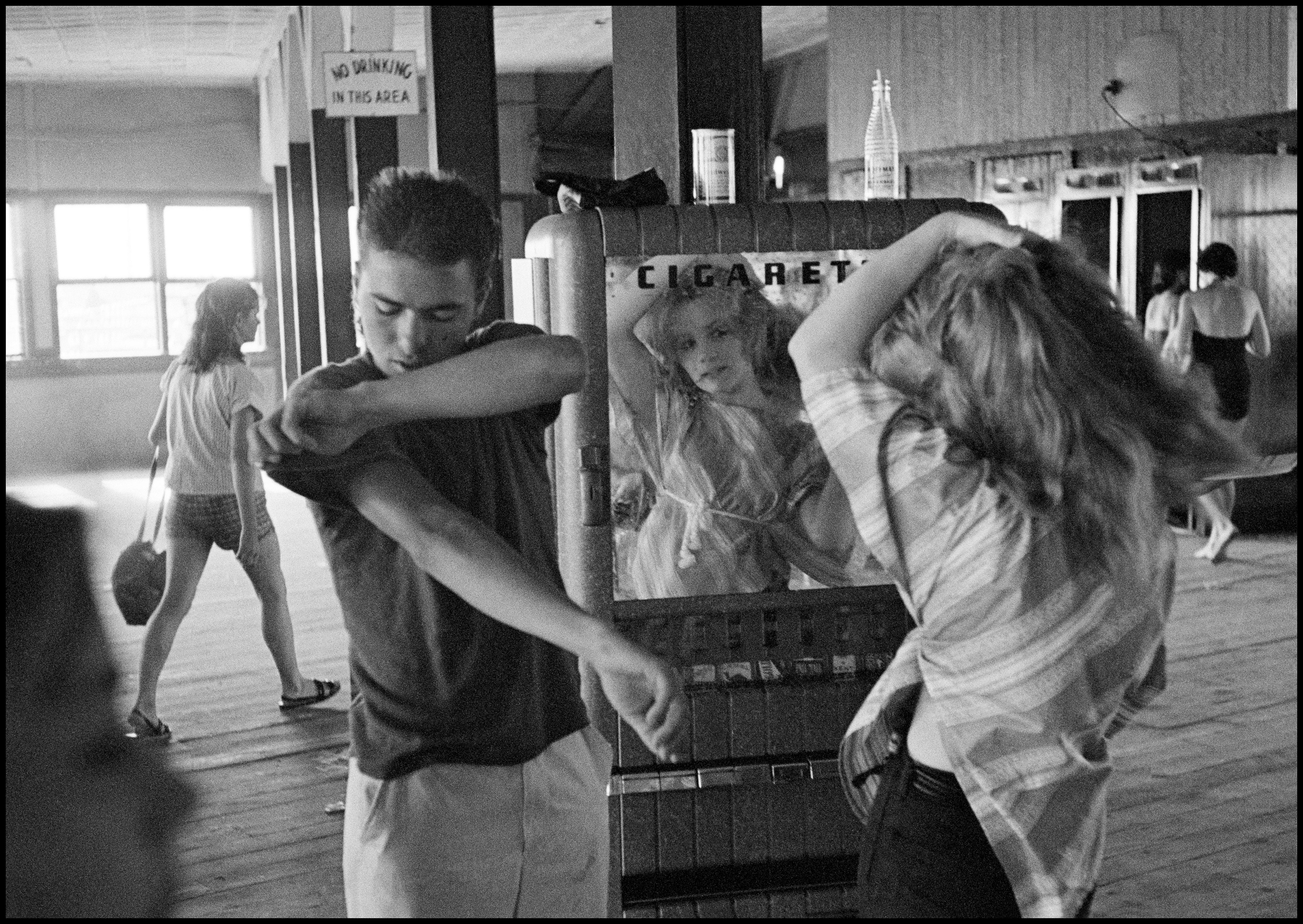
In 1959, Davidson began what would become one of his most celebrated projects: Brooklyn Gang. Over several months, he embedded himself with a group of teenagers called the Jokers, who congregated around the streets and boardwalks of Coney Island. The resulting photographs are remarkable for their intimacy and tenderness. Davidson photographed the Jokers not as delinquents to be feared or pitied but as young people navigating the confusion, bravado, and vulnerability of adolescence. The images capture stolen kisses on rooftops, the swagger of boys posing on street corners, and the loneliness that flickered beneath the tough exteriors. Brooklyn Gang remains one of the great photographic essays on youth, and its influence can be traced through decades of subsequent work on subcultural identity.
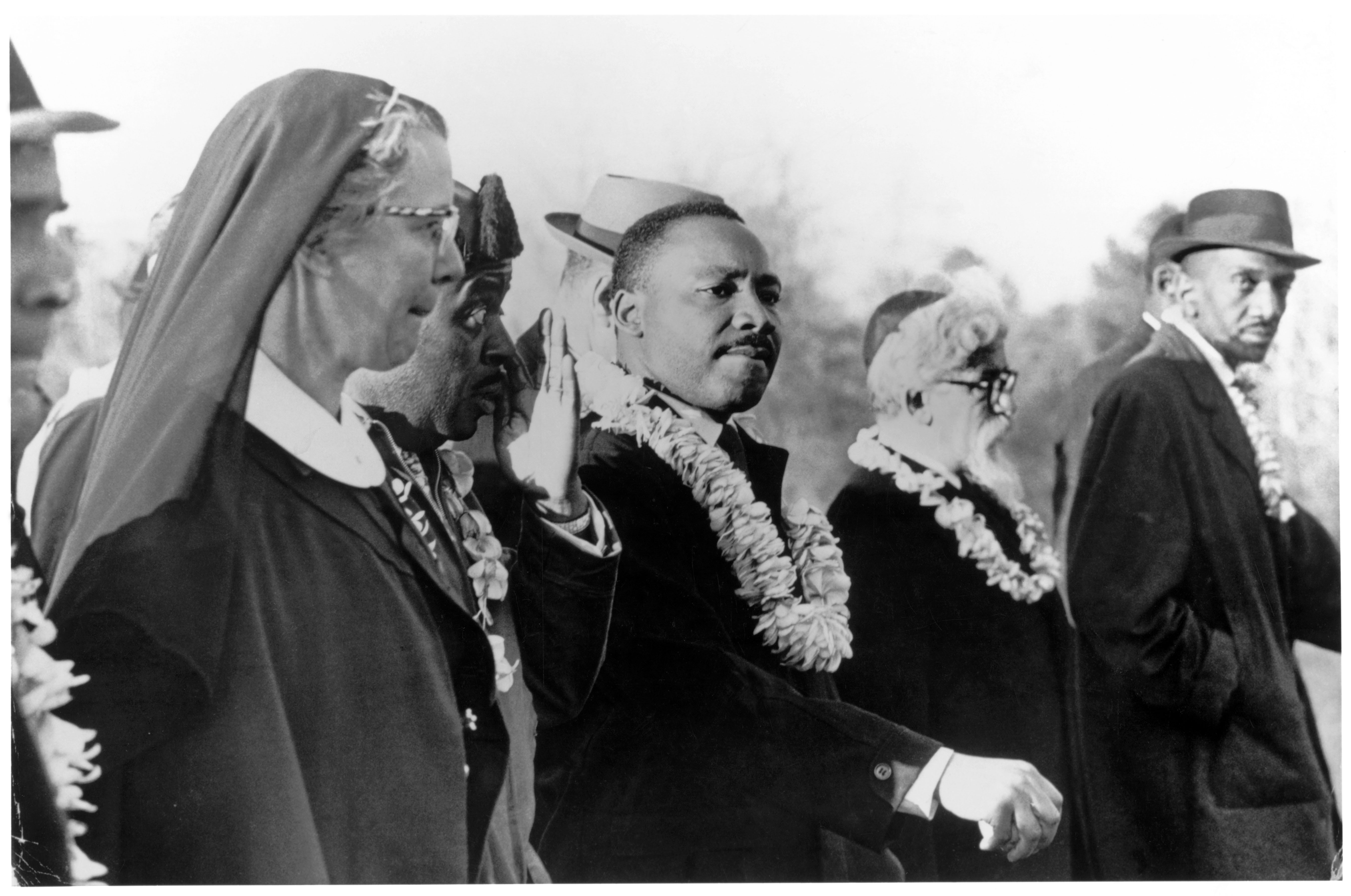
The 1960s drew Davidson into the defining struggle of the era. In 1961 and 1962, he travelled to the American South to photograph the civil rights movement, documenting sit-ins, marches, and the daily acts of courage performed by ordinary people confronting systematic injustice. In 1965, he joined the march from Selma to Montgomery, Alabama, walking alongside Martin Luther King Jr. and thousands of demonstrators. His civil rights photographs are distinguished by their closeness and humanity: where other photographers captured the movement from a journalistic distance, Davidson placed himself among the marchers, recording the texture of hands clasped in solidarity, the weariness and determination in individual faces, and the physical reality of nonviolent resistance.
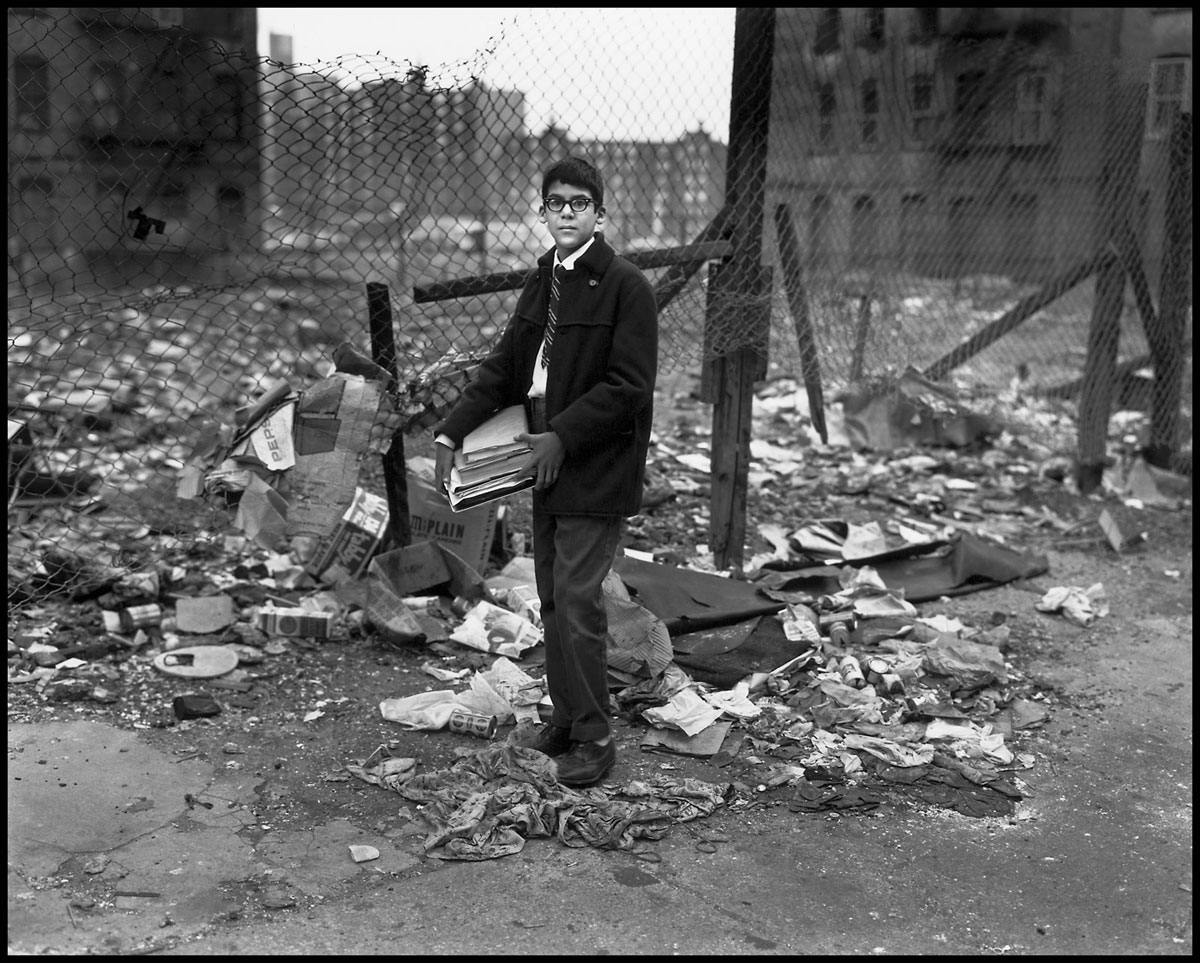
Between 1966 and 1968, Davidson undertook what many consider his masterwork. He spent two years photographing a single block in East Harlem — East 100th Street, between First and Second Avenues — one of the poorest and most neglected stretches of New York City. Working with a large-format 4x5 camera, he entered the apartments, hallways, and rooftops of the block, building relationships with the residents over months and years. The resulting book, East 100th Street, published in 1970, was a revelation. The large-format images possess a gravity and stillness that elevate the everyday lives of the residents into something monumental. Children stare into the camera with an unsettling directness; families are shown in their cramped, decorated apartments with a dignity that neither romanticises their poverty nor reduces them to symbols of deprivation.
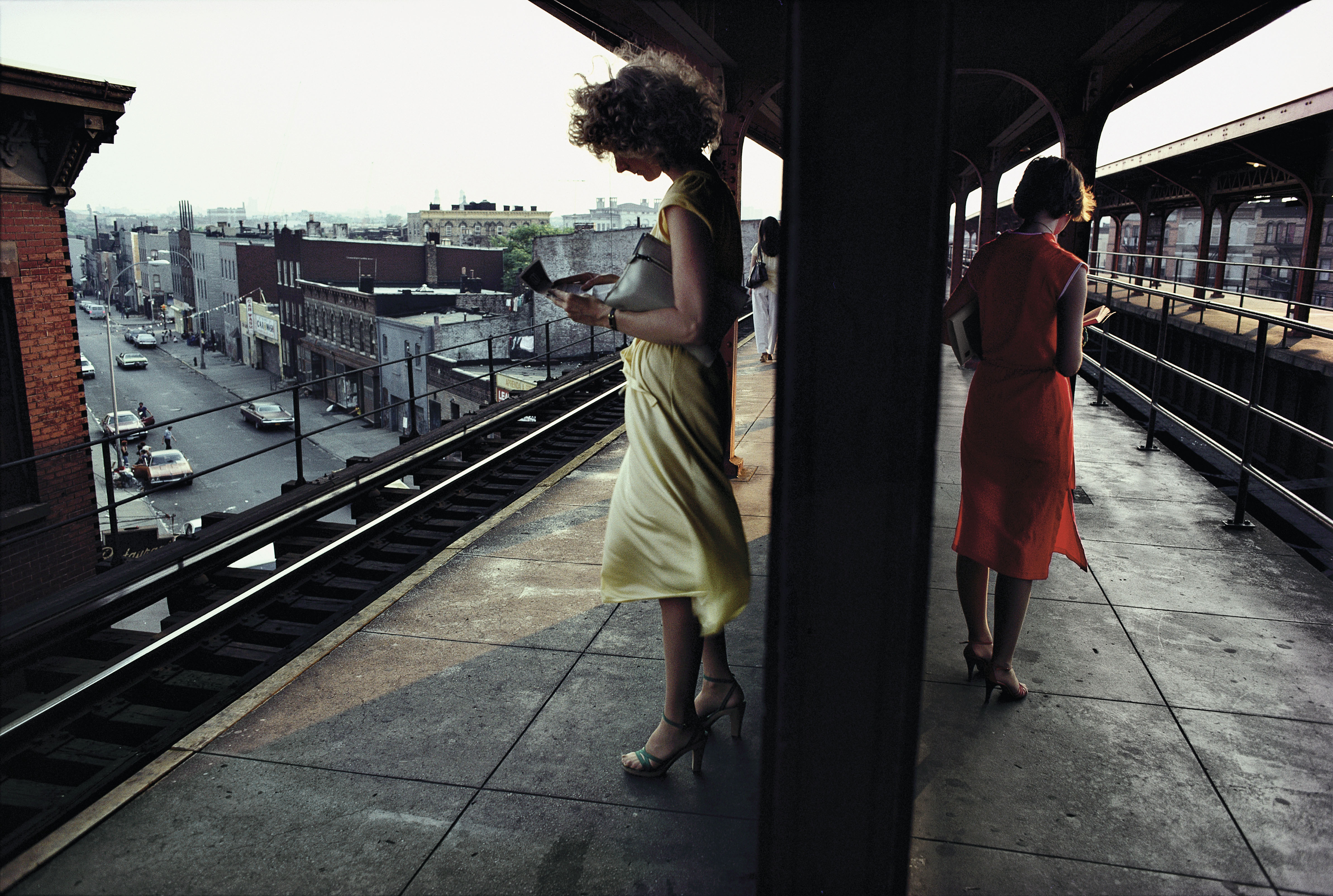
In 1980, Davidson turned his attention to the New York subway system. Working for nearly two years with a 35mm camera and flash, he produced Subway, a raw, vivid, sometimes harrowing portrait of underground New York at a time when the system was notorious for its graffiti, crime, and decay. The colour photographs — unusual for Davidson, who had worked almost exclusively in black and white — capture the lurid fluorescent light, the garish graffiti, and the extraordinary variety of human life that passed through the city's tunnels. Subway stands alongside Walker Evans's earlier subway portraits as one of the definitive photographic accounts of New York's transit system, though Davidson's colour palette and visceral immediacy mark a radical departure from Evans's covert formalism.
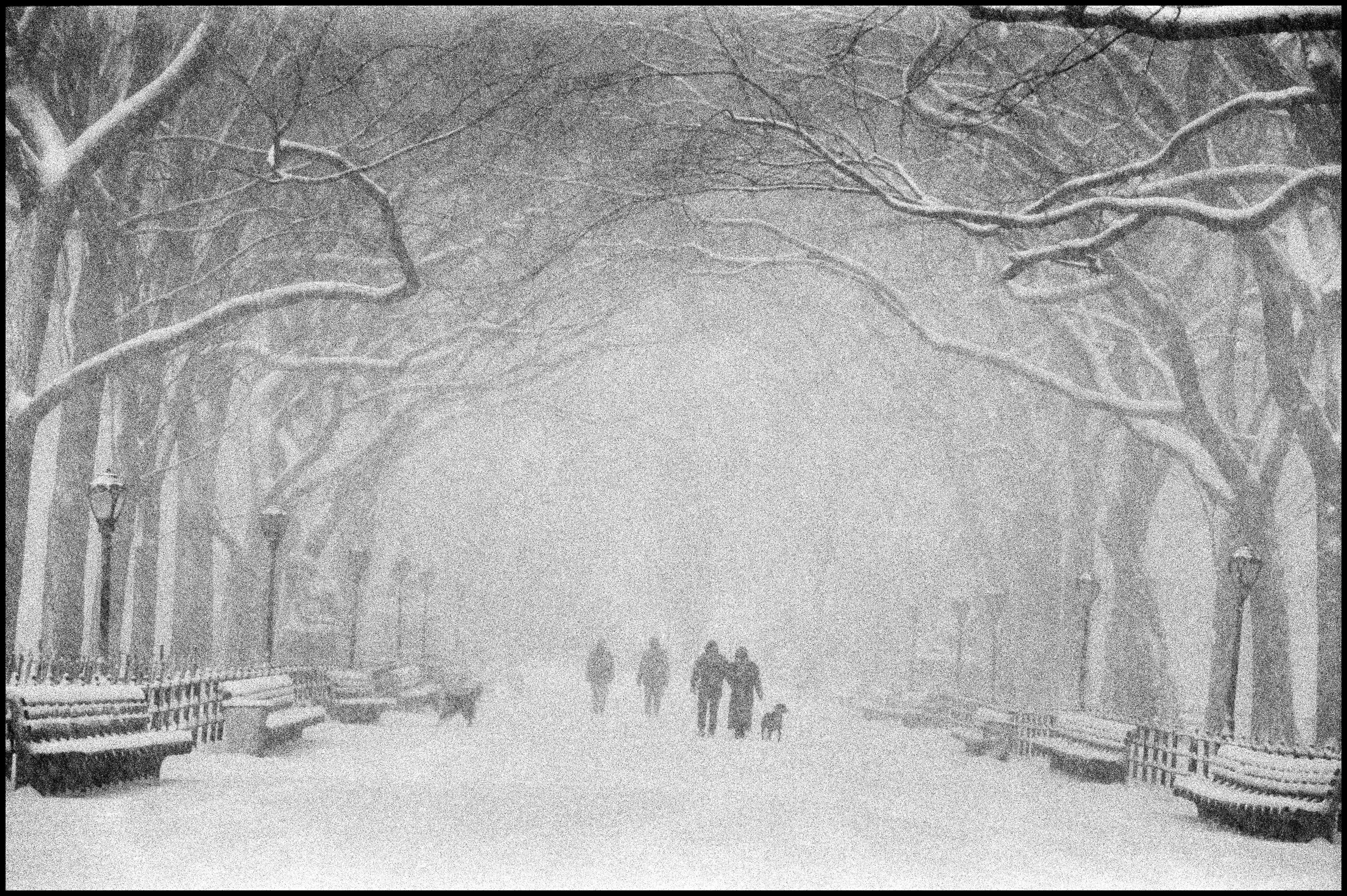
Davidson has continued to work prolifically into the twenty-first century, producing extended essays on Central Park, Paris, the landscape of Los Angeles, and the nature of time and memory in his own neighbourhood. His career, spanning more than six decades, represents one of the most sustained and compassionate bodies of work in the history of documentary photography. Where many photographers move quickly from subject to subject, Davidson has always insisted on duration, on the slow accumulation of trust and understanding that comes from spending not hours or days but months and years with a subject. His influence extends far beyond the photographers who have directly studied his work; it resides in the principle that documentary photography at its finest is not an act of observation but an act of relationship.