Billy Monk was born in 1942 in Cape Town, South Africa, into the coloured community of the Cape Flats — the sprawling, impoverished townships to which non-white South Africans were increasingly confined under the apartheid system that had been formalised in law since 1948. His early life was hard, shaped by poverty, racial discrimination, and the casual violence that pervaded the margins of South African society. He received little formal education and drifted through a series of manual jobs before finding work as a bouncer at The Catacombs, a basement nightclub on Shortmarket Street in District Six, the vibrant, cosmopolitan neighbourhood of central Cape Town that had long been home to a mixed community of coloured, Indian, Malay, and white residents.
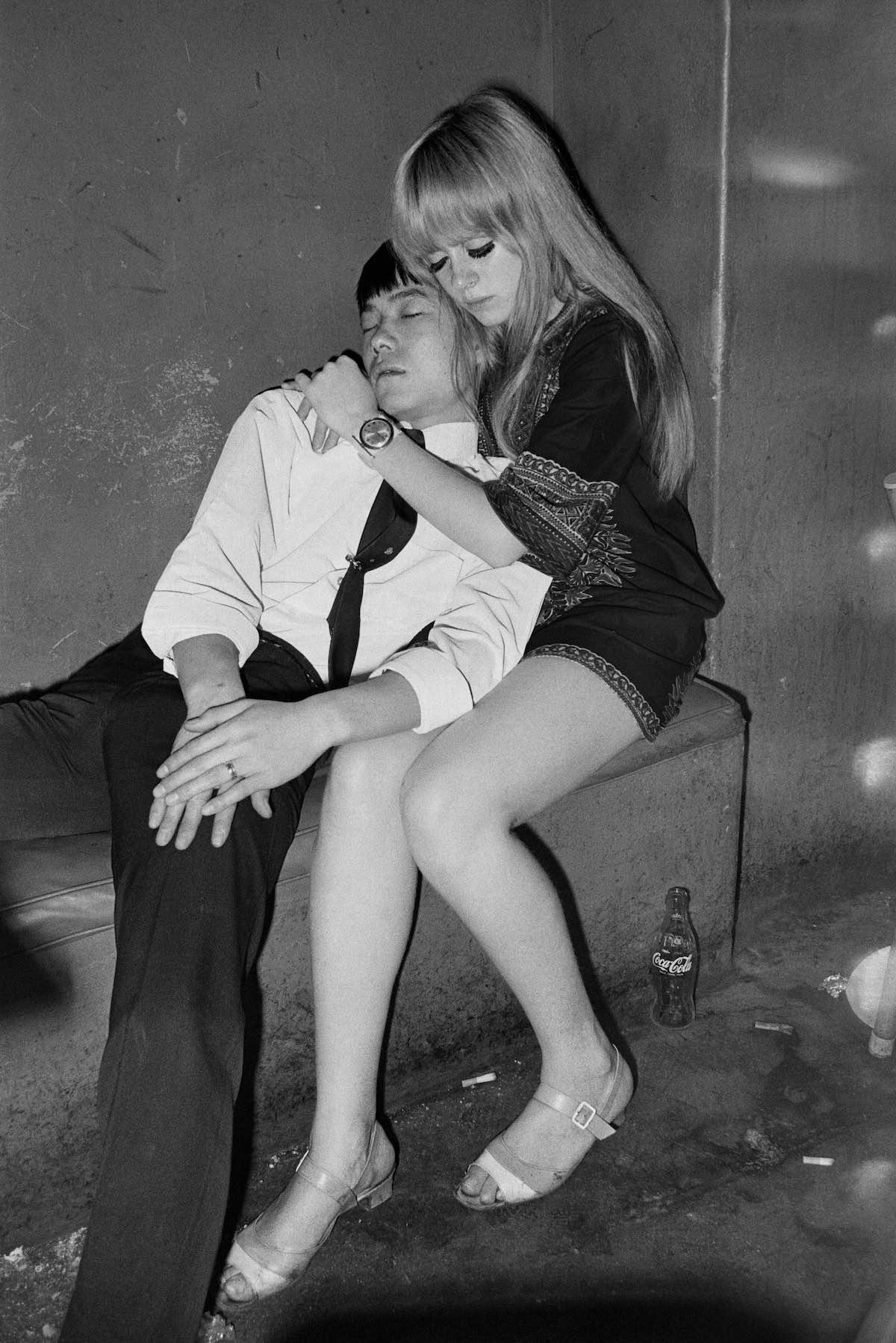
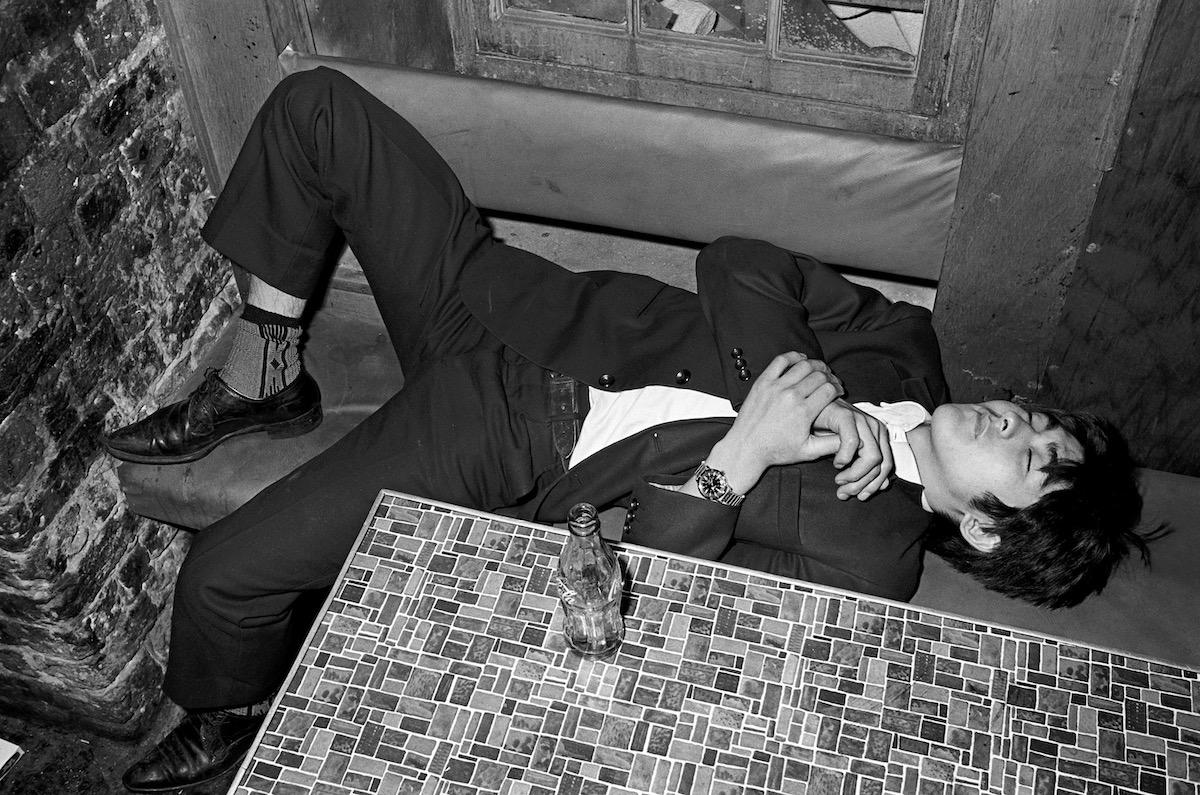
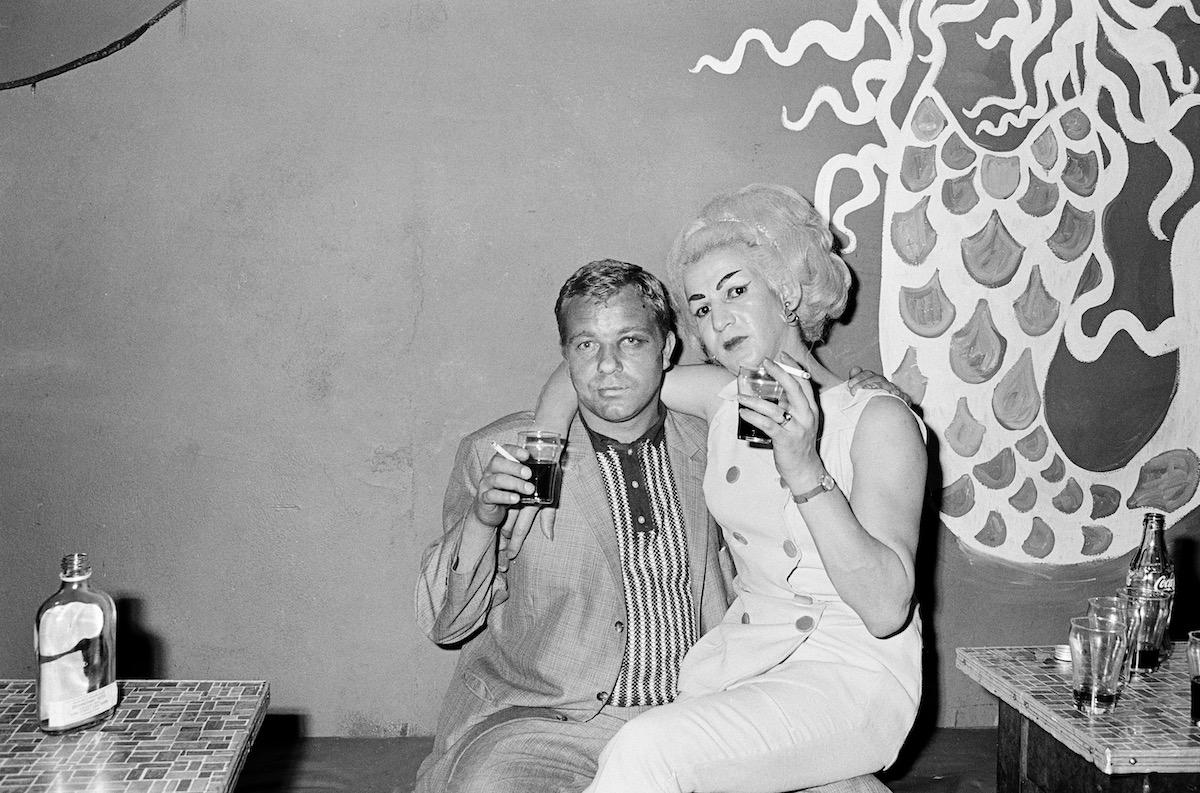
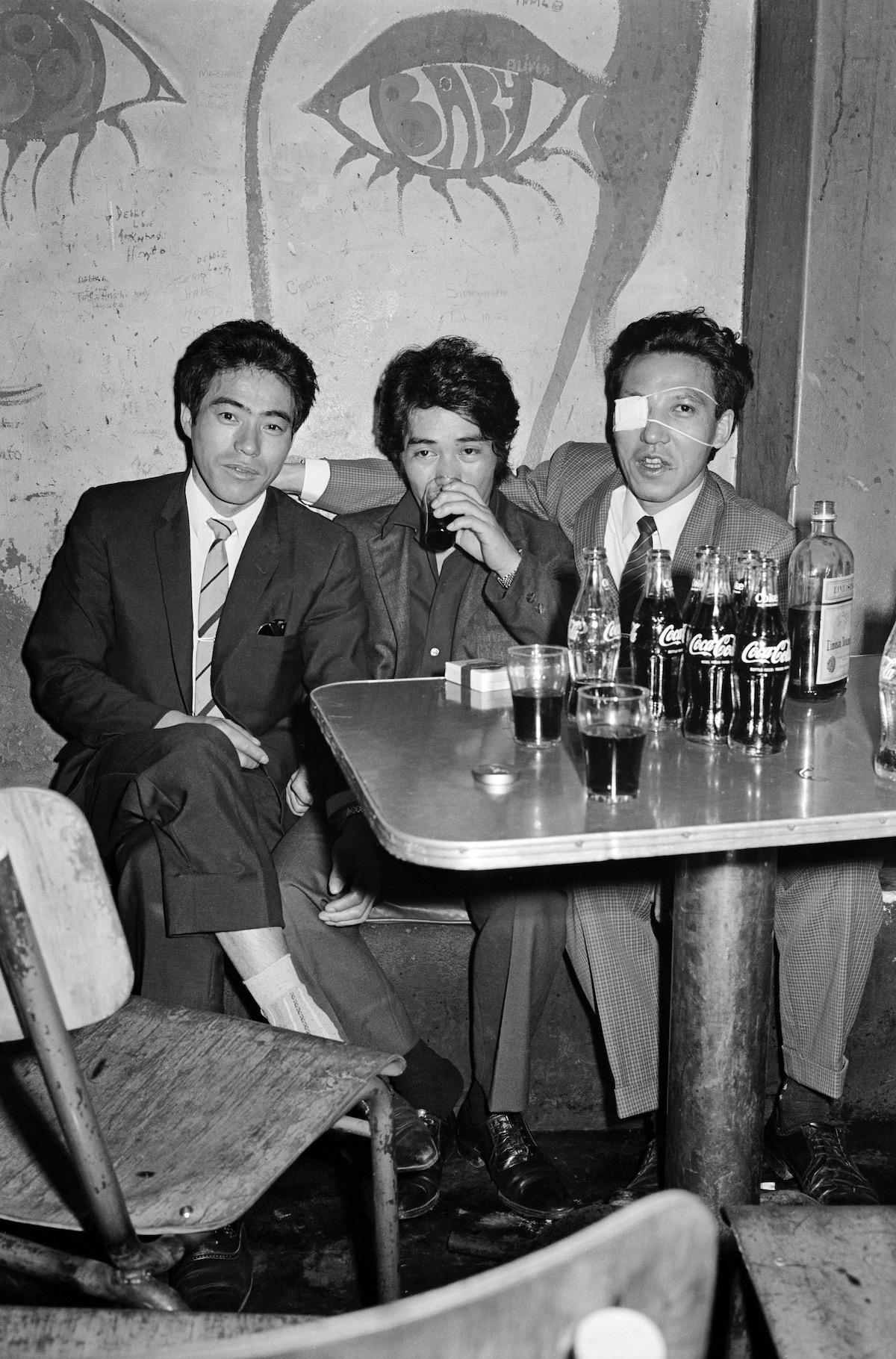
It was at The Catacombs, sometime around 1966, that Monk acquired a camera — the precise circumstances are uncertain, as is much of his biography — and began photographing the club's patrons. He had no formal training in photography, no knowledge of the medium's history or conventions, and no artistic ambitions in any recognisable sense. He simply photographed what he saw: the people who came to the club to drink, dance, argue, embrace, and lose themselves in the smoky, crowded darkness of the basement. His equipment was basic, his technique was direct, and his flash was harsh. The resulting images possess a raw, unmediated power that no amount of technical sophistication could have produced.
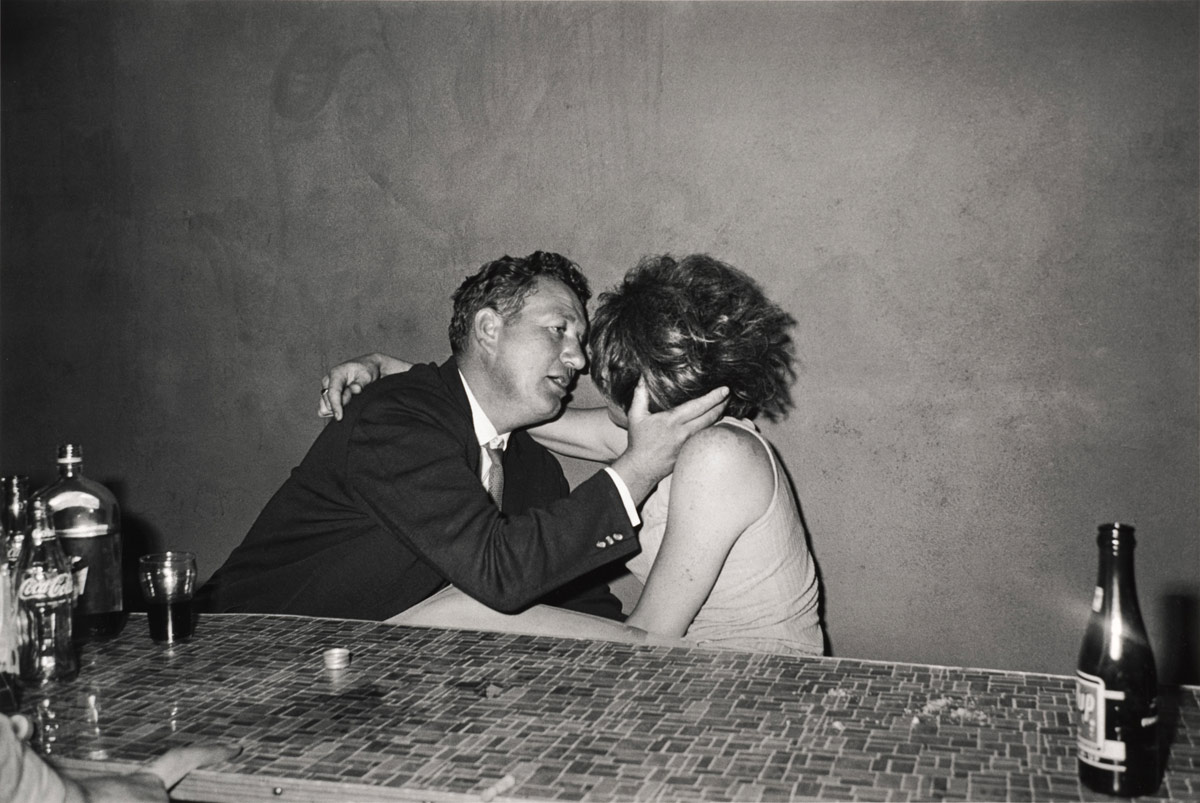
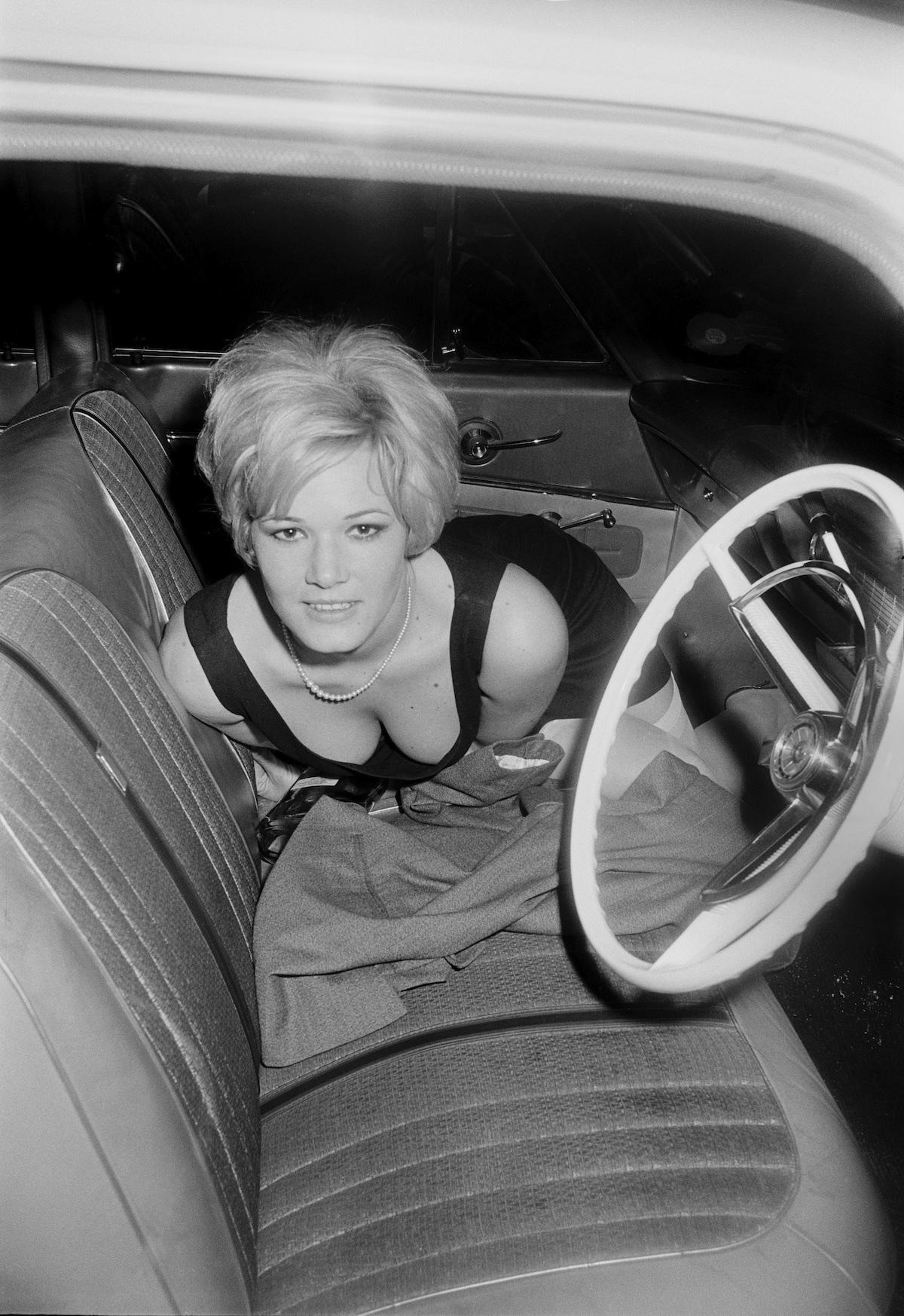
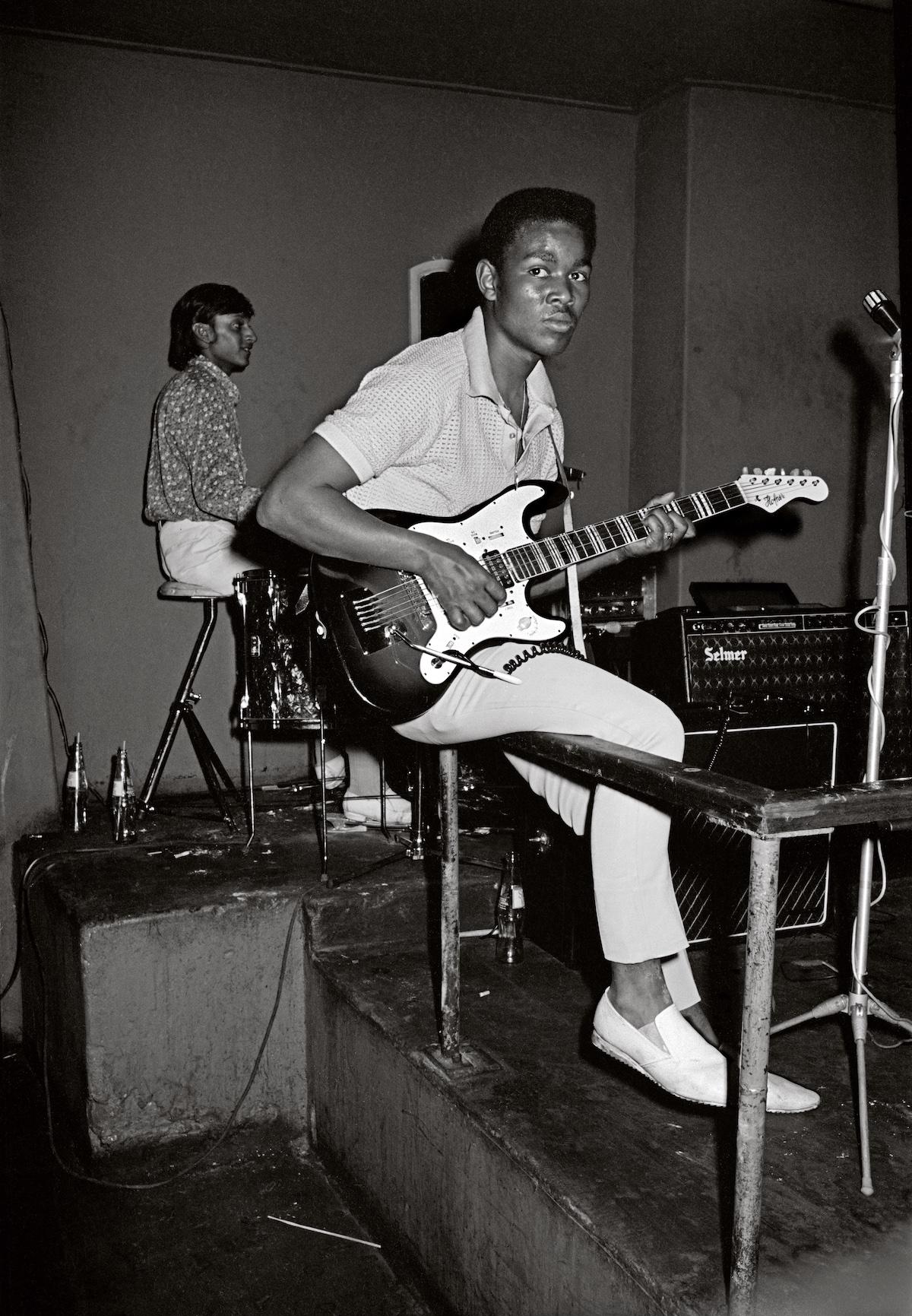
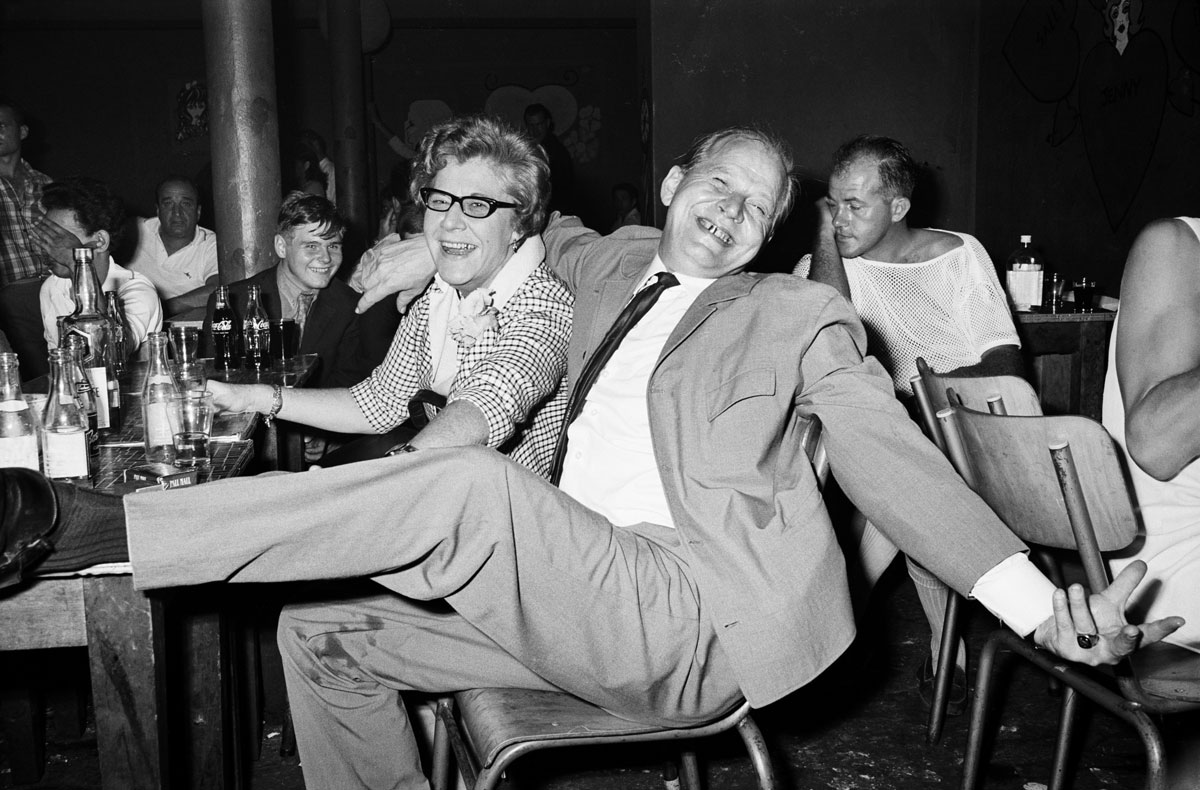
Monk's photographs capture a world of extraordinary vitality and human warmth. His subjects — dock workers, sailors, prostitutes, musicians, gangsters, lovers, and ordinary people looking for a good time — are photographed with an intimacy that reflects his unique position. As a bouncer, Monk was simultaneously an insider and an authority figure; he knew the regulars, understood the social dynamics of the club, and was present at every hour of the night. His subjects trusted him, or at least accepted his presence, and the photographs show people in states of unguarded emotion — joy, lust, exhaustion, tenderness, aggression — that a stranger with a camera could never have captured.
The images are almost exclusively shot with direct flash in the dark interior of the club, producing a characteristic look: harsh frontal lighting that throws deep shadows behind the subjects, bleaches faces into stark white, and isolates figures from the surrounding darkness. This aesthetic, born entirely of necessity rather than choice, gives the photographs a quality that is at once documentary and expressionistic. The flash freezes the action with a brutal clarity — a woman's laugh, a man's clenched fist, a couple locked in a slow dance — while the surrounding darkness swallows context and turns each image into an island of light in an ocean of shadow.
District Six was, at the time Monk was photographing, in the process of being destroyed. In 1966, the apartheid government declared the neighbourhood a white-only area under the Group Areas Act, and over the following years the community was systematically uprooted: families were evicted, buildings were bulldozed, and more than 60,000 people were forcibly relocated to the Cape Flats. The Catacombs was eventually closed, and the world that Monk had documented ceased to exist. His photographs thus became, inadvertently, one of the few visual records of a community in the last years before its destruction — a document of incalculable historical significance, created not by a commissioned photographer or a documentary filmmaker but by a nightclub bouncer with a camera.
Monk's photographs were virtually unknown during his lifetime. He showed them to friends and acquaintances but had no access to the art world, no gallery connections, and no means of bringing his work to public attention. His life after The Catacombs was troubled; he struggled with poverty and lived a precarious existence on the margins of Cape Town society. In 1982, Billy Monk was shot and killed in circumstances that remain obscure — an act of violence that was, tragically, consistent with the harsh world he had inhabited and documented.
After Monk's death, his negatives were discovered and preserved by Johan van der Merwe, a Cape Town journalist and photography enthusiast who recognised their extraordinary quality. Van der Merwe spent years tracking down the negatives, making prints, and bringing the work to the attention of the South African and international photography community. The first exhibition of Monk's photographs was held in 1982, and in 2002 a major exhibition and book, Billy Monk: Photographs from the Sixties, was published, establishing his reputation as one of the most original and important South African photographers. His work has since been exhibited internationally and is held in major collections, recognised as a unique document of life under apartheid and as a body of photographs whose raw honesty and human warmth transcend their historical context to speak to the universal themes of community, desire, and the search for joy in the midst of oppression.