Barbara Paine Norfleet was born in 1926 in Lakewood, New Jersey, into the very world of American privilege that would later become the central subject of her photographic work. She grew up in comfortable, educated surroundings and attended Bryn Mawr College, one of the elite women's institutions of the American Northeast, where she studied the social sciences. Her academic formation gave her a framework for understanding the structures of class, power, and social organisation that most people experienced without examining, and this analytical disposition would prove to be the defining characteristic of her photographic vision. After Bryn Mawr, Norfleet pursued graduate studies in sociology at Harvard University, eventually earning her doctorate and joining the Harvard faculty — a remarkable achievement for a woman in the academic world of mid-twentieth-century America.
Norfleet's turn to photography came relatively late, after she had already established herself as a sociologist and academic. Her position at Harvard gave her access to the university's vast photographic collections, and she became deeply interested in the ways photographs functioned as social documents — not merely as aesthetic objects but as evidence of the beliefs, customs, and power structures of the societies that produced them. She began to curate and study the historical photographs in Harvard's archives, and this work led her to pick up a camera herself, initially as an extension of her sociological research and increasingly as an independent artistic practice.
Her first major body of photographic work was Killing Time, published in 1982, which examined the ways Americans spent their leisure hours. The images documented people at play — in amusement parks, at sporting events, on holiday — but Norfleet's sociological eye detected patterns and rituals beneath the surface of casual recreation. Her photographs revealed how leisure activities were structured by class, race, and gender, and how the apparently spontaneous moments of American life were in fact governed by unwritten codes and expectations. The work established her reputation as a photographer of unusual intelligence and subtlety, one who could make visible the social forces that shaped everyday experience.
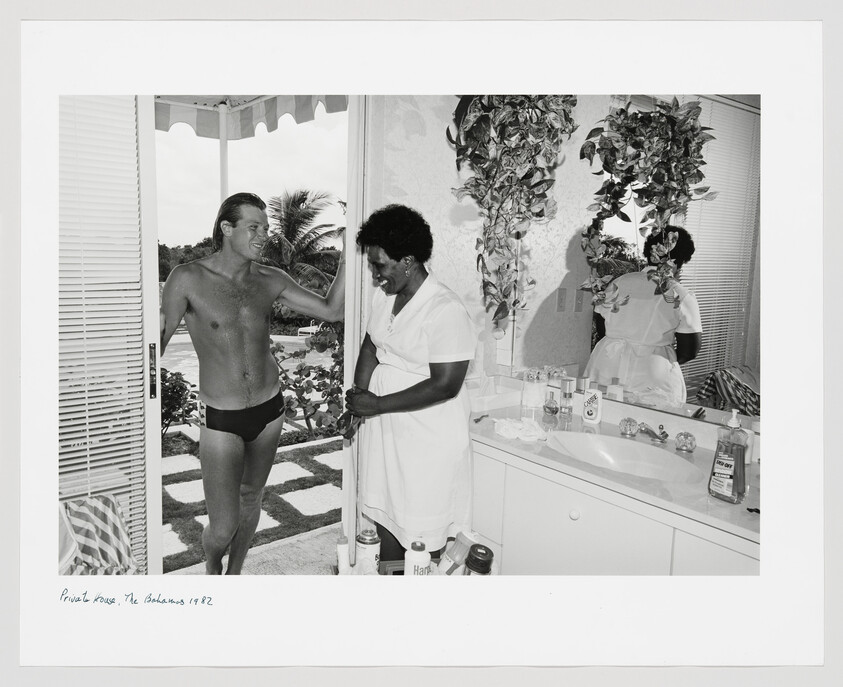
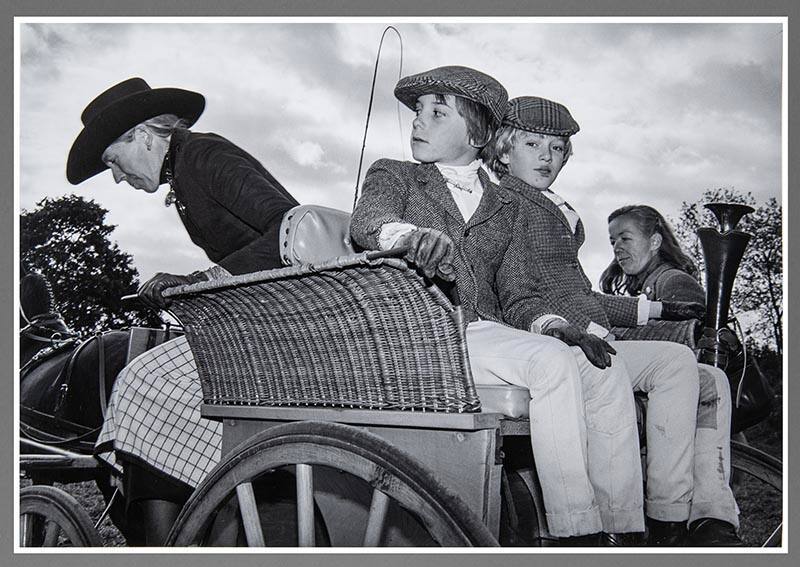
Norfleet's most celebrated work, All the Right People, published in 1986, turned her camera on the rituals and institutions of the American upper class. She photographed debutante balls, country club gatherings, society weddings, garden parties, and the other ceremonies through which the wealthy maintained their social cohesion and transmitted their values to the next generation. The images were shot with a quiet, understated style that avoided both the glamorisation of privilege and the easy moralising of social critique. Norfleet was an insider — she had grown up in this world, attended its schools, understood its customs — and her perspective was that of an affectionate but clear-eyed observer who could see the absurdity and the poignancy of social ritual without condescension.
What distinguished Norfleet's work from conventional documentary photography was the depth of her sociological understanding. She was not merely recording scenes; she was analysing social systems. Her photographs of wealthy Americans at their rituals were, in effect, visual field studies in the anthropology of class, and they drew on the same traditions of participant observation that informed the work of sociologists and social anthropologists. She understood that the most revealing moments were often the smallest and most ordinary — a gesture, a posture, the arrangement of bodies in a room — and she had the patience and the eye to capture them.
In addition to her photographic practice, Norfleet made significant contributions as a curator, educator, and writer on the social uses of photography. Her work with the photographic archives at Harvard helped establish the study of vernacular and institutional photography as a legitimate academic field, and her writings explored the complex relationship between photographs and the social realities they purported to represent. She understood that photographs were never neutral documents; they were always shaped by the assumptions, intentions, and social positions of those who made and used them. This critical awareness informed both her scholarly work and her own image-making.
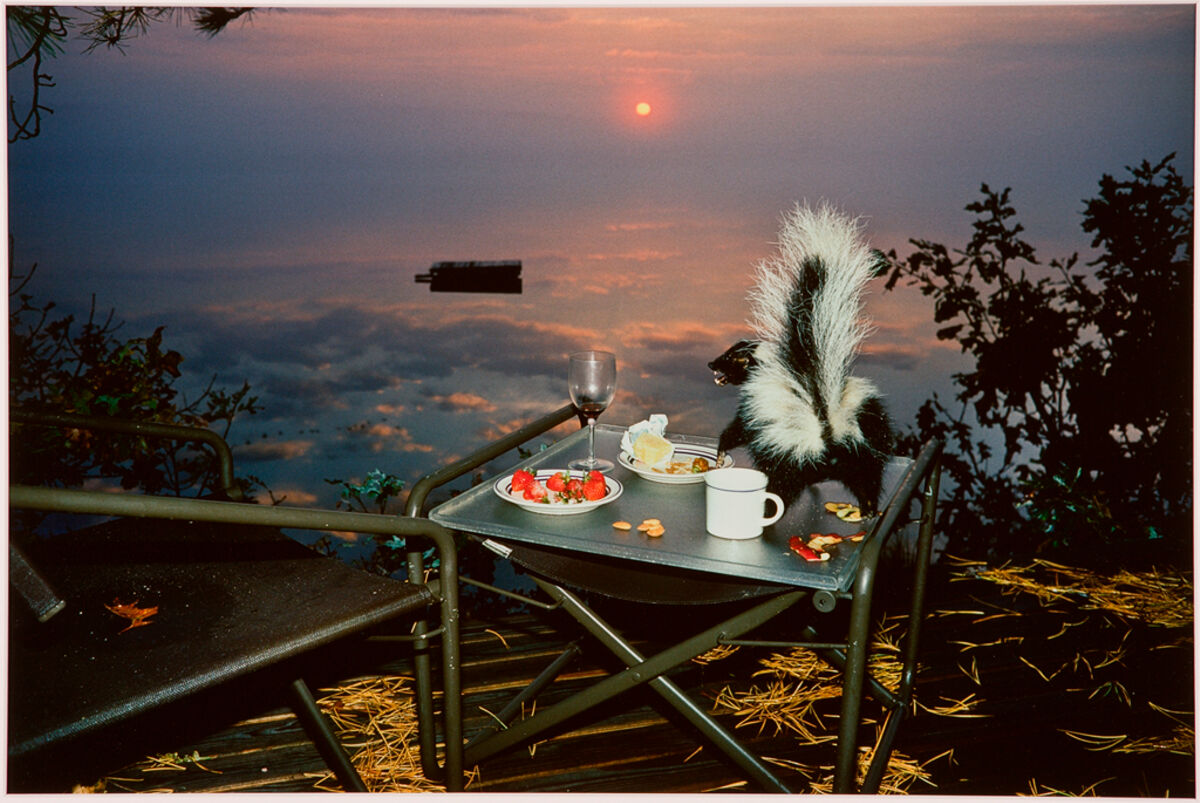
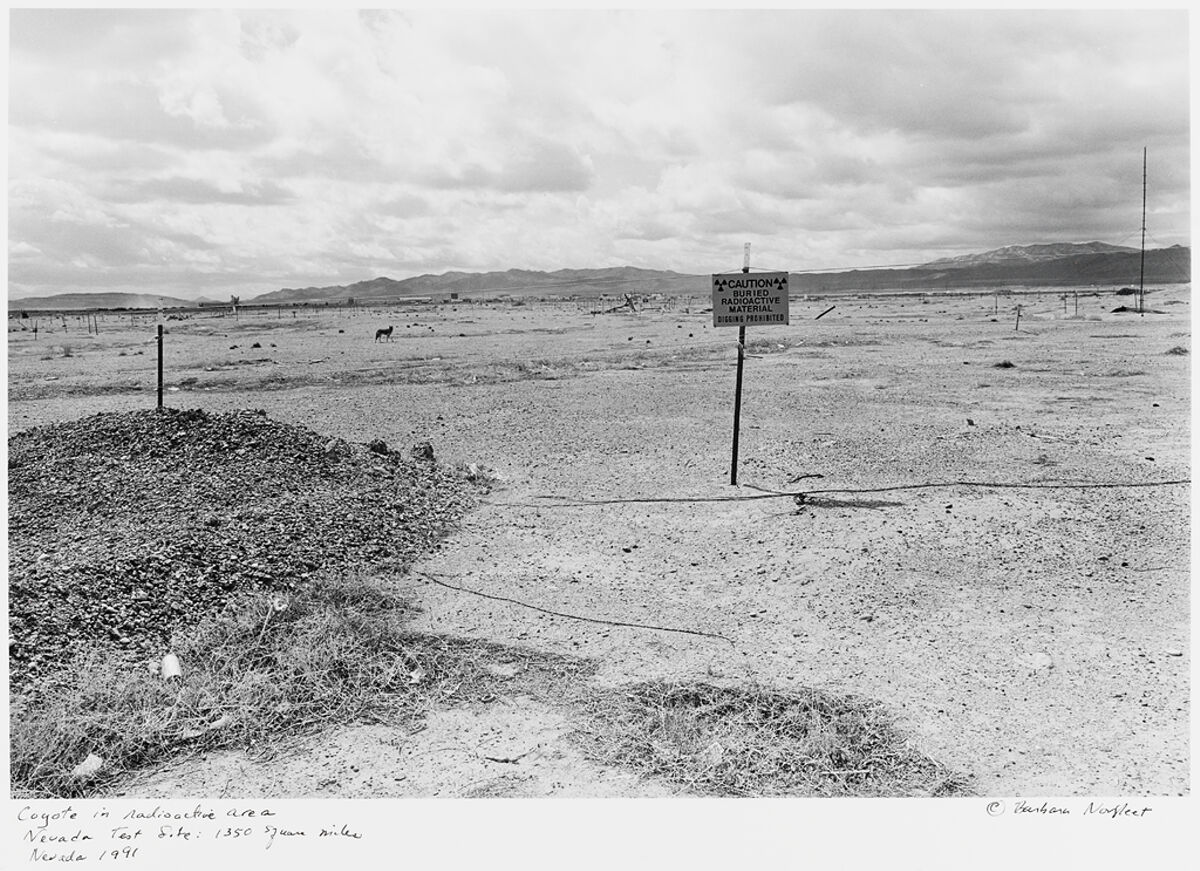
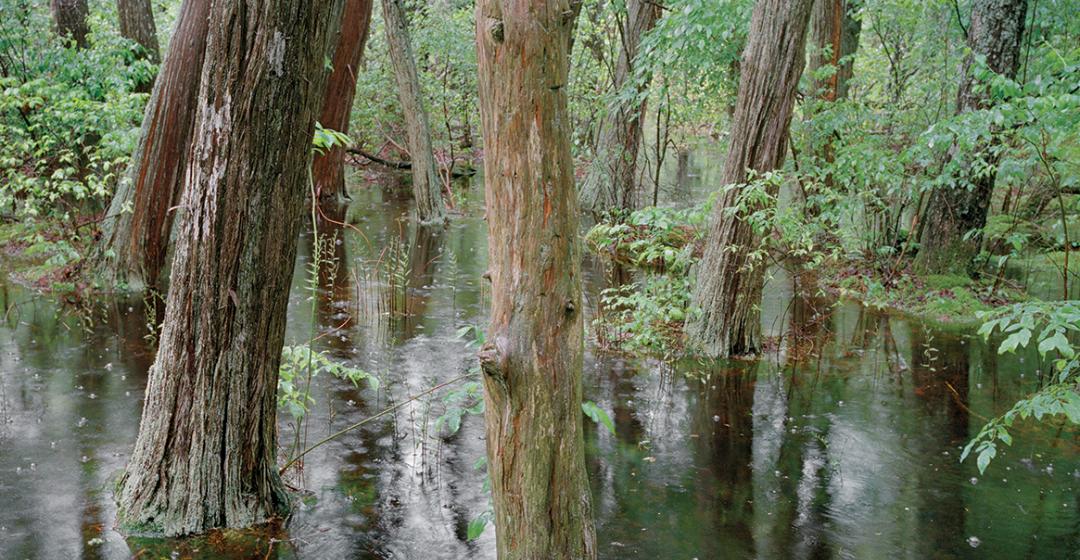
Later in her career, Norfleet produced the Champion Trees series, documenting the largest specimens of every native tree species in the United States — a project that combined her interest in American institutions (the National Register of Champion Trees) with a growing environmental awareness. The images were both portraits of individual trees and documents of the landscapes they inhabited, and they extended Norfleet's lifelong concern with the relationship between nature, culture, and social organisation. Her body of work, taken as a whole, represents a unique fusion of sociological insight and photographic art, and her influence on the documentary tradition — particularly on photographers interested in the visual codes of class and privilege — has been both deep and lasting.