Anton Bruehl was born in 1900 in the small outback town of Hawker, South Australia, the son of German immigrants who had settled in the arid farmlands of the Flinders Ranges. His early life in the Australian bush gave little indication of the glamorous career that lay ahead. As a young man he trained as an electrical engineer, a background that would prove unexpectedly useful in the technically demanding world of studio photography. In the early 1920s, Bruehl emigrated to the United States, settling in New York, where he enrolled at the Clarence H. White School of Photography, one of the most important photographic training institutions of the era. White's school emphasised design principles, tonal control, and the integration of fine art sensibilities into commercial practice, and Bruehl absorbed these lessons thoroughly.
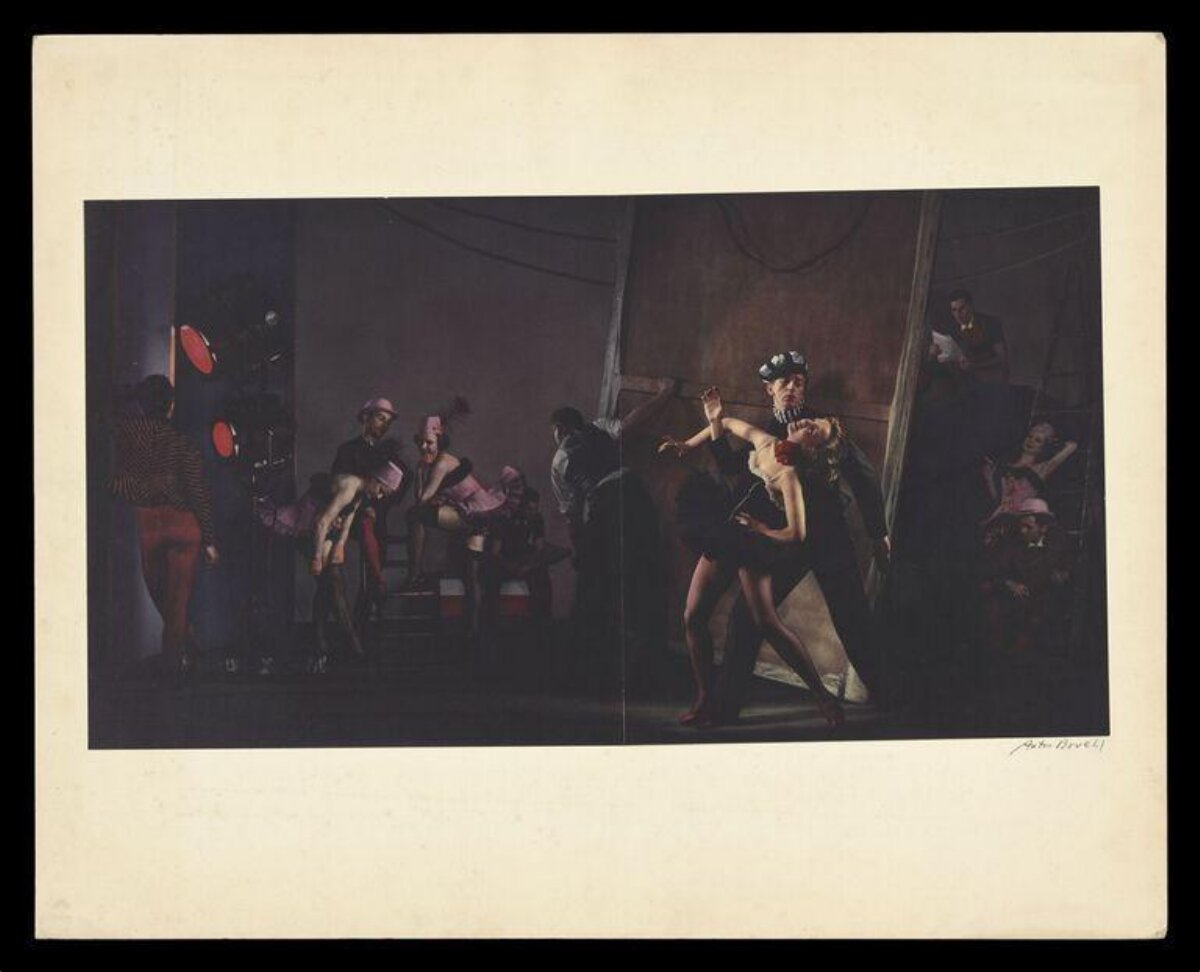
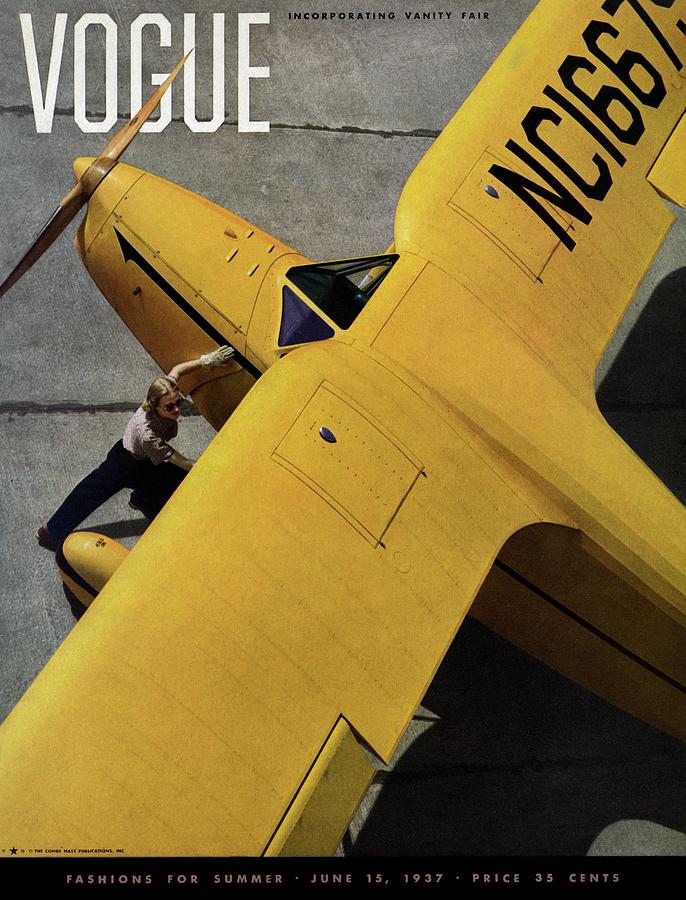
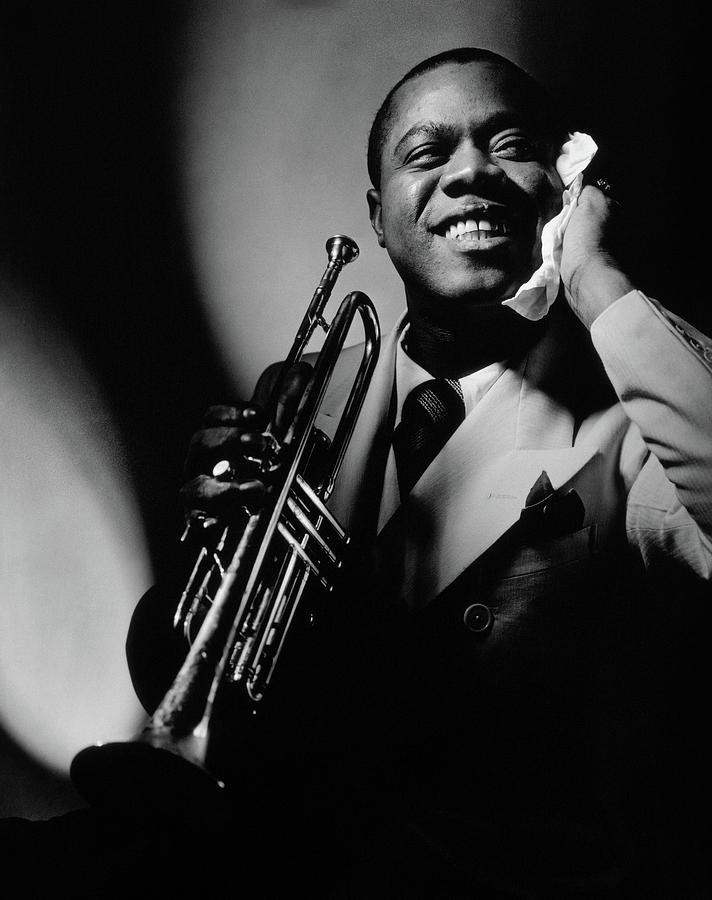
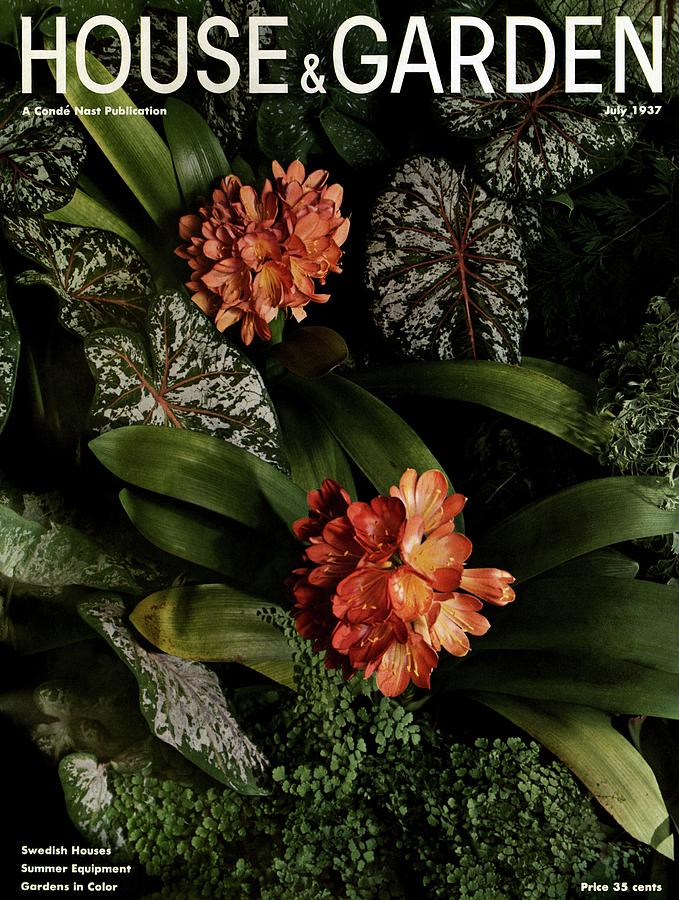
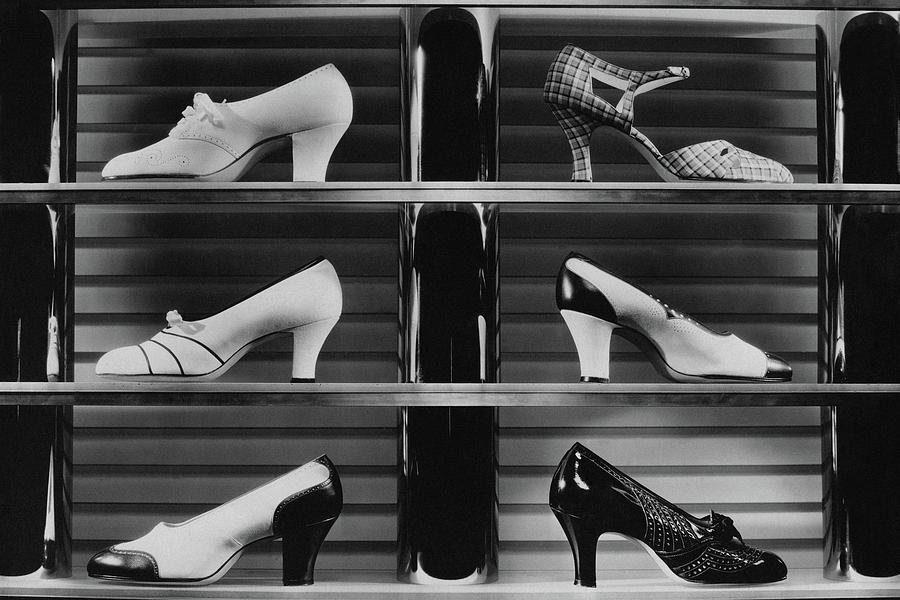
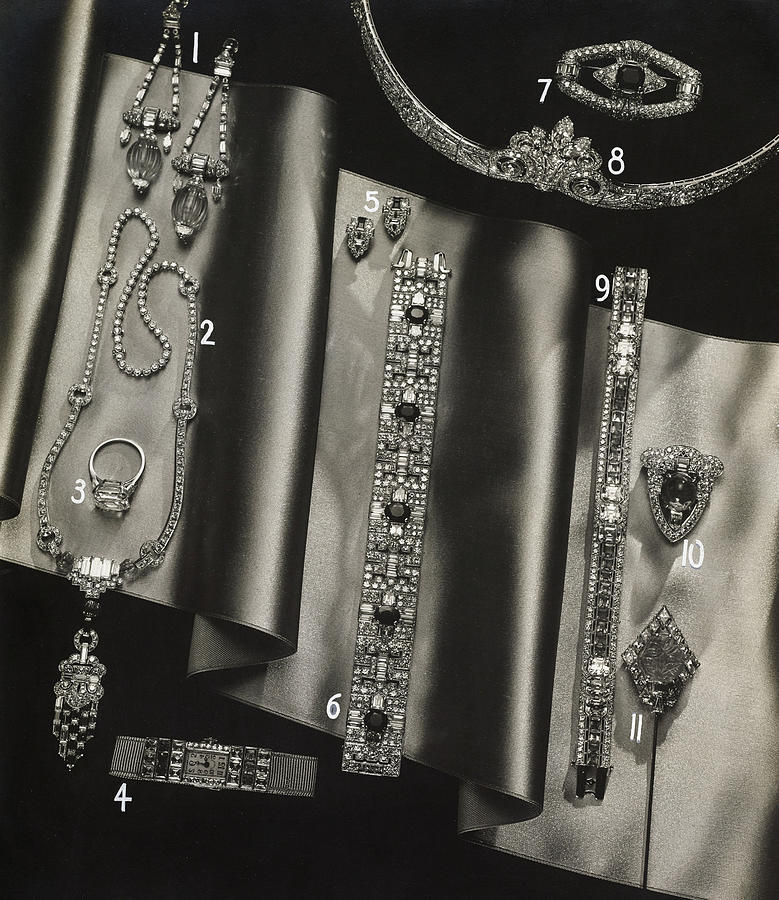
After completing his studies, Bruehl quickly established himself as one of New York's most technically accomplished studio photographers. His engineering training gave him an intuitive command of lighting and optical systems that few of his contemporaries could match, and he brought a rigorous, experimental approach to every assignment. By the late 1920s he had attracted the attention of Condé Nast, the publishing empire behind Vogue, Vanity Fair, and House & Garden, and he began a long and prolific association with the company that would define the first half of his career. His fashion photographs and still-life compositions appeared regularly in the pages of these magazines, distinguished by their precise lighting, elegant composition, and a polish that set new standards for commercial photography.
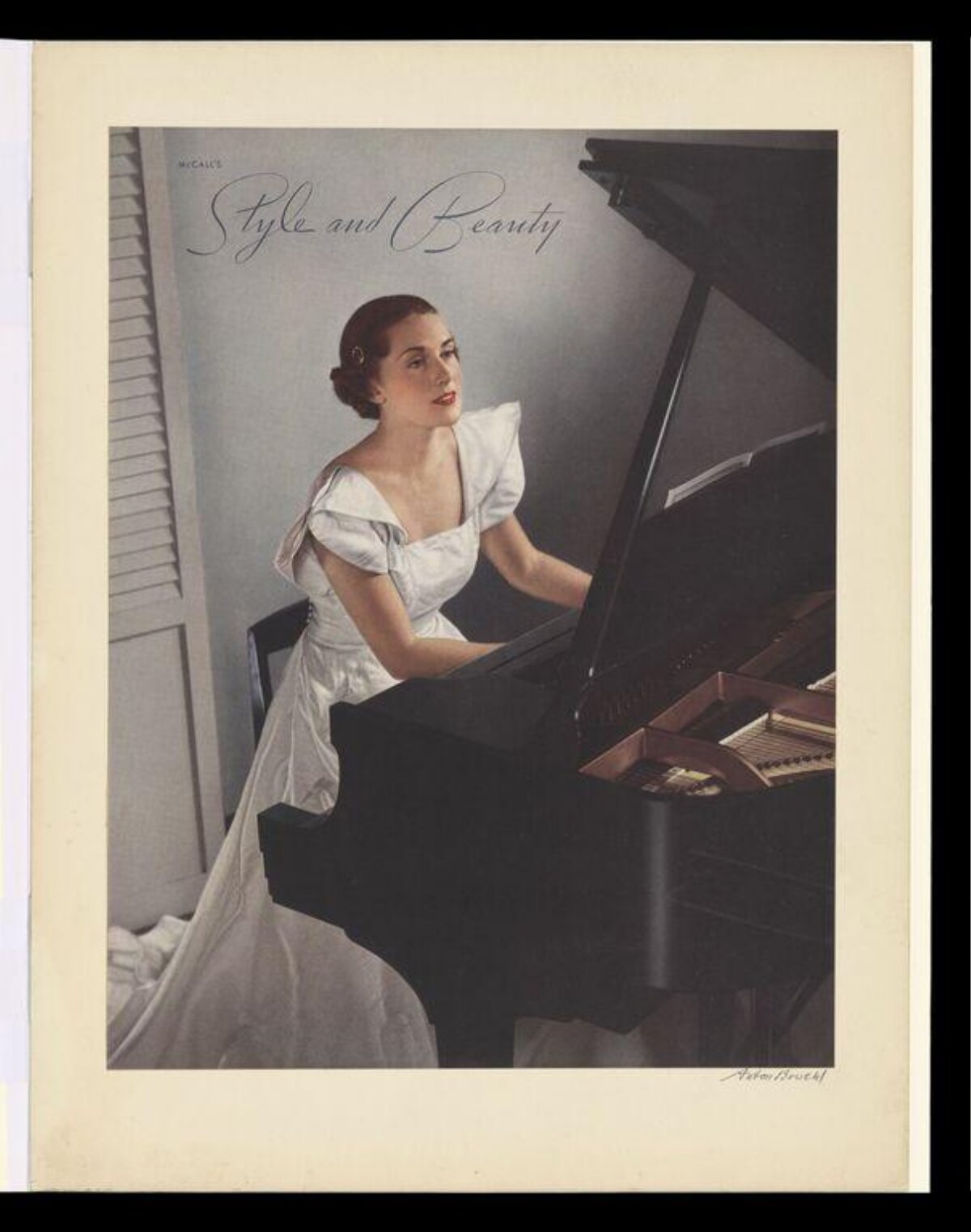
Bruehl's most historically significant contribution, however, was his pioneering work in colour photography. In the early 1930s, colour reproduction in print was still in its infancy, and the technical obstacles were formidable. Working with his colleague Fernand Bourges, Bruehl developed and refined the colour carbro process, a method of producing colour prints from separation negatives that yielded images of remarkable richness and stability. In 1932, he produced what is widely regarded as the first colour photograph to appear on the cover of a major magazine — a still-life composition for the cover of Vogue. This was a landmark moment in the history of both photography and publishing, and it established Bruehl as the foremost practitioner of colour photography in the commercial world.
The colour carbro process was extraordinarily demanding. It required making three separate exposures through red, green, and blue filters, then printing each separation onto pigmented tissue that was transferred in precise registration to produce the final image. The process demanded absolute precision at every stage, and a single error could ruin hours of painstaking work. Bruehl's engineering background made him ideally suited to master these technical challenges, and the results he achieved were astonishing: images of luminous, saturated colour that stood in vivid contrast to the dull, muddy reproductions that had previously passed for colour photography in print. His still-life compositions — arrangements of flowers, fabrics, glass, and fruit — exploited the full potential of the process, producing images that were simultaneously photographs and objects of decorative beauty.
In 1933, Bruehl travelled to Mexico, where he produced a remarkable body of personal work that stood apart from his commercial practice. His Photographs of Mexico, published in 1933 by the Delphic Studios, documented the people, architecture, and landscapes of the country with a directness and sympathy that revealed a sensibility more complex than his glossy magazine work might suggest. The images showed the influence of Paul Strand and Edward Weston, who had both worked in Mexico in the preceding decade, but Bruehl brought his own distinctive eye for pattern, texture, and the play of light on form. The Mexican portfolio remains one of the underappreciated achievements of 1930s photography.
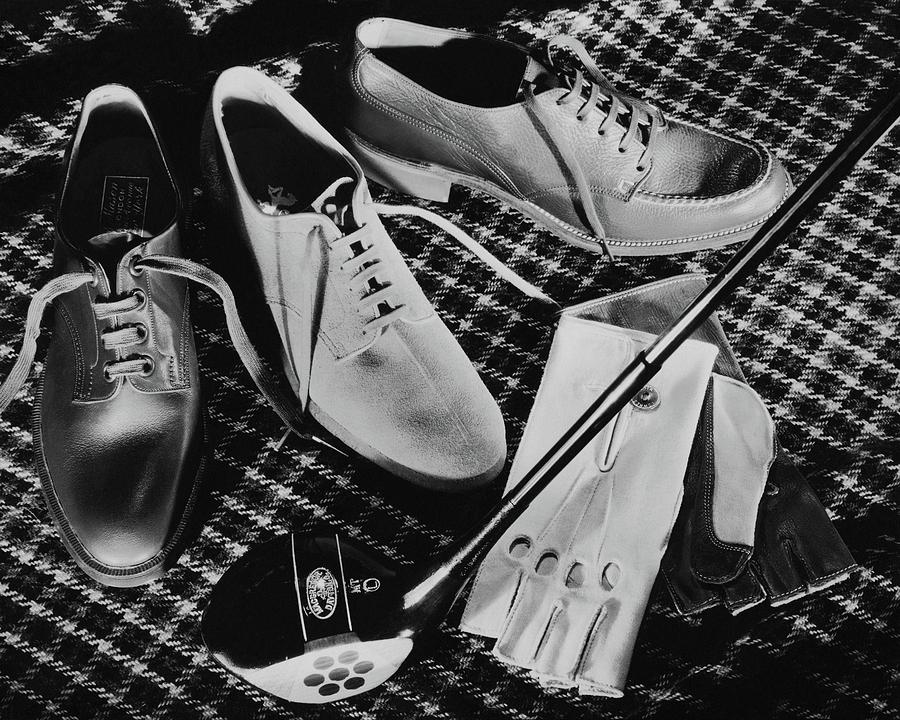
Throughout the 1930s and 1940s, Bruehl continued to work at the highest levels of commercial photography, producing advertising campaigns, editorial features, and cover images that helped define the visual culture of the American magazine industry. His clients included many of the most prestigious brands and publications of the era, and his studio on Madison Avenue became one of the most productive in New York. He was a meticulous craftsman who insisted on controlling every aspect of the photographic process, from the construction of sets and the arrangement of lighting to the final printing and retouching of images.
In the post-war years, as Kodachrome and other transparency films made colour photography increasingly accessible, the specialised techniques that had made Bruehl's reputation became less central to commercial practice. He continued to work through the 1950s and 1960s, adapting to new technologies and markets, but his most influential period had passed. He eventually retired to San Francisco, where he died in 1982. Though less well known today than many of his contemporaries, Bruehl's contribution to the history of photography was substantial. He was among the first to demonstrate that colour photography could achieve the visual sophistication and emotional resonance of the finest black-and-white work, and his technical innovations helped establish the foundations on which modern colour photography and print reproduction were built.