Annie Leibovitz was born on October 2, 1949, in Waterbury, Connecticut, the third of six children in a military family. Her father, Samuel Leibovitz, was a lieutenant colonel in the United States Air Force, and the family moved frequently throughout her childhood — from Connecticut to various bases across the country and overseas. This itinerant upbringing gave her an early sense of impermanence and adaptability, a way of seeing the world as a series of new environments to be absorbed quickly and completely. She would later say that the constant movement taught her to look closely at unfamiliar surroundings, a habit that became the foundation of her photographic instinct.
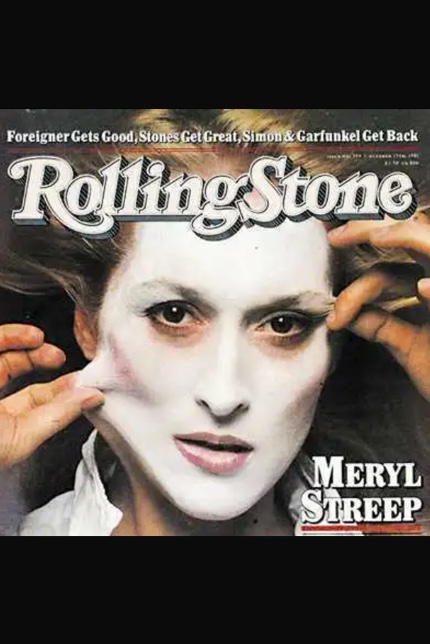
Leibovitz initially studied painting at the San Francisco Art Institute, arriving in the city in the late 1960s at the height of the counterculture. The atmosphere was electric — music, protest, experimentation — and she found herself drawn to photography as a more immediate and democratic medium than painting. During a break from her studies, she spent several months living on a kibbutz in Israel, an experience that deepened her sense of communal life and visual observation. When she returned to San Francisco, photography had overtaken painting entirely, and in 1970, at just twenty-one years old, she showed her portfolio to Jann Wenner, the founder and editor of Rolling Stone magazine. He hired her on the spot. By the age of twenty-three, she was the magazine’s chief photographer.
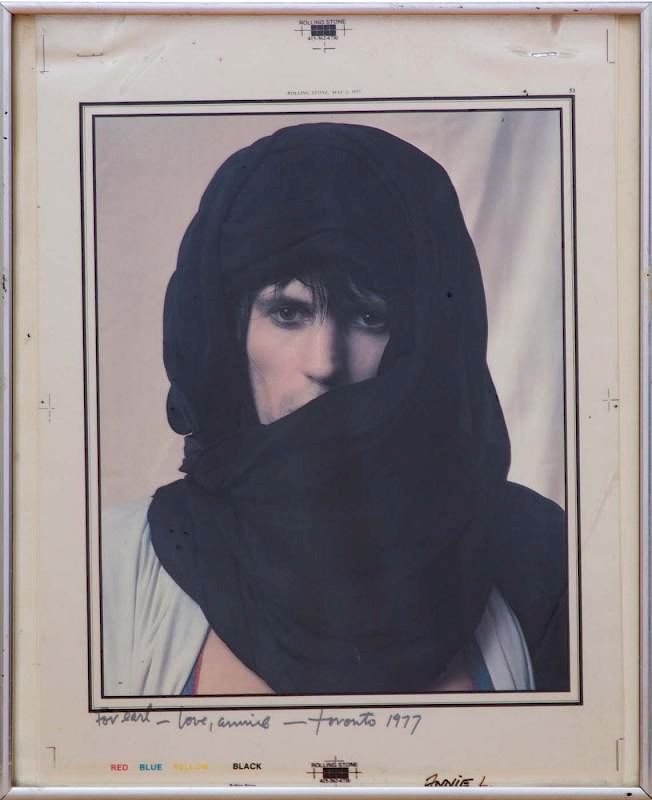
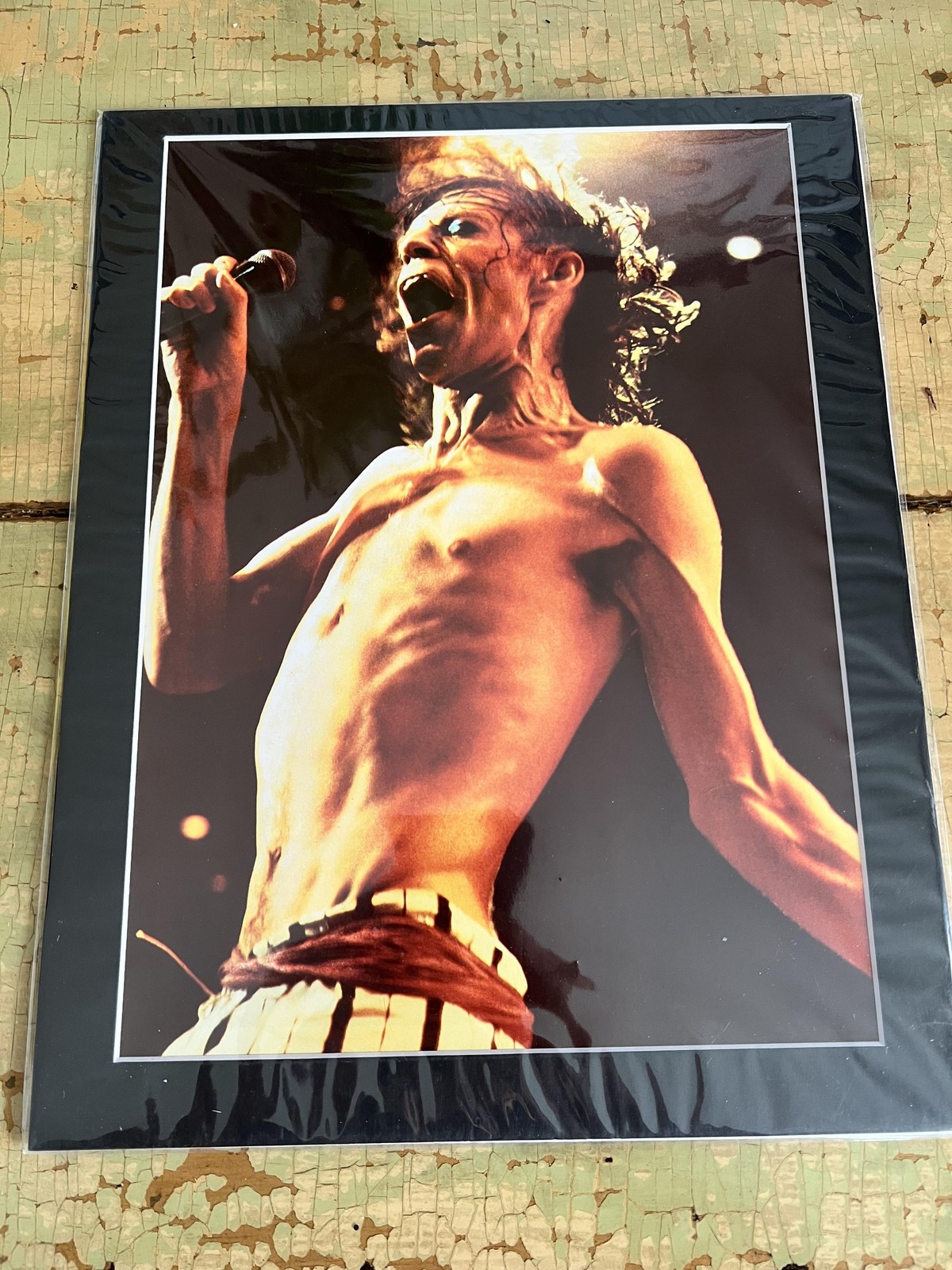
The Rolling Stone years were formative and intoxicating. Leibovitz had unprecedented intimate access to the biggest names in rock and roll, and she used it to create images that went far beyond the standard publicity portrait. In 1975, she accompanied the Rolling Stones on their Tour of the Americas, living on the road with the band for months, capturing the chaos, the glamour, and the exhaustion of life at the centre of the rock-and-roll hurricane. Her photographs of Mick Jagger and Keith Richards from this period are raw and unguarded, images made possible only by the trust that comes from sustained proximity. She was not standing at the edge of the stage with a telephoto lens; she was in the dressing room, on the tour bus, in the hotel suite at four in the morning.
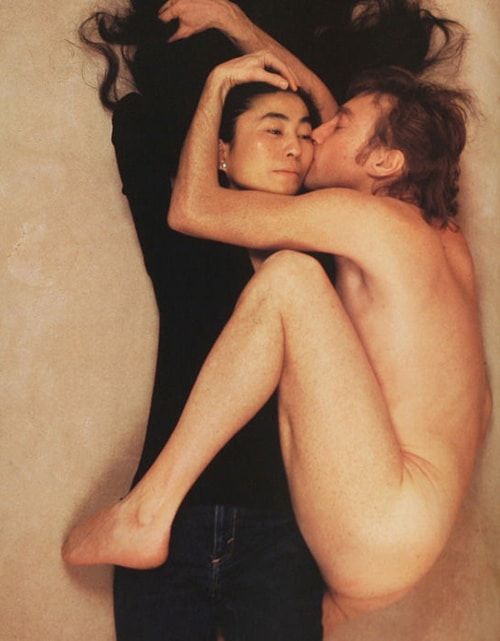
The most famous photograph of this era — and perhaps the most famous portrait she ever made — came on December 8, 1980. That afternoon, Leibovitz went to the Dakota apartment building in New York to photograph John Lennon and Yoko Ono for the cover of Rolling Stone. She persuaded Lennon to undress and curl his naked body around a clothed Ono, creating an image of startling vulnerability and devotion. Five hours later, Lennon was shot and killed outside the building. The photograph became the cover of Rolling Stone’s memorial issue and one of the most emotionally devastating images in the history of photography — a picture of love made in the last hours of a life.
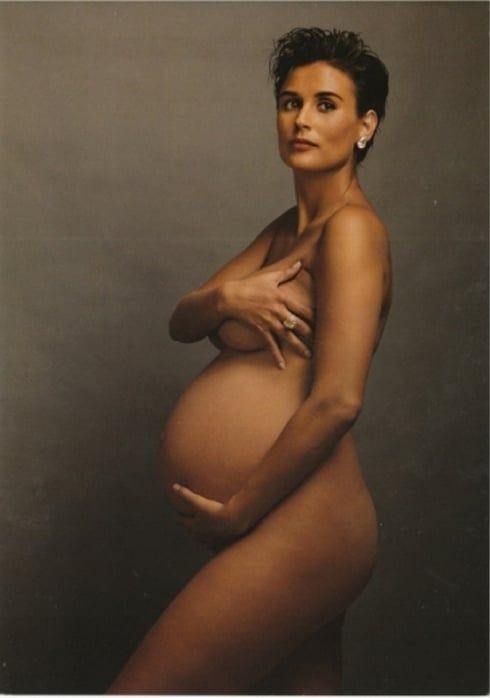
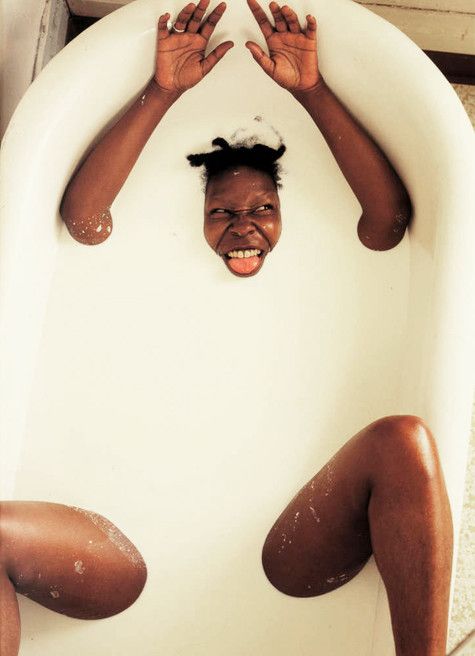
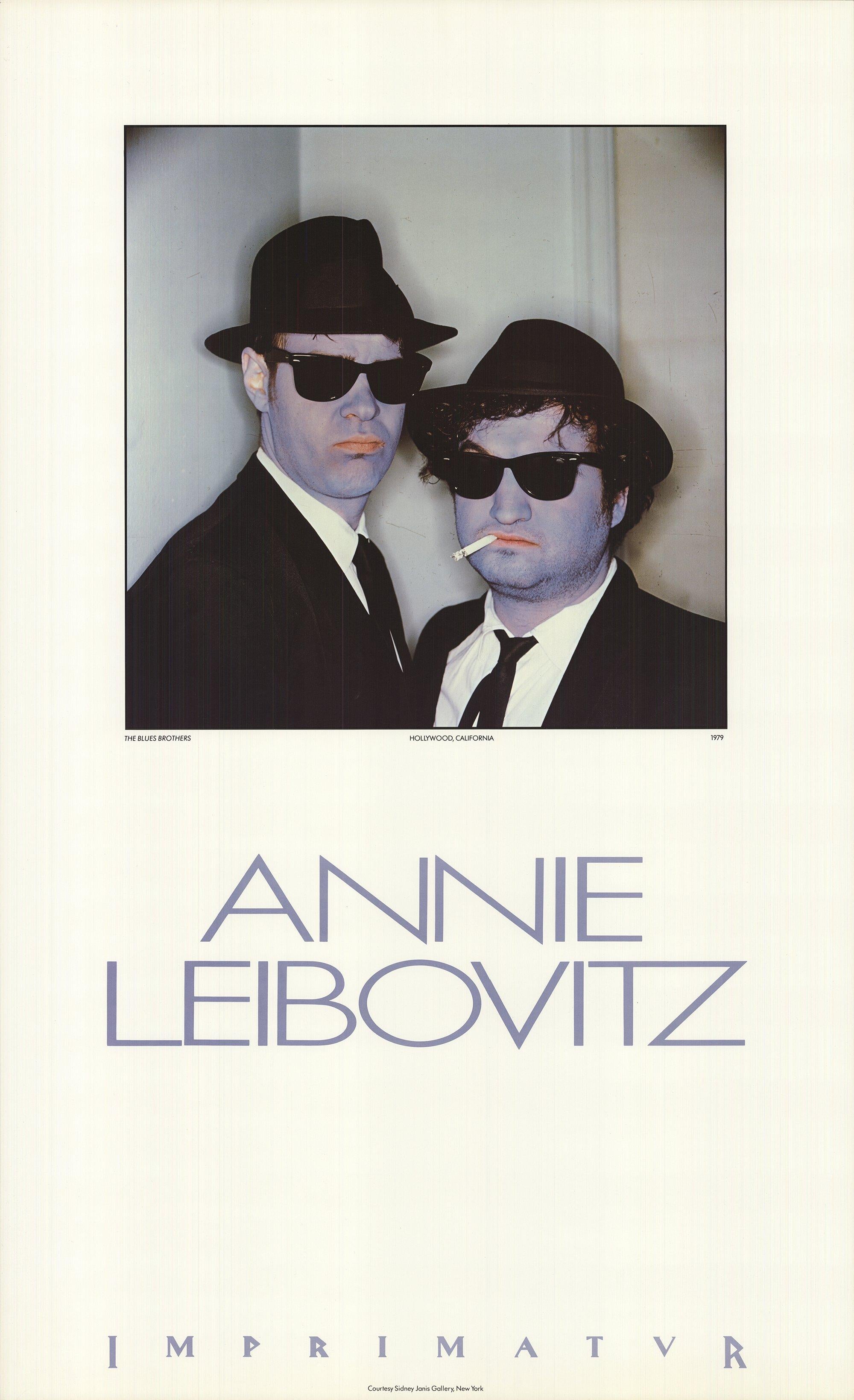
In 1983, Leibovitz made the leap from rock-and-roll journalism to the broader cultural mainstream when she joined Vanity Fair as principal photographer under the editorship of Tina Brown. The move transformed her work. Where her Rolling Stone images had been raw and spontaneous, her Vanity Fair portraits became elaborate, theatrical productions — carefully staged conceptual tableaux involving costumes, sets, lighting rigs, and teams of assistants. She photographed Whoopi Goldberg submerged in a bath of milk, her dark skin and brilliant white smile the only points of contrast in a luminous white field. In 1991, she made the cover image of a nude, heavily pregnant Demi Moore that became one of the most iconic and culturally significant magazine photographs of the twentieth century, shattering taboos around the pregnant body and launching a thousand imitations. Her Disney Dream Portraits, in which contemporary celebrities were cast as classic Disney characters in lavishly produced fantasy scenes, extended her theatrical sensibility into the realm of pure spectacle.
Alongside her commercial and editorial triumphs, Leibovitz’s personal life profoundly shaped her artistic ambitions. Her relationship with the writer and critic Susan Sontag, which began in the late 1980s and lasted until Sontag’s death in 2004, pushed Leibovitz to think more seriously about the intellectual and emotional dimensions of her work. Sontag challenged her to look beyond celebrity and spectacle, to consider what a portrait could reveal about the human condition rather than merely the public persona. Under Sontag’s influence, Leibovitz began to pursue deeply personal projects alongside her magazine commissions — photographs of her own family, of her ageing parents, of Sontag herself during her long battle with cancer. These intimate images, stripped of the theatrical machinery of her editorial work, revealed a different and arguably deeper talent: the ability to photograph the people she loved with the same unflinching directness she brought to the famous.
That impulse toward serious, non-commercial work also led Leibovitz into the world beyond celebrity. In 1993, she travelled to Sarajevo during the siege to photograph the devastation of the Bosnian War, producing images of destroyed buildings and grieving civilians that stood in stark contrast to her glossy magazine covers. In 1999, she and Sontag collaborated on Women, a book of portraits presenting women from all walks of American life — soldiers, miners, surgeons, showgirls, mothers, astronauts — challenging conventional representations and celebrating the breadth and complexity of female experience. The project was a deliberate attempt to expand her range beyond the famous face, and it succeeded, revealing Leibovitz as a photographer capable of finding the extraordinary in the ordinary as well as the other way around.
The years following Sontag’s death were turbulent. Leibovitz faced severe financial difficulties, reportedly owing tens of millions of dollars to creditors after overextending herself on property purchases and her characteristically lavish productions. She came perilously close to losing control of her life’s work — the rights to her entire archive — before restructuring her finances and pulling herself back from the brink. The crisis was public and humiliating, but Leibovitz weathered it with the same tenacity she had brought to every other phase of her career. She continued to work, continued to produce striking and memorable images, and continued to command the respect of editors, subjects, and audiences around the world. Today, Annie Leibovitz remains one of the most recognised names in photography, still working, still exhibiting, and still proving that the portrait — when made with enough ambition, intelligence, and nerve — can be as powerful and enduring as any other form of art.