Anna Fox was born in 1961 in Alton, a small market town in Hampshire, in the heart of the English countryside that would become one of the enduring subjects of her photographic work. She grew up in a middle-class household in a part of England that is often perceived as comfortable, conventional, and politically conservative — perceptions that her later photographs would both confirm and complicate with a sharp eye for the absurdities and tensions that lie beneath the surface of English respectability. She studied photography at West Surrey College of Art and Design (now the University for the Creative Arts) in Farnham, graduating in the mid-1980s at a moment when British photography was being transformed by a new generation of colour documentary practitioners.
Fox emerged into the profession at a pivotal moment in British photographic culture. The mid-1980s saw the rise of a distinctly British approach to colour documentary photography that drew on the tradition of Martin Parr, Paul Graham, and Paul Reas, among others — photographers who used colour not as decoration but as a tool for social observation and critique. Fox was part of this generation, but she brought her own distinctive sensibility to the work: a combination of wit, anger, and formal inventiveness that marked her out from the start. She was also influenced by the American New Colour Photography of William Eggleston and Stephen Shore, absorbing their approach to the vernacular landscape while applying it to distinctly British subjects.
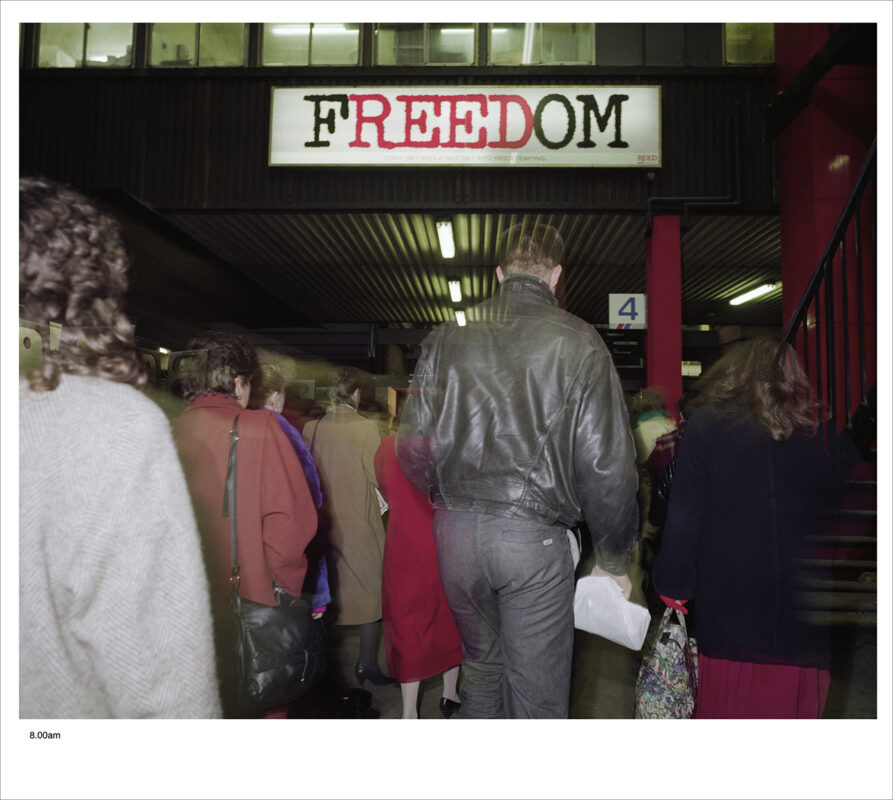
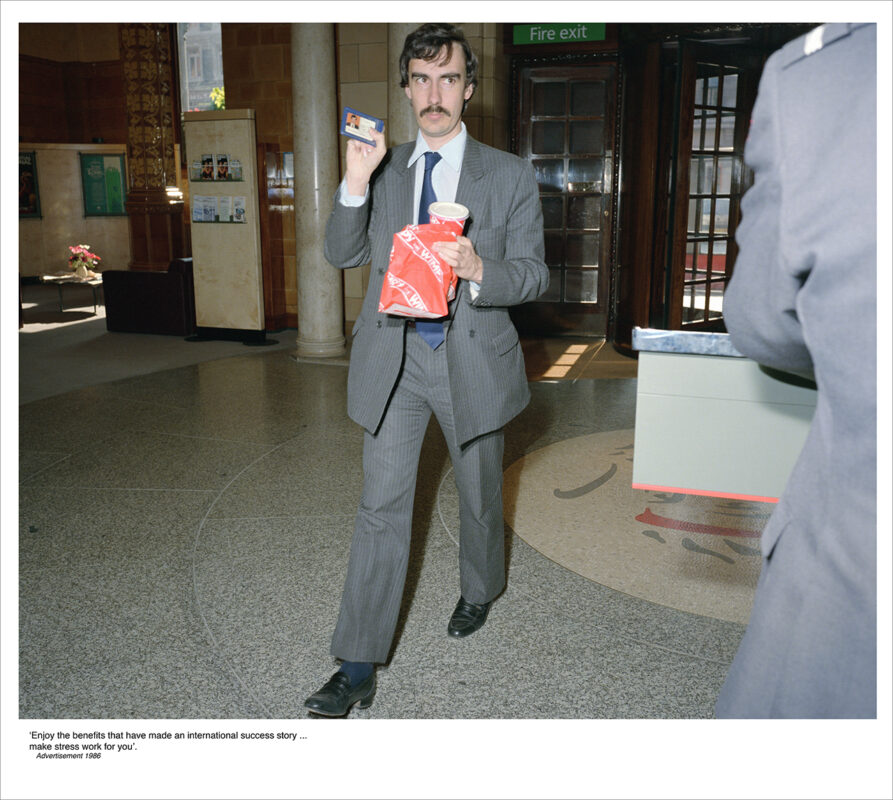
Her breakthrough work, Work Stations (1987–1988), was a photographic study of office life in Basingstoke, the Hampshire new town that had become a symbol of Thatcher-era corporate Britain. Commissioned by the Camerawork Gallery in London, the project documented the open-plan offices, meeting rooms, canteens, and car parks of a series of corporate workplaces with a combination of deadpan observation and satirical edge that captured perfectly the atmosphere of 1980s business culture. The images — shot in vivid colour, often using flash, and composed with a keen eye for the telling detail — revealed the hierarchies, anxieties, and absurdities of the Thatcherite workplace with a precision that was both funny and disquieting. Work Stations established Fox as a significant new voice in British documentary photography and remains one of the defining visual records of the 1980s office culture.
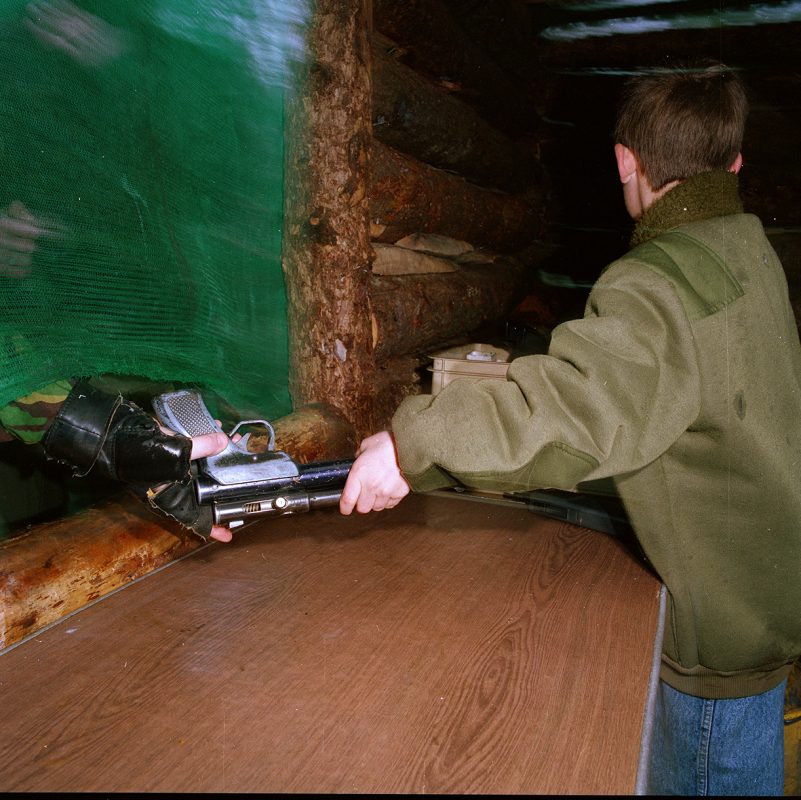
Following Work Stations, Fox continued to explore the texture of contemporary British life through sustained projects that combined documentary rigour with an increasingly personal and experimental approach. Friendly Fire (2004–2007) was a series of staged photographs using toy soldiers, miniature landscapes, and dioramas to create images that addressed the reality of modern warfare and the sanitised way in which conflict is presented in the media. The work marked a departure from straight documentary into a more constructed, conceptual mode, though it retained Fox's characteristic combination of visual wit and political engagement.
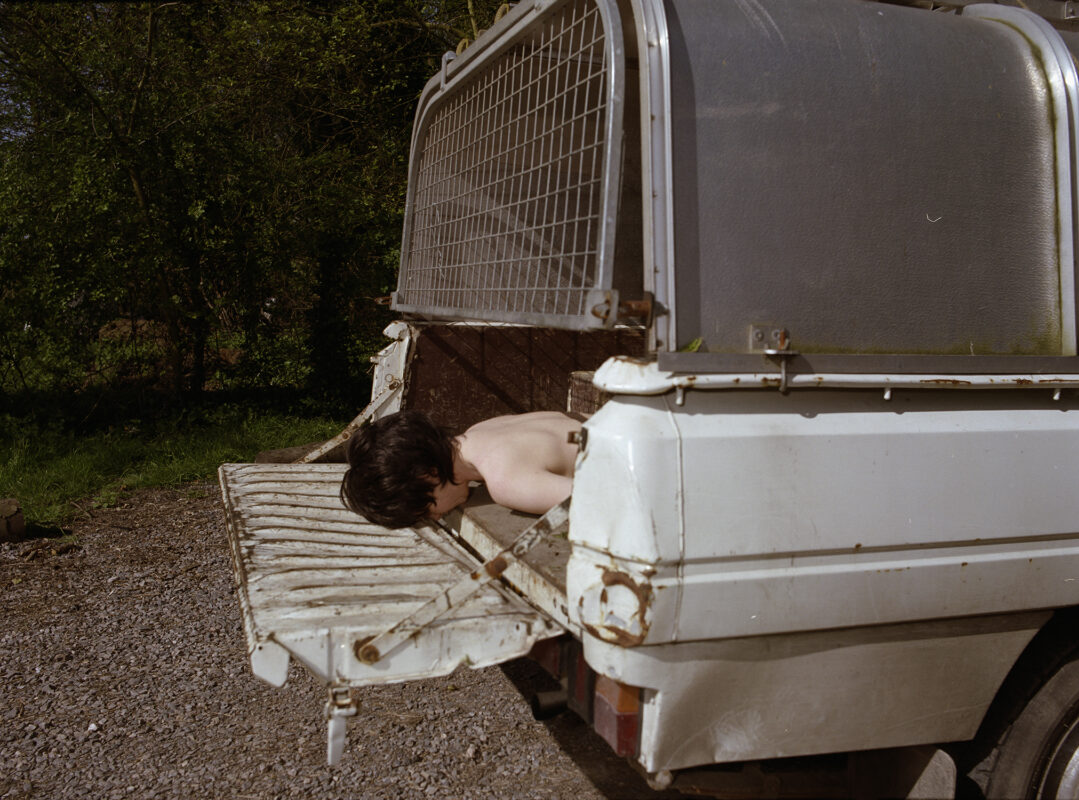
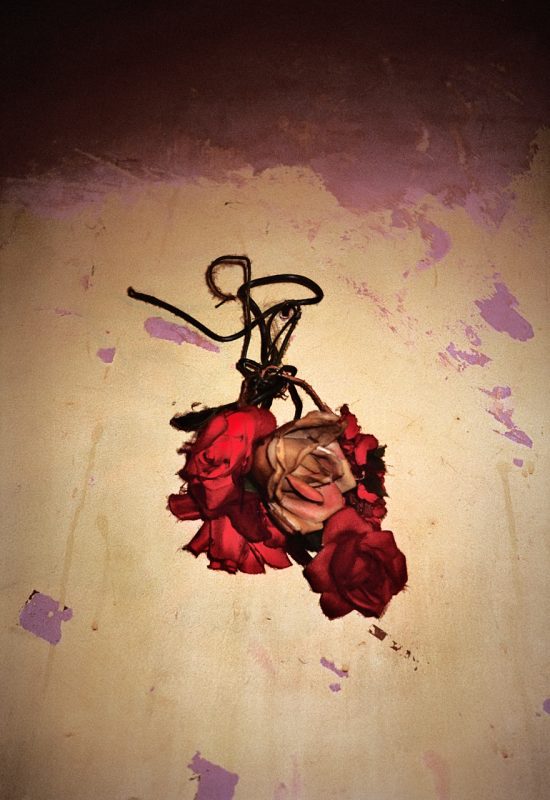
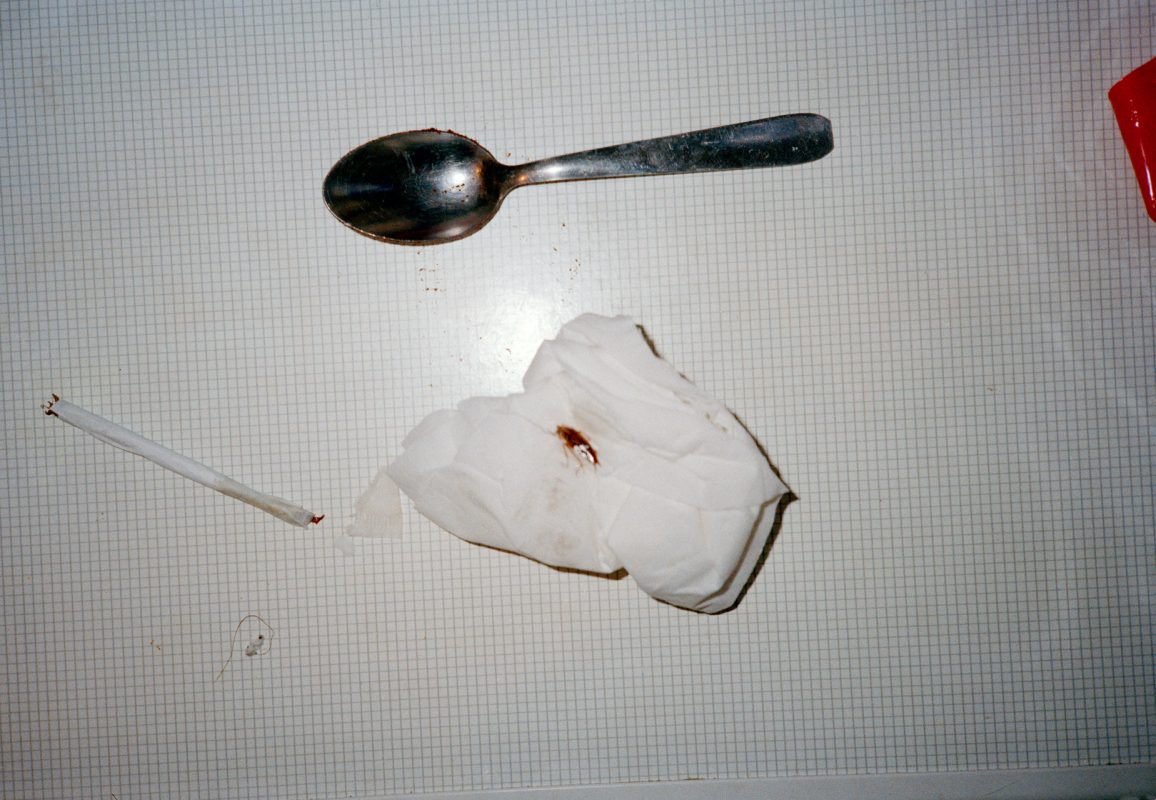
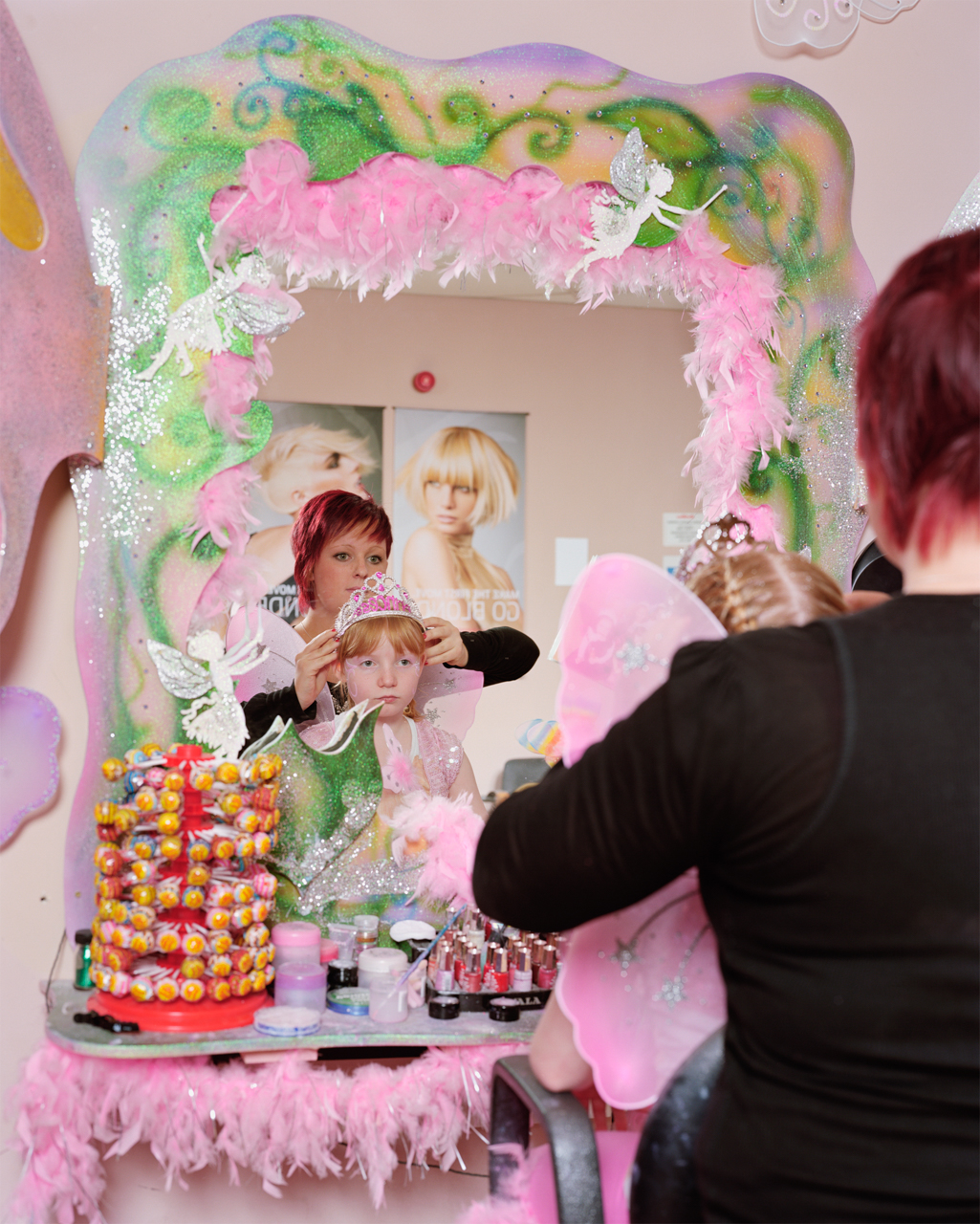
Her project Country Girls (1996–2001) returned to the Hampshire countryside of her upbringing to explore the lives of young women in rural England — a subject rarely addressed in documentary photography. The photographs revealed a world of contradictions: traditional rural settings overlaid with the consumer culture, media influence, and social pressures of late twentieth-century Britain. The work was sensitive to the particular experiences of its young female subjects while placing them within a broader social and cultural context. Fox's project 41 Hewitt Road (1996) and the related Cockroach Diary documented her own domestic environment in London with unflinching honesty, blurring the boundary between documentary and autobiography in ways that anticipated the personal turn in much subsequent British photography.
Fox has also been a significant figure in British photographic education. She has held a long-standing position as Professor of Photography at the University for the Creative Arts in Farnham, where she has shaped the development of numerous younger photographers and contributed to critical discourse around the medium through writing, curating, and public engagement. Her teaching practice, like her photographic work, is characterised by a commitment to social engagement, formal experimentation, and the belief that photography has a vital role to play in understanding and critiquing contemporary society.
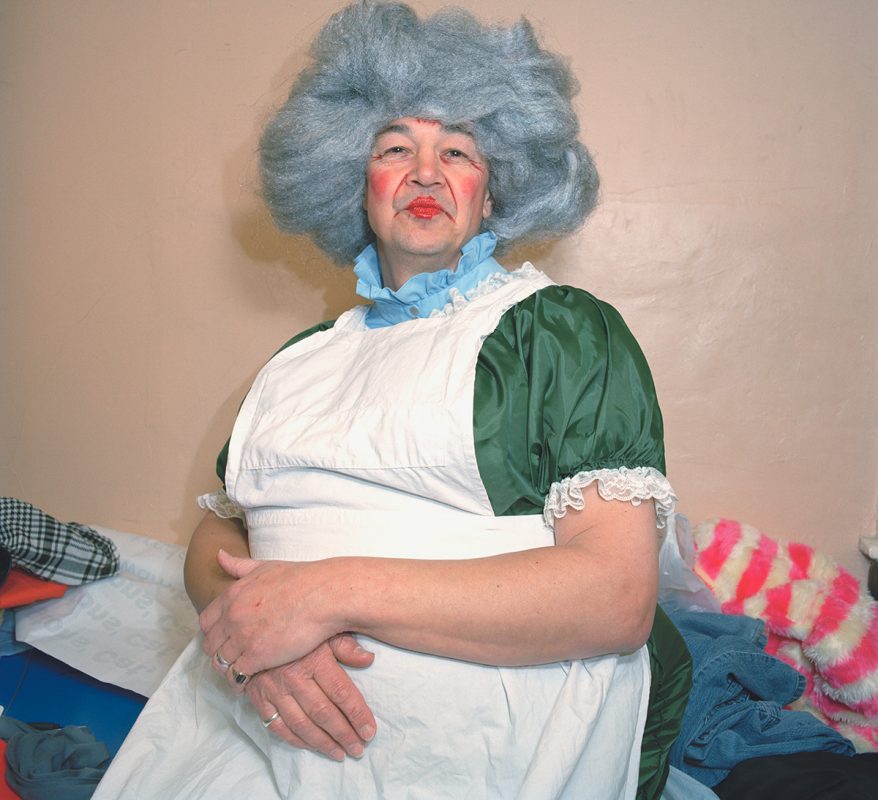
More recent projects have continued to expand Fox's range while maintaining the core concerns that have defined her career. Her work on Butlin's holiday resorts explored the British tradition of seaside holidays as a site of nostalgia, class identity, and collective experience. Back to the Village (2013) represented a return to the Hampshire village of her childhood, examining how the English countryside has changed — and how it has remained the same — over the decades since she left. Throughout all of these projects, Fox has maintained a distinctive voice: observant, witty, politically aware, and deeply committed to the idea that the ordinary texture of British life is a subject worthy of sustained photographic attention.
Anna Fox's work is held in the collections of the Victoria and Albert Museum, the Arts Council Collection, the Museum of London, and many other British and international institutions. Her influence on British colour documentary photography has been substantial, both through her own images and through her decades of teaching and mentoring at the University for the Creative Arts. She remains one of the most important and distinctive voices in the British photographic tradition.