Andreas Weinand is a German documentary photographer based in Cologne whose work occupies a distinctive position within the rich tradition of German photography. Working primarily in colour and with a large-format camera, he brings a patient, analytical eye to the landscapes, communities, and domestic spaces of contemporary Germany, creating images that are formally precise yet emotionally attentive to the lives unfolding within them. His practice sits at the intersection of the documentary tradition and the conceptual rigour of the Düsseldorf School, though he has forged a path that is distinctly his own — quieter, more intimate, and more engaged with the social fabric of everyday life than the monumental aesthetic of his more celebrated compatriots.
Weinand studied photography at the Fachhochschule Köln (Cologne University of Applied Sciences), where he developed the technical skills and conceptual framework that would underpin his mature practice. His education placed him within the broader context of German photographic culture, a tradition that stretches from the objective vision of August Sander through the industrial typologies of Bernd and Hilla Becher to the large-scale colour work of the contemporary Düsseldorf School. Weinand absorbed these influences without becoming a disciple of any single approach, instead developing a documentary practice that combines the descriptive precision of the German tradition with a warmth and human engagement that sets him apart.
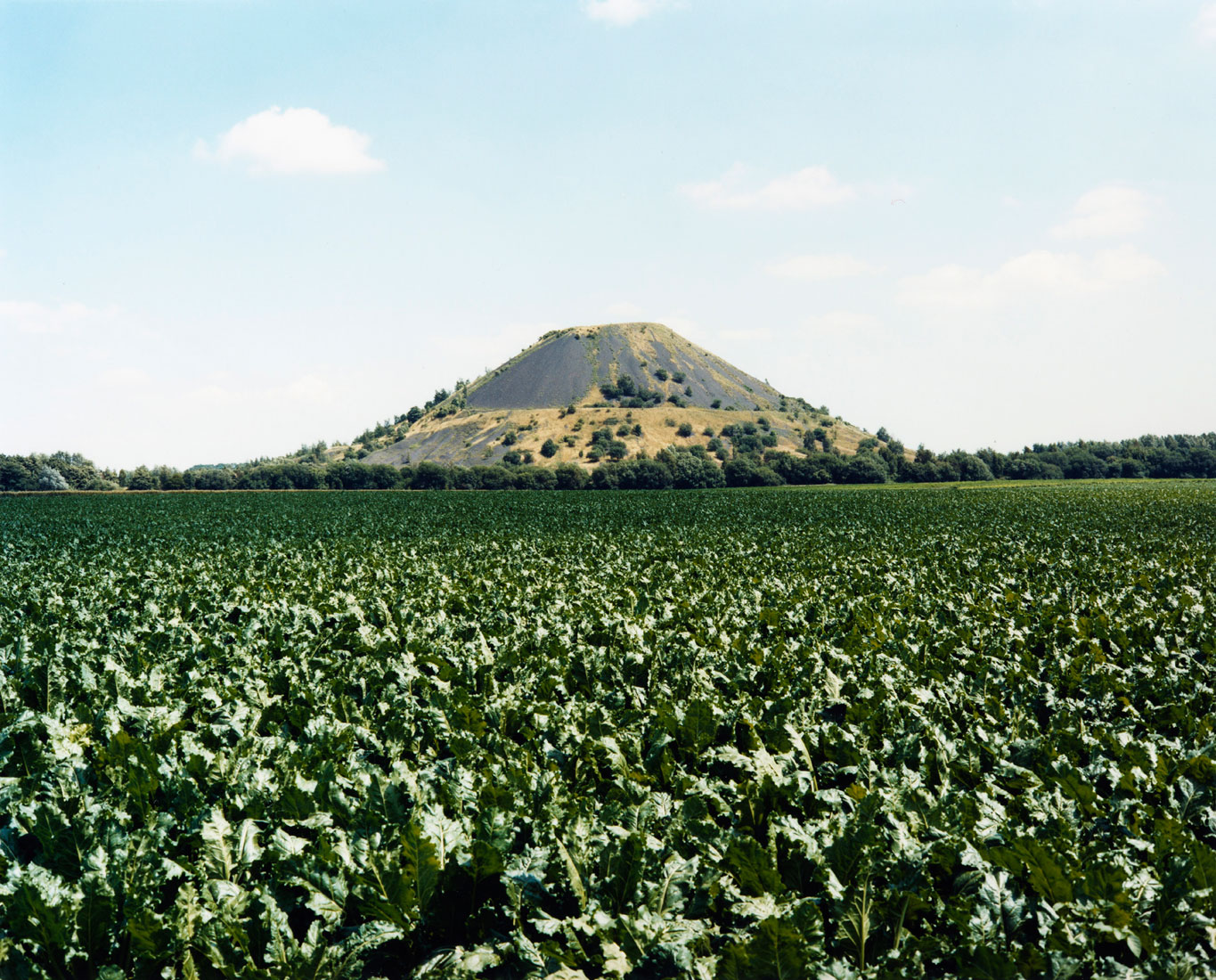
A central preoccupation of Weinand's work has been the transformation of the German landscape under the pressures of industrialisation, deindustrialisation, and urban expansion. His photographs of the Rhineland brown coal mining region, where vast open-cast mines have consumed entire villages and reshaped the terrain on a geological scale, document a landscape in radical transition with both analytical clarity and a sense of the human consequences of such transformation. These images record not only the physical scale of the mining operations but also the communities that have been displaced, the houses that stand empty awaiting demolition, and the provisional landscapes that emerge in the wake of extraction.
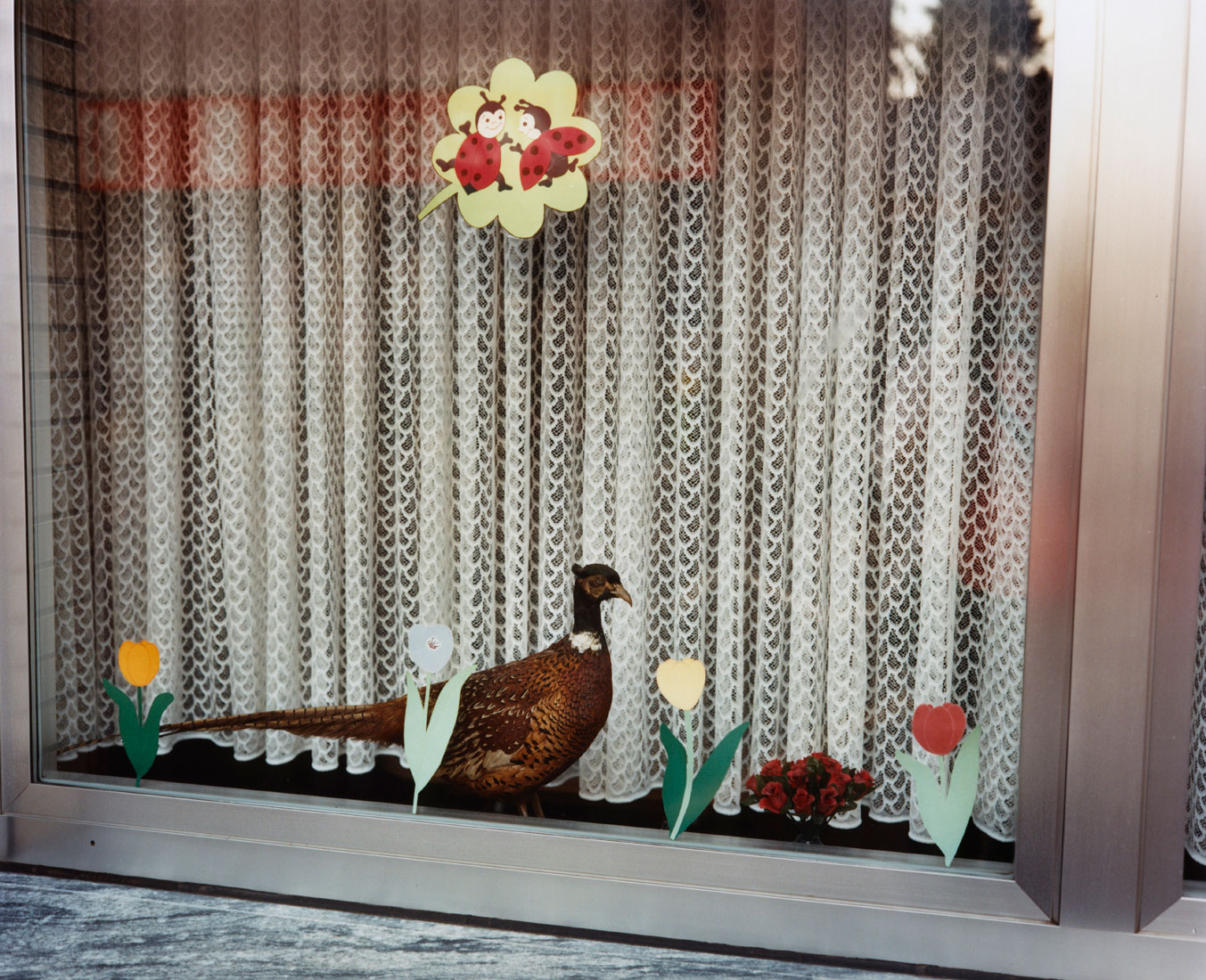
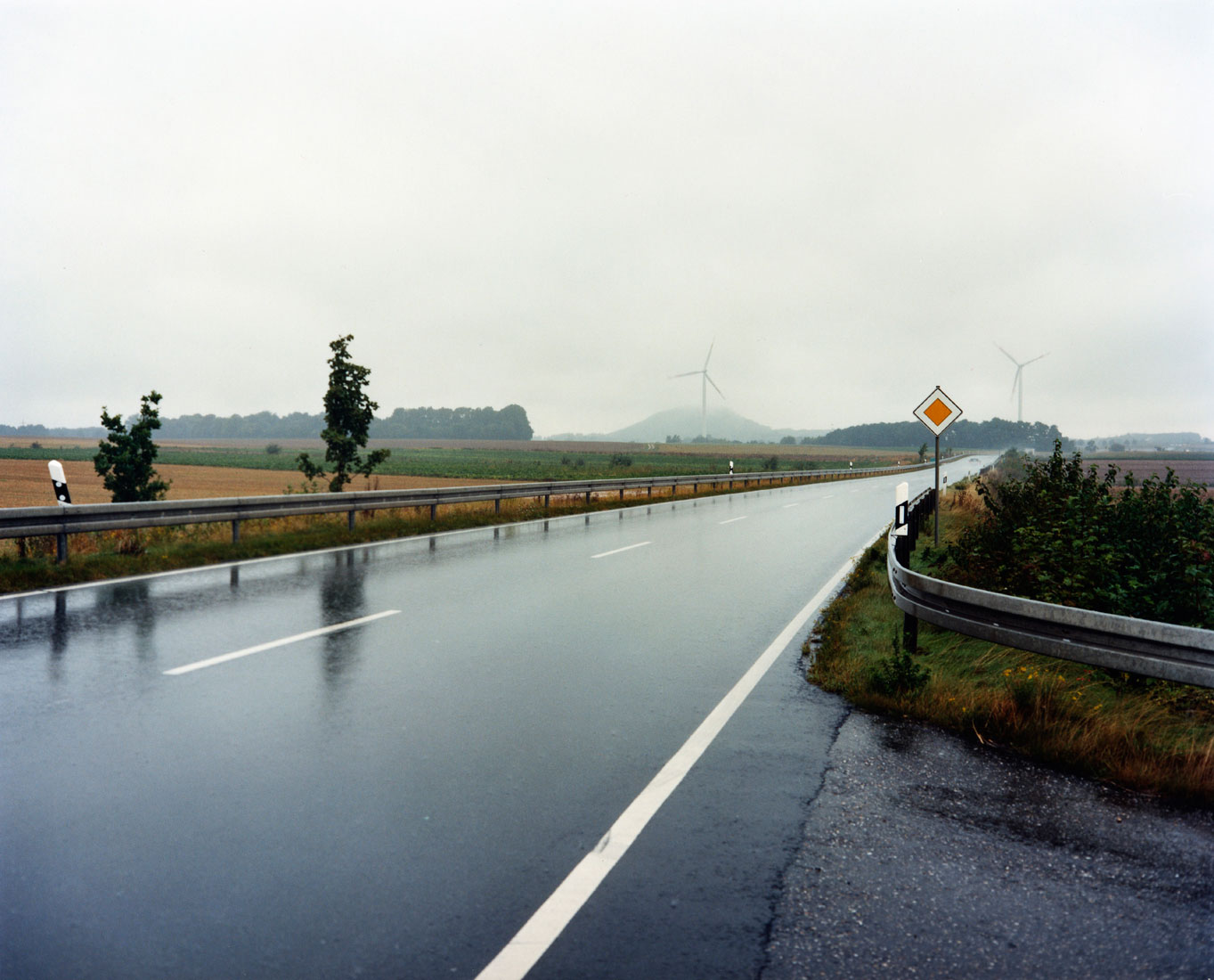
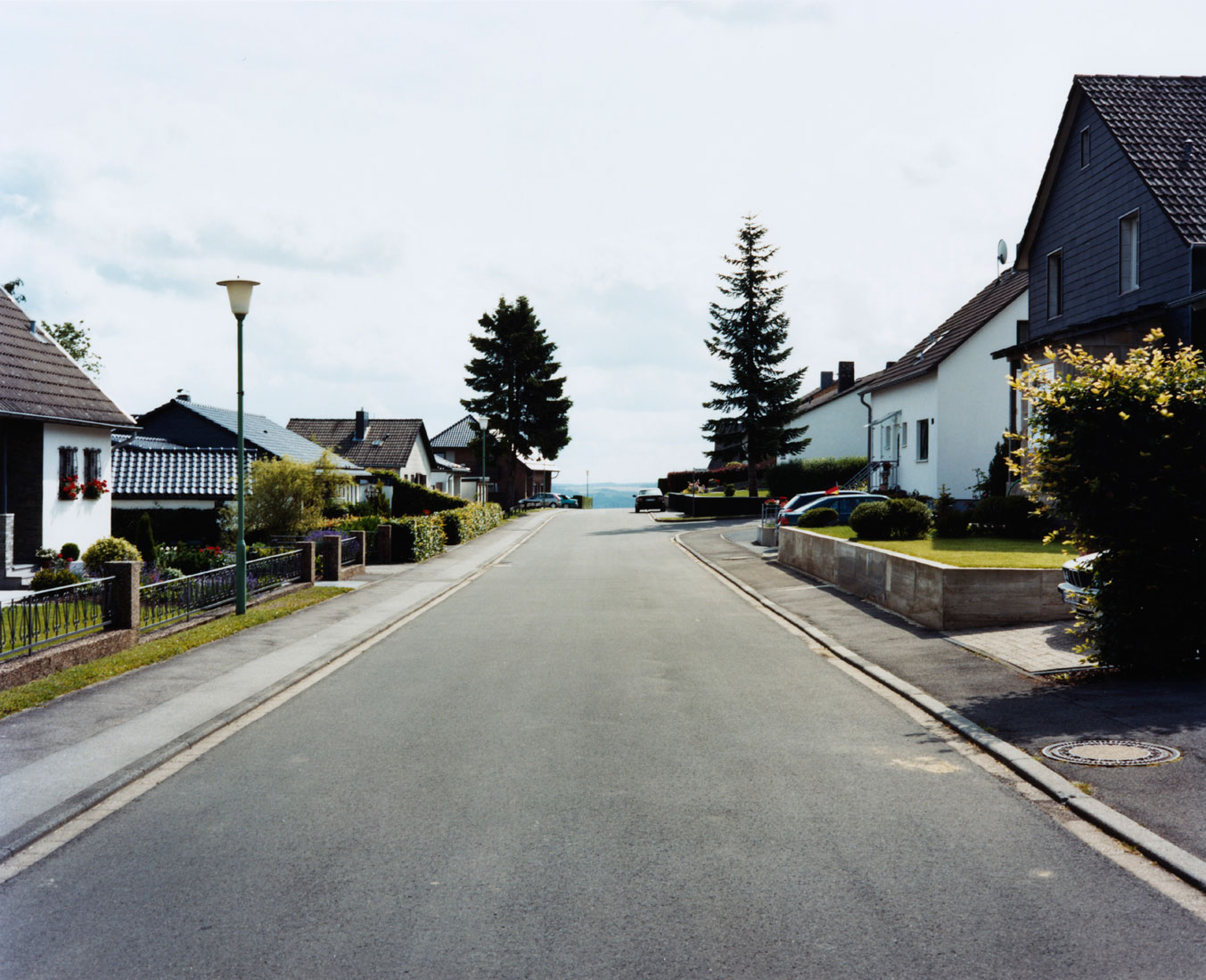
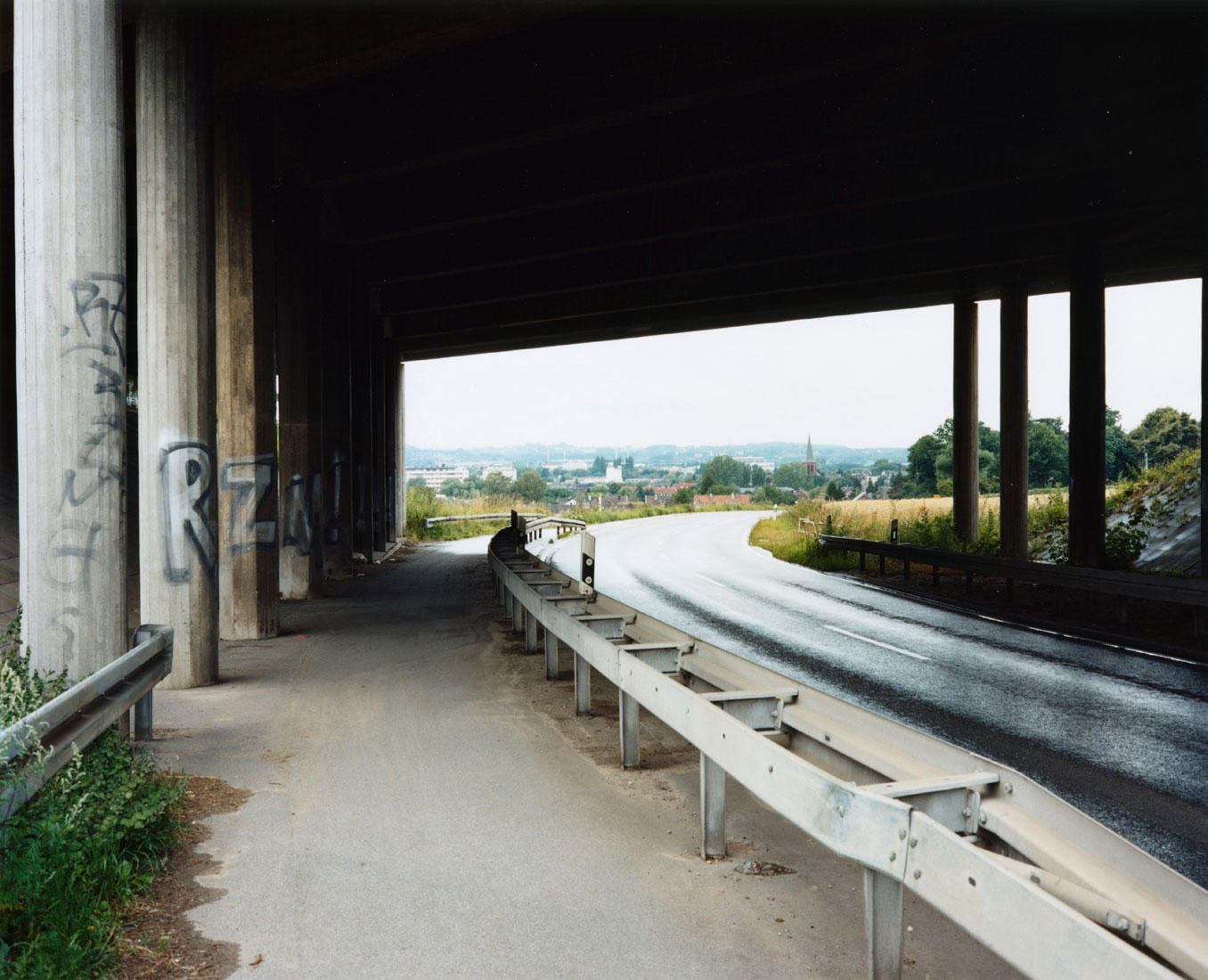
Beyond the mining landscapes, Weinand has produced sustained bodies of work documenting the suburban and post-industrial spaces of western Germany — housing estates, allotment gardens, industrial parks, and the generic architecture of the commercial periphery. His approach to these environments is neither celebratory nor critical; rather, it is attentive, seeking to understand how people inhabit and make meaning within spaces that are often dismissed as unremarkable. His photographs of domestic interiors, workshops, and gardens reveal the quiet poetry of everyday arrangement — the way a curtain is drawn, a table is set, a tool is hung on a wall — and in doing so they affirm the significance of ordinary life as a subject for serious photographic attention.
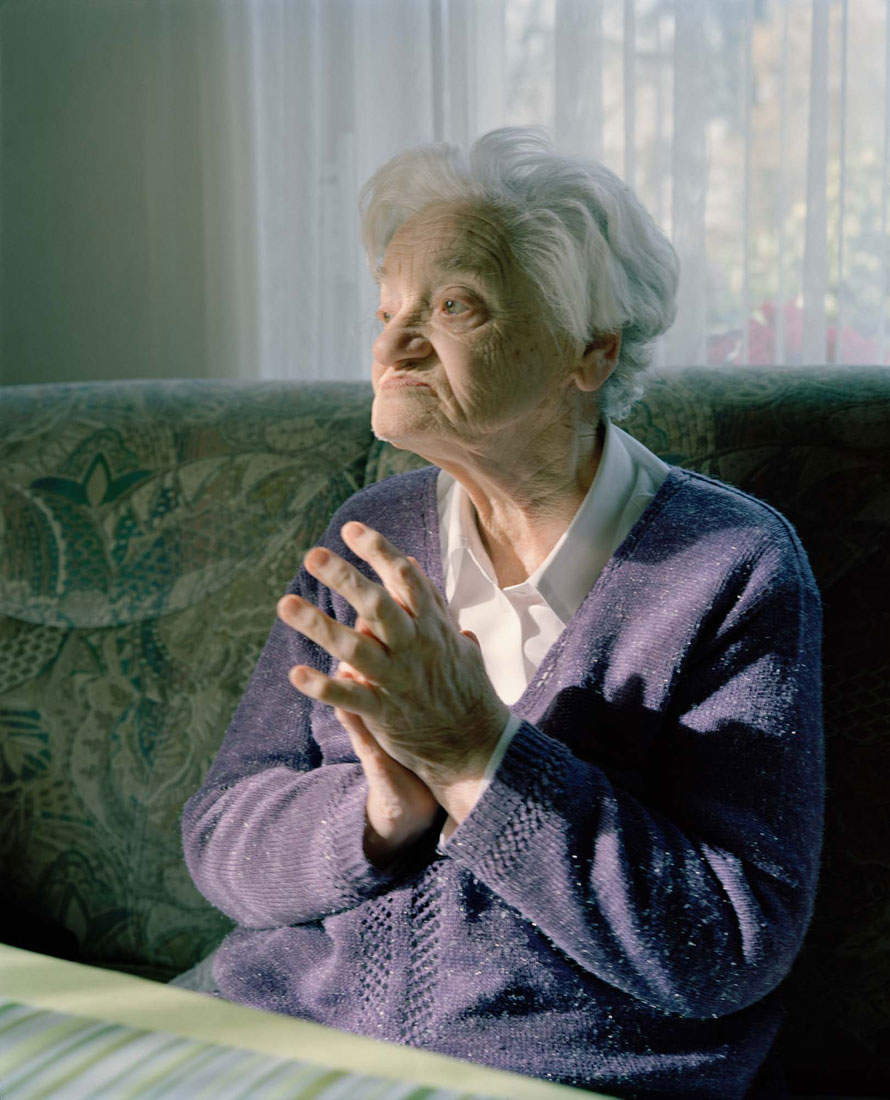
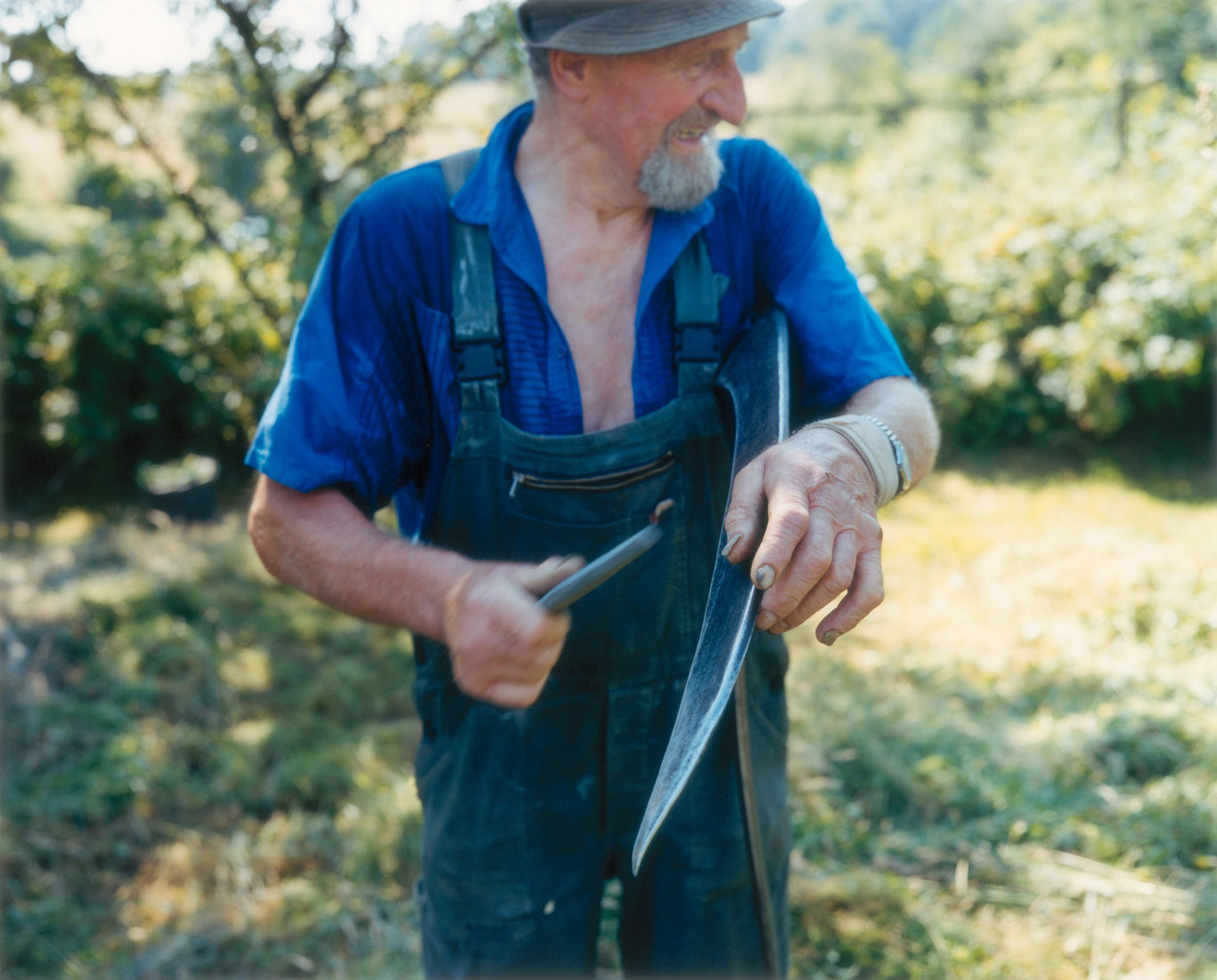
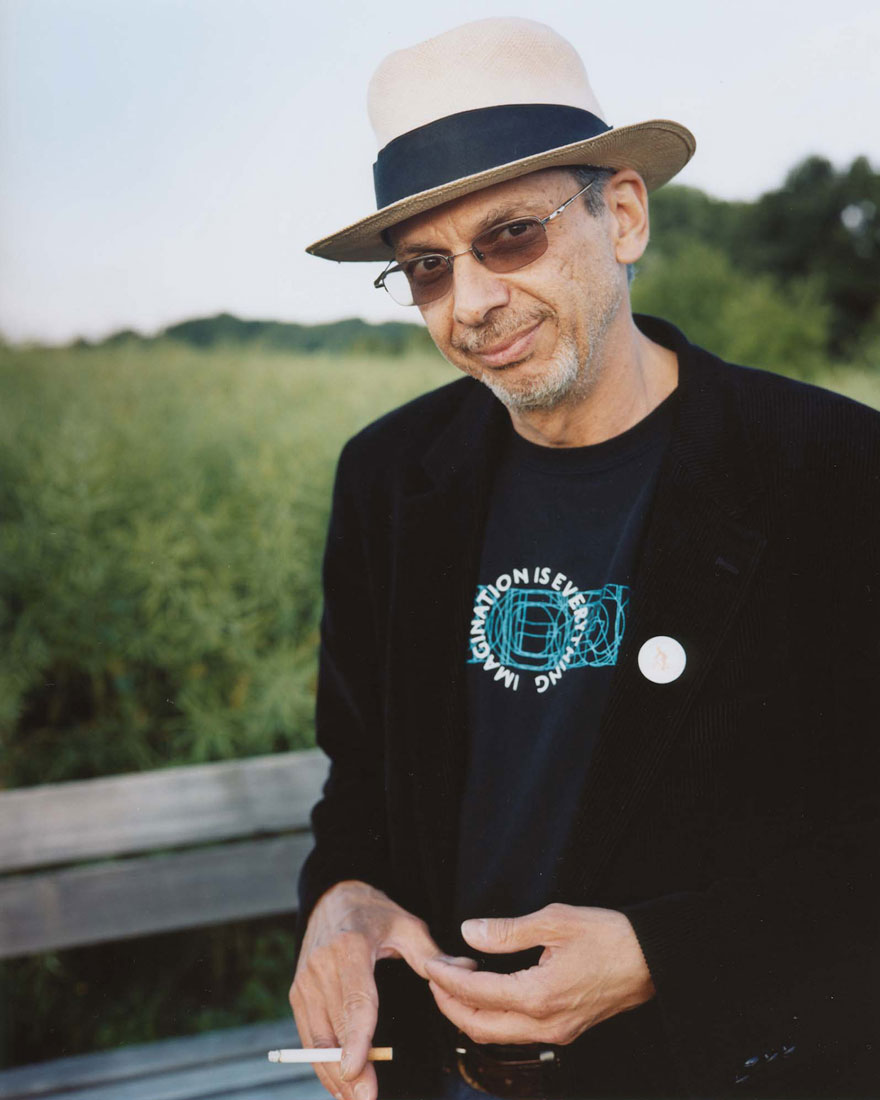
Weinand's portraiture shares the same qualities of patience and respect that characterise his landscape and interior work. His portraits of workers, residents, and community members are made with a large-format camera that demands a deliberate, collaborative approach to the act of being photographed. The resulting images have a stillness and directness that recall the tradition of August Sander, though Weinand's portraits are typically made within the context of a specific project or community rather than as part of a systematic typological survey. The people in his photographs are presented not as types but as individuals, their faces and postures carrying the weight of their particular histories and circumstances.
In addition to his personal projects, Weinand has worked extensively in editorial and commissioned documentary photography, producing work for publications and institutions that require a thoughtful, visually sophisticated engagement with social and environmental subjects. He has also been active as a teacher, contributing to photography education in the Cologne region and mentoring younger photographers in the documentary tradition. His work has been exhibited in German galleries and museums and has been published in several monographs and catalogues.
Weinand's significance lies in his demonstration that the documentary tradition remains a vital and evolving form of photographic practice, capable of addressing the complexities of contemporary life with both rigour and empathy. In an era when much German photography has moved toward spectacular scale and digital manipulation, his commitment to direct observation, careful composition, and sustained engagement with specific places and communities represents a valuable counterpoint — a reminder that the most profound photographic truths often emerge not from the monumental but from the modest, the local, and the deeply seen.