Amak Mahmoodian was born in Isfahan, Iran, one of the great cultural capitals of the Persian world, a city of mosques, bridges, and bazaars that would remain a powerful presence in her imagination long after she left. She grew up within a culture that placed great value on poetry, craftsmanship, and visual beauty, but also one in which the lives of women were circumscribed by social and religious conventions that she would later explore and interrogate through her photographic work. In the early 2000s, she moved to the United Kingdom, settling in Bristol, where she studied photography and began to develop the distinctive practice that bridges documentary, found imagery, and personal narrative.
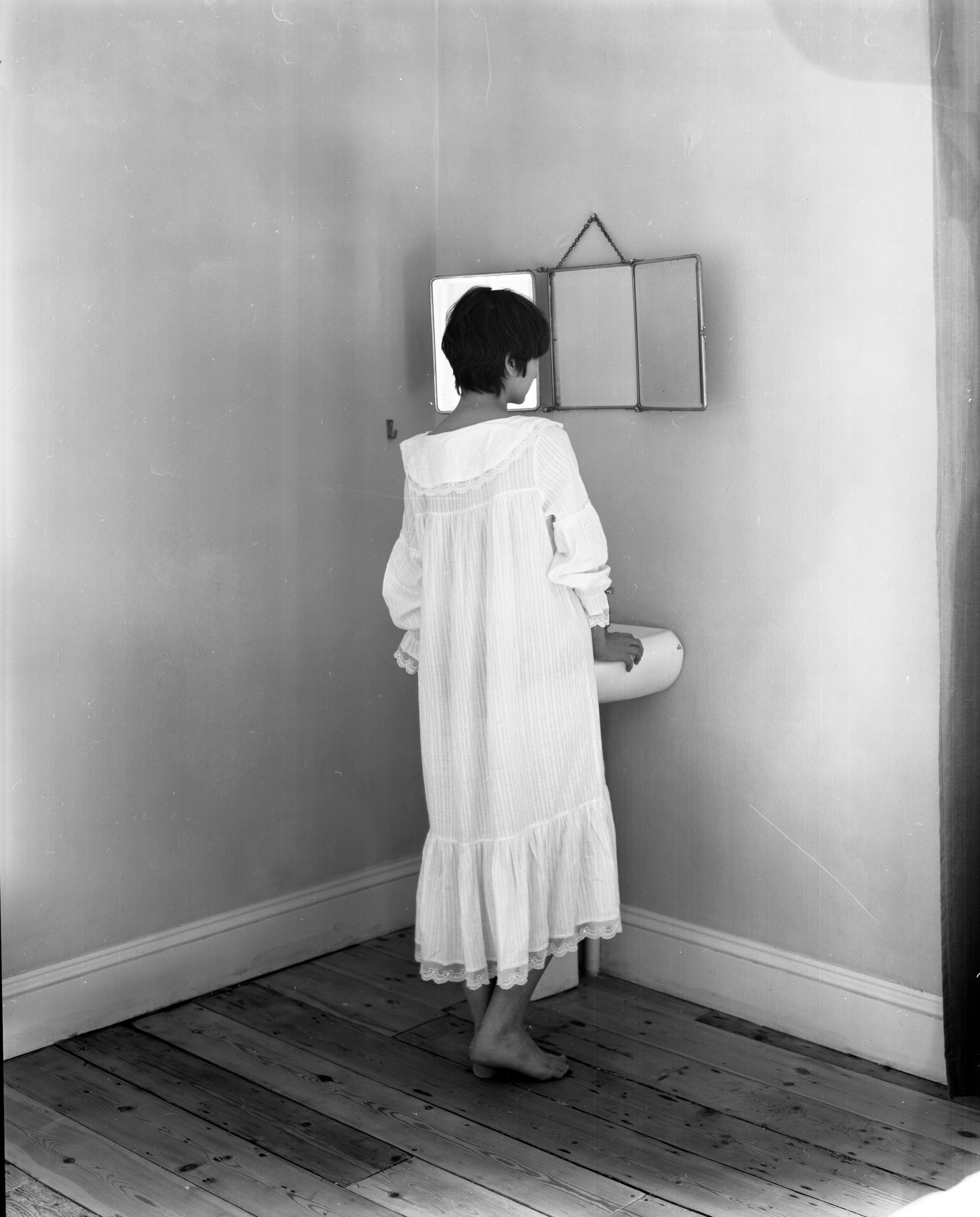
Mahmoodian's work is rooted in the experience of displacement — the condition of living between two cultures, two languages, two systems of understanding the self and the world. Her photographs and assembled images explore what it means to carry one country inside you while inhabiting another, and the particular forms of memory, longing, and reimagination that this condition produces. She works across a range of approaches, from straightforward documentary photography to the collection and reconfiguration of found photographs, vernacular images, and archival material, often combining these different registers within a single project to create layered, poetic narratives that resist easy categorisation.
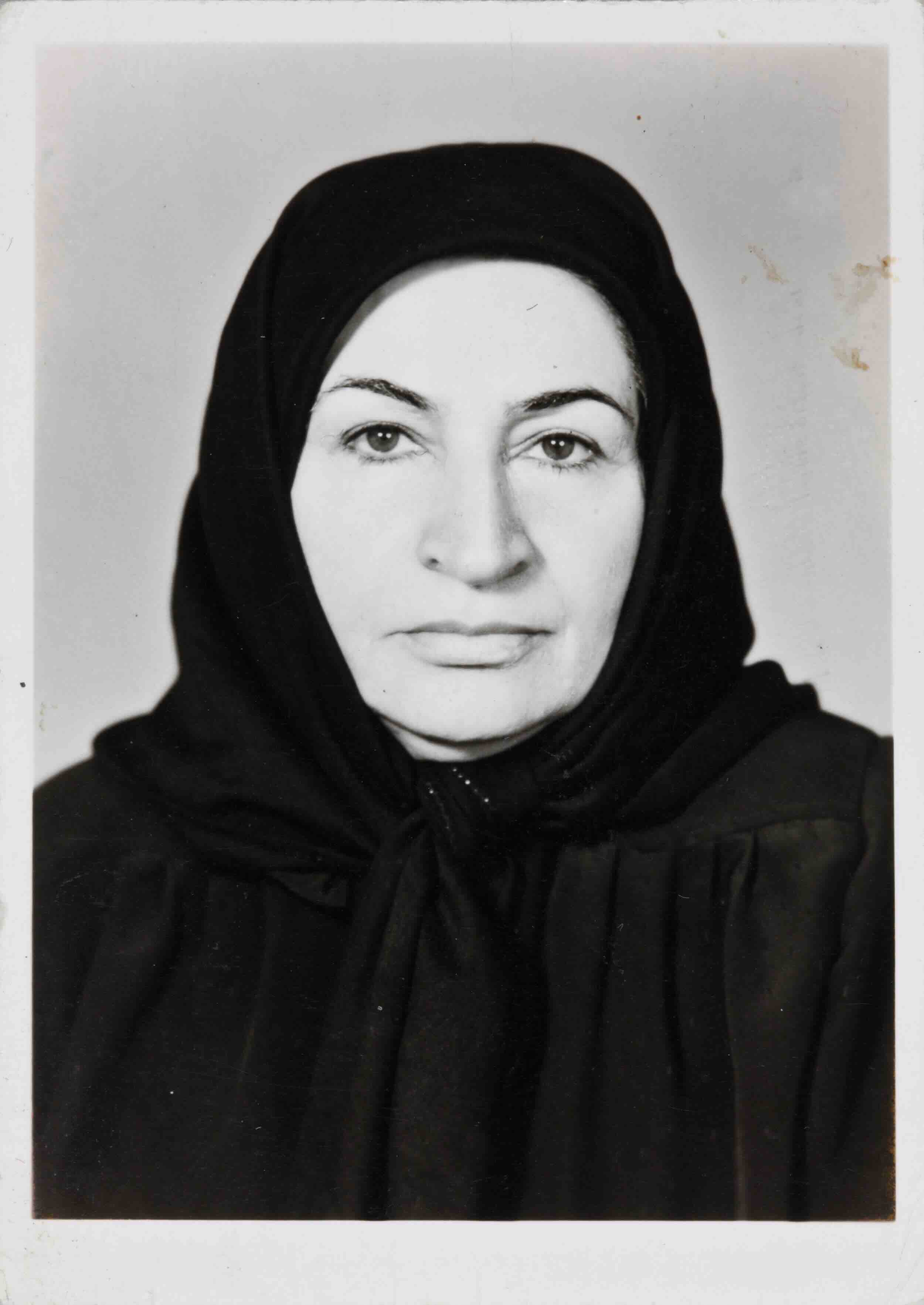
Her first major project, Shenasnameh, published as a photobook in 2016 by RRB PhotoBooks, explored the Iranian national identity document — a passport-sized booklet that includes personal details, fingerprints, and, after the age of fifteen, a photograph of the holder. Mahmoodian used these intimate, bureaucratic portraits as a point of departure for a meditation on identity, state control, and the gap between how a person is officially recorded and how they truly exist. The project established her as a distinctive voice in contemporary photography dealing with questions of identity, gender, and cultural memory.
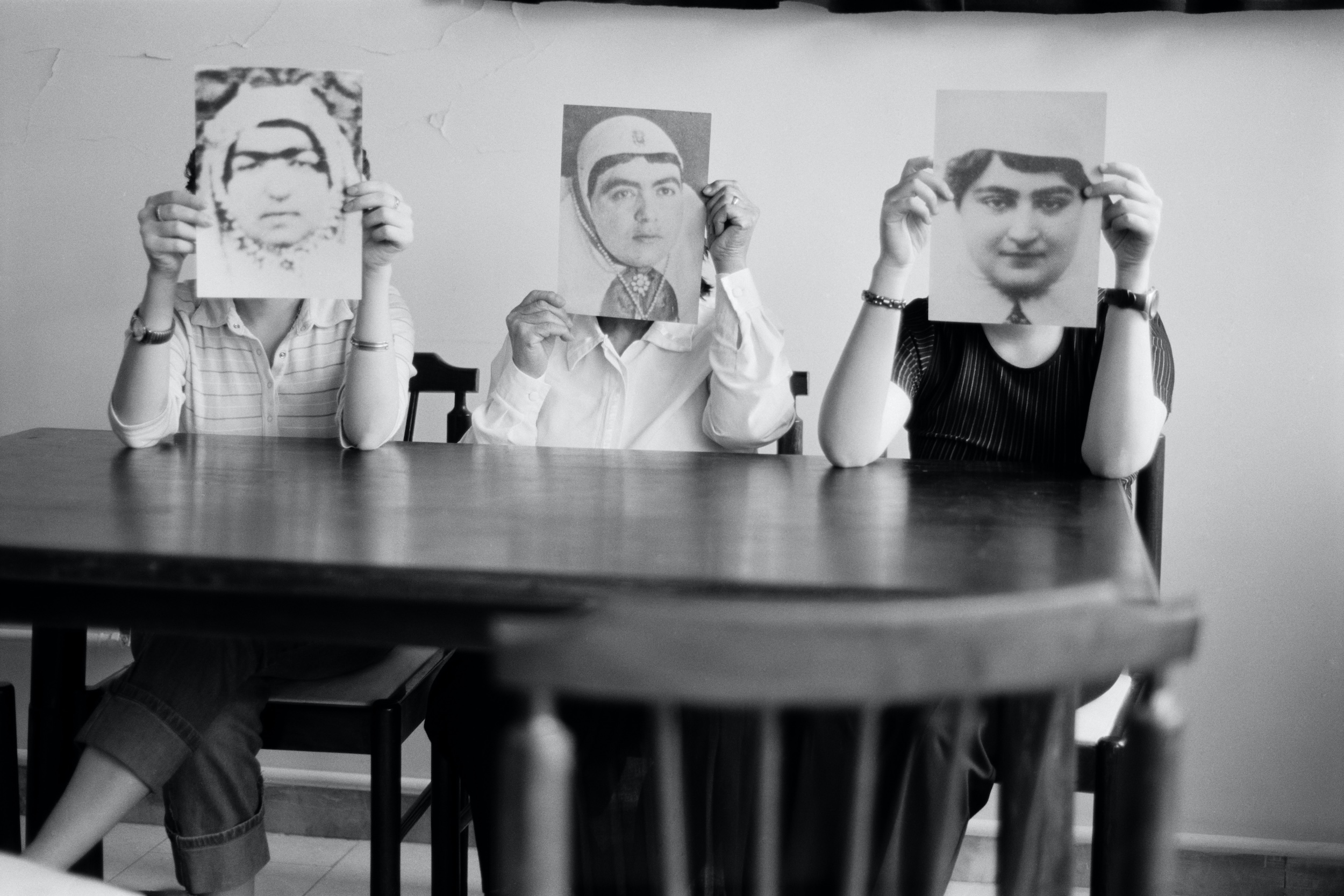
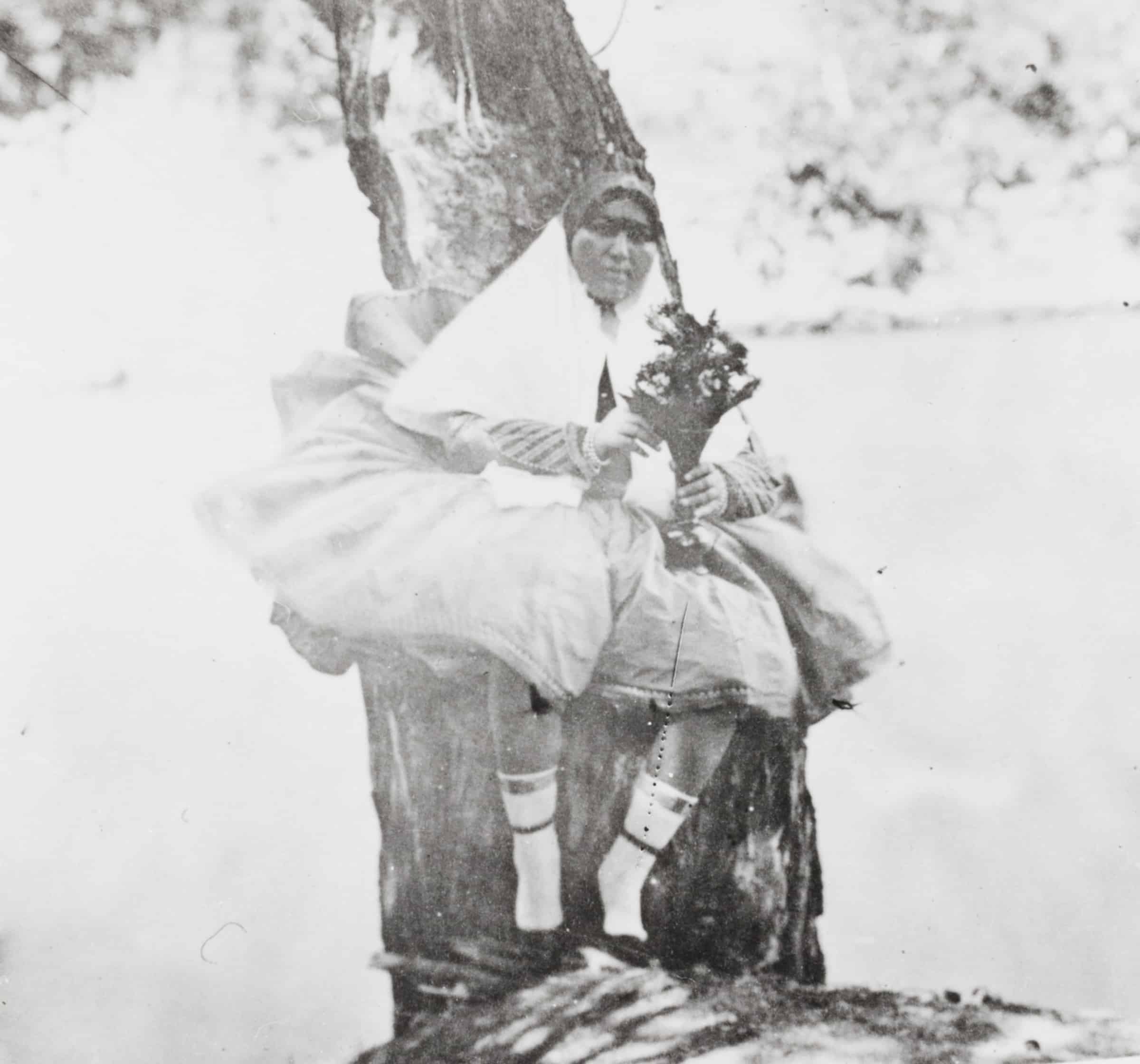
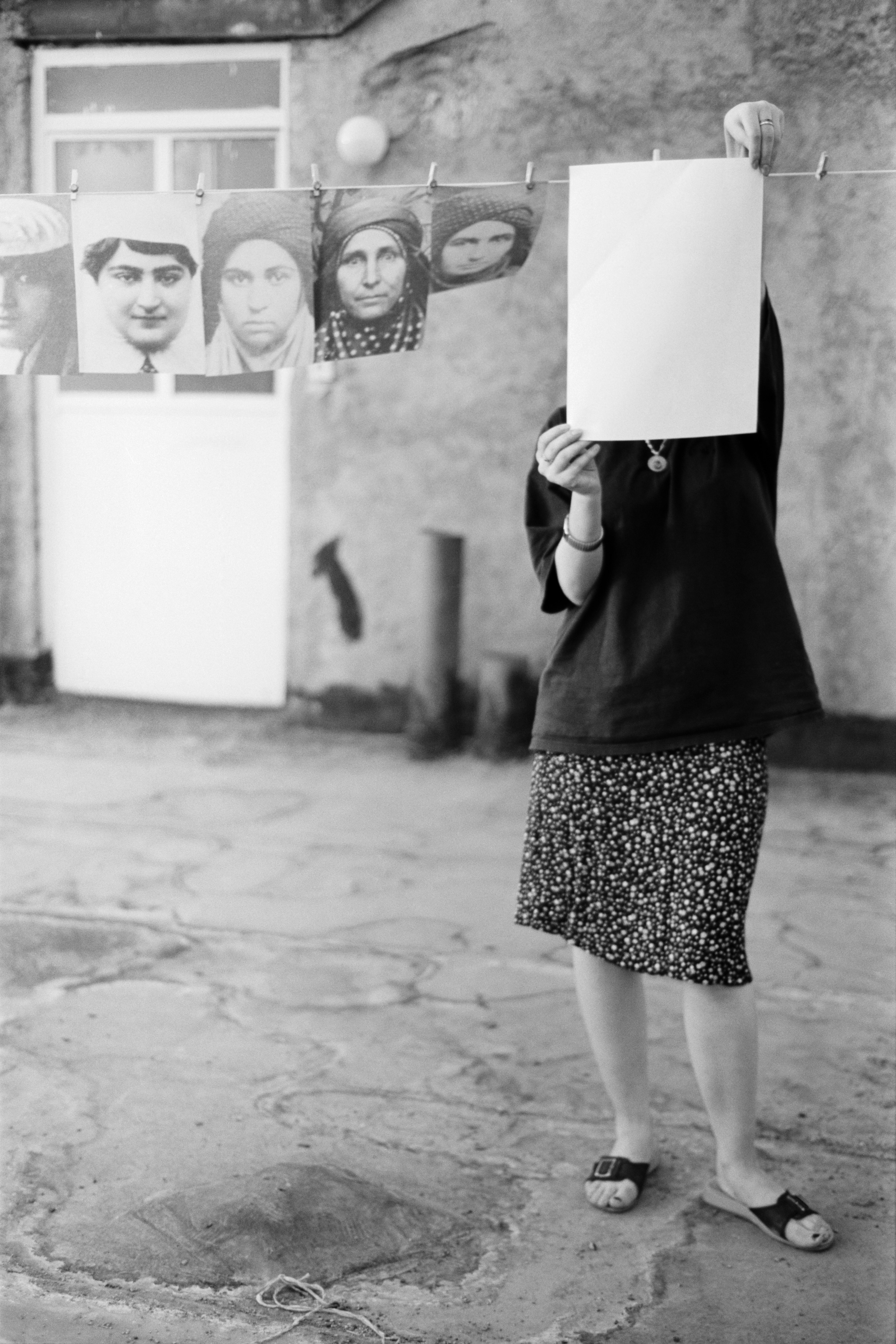
Her second book, Zanjir, published in 2019 by RRB PhotoBooks, brought her wider international recognition. The title means “chain” in Persian and refers to the metaphorical links between past and present. The project weaves together archival portraits from the Golestan Palace Library and Archive in Tehran — photographs taken between 1860 and 1896 during the Qajar dynasty — with Mahmoodian’s own contemporary images. In one recurring motif, subjects hold these archival photographs in front of their own faces like masks, creating a haunting visual dialogue between eras. Zanjir won the Best Photo Text Book award at the Rencontres d’Arles in 2020 and was widely praised for its formal innovation and emotional depth.
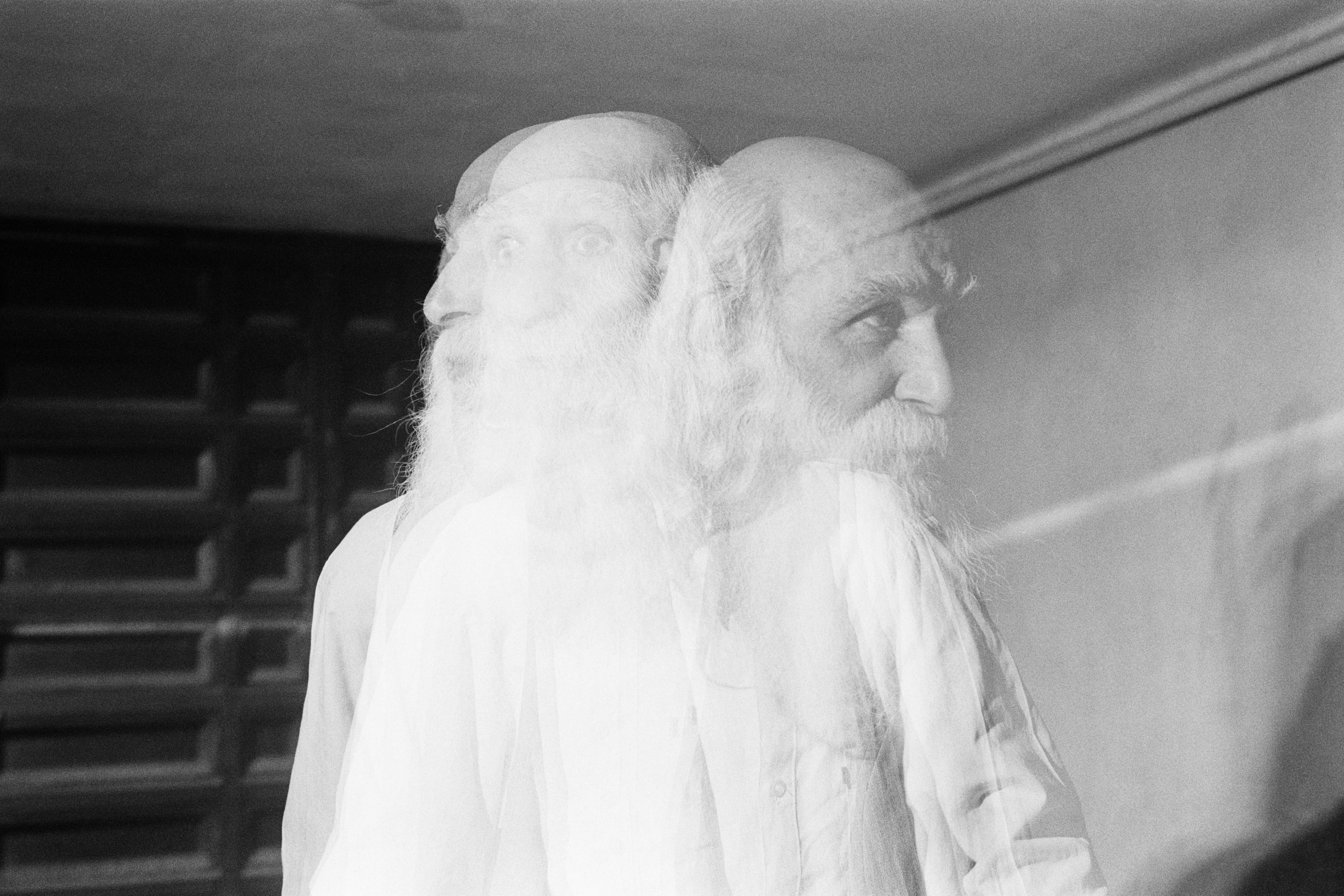
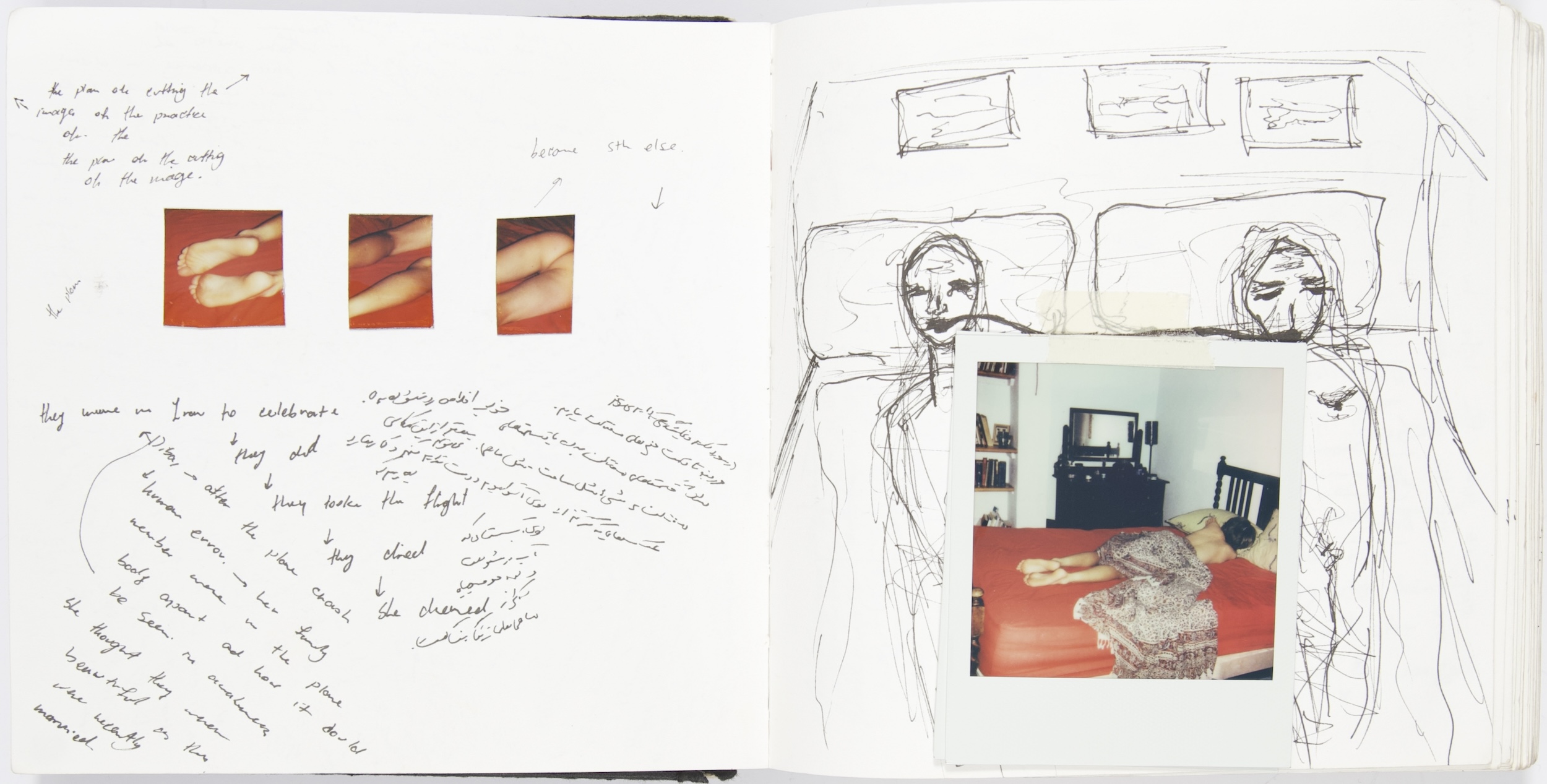
Her most recent project, One Hundred and Twenty Minutes, explores themes of exile, dreams, and the liminal spaces between sleeping and waking, between the country left behind and the country inhabited. Beyond these major projects, Mahmoodian has pursued a broader documentary practice that engages with the immigrant communities and marginal spaces of contemporary Britain. Her photographs of everyday life in Bristol and other British cities bring the same sensitivity and attention to cultural nuance that characterises her Iranian work, revealing the quiet dramas of displacement, adaptation, and belonging that play out in kitchens, living rooms, and on the streets of immigrant neighbourhoods.
Mahmoodian's practice also encompasses teaching and mentoring, and she has been an active presence in the British photography community, contributing to workshops, festivals, and educational programmes. She studied at the University of the West of England and has continued to develop her work through residencies and collaborations that extend the reach and ambition of her practice. Her work has been exhibited internationally and is held in several collections. She represents a growing generation of photographers whose work draws on the experience of migration and cultural hybridity to create images that speak to the universal conditions of memory, belonging, and the search for home.