Aaron Siskind was born on December 4, 1903, in New York City, the son of Russian-Jewish immigrants who settled on the Lower East Side. He grew up in a household where education was prized but resources were modest, and his early intellectual formation owed more to the public library system than to any formal artistic training. He attended the College of the City of New York, graduating in 1926 with a degree in literature and social science, and took a position teaching English in the New York public school system — a career he would maintain for over two decades while simultaneously pursuing his photographic work. It was not until he received a camera as a wedding gift in 1930 that he began to engage seriously with the medium that would come to define his life.
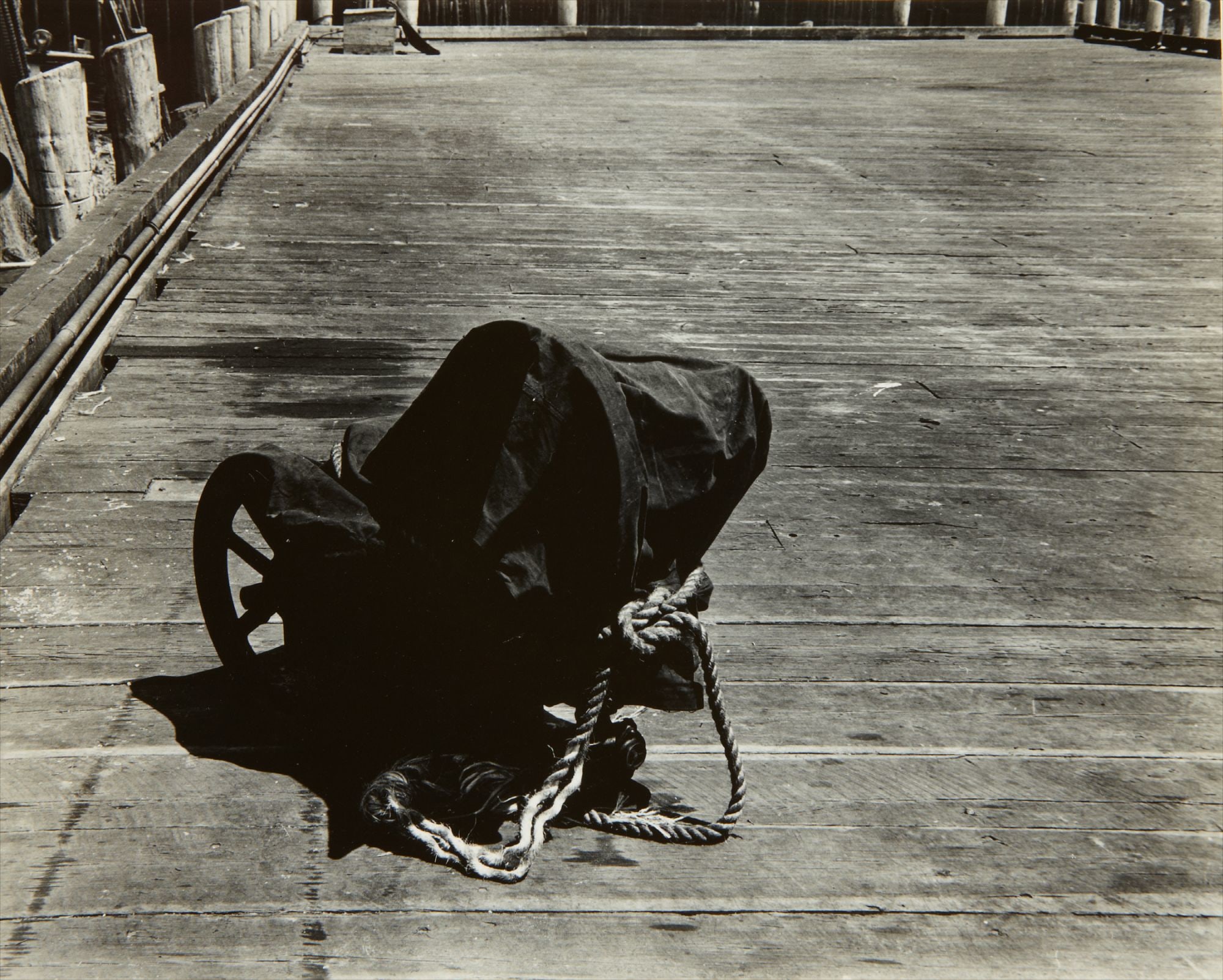
Siskind's early photographic work was firmly rooted in the social documentary tradition. In 1932, he joined the Photo League, the progressive New York organisation that championed photography as a tool for social change. He quickly became one of its most active members, organising and leading the Feature Group, a subset of photographers who undertook sustained documentary projects on specific communities and social issues. His Harlem Document project, begun in 1936 and continuing through 1940, represented a deeply committed engagement with the daily life, culture, and hardships of Harlem's Black community during the Depression. Working closely with sociologist Michael Carter and writer Ralph Ellison, Siskind produced images of tenement interiors, street scenes, churches, and barbershops that were both socially engaged and formally sophisticated.
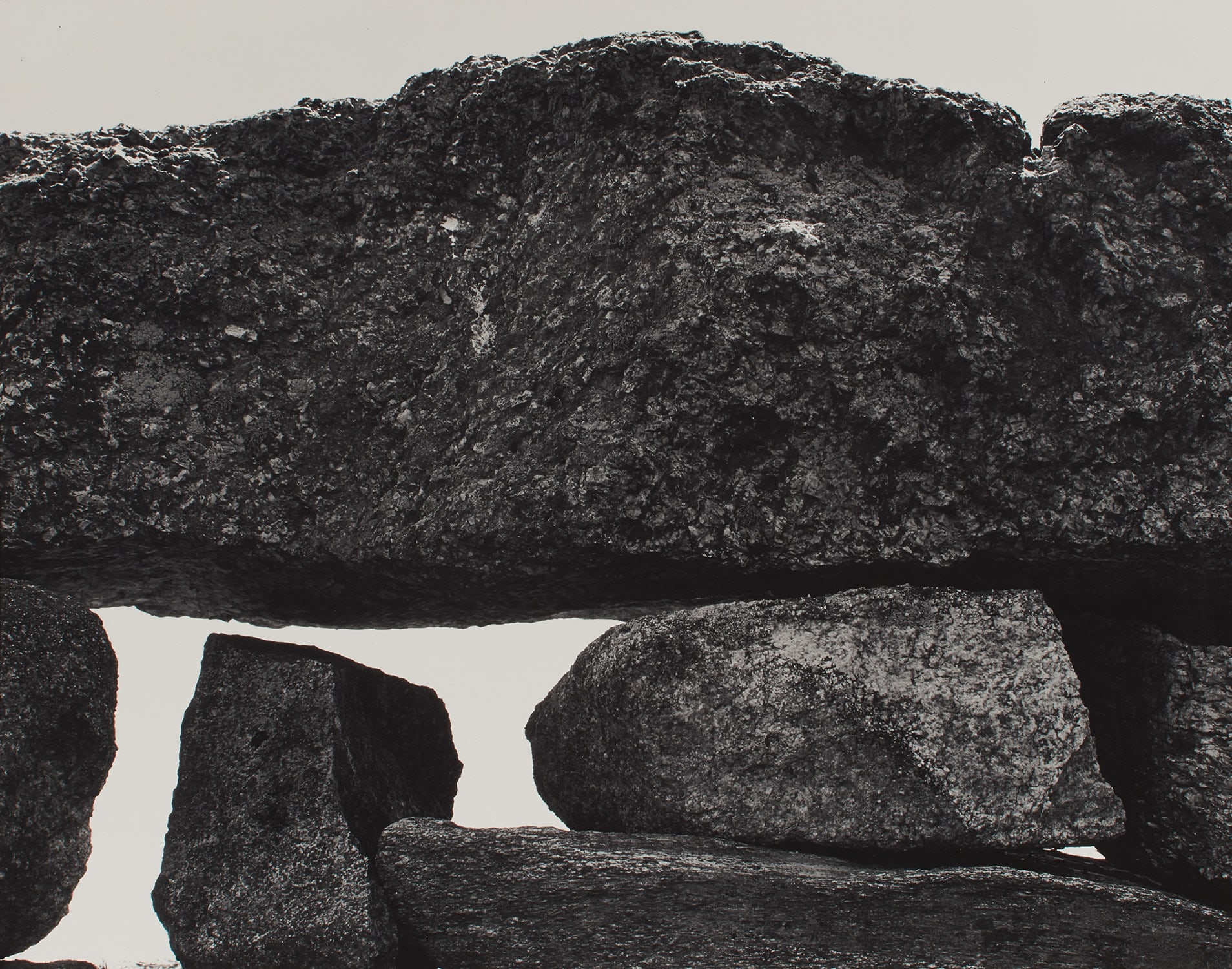
The pivotal transformation in Siskind's work came during the early 1940s, when he began to shift his attention from social subjects to the surfaces and textures of the physical world itself. During summer trips to Gloucester, Massachusetts, and later to Bucks County, Pennsylvania, he started photographing close-up details of rocks, seaweed, and weathered surfaces, isolating them from their surroundings and presenting them as flat, autonomous compositions. These images bore a striking resemblance to the gestural canvases of the Abstract Expressionist painters who were, at that very moment, revolutionising American art. The resemblance was not coincidental. Siskind had begun to move in the same New York circles as Franz Kline, Willem de Kooning, Barnett Newman, and other painters of the New York School, and he recognised in their work an ambition that resonated with his own evolving vision: the desire to create images that functioned not as representations of the external world but as objects in their own right.
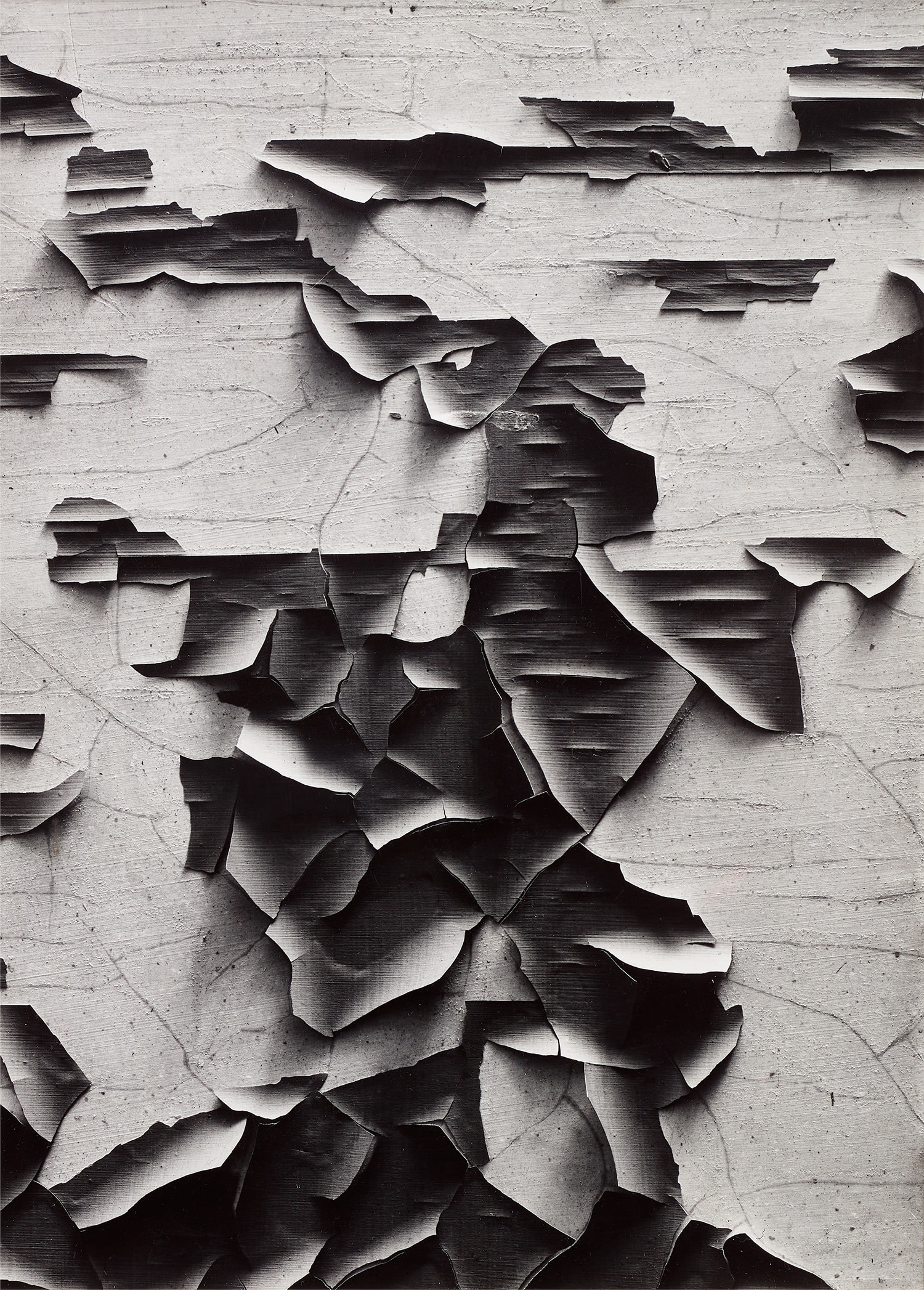
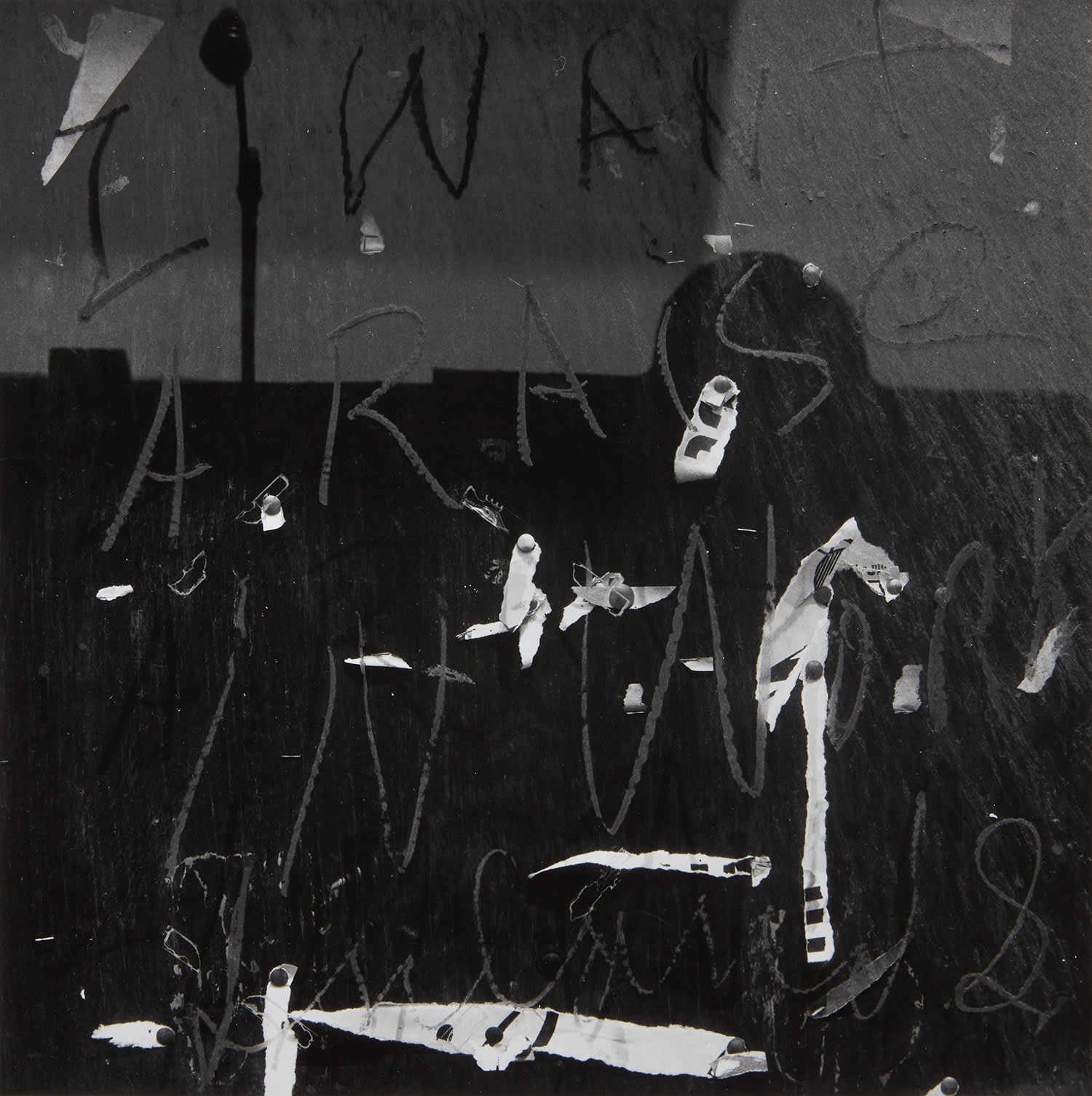
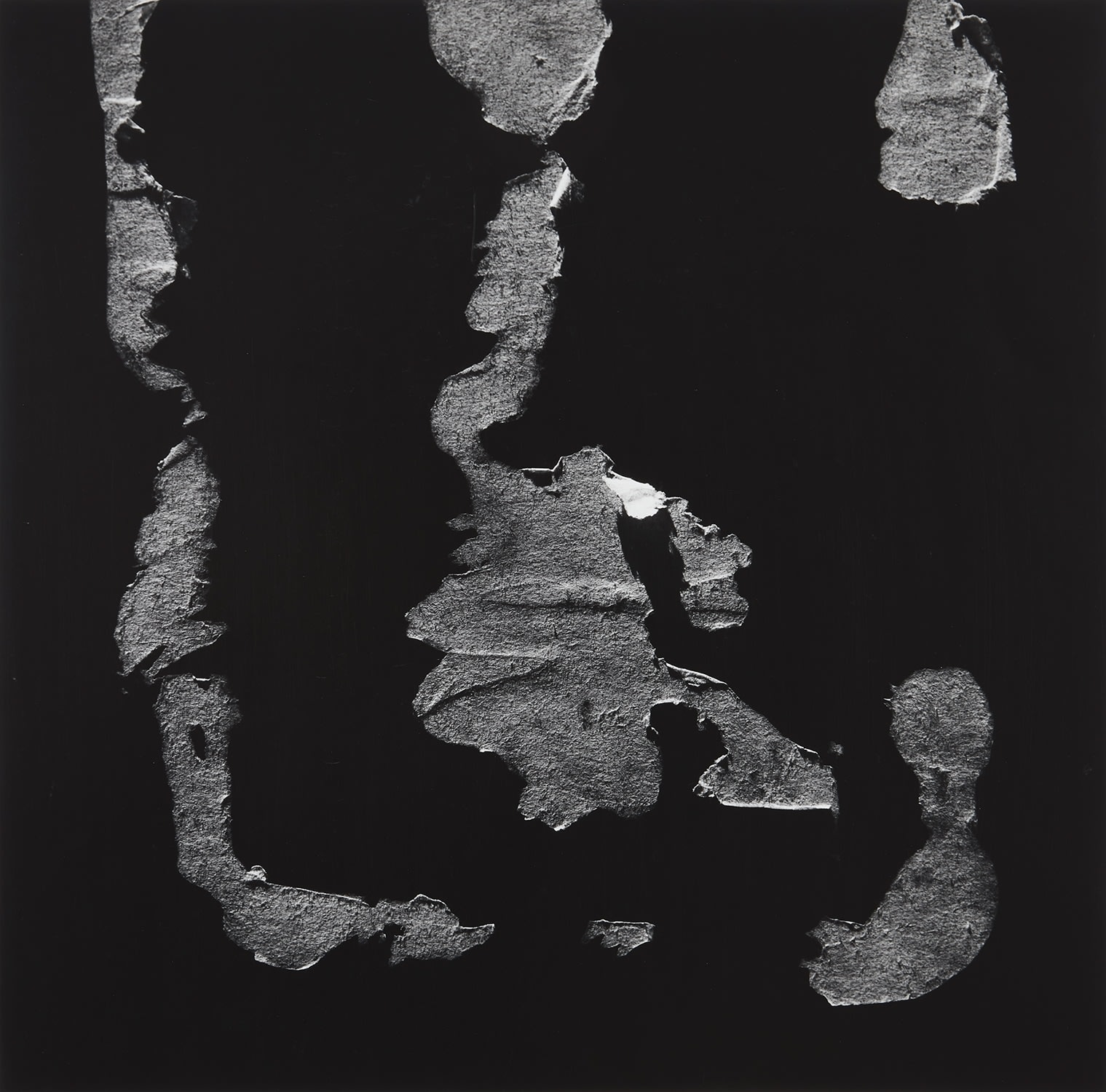
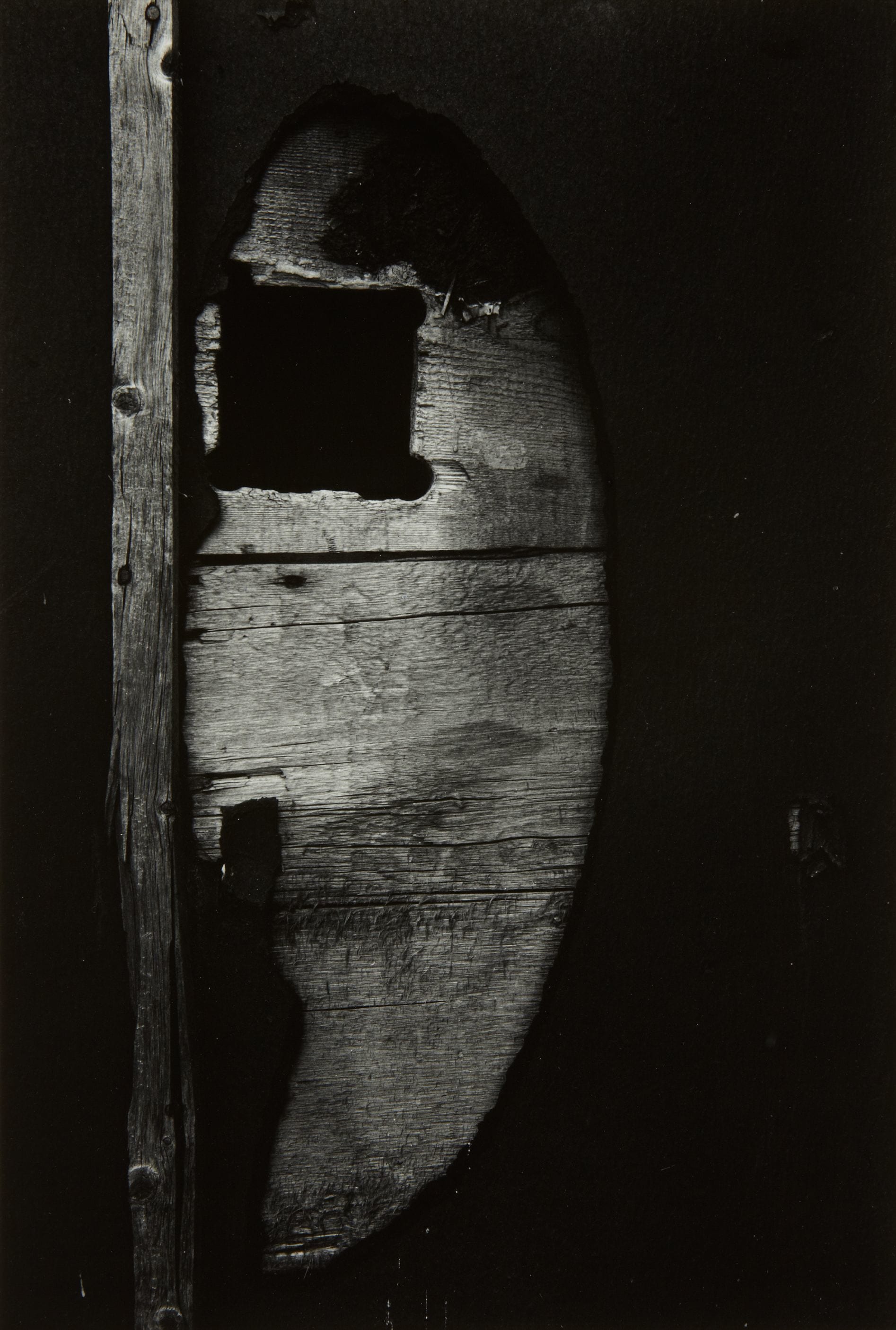
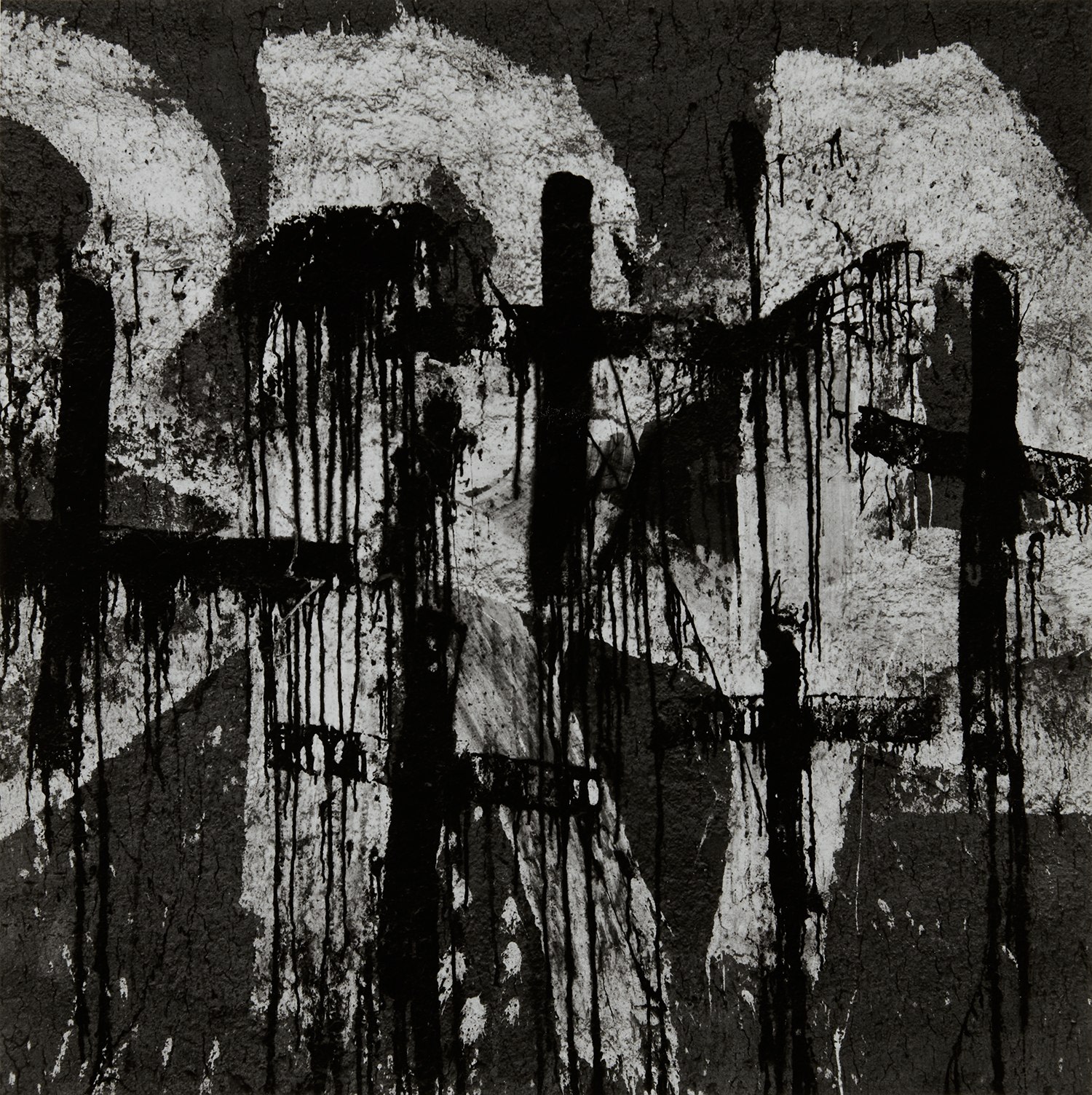
By the late 1940s, Siskind had fully committed to his abstract direction. His photographs of peeling paint, cracked walls, torn posters, and eroded surfaces — made in locations ranging from Jerome, Arizona, to Martha's Vineyard to the streets of Chicago — were radical departures from the documentary tradition in which he had been trained. He flattened perspective, eliminated horizon lines, and refused any contextual information that might anchor the image in a specific place or narrative. The resulting photographs operated on the picture plane in much the same way as the paintings of his Abstract Expressionist friends: as fields of gesture, texture, and tonal contrast that invited contemplation rather than description.
In 1951, Siskind was invited by Harry Callahan to join the faculty of the Institute of Design in Chicago, the school founded by László Moholy-Nagy as the American successor to the Bauhaus. This appointment marked the beginning of Siskind's second great contribution to the medium: his role as an educator. At the Institute of Design, and later at the Rhode Island School of Design, where he taught from 1971 until his retirement in 1976, Siskind proved to be a transformative teacher. He encouraged his students to pursue personal vision above technical mastery, to look at their own work with rigorous honesty, and to understand photography not as a fixed discipline but as a constantly evolving art form. His students included Ray Metzker, Kenneth Josephson, Art Sinsabaugh, and many others who would go on to distinguished careers.
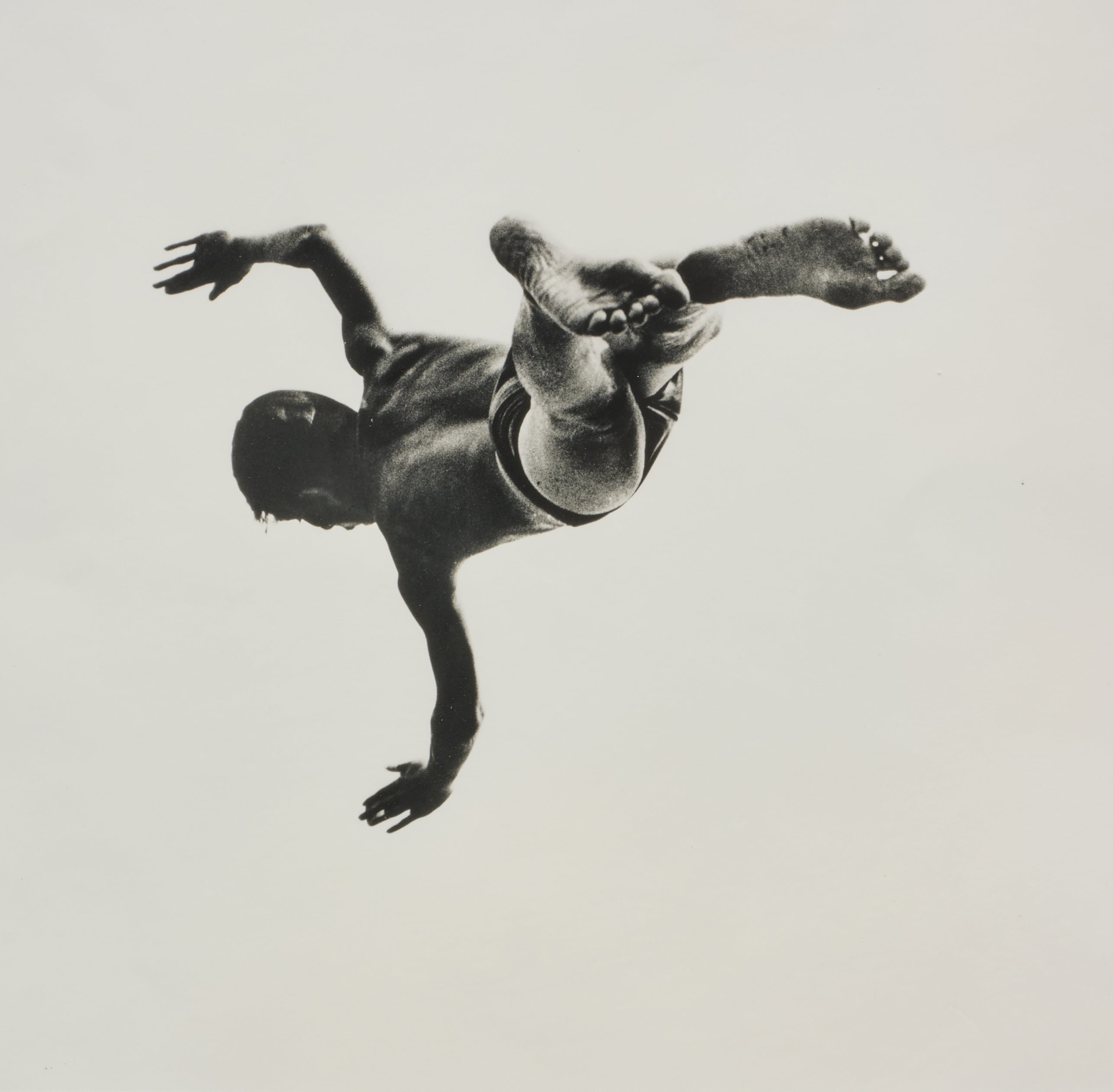
Throughout the 1950s, 1960s, and 1970s, Siskind continued to produce bodies of work that explored the expressive potential of the flat surface. His Pleasures and Terrors of Levitation series, made at a public beach in Chicago, captured divers in mid-air against an empty sky, their bodies twisted into calligraphic shapes that suggested both freedom and vulnerability. His ongoing studies of walls, tar, and organic matter in locations from Rome to Lima to Jalapa, Mexico, expanded his visual vocabulary while maintaining the formal consistency that characterised his mature work. He also maintained a close friendship and intellectual exchange with Franz Kline until the painter's death in 1962, and his photographs were regularly exhibited alongside Abstract Expressionist paintings in galleries and museums.
Siskind's influence extends well beyond the abstract photographs for which he is best known. His career arc — from committed social documentarian to radical abstractionist — demonstrated that photography could encompass the same range of ambition and expression as painting and sculpture. He proved that the camera could be an instrument of personal vision rather than merely a recording device, and that the photograph could function as a self-sufficient aesthetic object rather than a window onto the world. His legacy as an educator was equally profound: he helped shape two generations of art photographers who carried his insistence on personal vision and formal rigour into their own diverse practices.
Aaron Siskind died on February 8, 1991, in Providence, Rhode Island. His archive is held by the Aaron Siskind Foundation, which also administers an annual grant programme for photographers. His work is represented in the permanent collections of the Museum of Modern Art, the Art Institute of Chicago, the George Eastman Museum, and virtually every major museum of photography in the world. More than three decades after his death, his photographs continue to challenge the conventional boundaries between photography and painting, between document and expression, between seeing and making.